The Unique Shakisso Micro-Region of Ethiopia's Sidamo: Brewing Flavors of Shakisso Coffee Beans
When people talk about the producing regions of Ethiopia's Sidamo, the Guji zone is usually the first to come up. The Buku processing plant in Guji's Hambella region produces the well-known "Horse Champion" coffee beans, which won the Ethiopian coffee competition in 2017; although later seasons have not quite matched that vintage, the beans' popularity has not dimmed. Beyond the famous Hambella, however, there is a micro-region called Shakisso that stands entirely on its own. Through cupping, FrontStreet Coffee found that although Shakisso lies within Guji, the coffee from this area tastes different from typical Guji lots.
Guji Region
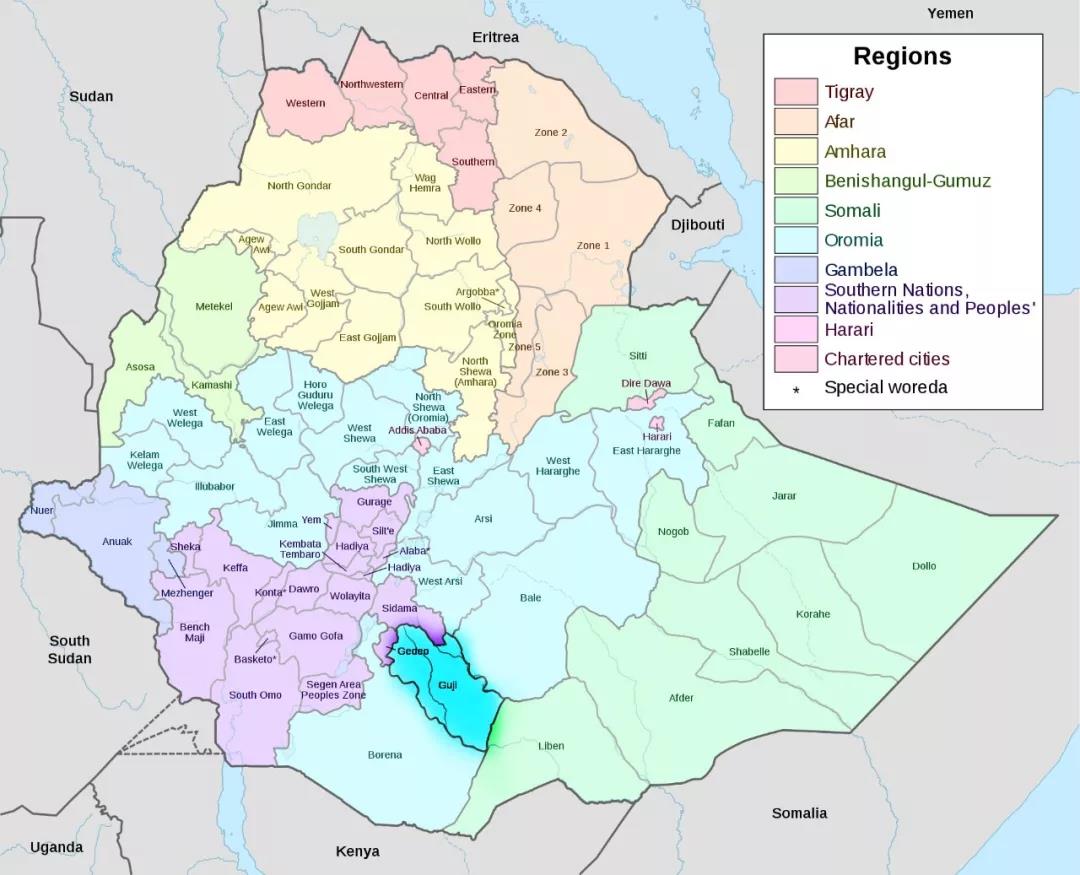
Guji, formerly part of the Sidamo region, was established as an independent region by the Ethiopia Commodity Exchange (ECX) in 2010. It sits southeast of Yirgacheffe and is a complex landscape of towering mountains, valleys, and plains.
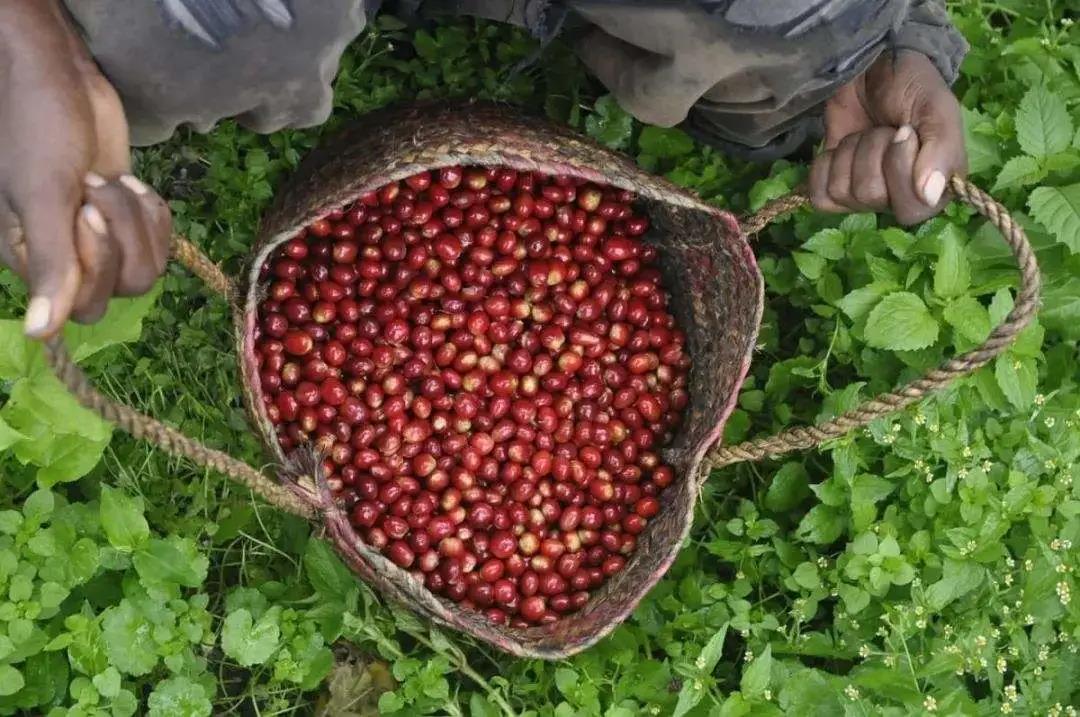
The region's geology consists of nutrient-rich black soil (Vertisol) nearly two meters deep, with an average altitude above 1,800 meters. The pronounced day-night temperature differences created by its geography give the area every terroir condition needed to produce high-quality specialty coffee.
Shakisso Micro-region
Shakisso is located in the Guji region of Sidamo, in the southern part of the Oromia region, bordering Sidamo and Gedeo. The area is dotted with mining pits originally dug for gold, which makes walking through the coffee-growing zones genuinely hazardous.
Shakisso is unique within Guji/Sidamo — even by Sidamo standards it is remote, far from most coffee-producing areas. Its other famous product is gold. Factors involving miners, land, and ethnicity caused instability in the region in 2006, so the biggest challenge today is securing enough manpower to maintain the plantations and harvest the coffee.
Local smallholder farmers began planting organic coffee in 2001 and worked closely with medium-sized producers, who understood how to cultivate forest coffee at high elevations. This has made Shakisso one of the most distinctive micro-regions in Sidamo, and its coffee has repeatedly drawn market attention.
Through cupping, FrontStreet Coffee found that coffee from this region offers bright lemon and citrus acidity, white grape juice, blackcurrant, and an Earl Grey tea finish. Compared with the sweetness and body of typical Guji beans, Shakisso's flavor expression is far more lively and layered. Processing plays a role here too: most Guji coffee is natural processed, and FrontStreet Coffee finds that natural beans show obvious sweetness, soft acidity, and stronger berry-like notes, while washed beans express cleaner flavors and brighter acidity. The Shakisso beans FrontStreet Coffee carries are washed processed.
Washed Processing
The washed method removes impurities (stones, debris, and the like) and defective beans at each step, so the green beans look uniform and are generally regarded as high quality, commanding higher prices than naturally dried coffee. But the finer the division of labor, the more procedures involved in operation and hygiene management — and the higher the risk. Washed does not automatically mean high quality.
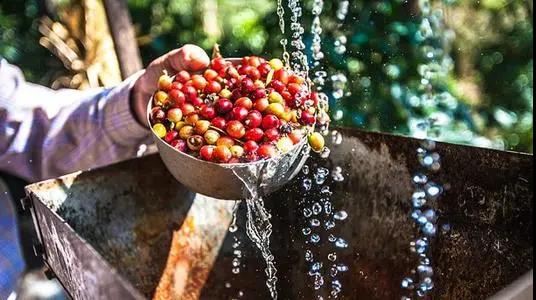
Selected cherries go into a depulper to strip away skin and pulp; the beans, still coated with residual pulp and mucilage, then ferment in water for about 18-36 hours. After fermentation, the parchment coffee is washed through flowing water channels to remove the remaining mucilage, then sun-dried or machine-dried to a moisture content of about 12%. Finally, the parchment is milled off.
Coffee Varieties
FrontStreet Coffee's Shakisso beans are Heirloom native varieties. Ethiopia has nearly 2,000 recorded coffee varieties — 1,927 native and 128 introduced. Judged by appearance alone, Ethiopian coffee varieties resemble a grand menagerie: long, short, thin, plump, everything in between.
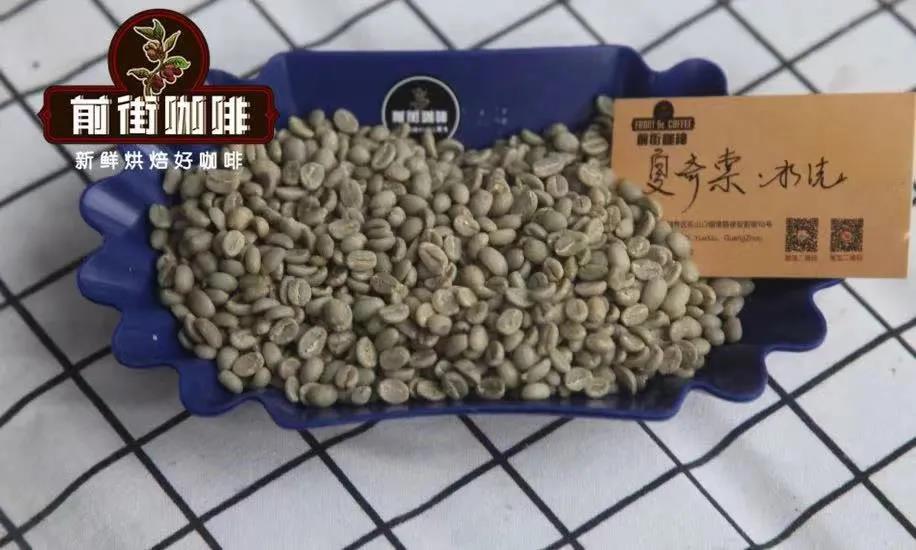
The reason is simple: Ethiopia holds so many varieties that it functions as a natural gene bank for Arabica. On one hand, the sheer number makes classification difficult; on the other, the Ethiopian government, out of protectionist considerations, is unwilling to disclose varietal information, so they are collectively labeled Heirloom native varieties.
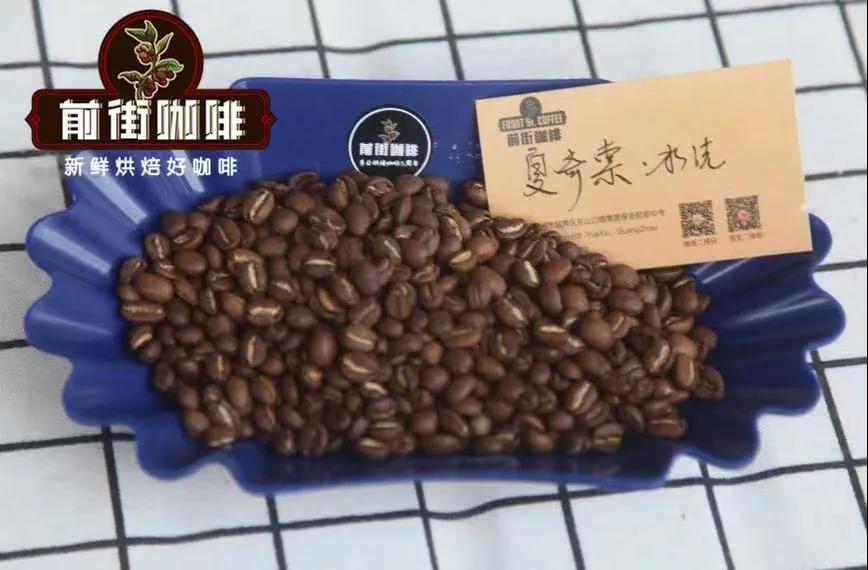
Region: Sidamo, Guji, Shakisso
Altitude: 1950-2300m
Processing method: Washed
Grade: G1
Variety: Local native varieties
FrontStreet Coffee Roasting Experience
To highlight this bean's rich, lively acidity, FrontStreet Coffee's roaster chose a medium-light roast.
Yangjia 800N, batch size 300g: charge the beans when the roaster reaches 170°C, open the damper to 3, and set the heat to 100.2; the turning point arrives at 1'42". When the roaster temperature reaches 140°C, keep the heat unchanged and open the damper to 3.5. At this point the bean surface yellows, the grassy smell disappears completely, and the beans enter the drying stage; when the temperature reaches 180°C, reduce heat to 70 and open the damper to 4.
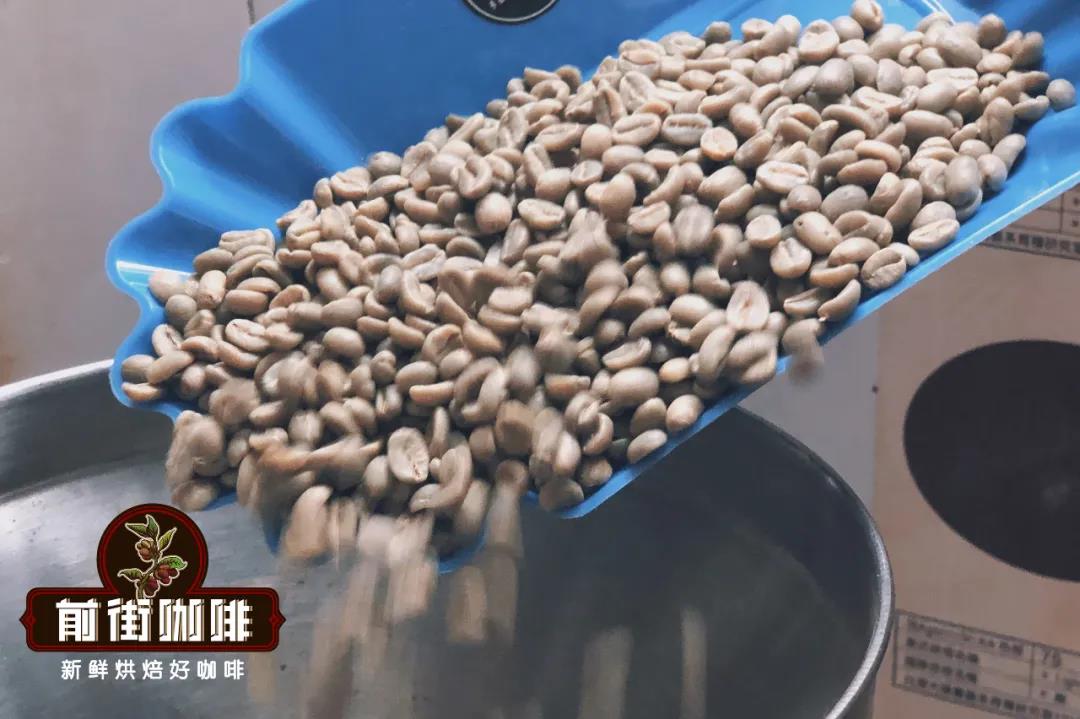
At 7'50", bumpy wrinkles and dark mottling appear on the bean surface and the toast smell clearly turns to coffee aroma — the prelude to first crack. Listen carefully for it. At 8'20", first crack begins; reduce heat to 50 and adjust the damper to 5 (be very careful when lowering the heat — never so low that the cracking stops). Develop for 1'28" after first crack and discharge at 192°C.
FrontStreet Coffee Cupping Report
FrontStreet Coffee cups samples within 8-24 hours after roasting. The baristas generally use 200ml ceramic cupping bowls marked at 150ml and 200ml. Per SCAA standards, the water TDS is around 150ppm — too low invites over-extraction, too high affects mouthfeel and causes under-extraction. Cupping water temperature is 94°C. The grind is set so 70%-75% passes through a No. 20 standard sieve (0.85mm). Ratio: 11 grams of coffee to 200ml of hot water, i.e., 1:18.18, which places extraction concentration within the Golden Cup range of 1.15%-1.35%, with a 4-minute steep.

Dry aroma: floral, lemon
Wet aroma: orange
Flavor: lemon, jasmine, vanilla, honey, orange, sucrose
FrontStreet Coffee Brewing Experience
Dripper: V60 #01
Water temperature: 90-91°C
Dose: 15g
Coffee-to-water ratio: 1:15
Grind size: medium-fine, fine sugar size (80% passes through a No. 20 sieve)
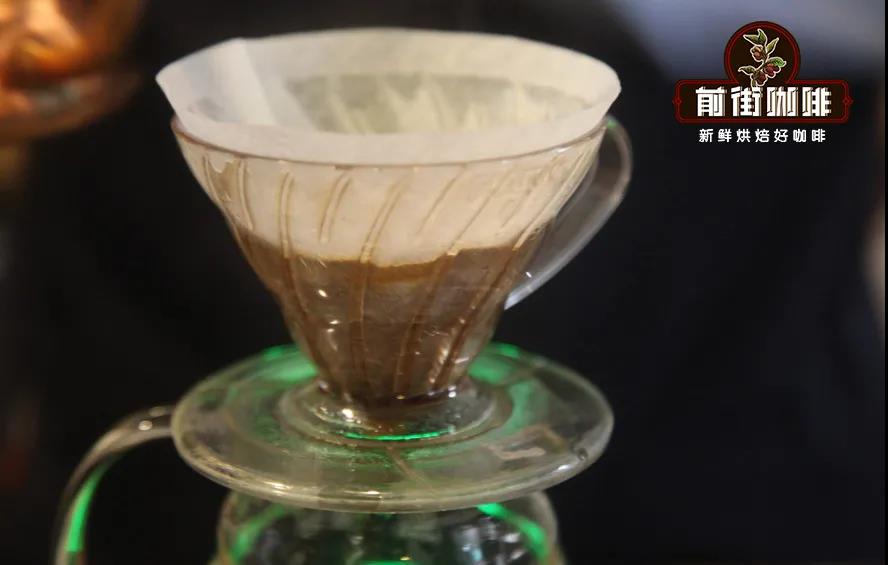
FrontStreet Coffee brewing method: first rinse the filter paper and preheat the dripper and server. Bloom with 30g of water for 30 seconds. Pour in slow circles up to 125g, then pause. When the water level drops and the coffee bed is nearly exposed, pour up to 225g and stop. When the bed is about to break the surface again, remove the dripper. (Timing starts at the beginning of the bloom.) Total extraction time: 2'05".
Brewed flavor: the entry leads with pronounced lemon acidity; as it cools, jasmine florals, cream, sucrose, and nuts emerge, finishing with an oolong tea sensation and a long aftertaste.
FrontStreet Coffee Recommendation
If Shakisso's lemon-jasmine clarity appeals to you, the broader Yirgacheffe family offers plenty of kindred cups. FrontStreet Coffee's washed Yirgacheffe is the classic gateway — white jasmine, bright citrus and lemon acidity, and gentle tea body at an easy price. The FrontStreet washed Gedeb Cooperation lot from the Worka area, considered one of the last unspoiled pockets of Yirgacheffe, shows the same clean citrus acidity and jasmine fragrance with zero conventional bitterness. And for the natural-side counterpart to Shakisso's liveliness, the FrontStreet Yirgacheffe Red Cherry natural — full-red cherries sun-dried and turned every 2-3 hours for three to five weeks — pairs citrus acidity with berry juiciness, honey sweetness, and a cream-smooth texture that makes the contrast between washed and natural unmistakable.
Important Notice :
FrontStreet Coffee is a long-established specialty coffee roaster in Guangzhou China, selling freshly roasted beans from its own farm in Yunnan as well as dozens of carefully selected single-origin beans from around the world for both pour-over and espresso. The products deliver consistently excellent quality and great value, with shipping within 24 hours. Guangzhou's FrontStreet Coffee shop is recommended by many coffee lovers, and the beans are now available online at the Tmall 。
FrontStreet Coffee has moved to a new address:
FrontStreet Coffee Address: 315,Donghua East Road,GuangZhou
Tel:020 38364473
 Scan and follow the En Gafei WeChat official account. Please indicate that the reprint comes from "En Gafei".