The Development of Yunnan Specialty Coffee Industry: How to Brew Yunnan Typica Coffee Beans?
Introduction to Yunnan Coffee
Last month, a movie themed around Yunnan coffee titled "Coffee or Tea?" sparked discussions in the coffee community. Many scenes resonated with coffee enthusiasts. In the film, one protagonist describes Yunnan coffee this way: "The refreshing fruit aroma of tropical fruits upon entry, citrus, plum, orange peel, apricot, wild ginger flower, with noticeable sweetness and bright fruit acidity, complemented by the rich aroma of dark chocolate, smooth mouthfeel, and rich layers." Another protagonist asks: "Does it have the flavor of distant mountain forests?"

At this point, everyone probably understands the regional flavor characteristics of Yunnan coffee. Through cupping various Yunnan coffee beans over the years, FrontStreet Coffee believes they possess the fresh fragrance of melons and fruits, the bright acidity of plums, the sweetness of brown sugar, the nutty aftertaste, noticeable sweetness, rich aroma, and mellow mouthfeel.
Why Can't Yunnan Coffee Command Higher Prices?
FrontStreet Coffee has been involved in Yunnan coffee cultivation in recent years and believes that to refine Yunnan coffee, one must select the right varieties, plant them at appropriate altitudes, and after maturity, develop processing methods that can express unique flavors to establish a flavor profile of Yunnan specialty coffee. FrontStreet Coffee believes that to change the problem of "Yunnan specialty coffee getting better year by year, yet prices continue to decline," fundamental changes must be made starting from cultivation, as just mentioned.
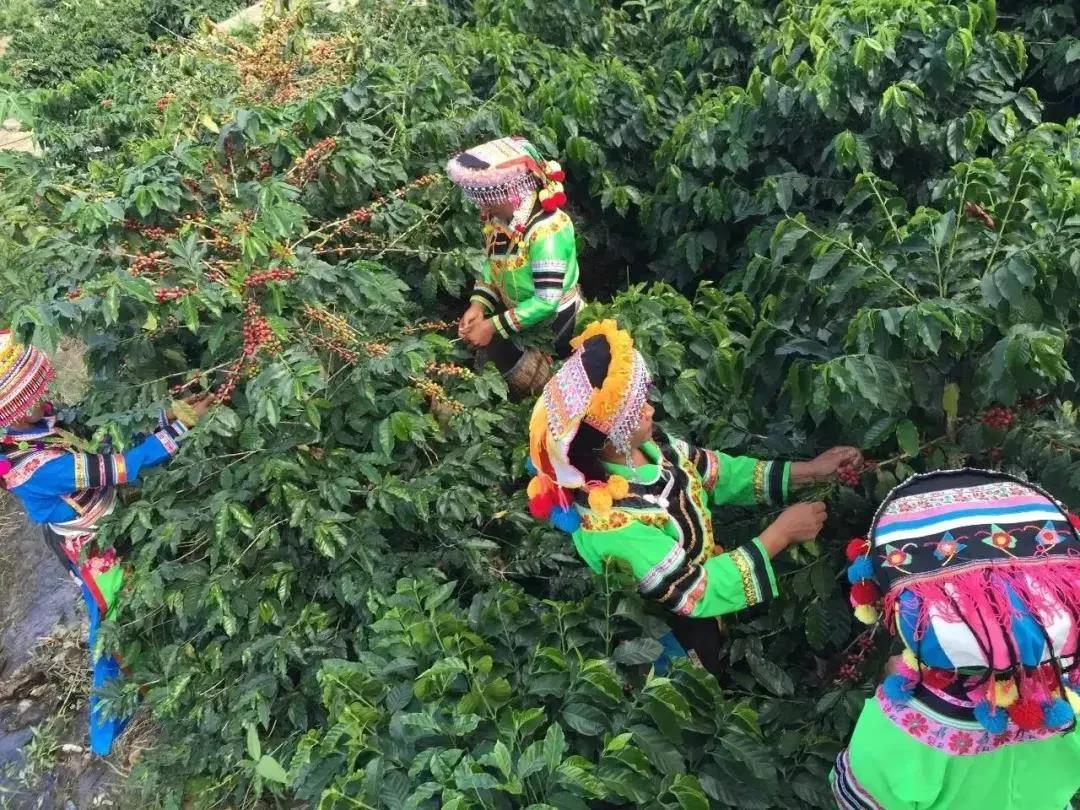
A major reason why Yunnan coffee has struggled to achieve specialty coffee status is that Catimor is too cheap and can only be sold as bulk commodity, fetching about 15-20 yuan per kilogram, which barely covers picking costs and fertilizer expenses, leaving farmers unwilling to manage the crops properly. Typica and Bourbon varieties have low yields and are susceptible to diseases, with high management costs and longer exploration periods, not to mention whether they can develop distinctive flavors. On one hand, farmers lack awareness of specialty coffee; on the other hand, even if they know, they would be reluctant to cut down old trees and spend several years replanting.
Catimor Variety Brief Introduction
Catimor is a hybrid of Arabica and Robusta species. Robusta has good resistance to leaf rust disease and rich oil content, with high yields and easy cultivation. After hybridization with the Arabica Typica variety, Catimor acquired 25% Robusta genes, improving its resistance to leaf rust while retaining rich oil content and maintaining some of the rich flavor profile of the original Typica species. Therefore, most Yunnan estates began large-scale cultivation of Catimor, while the cultivation range of Typica began to shrink.
Why Has Yunnan Coffee Focused So Much on Processing Methods in Recent Years?
In fact, this is an attempt to bypass the relationship between these three factors: growers cannot or do not want to change the varieties they grow (99% of large-scale cultivation in Yunnan is Catimor), and the altitude cannot be changed either. Coincidentally, processing methods have become popular in the market, so you'll find many Yunnan beans emphasizing post-processing methods. This approach of only changing processing methods while setting aside variety and altitude is both strange and quite normal.
FrontStreet Coffee, while roasting coffee, continues to advance with its concept of specialty coffee cultivation. Meanwhile, we have visited the Tropical Agricultural Science Research Institute (which has deep research in coffee cultivation and the Ministry of Agriculture's coffee germplasm repository) and a few farmers who grow specialty coffee, clarifying why Yunnan does not mainstreamly grow Typica and Bourbon varieties for specialty coffee. By a stroke of serendipity, we found a piece of land suitable for cultivation at the border of Yunnan and Myanmar, beginning FrontStreet Coffee's journey of coffee cultivation in Yunnan.
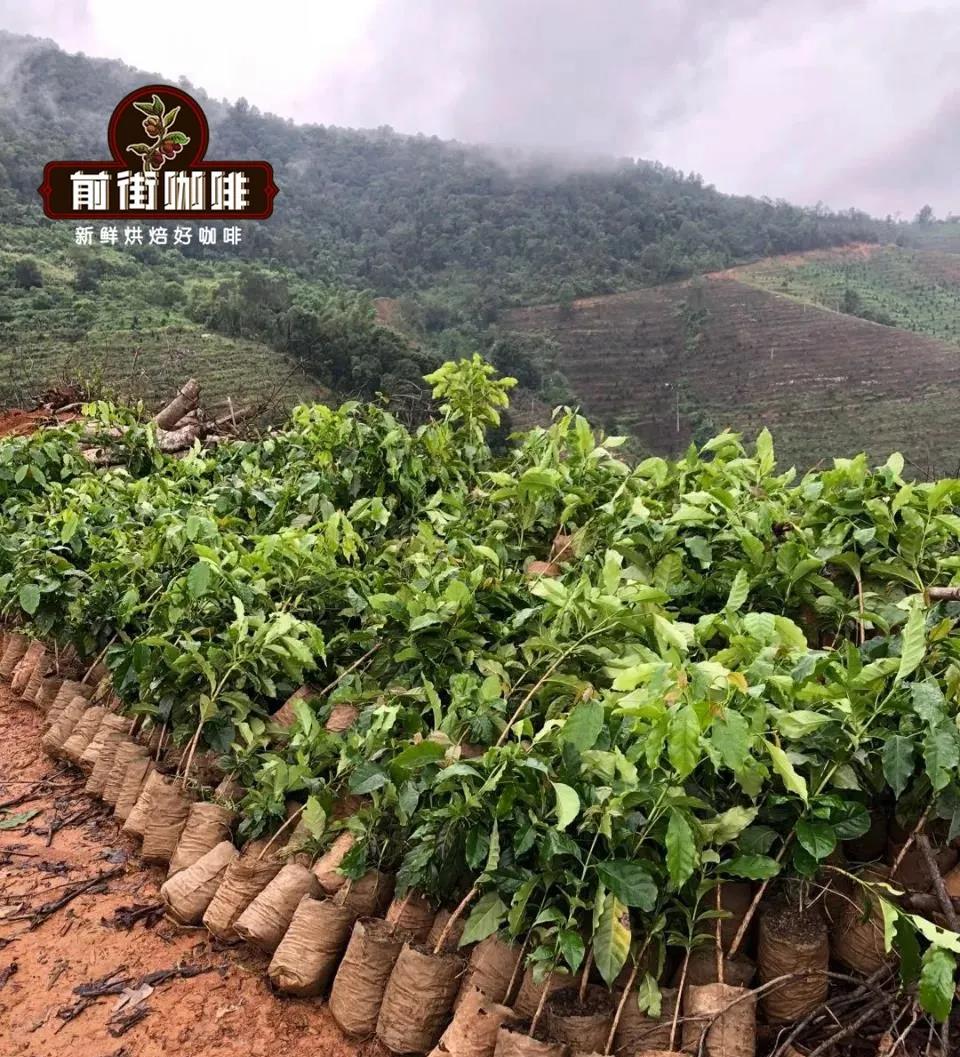
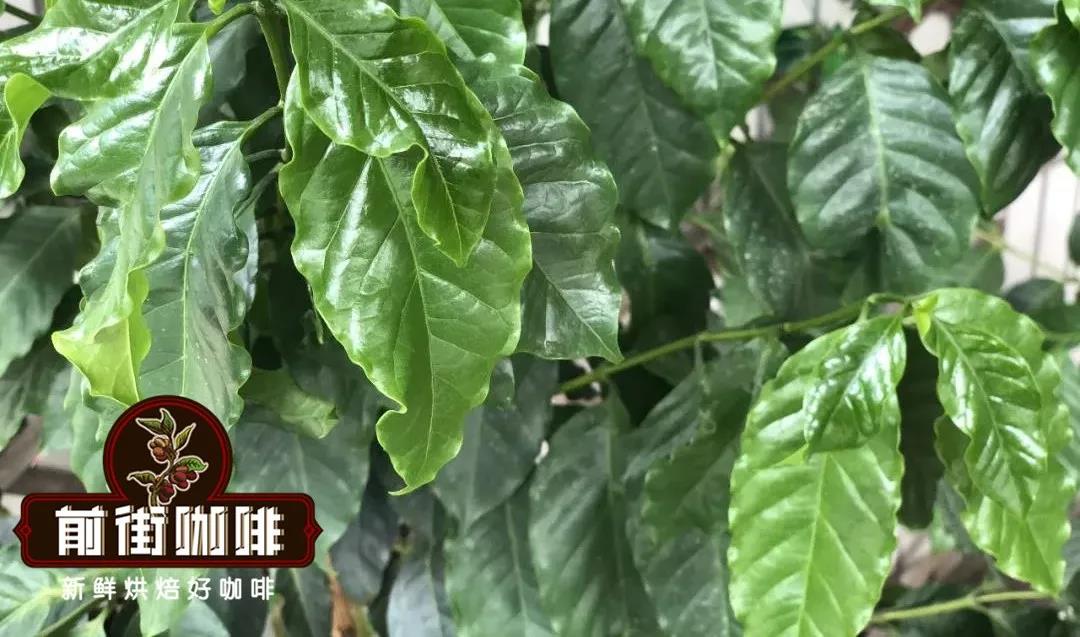
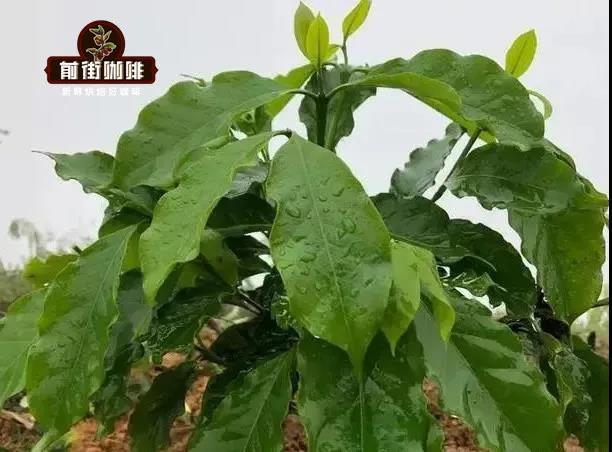
The coffee seedlings chosen by FrontStreet Coffee are Typica, characterized by their bronze-colored new leaves. Typica yields are very low, only one-third of Catimor's yield, which explains why it commands a higher price. Meanwhile, Typica and Bourbon are also very susceptible to leaf rust disease, which is one of the reasons farmers are reluctant to grow Arabica varieties.
Typica Variety Brief Introduction
Typica has distinct characteristics and is perhaps the most easily recognizable variety. The plants display a conical shape with a main vertical trunk that can reach up to 5 meters in height. This height means that, compared to other varieties, Typica has greater distances between branches as well as between nodes on the same branch.
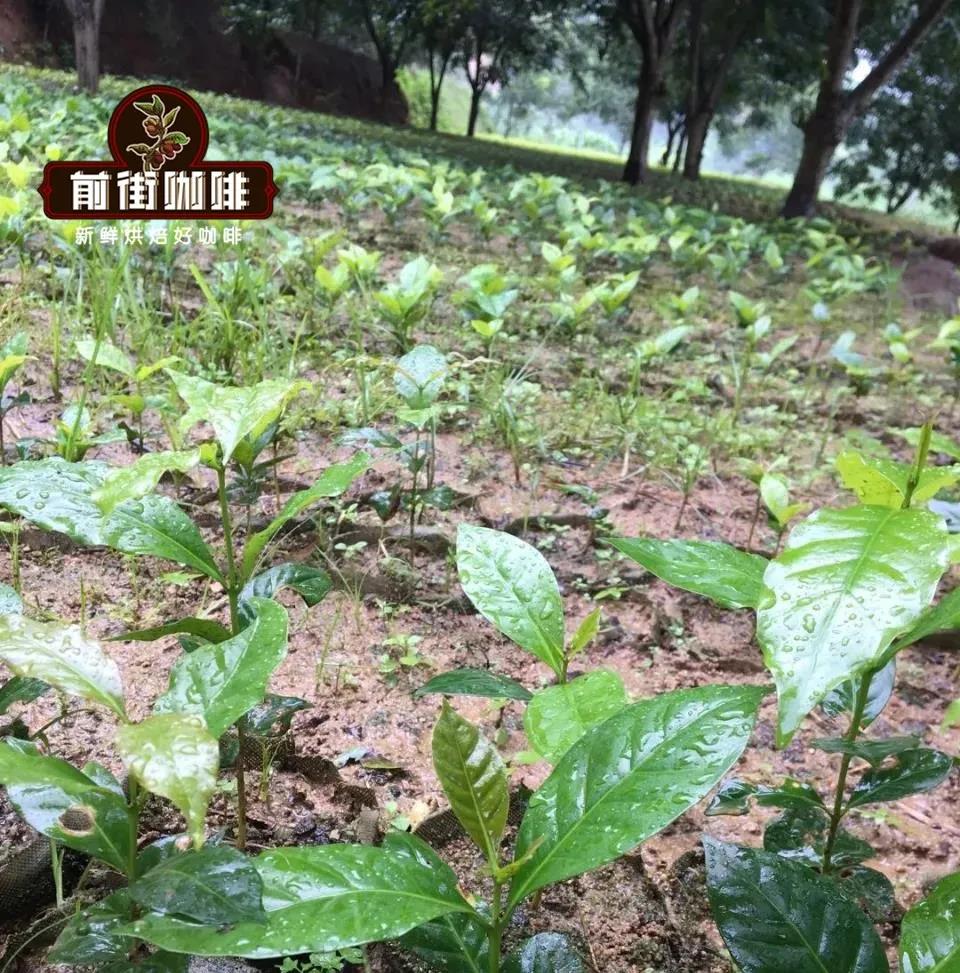
The side branches form angles of 50 to 80 degrees with the vertical trunk. The trunk and branches are not very robust. The leaves, fruits, and green beans are typically elongated, with bronze-colored tips on young leaf buds. Compared to other Arabica varieties, Typica leaves have smoother surfaces and fewer wavy edges. Typical Typica fruits turn bright red when ripe.
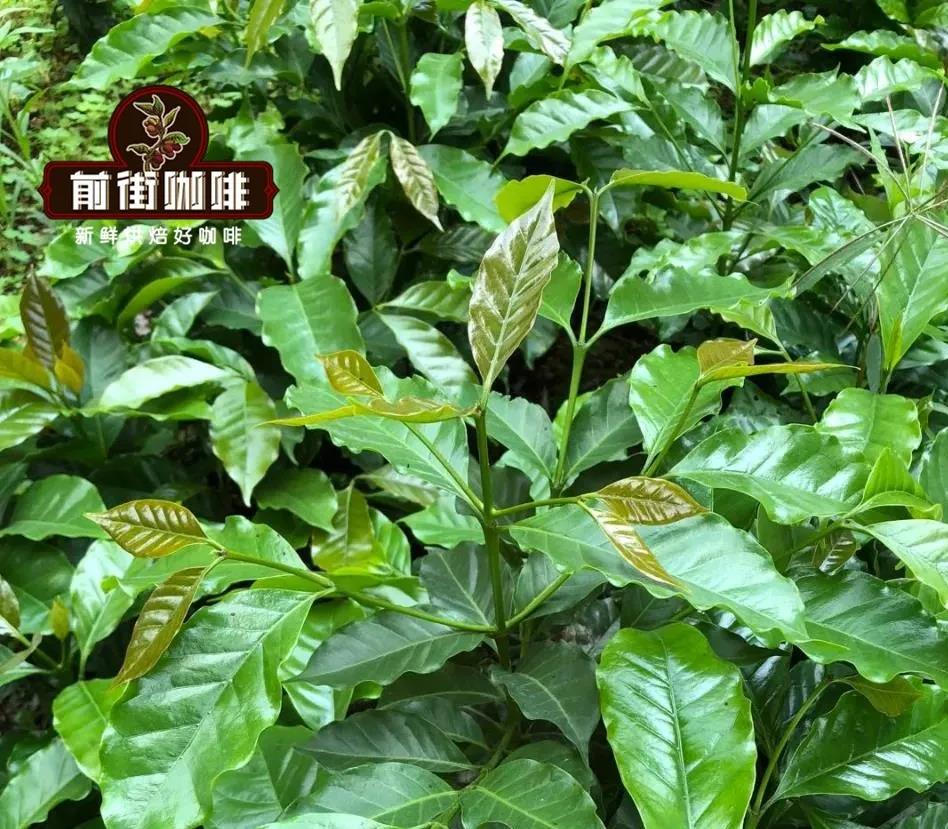
One characteristic of Typica is its bronze-colored top leaves. The beans are larger, with a pointed oval or slender pointed shape, leading some to call it "red-topped coffee." Typica coffee has its unique subtle and clean flavor profile, as well as balanced characteristics, with high cup cleanliness. However, its shortcomings include insufficient yield, requirements for altitude, susceptibility to leaf rust disease, and weak resistance to pests and diseases.
Yunnan Coffee Growing Regions
Coffee cultivation in Yunnan is mainly distributed in Lincang, Baoshan, and Pu'er. These areas have natural resources of low latitude, high altitude (1000-2000m), and large day-night temperature differences, making Yunnan a golden cultivation area for producing high-quality Arabica coffee beans.
Pu'er: Pu'er coffee has a history of over a hundred years, with cultivation beginning in the late 19th century and industrial development starting in 1988. Today, the city's coffee cultivation area reaches 767,000 mu, making it the mainland's largest cultivation area, highest production, and best-quality main coffee-producing region and coffee trade distribution center.
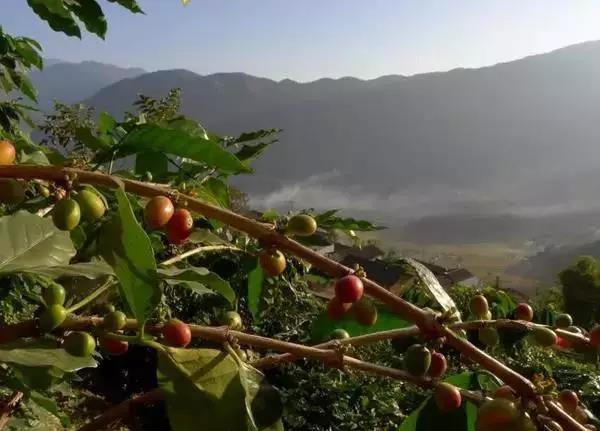
Lincang: Located in southwestern Yunnan Province, with the Tropic of Cancer crossing through its southern part. It borders Pu'er to the east, Dali to the north, Baoshan to the west, and Myanmar to the southwest. Named for its proximity to the Lancang River, it is a brilliant pearl on the southwestern border of the country. Lincang has an average annual temperature between 16.8 and 17.2 degrees Celsius, with distinct dry and wet seasons and sufficient sunlight.
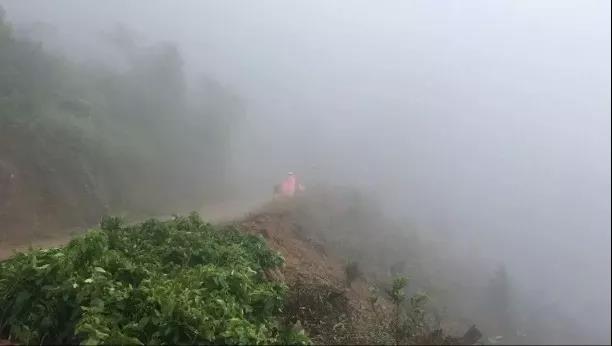
Baoshan: Baoshan has an average temperature of 21.5 degrees Celsius, with highs reaching 40.4 degrees Celsius, and is basically frost-free year-round, making it a recognized best-producing area for small-bean coffee. The small-bean coffee cultivated here is famous at home and abroad for being strong but not bitter, fragrant but not intense, with small and uniformly shaped beans, rich mellow aroma, and fruity notes. Yunnan Baoshan small-bean coffee has a long cultivation history and can be considered a national geographical indication product. FrontStreet Coffee's Yunnan coffee cultivation area is also located here.
Traditional Washed Processing Method for Yunnan Coffee
When FrontStreet Coffee visited Yunnan's growing regions during the planting season, we truly experienced what a rainy season means. Clear for a few minutes, then raining for half an hour. Due to the perennial rainy season and unstable climate, most Yunnan coffee beans are processed using the washed method.
The harvested berries have most of their pulp separated from the coffee beans using a depulper. The parchment beans are then guided to a clean water tank and soaked in water for fermentation to completely remove the remaining pulp layer. In the past (about five years ago), the washed method was often the preferred processing method for quality coffee beans.
Through water processing, unripe and defective beans are selected out due to buoyancy, and the fermentation process is easier to control. Therefore, unlike natural-processed beans which may have off-flavors, washed coffee presents distinct fruit acidity, slightly stronger complexity, and cleaner cup characteristics (no negative flavors like astringency or sharpness).
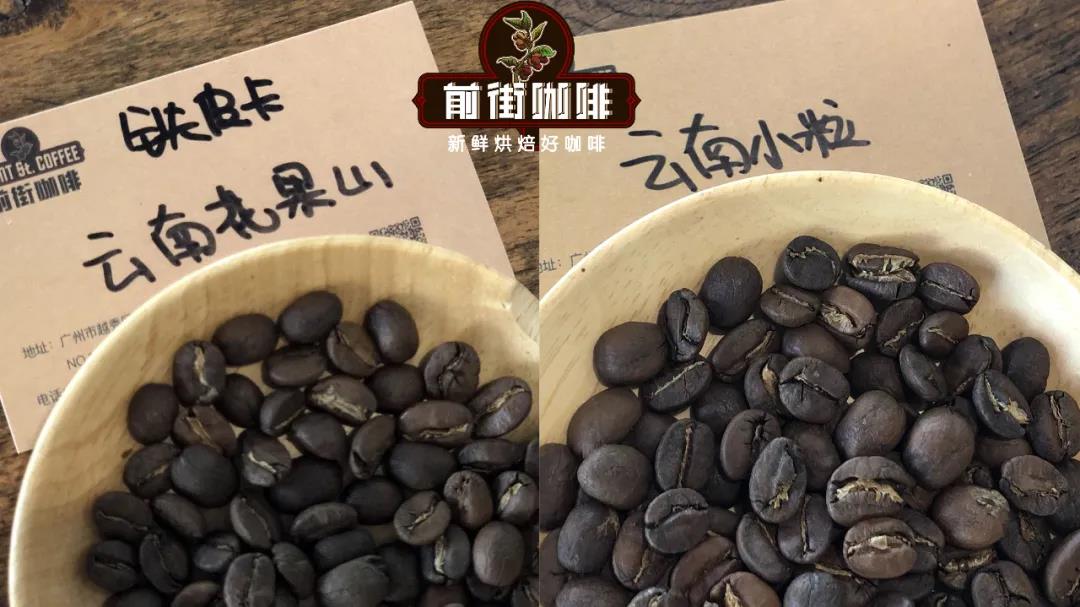
At FrontStreet Coffee, you can find two Yunnan coffee bean varieties: one is washed Typica, and the other is Catimor coffee beans. Yunnan Typica is labeled as Yunnan specialty coffee, while Yunnan Catimor coffee beans are accordingly labeled as Yunnan small-bean coffee according to market customs. FrontStreet Coffee roasts both of these Yunnan coffees to a medium roast, because Yunnan is not an acidic region, and the coffee bean flavors are relatively balanced, with base notes of nuts and brown sugar.
FrontStreet Coffee Roasting Insights
Yunnan Small-bean Coffee: Yangjia 800N (300g batch): Enter drum at 190 degrees Celsius, heat at 120, damper at 3; return to temperature at 1'40", open damper to 4 when temperature reaches 145 degrees Celsius, heat unchanged; when temperature reaches 166 degrees Celsius, bean surface turns yellow, grassy smell completely disappears, entering the dehydration stage. When temperature reaches 188 degrees Celsius, adjust heat to 60, damper to 5; at 8'37", bean surface shows ugly wrinkles and black markings, toast smell clearly transitions to coffee aroma, which can be defined as the prelude to first crack. At this time, listen carefully for the sound of first crack, which begins at 9'00". Keep damper unchanged, develop for 3 minutes after first crack, discharge at 198 degrees Celsius.
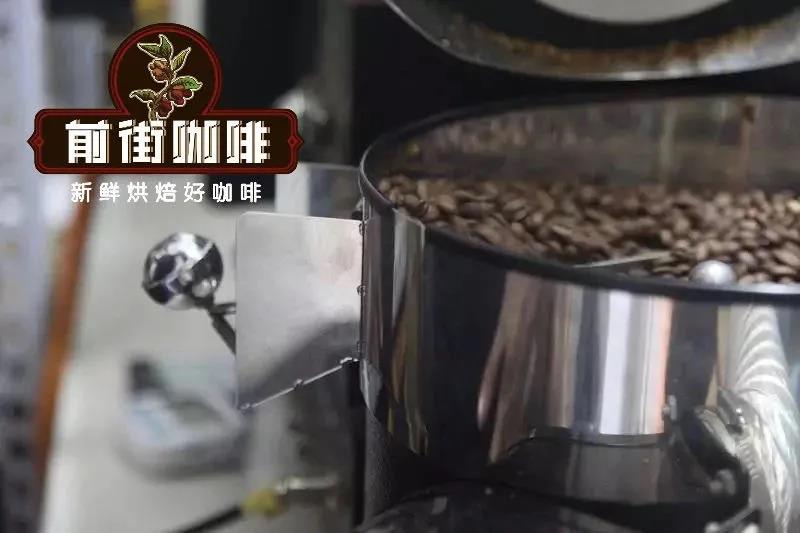
Yunnan Huaguoshan: Yangjia 800N (300g batch): Enter drum at 200 degrees Celsius, damper at 3, adjust heat to 160 after 1 minute, return to temperature at 1'32", roast until 5'40" when yellowing, temperature at 149 degrees Celsius, grassy smell completely disappears, dehydration complete, heat unchanged, damper to 4; at 6 minutes, adjust heat to 140, at 7 minutes, adjust heat to 120 again, at 8 minutes, bean surface shows ugly wrinkles and black markings, toast smell clearly transitions to coffee aroma, which can be defined as the prelude to first crack. At this time, listen carefully for the sound of first crack, which begins at 8'37". Adjust heat to 90, damper fully open to 5, at 9 minutes adjust heat to 20, develop for 2'00" after first crack, discharge at 196 degrees Celsius.
FrontStreet Coffee Cupping Reports
FrontStreet Coffee conducts cupping within 8-24 hours after roasting sample coffee beans. FrontStreet Coffee's baristas typically use 200ml ceramic cupping bowls marked with 150ml and 200ml measurement lines, using SCAA standards. Water TDS is around 150ppm - too low TDS can easily cause over-extraction, while too high TDS affects mouthfeel and easily leads to under-extraction. Cupping water temperature is 94 degrees Celsius. Cupping grind size follows SCAA cupping standards, controlled to 70%-75% pass-through rate on a #20 standard sieve (0.85mm). Ratio: 11g coffee powder to 200ml hot water, i.e., 1:18.18, so the extracted concentration falls within the 1.15%-1.35% golden cup range. Steeping time: 4 minutes.
Yunnan Huaguoshan Coffee Bean Cupping: Rich fruit aroma upon entry, melon, plant herbal notes, smooth entry, nuts and milk chocolate in the mid-section, lively and bright plum acidity in the finish, salivation on both cheeks, good balance, medium body, full body. From hot to warm temperature, you can feel the layers of sweet and sour - sweet first then sour, with apricot-peach and citrus-toned acidity, red tea aftertaste, with some brown sugar notes.
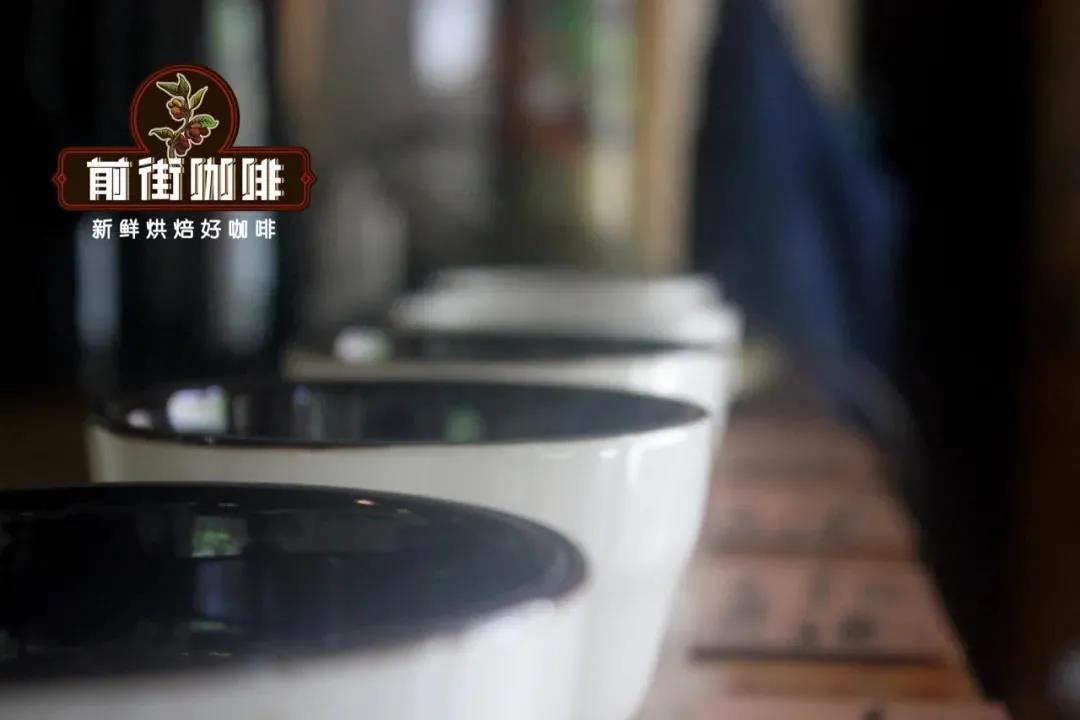
Yunnan Small-bean Coffee Cupping: Smooth entry, Asian herbal plant aroma, lively and bright acidity, salivation on both cheeks, soft and mellow with good balance, rich layers, aftertaste of dark chocolate, honey, and noticeable cane sugar flavors. After completely cooling, brown sugar flavors emerge.
FrontStreet Coffee Brewing Tips
When FrontStreet Coffee recommends brewing these two washed Yunnan coffees, we tend toward balance - neither overly emphasizing acidity nor excessively modifying the finish. Choose 15g of coffee powder, recommended powder-to-water ratio of 1:15, or 1:16 if you want clearer flavors. Choose a Kono dripper, 88 degrees Celsius brewing water temperature to make the acidity softer, and medium-fine grind at fine-sugar size (80% pass-through rate on #20 sieve).
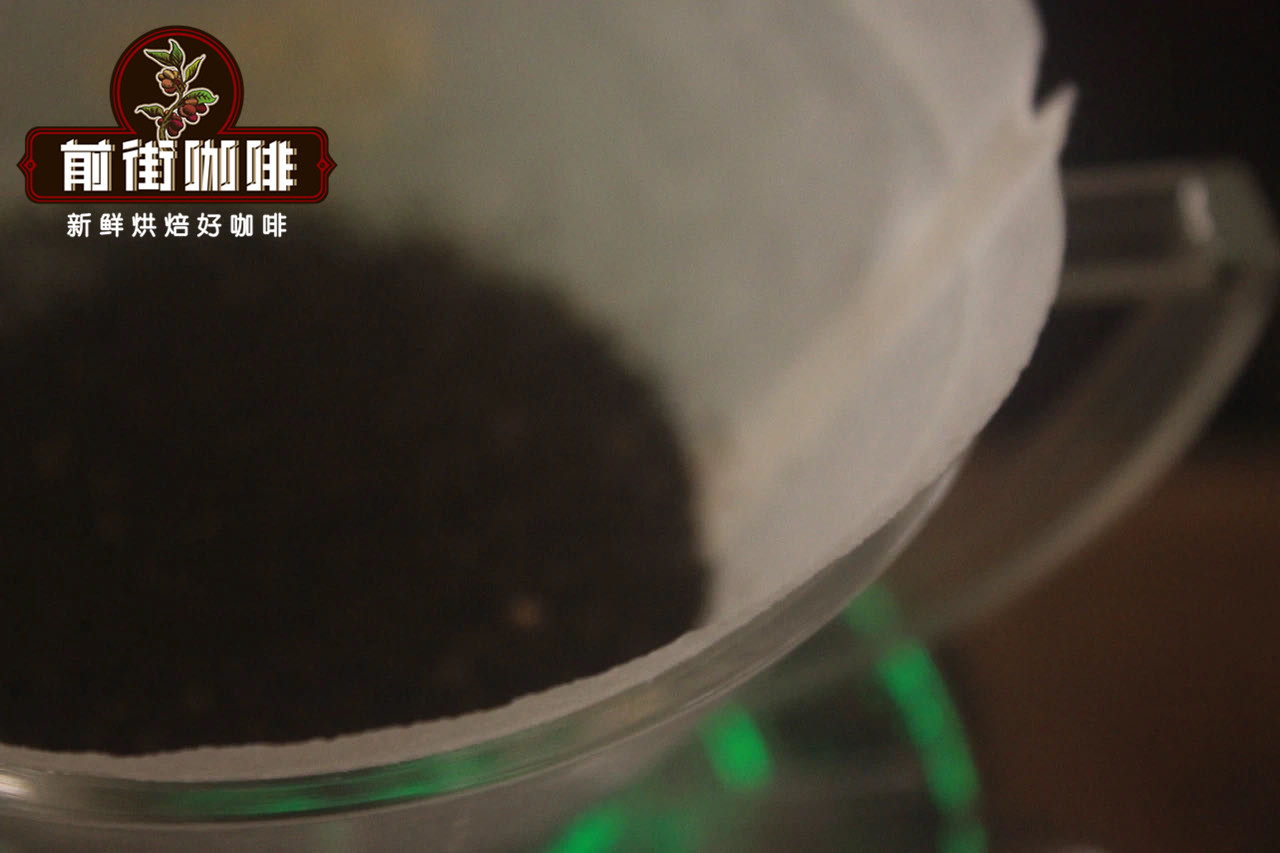
FrontStreet Coffee's segmented brewing method: Use 30g of water for a 30-second bloom, continue pouring in small circles to 125g for segmentation, when the water level drops and is about to expose the coffee bed, continue pouring to 225g and stop pouring. When the water level drops and is about to expose the coffee bed, remove the dripper (timing starts from the bloom), extraction time is 2'00".
Through this brewing method, for Huaguoshan Typica coffee beans, you can taste distinct roasted nuts, soft acidity, overall balance and richness, solid dark chocolate aroma, and slight orange peel notes. For small-bean Catimor coffee, you can taste nutty aroma, herbal notes, chocolate, caramel, with an aftertaste that has a light fruit acidity.
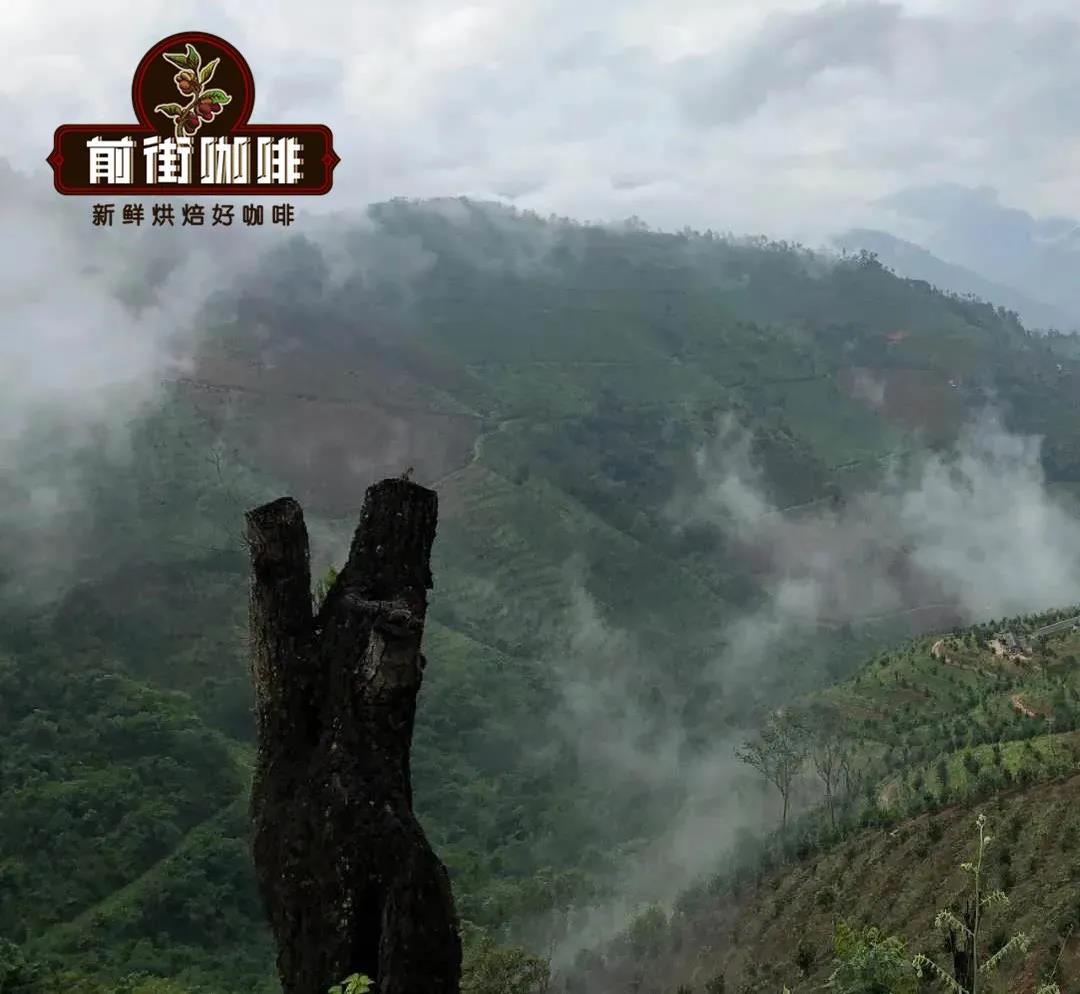
Drinking coffee, closing your eyes, you can imagine that the place where Yunnan coffee is grown is a misty, rarely visited high mountain. Perhaps this is FrontStreet Coffee's "distant mountain forest" flavor.
FrontStreet Coffee Recommendation
For a first taste of Yunnan, FrontStreet Coffee's Yunnan Small-Bean from Baoshan is the ideal starting point. "Small-bean coffee" is simply another name for Arabica, whose cherries are the smallest of the three original coffee species; the story traces back to 1904, when the French missionary Tian Deneng brought Typica seeds from Vietnam into Yunnan and planted the first coffee tree in Zhugula Village, Binchuan County. FrontStreet's Baoshan small-bean coffee is washed and roasted medium, presenting gentle nut and chocolate sweetness with a light plum acidity at an approachable price - the perfect introduction to Yunnan's terroir.
If you want a clearer expression of the region, step up to FrontStreet's 2013 Yunnan Natural Typica. FrontStreet established its own estate in 2013 and planted Typica - one of the oldest and purest Arabica varieties - hoping to recapture Yunnan's original regional flavors. Using only fully ripe red cherries and the most traditional natural processing, then a medium roast for balance, it shows dark berry tones, caramel sweetness, chocolate, a hint of dried apricot, and a black-tea finish.
For Yunnan character in espresso, try FrontStreet's Black Cocoa Blend, which combines Yunnan small-bean with Brazil Cerrado: the Brazilian component contributes mixed nut aromas and a balanced body, while the Yunnan brings chocolate and citrus. The resulting Americano balances sweetness, acidity, and bitterness with nutty, brown-sugar notes, and the latte offers a smooth almond-and-cream texture - very friendly for beginners.
Important Notice :
FrontStreet Coffee is a long-established specialty coffee roaster in Guangzhou China, selling freshly roasted beans from its own farm in Yunnan as well as dozens of carefully selected single-origin beans from around the world for both pour-over and espresso. The products deliver consistently excellent quality and great value, with shipping within 24 hours. Guangzhou's FrontStreet Coffee shop is recommended by many coffee lovers, and the beans are now available online at the Tmall 。
FrontStreet Coffee has moved to a new address:
FrontStreet Coffee Address: 315,Donghua East Road,GuangZhou
Tel:020 38364473
 Scan and follow the En Gafei WeChat official account. Please indicate that the reprint comes from "En Gafei".