Blue Mountain Coffee's First Natural Process - A True Novelty? The Difference Between Natural and Washed Blue Mountain Coffee
FrontStreet Coffee Blue Mountain Coffee
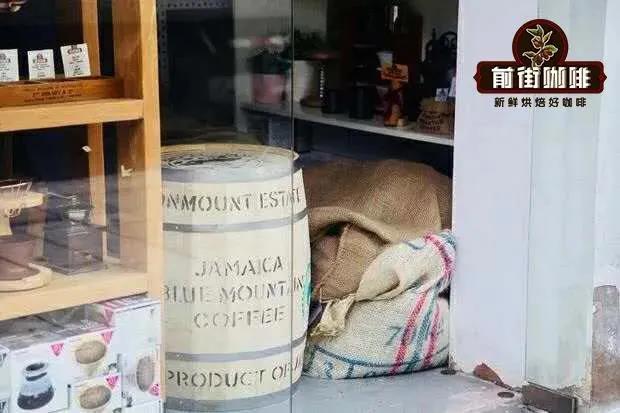
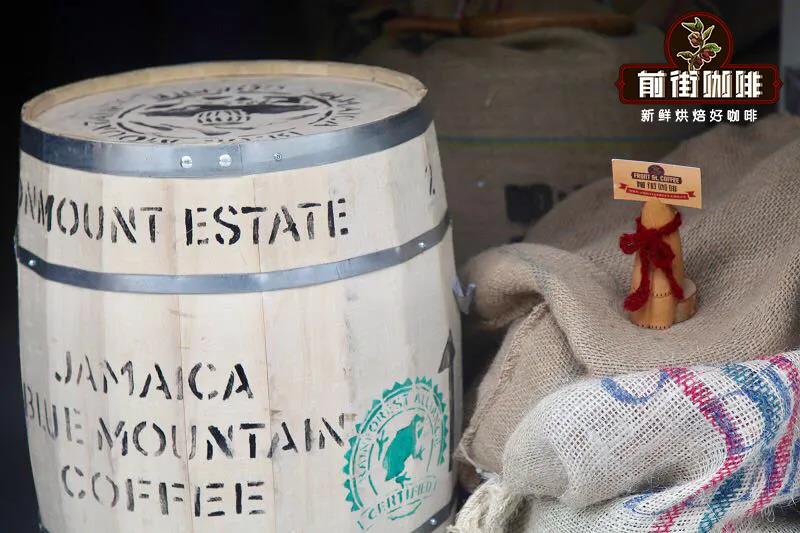
FrontStreet Coffee's Blue Mountain offers a perfectly balanced flavor of sweet, sour, and bitter notes accompanied by a captivating coffee aroma. This has cultivated a romantic appreciation among coffee connoisseurs for FrontStreet Coffee's Jamaican Blue Mountain coffee beans, and FrontStreet Coffee is one such enthusiast. In recent years, Blue Mountain coffee has been misrepresented by market promotions of so-called Blue Mountain flavored coffee and Blue Mountain coffee beverages, misleading countless people about the true nature of Blue Mountain coffee. Indeed, authentic FrontStreet Coffee Blue Mountain beans have limited production and are expensive, and only a small minority have actually tasted the genuine article. To let more people experience authentic FrontStreet Coffee Blue Mountain, FrontStreet Coffee has specially selected two batches of Blue Mountain No. 1 coffee beans from the historically significant Clifton Mount Estate, exported by the company designated by the National Coffee Board, packaged in wooden barrels for the green beans, and rainforest certified.
The Scarcity of Blue Mountain Coffee
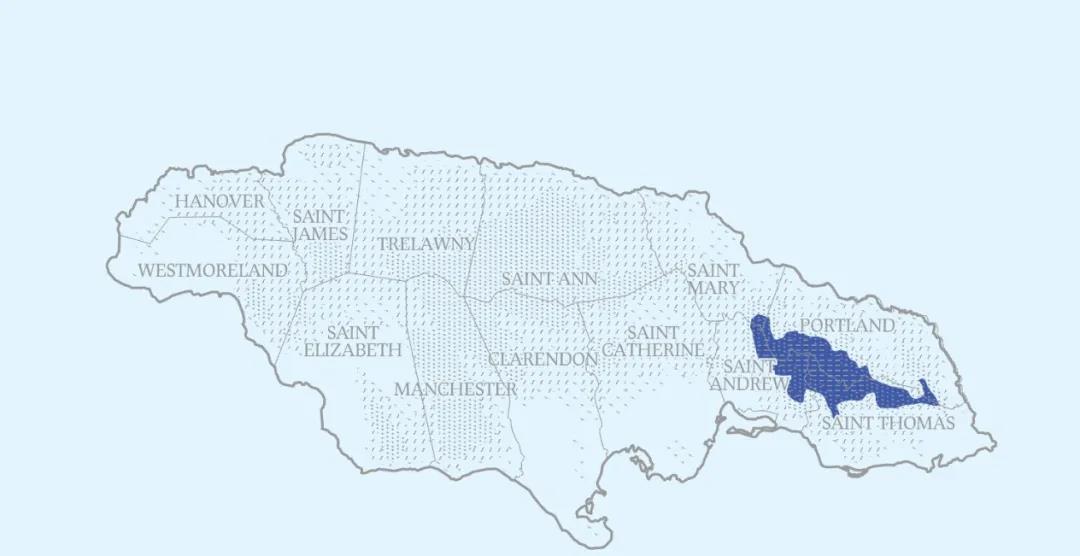
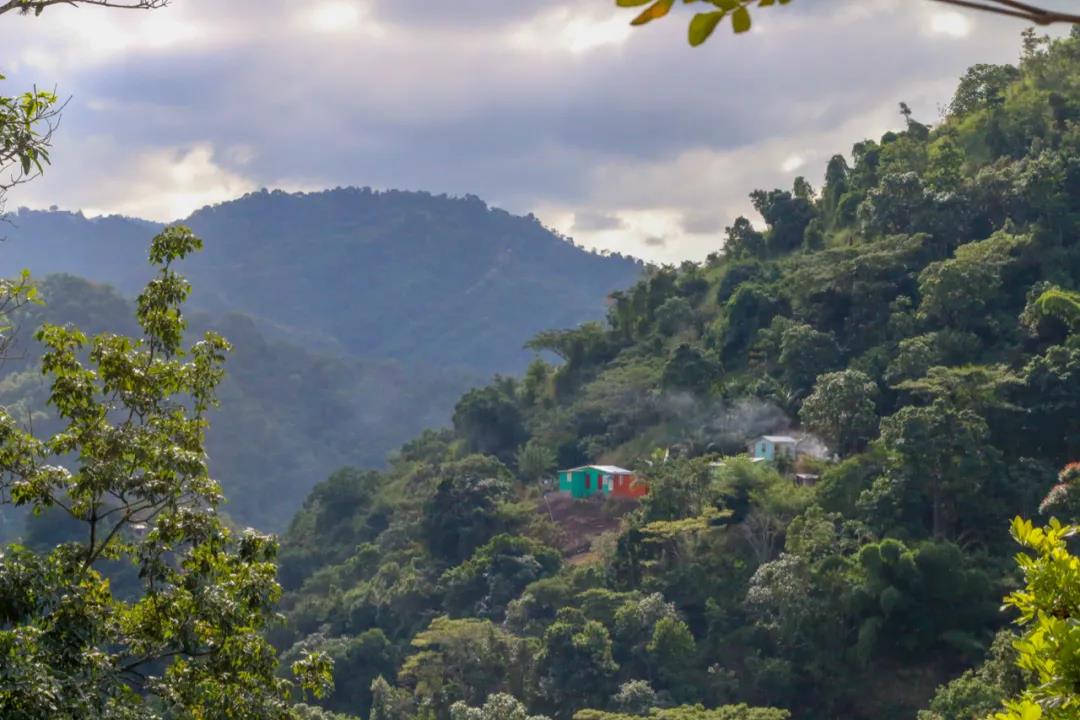
As mentioned, authentic FrontStreet Coffee Blue Mountain beans have limited production because Blue Mountain coffee must be grown in specific cultivation regions. These regions are located in eastern Jamaica, and only coffee grown within the four administrative districts of St. Andrew, St. Thomas, St. Mary, and Portland, at altitudes between 1000-1700m, can bear the official Blue Mountain certification mark.
Jamaica's total annual coffee production stays at 1200-2400 tons, with Blue Mountain accounting for only about 40% of that. This production ratio is one reason for the high price of Blue Mountain beans. Are there other factors behind the high price in China? Yes, another reason is Japan's priority purchasing rights for Blue Mountain beans before 2009, which monopolized over 80% of the crop.
Japan's Historical Priority Purchasing Rights
Why did Japan have priority purchasing rights before 2009?
In 1950 the Jamaican government established the Jamaican Coffee Industry Board. The board sets quality standards for Jamaican coffee and supervises their implementation to ensure quality. It grants special official seals to both green and roasted coffee exported from Jamaica. Due to Japanese loans that improved production quality, market access was guaranteed. It wasn't until 2009 that Jamaica ended Japan's priority purchasing rights, and in April 2011 the first batch of Blue Mountain No. 1 coffee arrived in mainland China.
Why Blue Mountain Coffee Remains Expensive
Since the Jamaican government ended Japan's priority purchasing rights, why are Blue Mountain beans still so expensive?
Starting in 2008, Jamaican coffee growing regions suffered from fruit flies, droughts, and typhoons, causing production to decline. In 2012 leaf rust severely impacted Jamaica's premium Blue Mountain regions. And if you thought that was the end, misfortune wasn't over: in 2015 Jamaican coffee regions were hit by forest fires. It will likely take several years for Blue Mountain coffee to recover its former glory. Before these misfortunes Jamaica's coffee production reached 2400 tons, with a peak of 3240 tons in 1997. After the disasters, production can only be maintained between 1200-2400 tons, which means Blue Mountain production is only about 300-600 tons.
Blue Mountain Coffee Growing Region
The Blue Mountains are located in eastern Jamaica, at elevations of 1000-1700m. Only Blue Mountain coffee grown in this specific region is considered authentic. The mountains are surrounded by the Caribbean Sea, and on clear days when sunlight hits the azure surface, the peaks reflect the brilliant blue light of the water, hence the name. Blue Mountain sits in the coffee growing belt, with fertile volcanic soil, fresh air free from pollution, a humid climate, and year-round fog and rainfall (average precipitation of 1980mm, temperature around 27°C). Such conditions have created the world-renowned Jamaican Blue Mountain coffee.
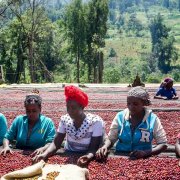
Here, people use mixed cultivation methods, planting coffee trees alongside banana and avocado trees on terraced fields. The mountainous terrain is rugged and uneven, with all coffee trees planted on steep slopes, making harvesting extremely difficult. Only experienced local female workers can do the job properly. It is also crucial to select appropriately ripe cherries during harvesting, since underripe or overripe beans affect quality.
Clifton Mount Estate
FrontStreet Coffee's current Blue Mountain offerings come from Clifton Mount Estate, which began planting and producing coffee as early as the mid-18th century, around 1750. Its cultivation and processing areas sit at an average altitude of 4300 feet (1310.64 meters), with sufficient elevation, gentle afternoon clouds surrounding the mountain forests for shade, ample sunlight, and mineral-rich soil. These conditions give the coffee trees excellent growing conditions and extend the maturation period of the cherries.
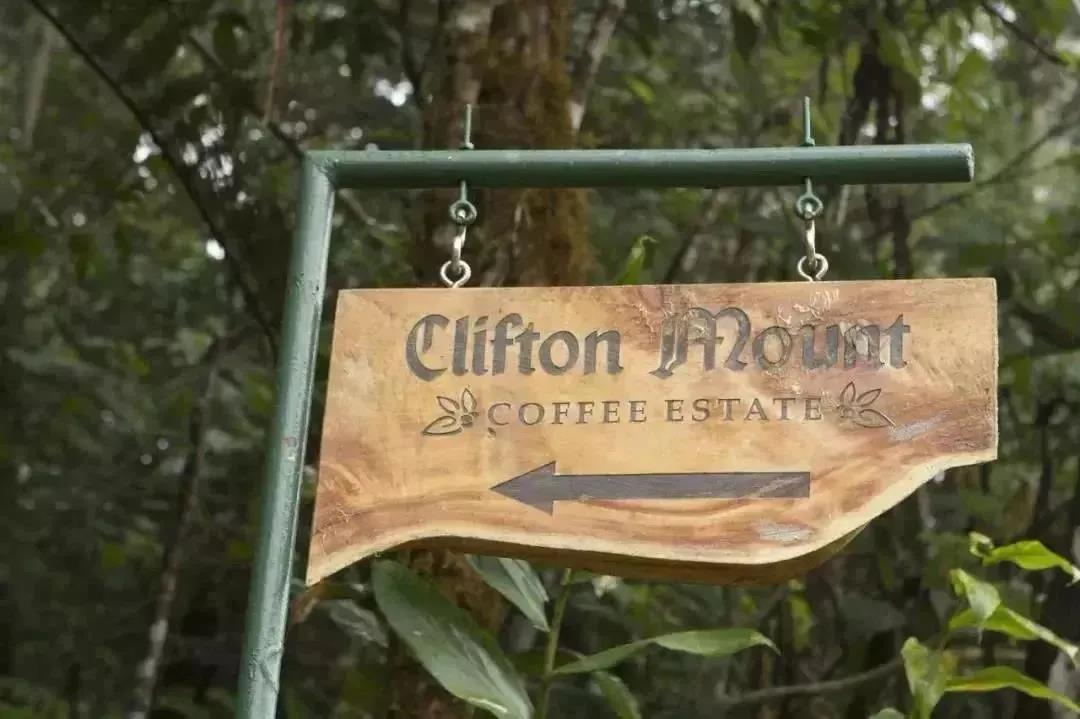
Clifton Mount Estate is also the only estate in the Blue Mountain growing region with Rainforest Alliance certification. Rainforest Alliance certification means traditional cultivation using native forest tree shade, which helps protect the ecosystem. Part of the alliance's revenue also goes to wildlife protection in tropical rainforest conservation areas and to improving workers' living conditions.
Blue Mountain Coffee Varieties
Typica
Blue Mountain's Typica variety was transplanted from Martinique to Jamaica's Blue Mountains in the 1720s. After over 200 years, Blue Mountain Typica has evolved better disease resistance, particularly against coffee berry disease, than regular Typica. However, when grown outside Jamaica, Blue Mountain Typica cannot replicate its clean sweetness and subtle fragrance.
Typica has bronze-colored young leaves, oval or slender-pointed beans, and a tall tree structure with branches set at slightly inclined 50-70 degree angles. It offers elegant flavor but has a weak constitution and poor disease resistance, with very low fruit yield per tree.
Blue Mountain Coffee Export Standards
According to CIB regulations, only Blue Mountain coffee beans produced above 2200 feet in Jamaica's Blue Mountain region can be called Jamaican Blue Mountain. Grades are classified by bean size into No. 1, No. 2, No. 3, and hand-selected PB (Peaberry). The basic standards for No. 1 Blue Mountain green beans include beans above 17 mesh, a defect rate below 3%, moisture content around 13%, and so on. Currently the Jamaican Coffee Board can issue certificates for all exported Blue Mountain coffee.
Blue Mountain Grade Classifications
What are Blue Mountain No. 1, No. 2, No. 3, and hand-selected PB?
Blue Mountain No. 1: 96% of coffee beans must be screen size 17/18, with no more than 2% defective beans.
Blue Mountain No. 2: 96% of coffee beans must be screen size 16, with no more than 2% defective beans.
Blue Mountain No. 3: 96% of coffee beans must be screen size 15, with no more than 2% defective beans.
Blue Mountain Peaberry: 96% of coffee beans must be single round beans of screen size 10, with no more than 2% defective beans.
Blue Mountain Coffee Processing Methods
Before 2019, FrontStreet Coffee's Blue Mountain from Clifton Mount Estate was processed using the washed method. During processing the skin and pulp are first removed, then the beans are fermented for 12-18 hours. The fermented beans are placed in pools and moved back and forth, using the friction between the beans and the power of flowing water to wash them until smooth and clean. After washing, the beans are still enclosed in parchment at 50% moisture content and must be sun-dried down to 12-14%, otherwise they will continue to ferment, mold, and spoil. The beans are then sorted and stored in dedicated warehouses.
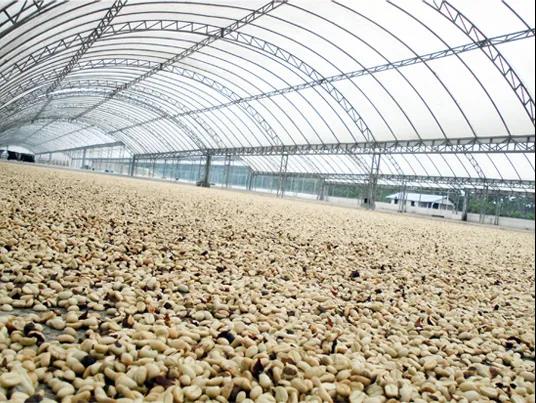
In the 2020 harvest season, Clifton Mount Estate launched Blue Mountain coffee processed using the natural method for the first time, which was quite innovative. Jamaica has a tropical rainforest climate, with rainy seasons from May to June and September to November each year, and the most rainfall in January and May. The harvest and processing season for Jamaican Blue Mountain coffee runs from February to June each year, overlapping with the rainy season for half of that time, making natural processing clearly impractical. Traditional natural processing also yields unstable quality, entirely dependent on weather conditions. To achieve high-quality natural processing, labor costs are higher than washed methods. When cherries are dried on patios they need to be turned by hand every few hours to maintain ventilation, reduce mold growth, and ensure even drying. Such laborious and unrewarding processing was particularly difficult to implement in Jamaica at the time.
FrontStreet Coffee has introduced a natural-processed FrontStreet Coffee Blue Mountain (also certified and exported by the Jamaican Coffee Board). The production of this natural FrontStreet Coffee Blue Mountain was quite challenging. Previously, FrontStreet Coffee Blue Mountain had always insisted on using only washed processing, because washing ensures the most essential expression of the Blue Mountain flavor. Changing the processing method would definitely alter its flavor structure. Of course, Blue Mountain coffee using natural processing also follows market development demands.
FrontStreet Coffee Blue Mountain Green Bean Comparison
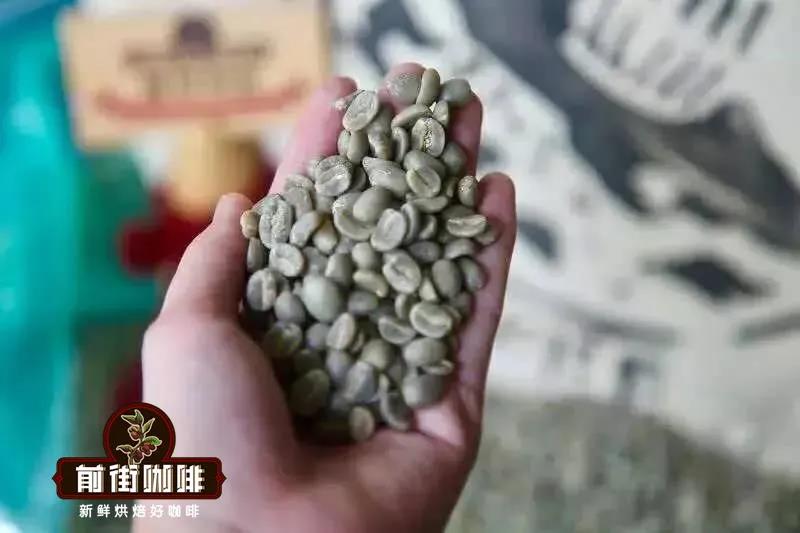
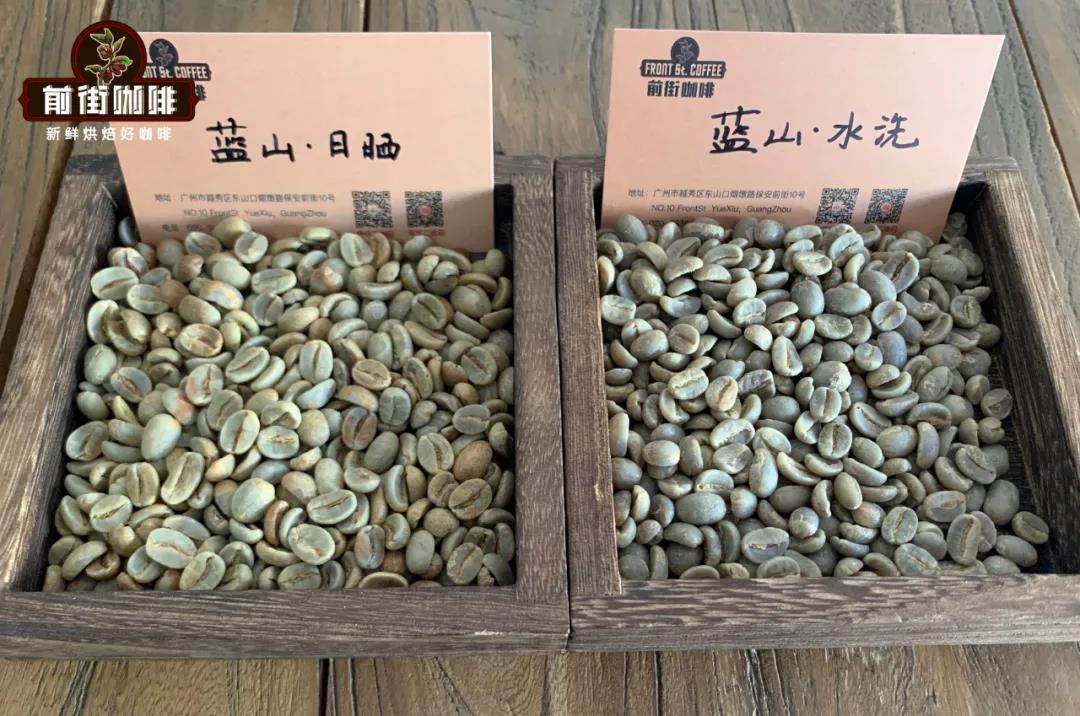
First, observe the green beans. Whether natural or washed, the beans are very full, with uniform size, slightly pointed at both ends, and oval in shape. Viewed from the side, the beans are flat and thin, characteristic of the pure-bred Typica variety.
FrontStreet Coffee Roasting Recommendations
FrontStreet Coffee Washed Blue Mountain: preheat the roaster to 170°C, set the air damper to 3. After 1 minute, reduce the heat to 140°C, keeping the damper unchanged. Roast until 5'10'' at 153°C, when the beans turn yellow and the grassy aroma completely disappears, meaning dehydration is complete. Adjust the heat to 115°C and the damper to 4. At 8'00'', ugly wrinkles and black spots appear on the bean surface and the toast aroma distinctly changes to coffee aroma, which can be defined as the prelude to first crack. Listen carefully for first crack sounds. At 8'12'' first crack begins; reduce the heat to 90°C and fully open the damper, adjusting the heat very carefully so as not to go so low that the crack sounds disappear. Discharge at 201.3°C.
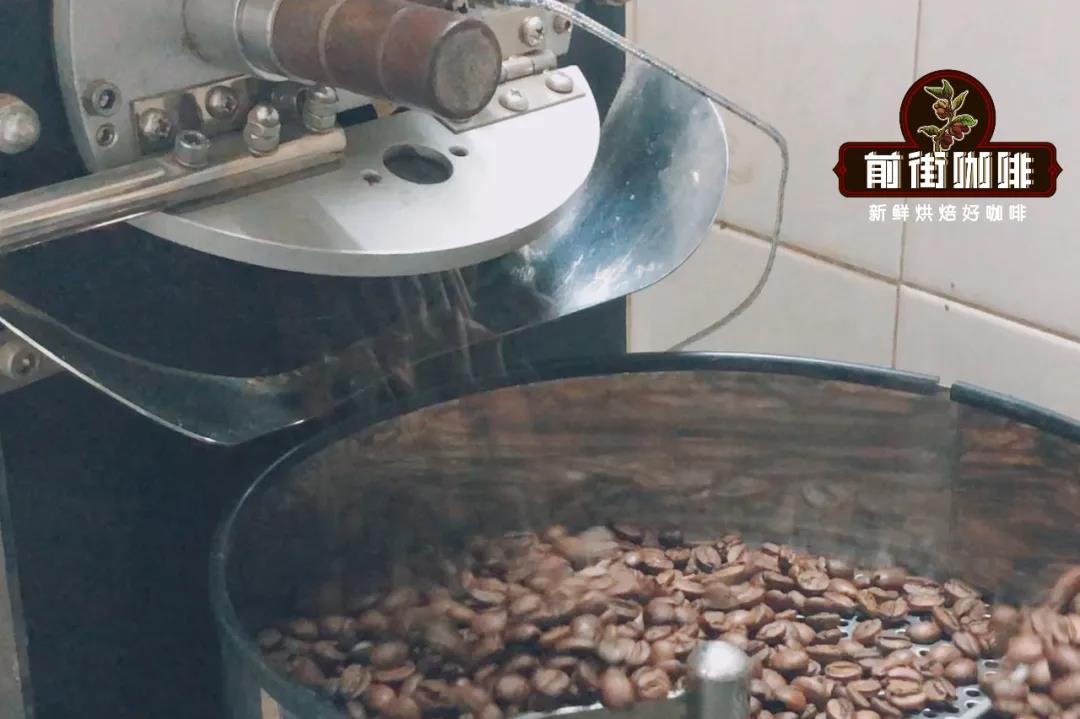
FrontStreet Coffee Natural Blue Mountain: preheat the roaster to 165°C, set the heat to 130 and the damper to 3. The temperature returns at 1'32'', when the roaster reaches 95.8°C; keep the heat unchanged. At 3 minutes, adjust the damper to 4. At 4 minutes, increase the heat to 140. At 6'30'', the bean surface turns yellow and the grassy aroma completely disappears, entering the dehydration stage. At 8'36'', ugly wrinkles and black spots appear on the bean surface and the toast aroma distinctly changes to coffee aroma, which can be defined as the prelude to first crack. Listen carefully for first crack sounds. At 10'06'' first crack begins; develop for 3 minutes after first crack, then discharge at 198.5°C.
FrontStreet Coffee Roasted Bean Comparison
The biggest difference between natural and washed beans is that the natural beans' silver skin comes off very cleanly, while washed beans retain light yellow silver skin at the center crease.
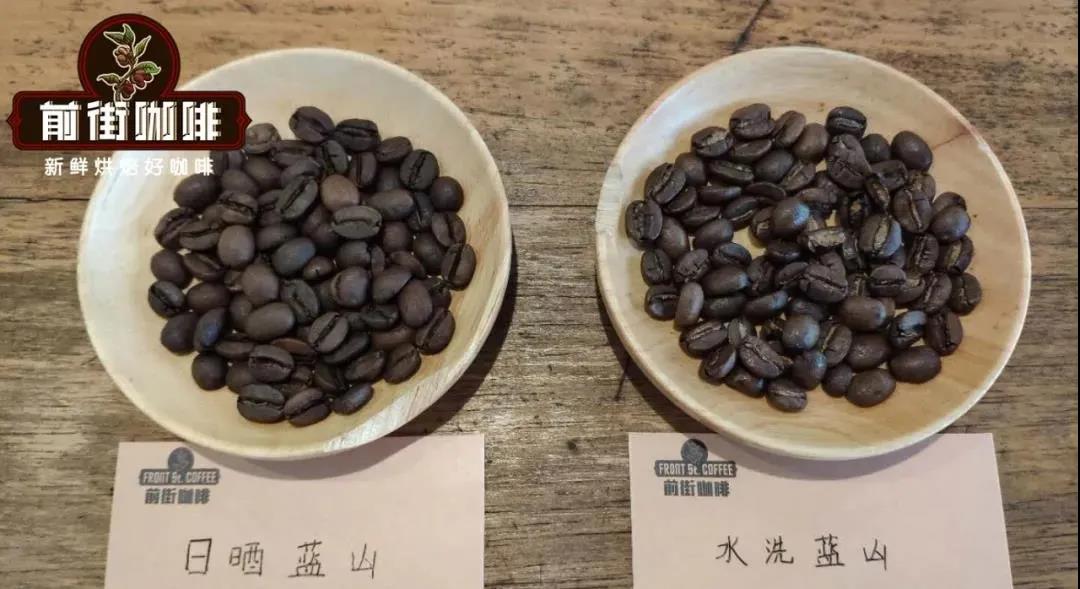
The reason is that during roasting, the silver skin at the center crease of coffee beans is the most difficult to remove. Natural beans have their outer silver skin connected in one piece, so it is easier to remove along with the center crease silver skin. The silver skin of washed beans attaches in fragments to the bean surface, and the silver skin in the center crease cannot easily detach.
FrontStreet Coffee Brewing Recommendations
Dripper: Kono dripper
Coffee amount: 15g
Coffee-to-water ratio: 1:15
Water temperature: 88-89°C
Grind size: Medium-coarse (75% pass rate through a #20 standard sieve)
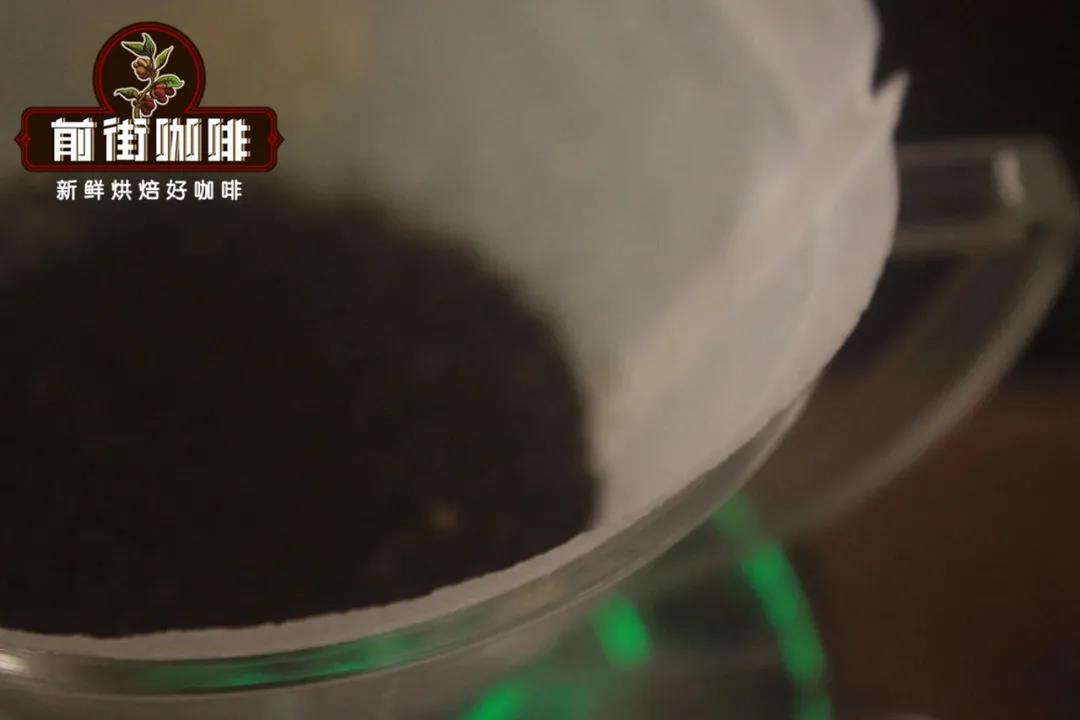
FrontStreet Coffee brewing method: first pour 30g of water for a 30-second bloom, then pour 95g more (the scale reads approximately 125g), completing in about 1 minute. When the water level drops to 2/3 of the coffee bed, pour the remaining 100g (the scale reads approximately 225g), completing in about 1'40''-1'45''. Drawdown completes at 2'05''-2'15''; remove the dripper to finish extraction.
FrontStreet Coffee Washed Blue Mountain: entry reveals dark chocolate and nut flavors, with high clarity, very bright acidity, good body, and balanced sweet, sour, and bitter notes.
FrontStreet Coffee Natural Blue Mountain: entry reveals brown sugar sweetness accompanied by berry acidity, with nut and cocoa flavors in the middle to finish, a creamy mouthfeel, rich and distinct layers, and a finish that brings out walnut aroma.
FrontStreet Coffee Recommendation
Authentic Blue Mountain does not have the fierce fruit acidity of some African coffees, nor the heavy bitterness of a dark roast; it strikes an excellent balance among acidity, sweetness, bitterness, and aroma. FrontStreet Coffee's Jamaica Blue Mountain No. 1 is the highest grade of Jamaican Blue Mountain, with strict standards for bean size, defect rate, and overall quality. It is sourced from the historic Clifton Mount Estate, where coffee has been grown and processed since around 1750, at an average altitude of 4300 feet (1310.64 meters), with gentle afternoon cloud cover, ample sunlight, and mineral-rich soil that provide excellent growing conditions and extend the cherries' maturation. Roasted medium-dark, it expresses Blue Mountain's classic balance: cup it and you taste nut, dark chocolate, and cream caramel unfolding layer by layer with a soft sweetness, coordinated across sweet, sour, bitter, and aromatic notes.
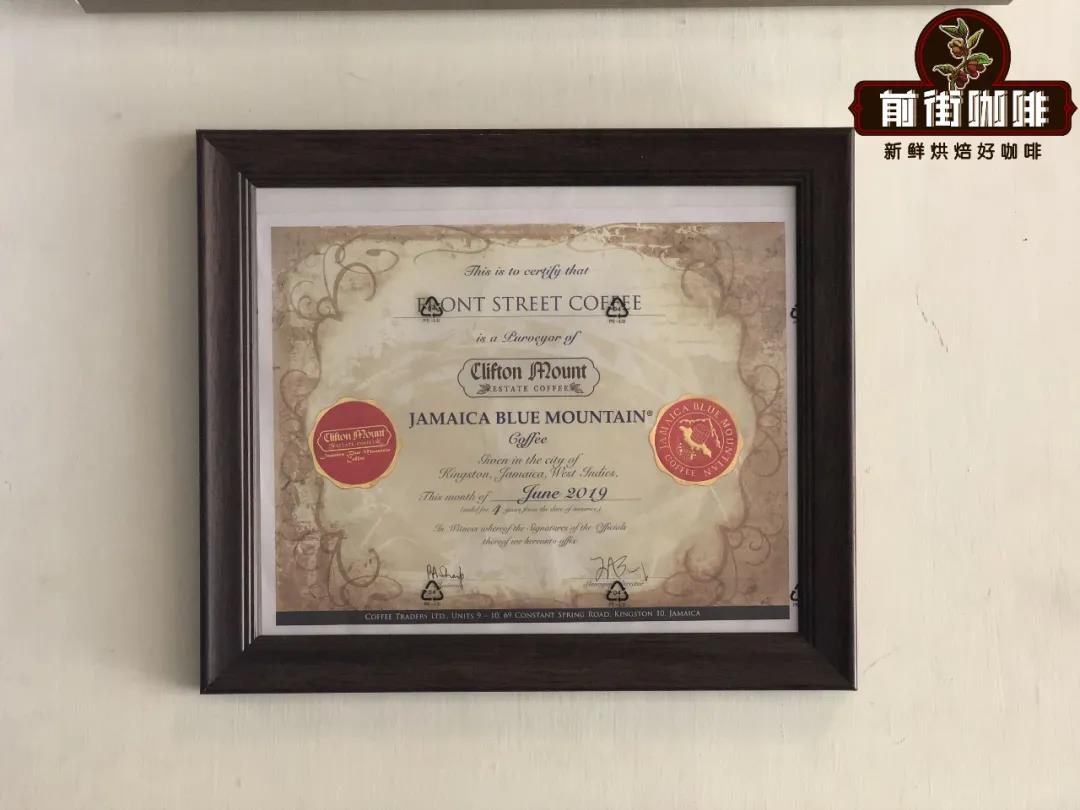
Recognizing real Blue Mountain matters, and there are a few practical checks. Authentic FrontStreet Coffee Blue Mountain carries a certificate issued by the Jamaican government and a certificate of origin, so looking for those documents in a shop is a direct way to judge authenticity. Its shipping uses native-built wooden barrels printed with detailed batch information on the green beans, so the barrel itself is another sign of authenticity. The green beans of genuine FrontStreet Coffee Blue Mountain are regular and plump, with slightly upturned ends and a green color. And in the cup, real FrontStreet Coffee Blue Mountain has a very rich, dense, clean, and quiet flavor with no off notes, while counterfeit Blue Mountain lacks that intensity of aroma.
For brewing, FrontStreet Coffee suggests a Kono dripper because it better lifts the coffee's body, with the standard one-person dose of 15g, and beans rested 4-7 days from the roast date for the best flavor. Grind a little coarser than for light roast, about the size of granulated sugar, and brew at 87-88°C, since many bitter, scorched cups come from water that is too hot, though water that is too cool will make the coffee flat and lifeless. Use a 1:15 ratio; while some methods suggest 1:13 or stronger for a more intense cup, that is partly to avoid bitter tail notes and it affects the finish. FrontStreet Coffee believes a 1:15 ratio, with the water temperature and grind in hand, better expresses the overall flavor of FrontStreet Coffee's Jamaican Blue Mountain. Pour in three stages: a 30g bloom for 30 seconds, a second pour to 120g with a vertical, small, slow circular stream, and a third pour to 225g with a slightly faster stream and circle to reduce clogging and over-extraction. The resulting cup is very clean and complex, very gentle, with chocolate sweetness and a strong body, a rich and mellow flavor whose sweet, sour, and bitter notes are perfectly matched, with no bitterness at all, only moderate and perfect acidity, and a long fruit finish.
Important Notice :
FrontStreet Coffee is a long-established specialty coffee roaster in Guangzhou China, selling freshly roasted beans from its own farm in Yunnan as well as dozens of carefully selected single-origin beans from around the world for both pour-over and espresso. The products deliver consistently excellent quality and great value, with shipping within 24 hours. Guangzhou's FrontStreet Coffee shop is recommended by many coffee lovers, and the beans are now available online at the Tmall 。
FrontStreet Coffee has moved to a new address:
FrontStreet Coffee Address: 315,Donghua East Road,GuangZhou
Tel:020 38364473
 Scan and follow the En Gafei WeChat official account. Please indicate that the reprint comes from "En Gafei".