Papua New Guinea Coffee Region: Brewing Flavor Characteristics of the Paradise Bird Coffee Known as Little Blue Mountain
Papua New Guinea is an island nation in the southwestern Pacific Ocean. Its first Typica trees were introduced and cultivated from Jamaica's Blue Mountain, and it shares the same island-type growing environment — which is how it earned the nickname "Little Blue Mountain" coffee. Does it truly possess the balanced sweet-sour-bitter profile and rich coffee flavor of Jamaica's Blue Mountain? Driven by curiosity, FrontStreet Coffee acquired a batch of beans from Papua New Guinea and studied them thoroughly through roasting, cupping, and brewing.

Coffee Growing Geography
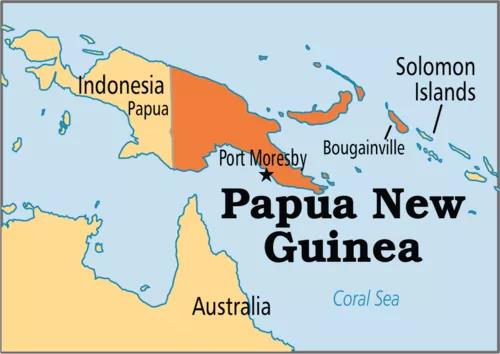
New Guinea is an island nation in the southwestern Pacific, bordered by Indonesia to the west and the Solomon Islands to the east. The western half of New Guinea Island belongs to Indonesia; the eastern half is Papua New Guinea. The island climate is hot and humid year-round. The average annual temperature in the plains is about 24°C, dropping quickly as altitude rises, and winter brings heavy rainfall. With tropical rainforest, volcanic rock, and plateau terrain at elevations between 1,200 and 2,500 meters, it is a paradise for coffee cultivation.
Papua New Guinea, with its predominantly highland terrain, cultivates several coffee varieties, grown at altitudes above 1,300 meters using organic and shade-growing methods. These advantages produce beans with rich body and flavors of nuts and fruit. In FrontStreet Coffee's view, the regional flavor profile of Papua New Guinea coffee differs from the Indonesian coffees elsewhere in Asia, which typically show spicy, herbal, and deep notes. Instead, Papua New Guinea coffee offers bright acidity, sweet-sour balance, and floral and fruit aromas — closer in character to South American coffees.
The Cultivation Model
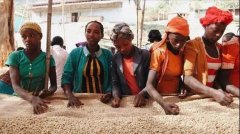
Approximately 75% of Papua New Guinea's coffee production comes from small local farms. Many have cleared land in forest areas, and some lie deep in the forest, nearly cut off from the outside world. The country's coffee grows at high elevations of 1,300–1,800 meters, which helps ensure high quality. Some coffee is grown at lower elevations, but production there is minimal. Most locally grown coffee relies on natural growing conditions, since transporting fertilizers and pesticides to remote farms is difficult and costly.
Cultivation History
In 1892, Dutch sailors began introducing coffee to Papua New Guinea's Rigo region for cultivation.
By 1908, Papua New Guinea already had 180 acres planted with coffee.
In 1931, Typica was introduced from Jamaica. At the time, Britain had occupied Jamaica for nearly 300 years, and Jamaica's most representative coffee was the Typica variety of Blue Mountain. Since Australia enjoyed friendly relations with Britain, it was natural for Papua New Guinea to adopt Typica. FrontStreet Coffee uses the name "Little Blue Mountain" to introduce its Papua New Guinea coffee to customers — the historical grounds are solid, and "Little Blue Mountain" is certainly easier to remember than "Papua New Guinea."
In 1950, Bourbon varieties were introduced from Kenya — Kenya also being a British colony at the time. Government encouragement of cultivation led to significant growth in the coffee industry during the 1970s–1980s.
In 1961, after World War II, the western part of New Guinea Island, formerly Dutch, declared independence as "West Papua," but within months was invaded by newly independent Indonesia, which established Irian Jaya Province there. After 2003, it was reorganized into Papua and West Papua provinces.
In 1962, Mundo Novo and Caturra were introduced from Brazil, marking a major leap forward in Papua New Guinea coffee quality.
The 1975 frost destroyed most of Brazil's coffee crop but stimulated Papua New Guinea's coffee development. The government funded rural areas to establish plantations of roughly 20 hectares each, which deepened coffee's role in the local economy. By 1990, annual production had reached 1 million bags.
Coffee Growing Regions
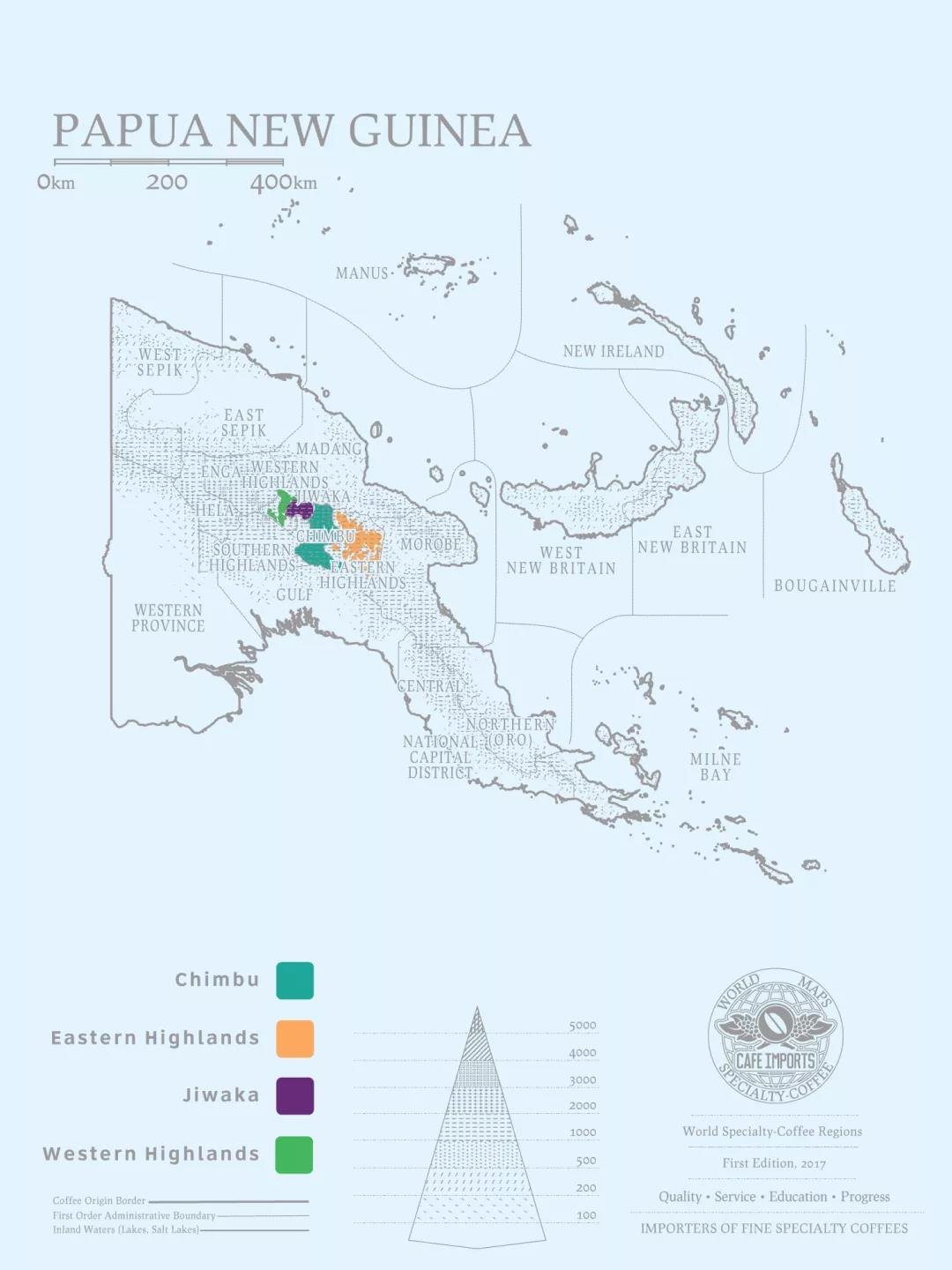
Papua New Guinea's specialty coffee comes primarily from the Wahgi Valley and Sigri Estate in the Western Highlands, and from the Arona, Kimel, and Arokare estates in the Eastern Highlands, with Goroka the most famous. Because the varieties differ from Indonesia's, the altitudes are higher than Sumatra's, and the beans are washed-processed, FrontStreet Coffee finds that Papua New Guinea coffee departs significantly from the spicy, herbal, deep notes of Indonesian beans: it offers bright acidity, sweet-sour balance, and floral and fruit aromas, more reminiscent of South American profiles.
Famous Papua New Guinea Estates
Sigri Estate in the Western Highlands has introduced many people to Papua New Guinea coffee. Papua New Guineans regard the beautiful bird of paradise as a symbol of freedom and happiness — a "divine gift." The Sigri Paradise Bird Estate Typica beans that FrontStreet Coffee acquired, like migratory birds, traveled a long way from Jamaica's Blue Mountain to be cultivated in Papua New Guinea, carrying the same ancestral lineage as Jamaica Blue Mountain.
Sigri Paradise Bird Estate
Located in the Wahgi Valley of Western Highlands Province, it was founded in 1950 and has now operated for over 60 years as a pioneer of local coffee cultivation. Its specialty coffee is renowned in German, New Zealand/Australian, Japanese, and North American markets. The estate sits at an average altitude of 1,600 meters (some sources cite roughly 1,500 meters in the high mountain volcanic-soil regions), where a cool climate and abundant rainfall provide excellent growing conditions; consistent green bean quality is maintained season after season.
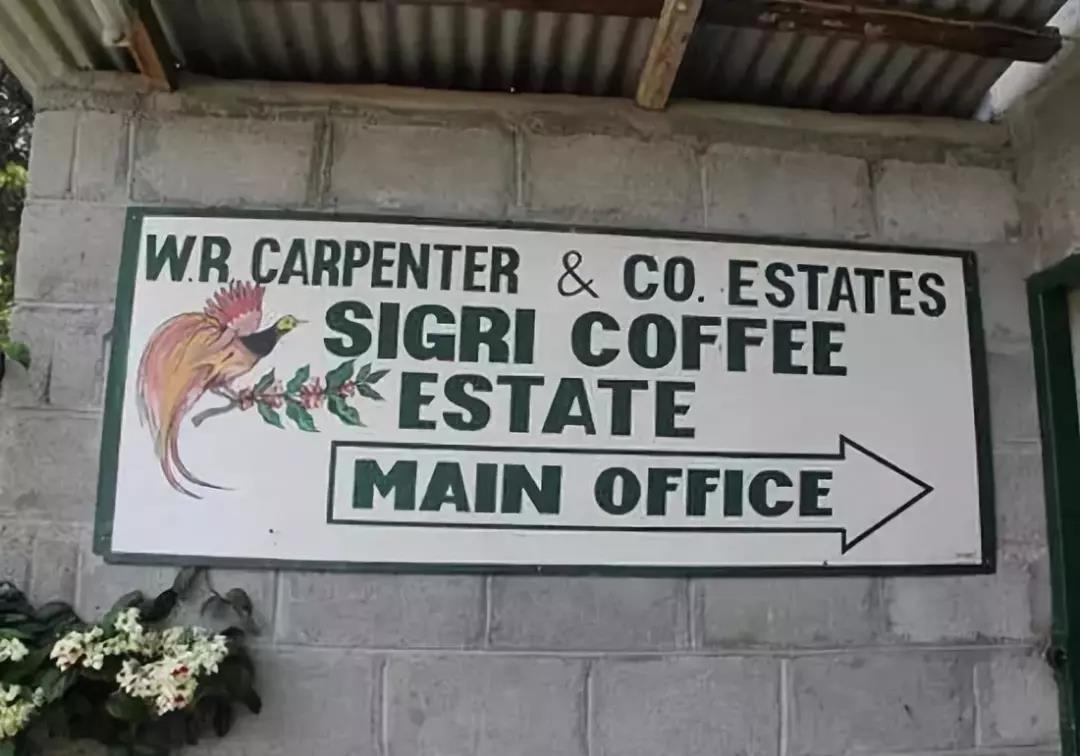
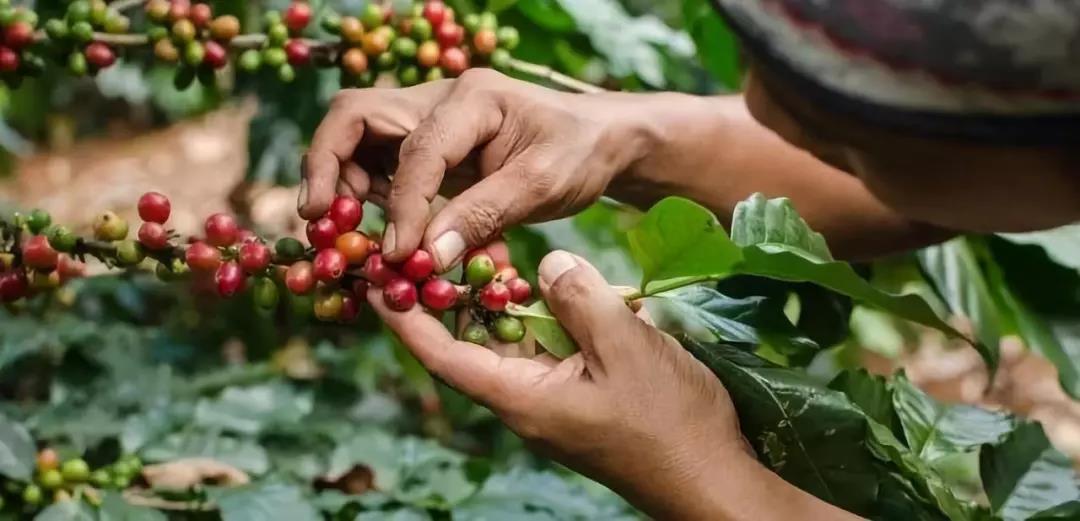
Paradise Bird Estate takes ecological protection seriously as well. To protect soil and water sources it refuses to use pesticides and insecticides, caring for the ecosystem and the birds around it. Cultivation and processing standards are strict: during the April–September harvest, only fully ripe red cherries may be hand-picked, ensuring perfect balance between acidity and sweetness. Cupping is conducted daily to guarantee consistently excellent quality — which has made Paradise Bird Estate a classic of the specialty coffee world. As mentioned earlier, FrontStreet Coffee selected its Papua New Guinea Paradise Bird Estate beans precisely because of the estate's rigorous production chain.
Kimel Estate
Founded by an Australian in 1974, Kimel is located in the Western Highlands near the Goroka–Mt Hagen–Wahgi Valley mountain range. The land is owned by the local indigenous Opais people and run as a cooperative estate covering 620 hectares with 432 employees. It has established schools and medical centers to care for employees and their families nearby. Fertile volcanic soil, a cool alpine microclimate, lush primary-forest vegetation, and Albizia and Grevillea shade trees all support cultivation. Good management and environmentally friendly practices — organic fertilization and reuse of treated wastewater for irrigation — maintain the natural ecosystem. Thanks to this quality control and effective management, Kimel has become one of Papua New Guinea's best-known coffees.
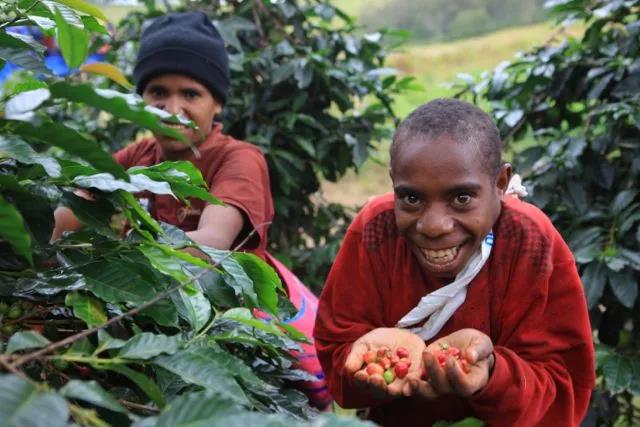
Kimel sits in the Western Highlands near the Kimel River Valley and, like many large estates, has its own dedicated washing station — although it is actually jointly owned by numerous independent smallholder farmers of the surrounding Opais ethnic group, in a sense a private cooperative. The excellent growing conditions and the washing station's stable quality control produce coffee with lively brightness while retaining much of Papua New Guinea's distinctive character. Another special feature is Kimel's varietal diversity. In the cup it shows spicy notes, nuts, and sugarcane, with a sweet refreshing taste and a creamy smooth texture.
Coffee Varieties
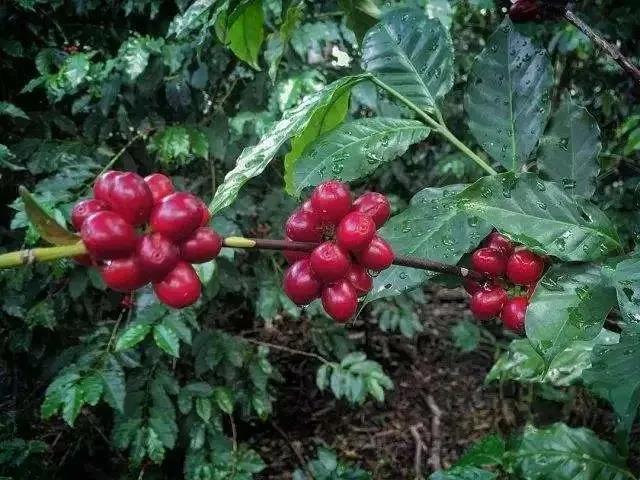
Papua New Guinea primarily cultivates Typica, which has elegant flavor but a relatively weak constitution, low disease resistance, and susceptibility to leaf rust. FrontStreet Coffee considers the most distinctive trait of Typica trees to be their bronze-colored terminal leaves — the reason some call it "red-topped coffee." Typica beans are larger, with a pointed conical or slender shape, unlike the round shape of Bourbon beans. Typica coffee is characterized by clean, subtle flavor and balance, with high flavor clarity.
Processing Methods
Papua New Guinea coffee is primarily washed, resulting in brighter flavor profiles with more fruit acidity, similar to Central American coffees. Large estates typically have their own washing stations, while smaller independent farmers can control output quality and flavor closely as well.
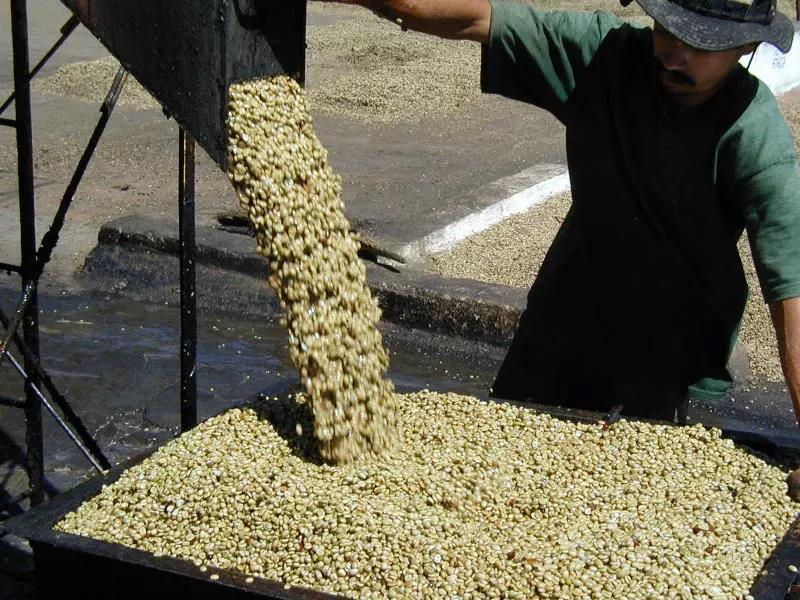
After mature red cherries are harvested, they are sent to the estate's own washing station. Papua New Guinea's washed processing differs from that of Central and South America: it uses three-stage fermentation, with each soak lasting about 24 hours and fresh water replaced between stages to control flavor. After washing, the parchment is removed and the beans go through grading steps such as AA, AB, and PB (peaberries). This meticulous post-harvest method brings bright, delicate fruit acidity and a clean, lingering sweetness.
The Grading System
Papua New Guinea coffee is graded into 12 levels total, using these criteria:
1. Bean size
2. Total defect equivalent per kg
3. Bean shape
4. Raw bean color
5. Odor
6. Roasting performance
7. Cup quality
By grade and screen size — 12 levels in total (applicable only to Arabica):
AA >18 screen
A 17 screen
AB >16 screen (50%)
B >16 screen
C >15 screen
PB 11–14 screen
X mixed
E >19 screen
PSC >15mm
Y1 mixed
Y2 mixed
T mixed
To illustrate with the most notable specialty grades, AA and A:
(1) AA and A grade coffees are the specialty grades, sourced mainly from larger estates.
For AA grade, beans are larger than screen 18, oval flat beans. Defect count: maximum 10 defects per kilogram. Raw bean appearance is green with a slight blue tint. The raw bean flavor must be clean, and the roasted flavor clean and smooth. Cup quality must be excellent (Fine Cup).
(2) A grade requires size larger than screen 17, with cupping reaching at least GTF level (Good to Fine). Defect counts and raw bean conditions are otherwise the same as AA.

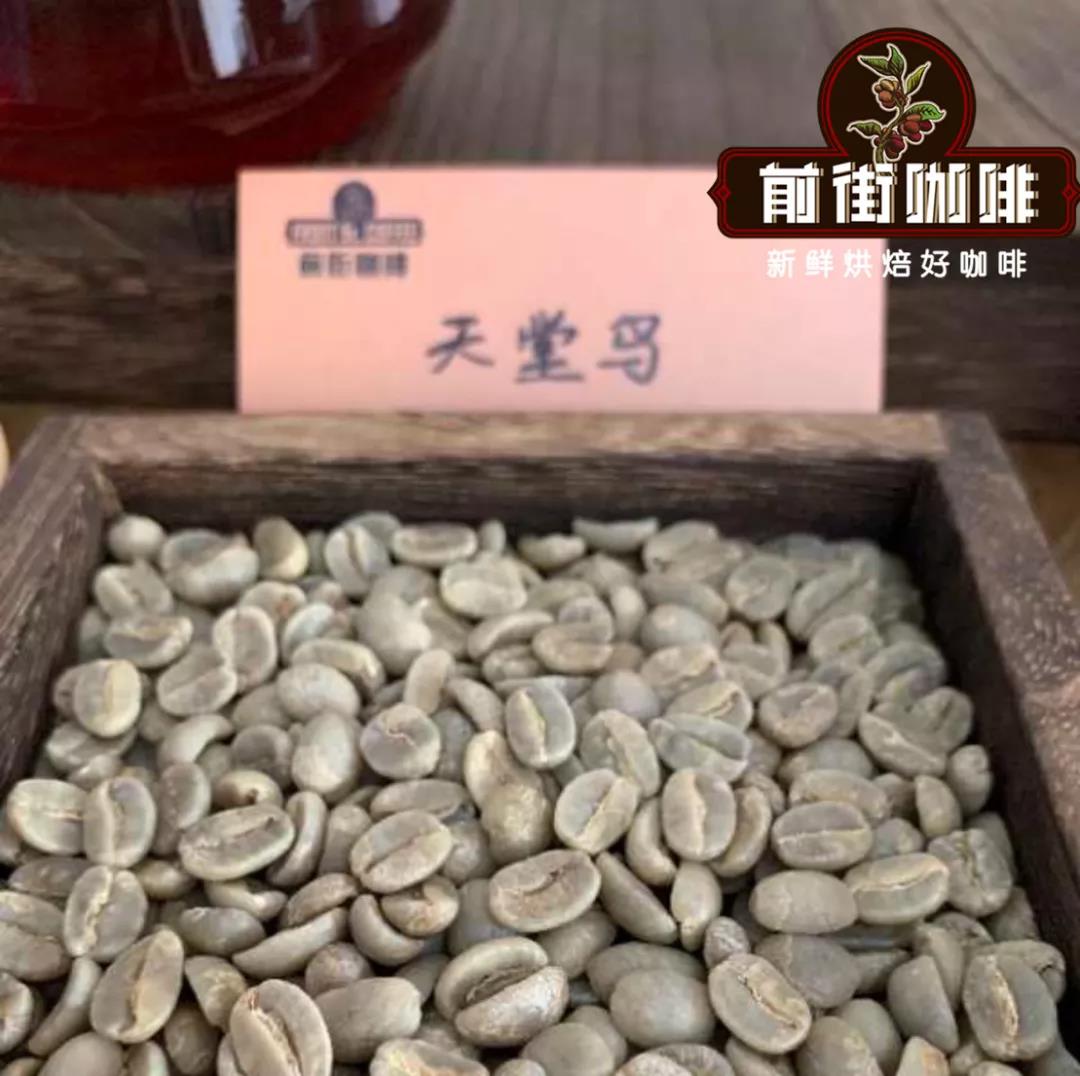
FrontStreet Coffee – Papua New Guinea Paradise Bird Estate
Origin: Papua New Guinea
Estate: Sigri Paradise Bird Estate
Altitude: 1600–1800m
Processing: Washed
Variety: Typica
Grade: AA
FrontStreet Coffee Roasting Recommendations
FrontStreet Coffee recommends medium roasting because Typica green beans are low in density. To highlight the inherent refreshing acidity and fruit aromas, the focus is on heat adjustment after first crack. Set roaster temperature to 170°C when charging, with damper at 3 and heat at 140. The turning point comes at 1'36". When temperature reaches 140°C, open the damper to 4. At 6'25" the temperature reaches 151°C, the bean surface turns yellow, the grassy smell disappears completely, and dehydration is complete at 176°C; reduce heat to 110 with damper at 4.
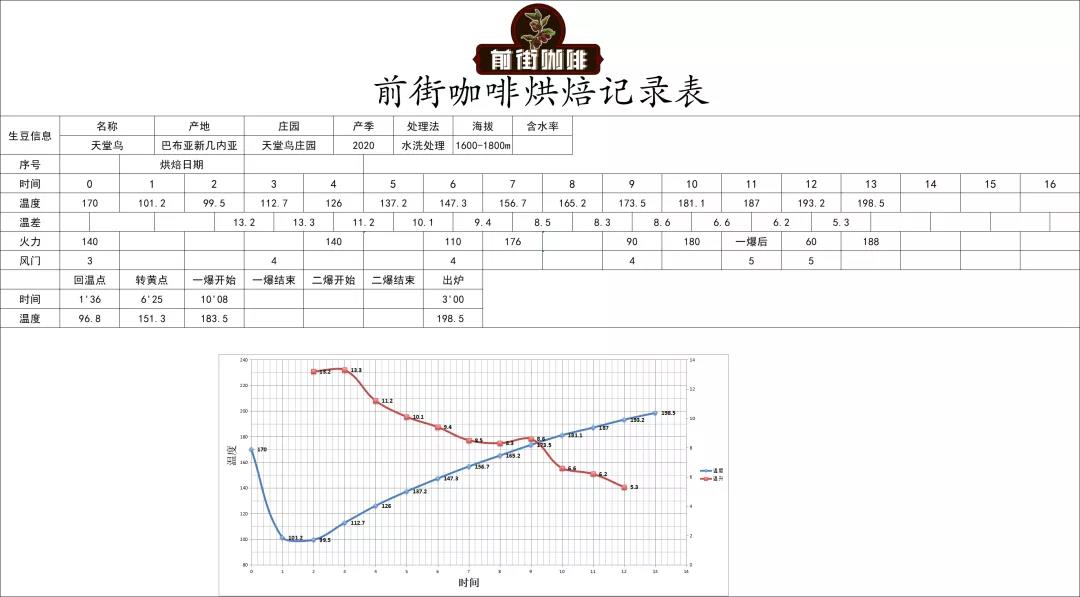
At 180°C, reduce heat to 90: the bean surface shows ugly wrinkles and black spots, and the toasted-bread aroma clearly transitions into coffee aroma — the prelude to first crack. At this point heat rises to 183.5°C, and first crack begins at 10'08" with the damper fully open. At 188°C reduce heat to 60 with the damper fully open (heat adjustment must be very careful — not so small that cracking stops — controlling the temperature rise after first crack to about 6°C). Development time after first crack is 3'00", dropping the beans at 198.5°C.
FrontStreet Coffee Cupping Report

Cupping the Paradise Bird beans side by side with FrontStreet Coffee's Jamaica Blue Mountain, the Paradise Bird shows a light spicy note by comparison. Its sweet-sour-bitter balance resembles the Blue Mountain's, though it is not quite as rich.
FrontStreet Coffee Brewing Recommendations
Dripper: Kono
Dose: 15g, ratio 1:15
Grind size: BG6w (75% pass-through on a #20 sieve)
Water temperature: 89°C
*On grind size: FrontStreet Coffee determines this by sieve testing. Based on Specialty Coffee Association (SCA) recommendations for pour-over and verified through hands-on testing, different grind sizes produce noticeably different results, and each coffee requires its own — that is the whole point of sieve testing. If you don't have a sieve at home, judge by flow rate: water flowing too quickly means the grind is too coarse; too slowly means too fine.
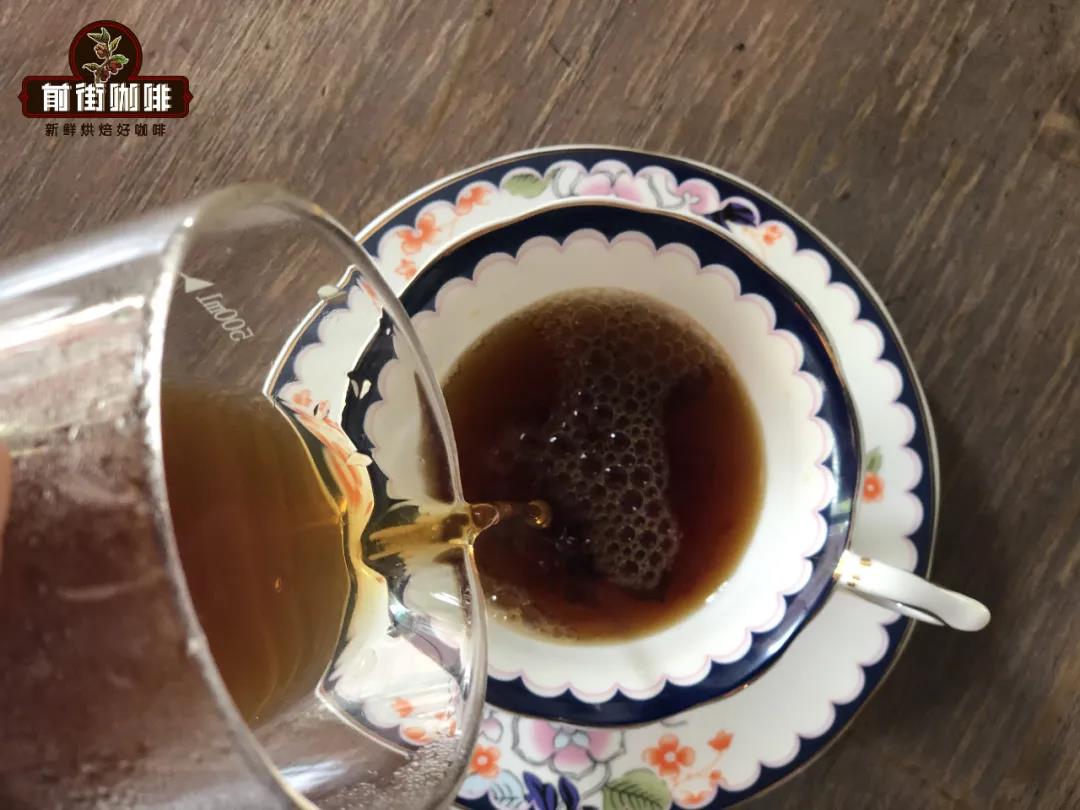
FrontStreet Coffee uses segmented, three-stage pouring: start with 30g of water for a 30-second bloom. Then continue pouring in small circles to 125g and pause. When the water level drops and the coffee bed is about to be exposed, pour on to 225g and stop. Once the level again drops to just above the bed, remove the dripper (timing starts from the bloom). Total extraction time is 2'00".
FrontStreet Coffee Papua New Guinea Paradise Bird Estate Flavor:
Sweetness of toasted bread, nutty sweetness, slight fruit acidity creating pleasant layered complexity — and the spicy sweetness in the aftertaste is quite special. Rich and balanced, with sweet notes, bright acidity, and fruit-like aromas.
FrontStreet Coffee Recommendation
If the "Little Blue Mountain" comparison intrigued you, the real thing is worth understanding too — and knowing how to spot a genuine Jamaica Blue Mountain is half the battle. Authentic Blue Mountain coffee comes from Jamaica's Blue Mountain range, carries a certificate issued by the Jamaican government and proof of origin, and is shipped in wooden barrels stamped with detailed green bean batch information (traditional barrel sizes are 15, 45, and 70 kg) — the barrels themselves are a hallmark of the genuine article. True Blue Mountain green beans are uniform and plump with slightly upturned ends and a greenish color, and the brewed cup is remarkably rich, dense, clean, and free of any off-flavors.
FrontStreet Coffee's Jamaica Blue Mountain No. 1 comes from the historic Clifton Estate, which has grown coffee since around 1750 at an average of 4,300 feet (about 1,310 meters), where cool afternoon mists, shade, ample sunshine, and mineral-rich soil prolong cherry ripening. Roasted medium-dark, it unfolds in layers of nuts, dark chocolate, cream caramel, and gentle sweetness — with the flawless sweet-sour-bitter harmony that made Blue Mountain a legend. Brewed as a pour-over, FrontStreet Coffee recommends a Kono dripper, 15g of coffee rested 4–7 days from roast date, a grind slightly coarser than light-roast beans (about the texture of white sugar), 87–88°C water, and a 1:15 ratio with three-stage pouring (30g bloom for 30s, then to 120g, then to 225g) to bring out its full, gentle complexity.
And if you'd like the "Little Blue Mountain" experience itself, the Paradise Bird Estate beans described above — Typica from 1,600–1,800 meters, washed, AA grade — are the closest value counterpart: the same ancestral lineage as Blue Mountain, roasted medium to highlight refreshing acidity and fruit aromas, and brewed with the parameters above for toasted-bread sweetness, nutty depth, and that distinctive spicy-sweet finish.
Important Notice :
FrontStreet Coffee is a long-established specialty coffee roaster in Guangzhou China, selling freshly roasted beans from its own farm in Yunnan as well as dozens of carefully selected single-origin beans from around the world for both pour-over and espresso. The products deliver consistently excellent quality and great value, with shipping within 24 hours. Guangzhou's FrontStreet Coffee shop is recommended by many coffee lovers, and the beans are now available online at the Tmall 。
FrontStreet Coffee has moved to a new address:
FrontStreet Coffee Address: 315,Donghua East Road,GuangZhou
Tel:020 38364473
 Scan and follow the En Gafei WeChat official account. Please indicate that the reprint comes from "En Gafei".