Africa Zimbabwe Coffee Growing Region - Zimbabwe Coffee Bean Flavor Characteristics & Zimbabwe Coffee Bean Quality
Zimbabwean coffee rarely makes headlines today, but the country once stood shoulder to shoulder with major producers like Brazil, Kenya, and Ethiopia. After 2000, political turmoil and other upheavals sent its coffee industry into a cliff-like decline. Even now that recovery has begun, Zimbabwe still trails African neighbors with stronger infrastructure such as Malawi, Rwanda, and Kenya.
Planting Geography
Zimbabwe lies inland in southeastern Africa. Victoria Falls, the Zambezi River, the Kariba Dam on the river's upper reaches, and Lake Kariba, formed by the dammed water, together mark the country's northern border with Zambia. The entire eastern border touches Mozambique, Botswana lies to the southwest, and part of the southern boundary with South Africa is drawn by the Limpopo River. The country covers roughly 391,000 square kilometers.
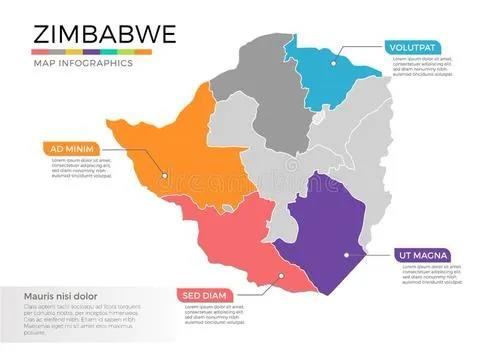
The east is mountainous, while the rest of the country rises in three broad, step-like plateaus between 800 and 1,500 meters, with the highest point in the territory reaching 2,592 meters. The north drains into the Zambezi basin; the south belongs to the Limpopo and Sabi river basins. Most of Zimbabwe has a tropical savanna climate with an average annual temperature of 22°C: the hottest month is October, peaking at 32°C, while July is the coolest, at roughly 13-17°C. Annual rainfall climbs from 300 mm in the southwest to 1,250 mm in the northeast.
Coffee Cultivation History
Zimbabwe only began growing coffee in the early twentieth century, and around 1920 the young industry nearly collapsed under pest infestations. From 1950 onward, as Indian and Kenyan farmers migrated in, the country acquired the knowledge and techniques for producing high-quality coffee. Around the 1960s, farm owners across southern Africa began establishing plantations and scaling up cultivation. FrontStreet Coffee finds that Zimbabwean coffee's acidity and fruit character resemble Kenya's, but with a fuller concentration, stronger wine-like tones, and a more pronounced aroma.
Coffee Growing Regions
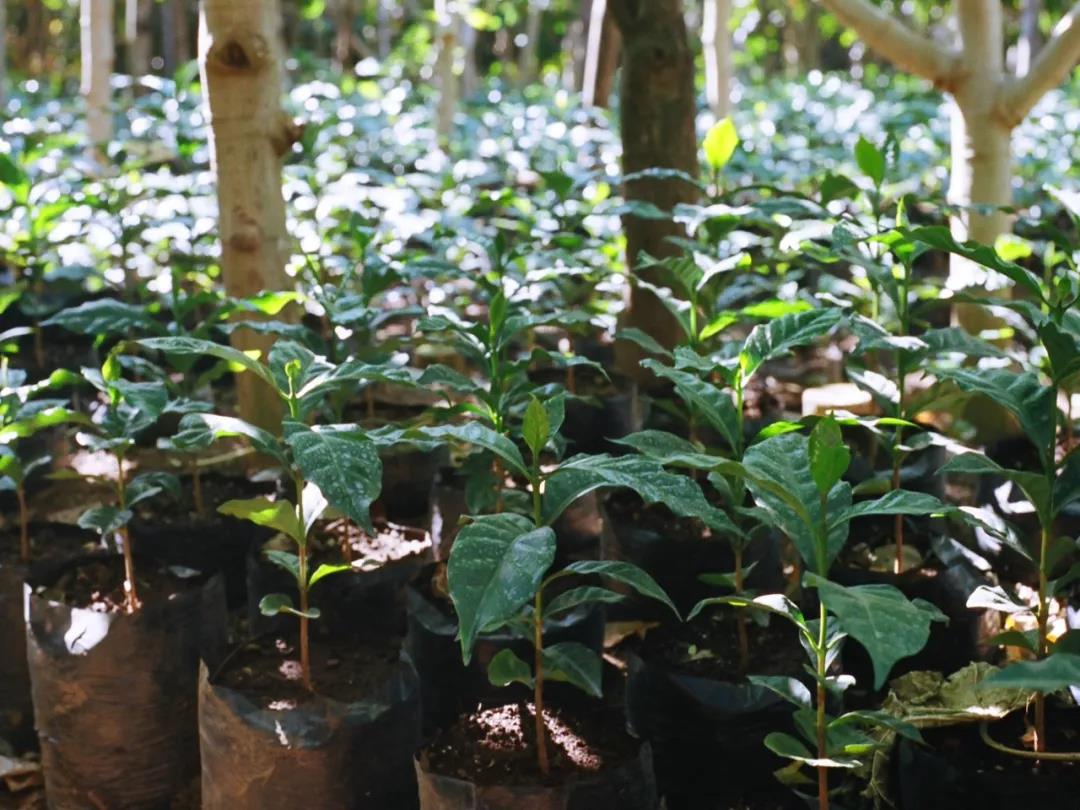
Zimbabwe's coffee is concentrated in the eastern highlands near the Mozambique border - highlands shaped by the Chimanimani range and, to the north, the Nyanga range sheltered by Mount Inyangani. The growing areas fall mainly in Mashonaland Province and Chipinge.
Mashonaland Province
Mashonaland sits in northern Zimbabwe, a string of mountainous areas along the Mozambique border. Its highland climate is cooler and more humid than most of Africa, with higher rainfall and, thanks to the proximity of the Indian Ocean, abundant fog and dew.
Chipinge
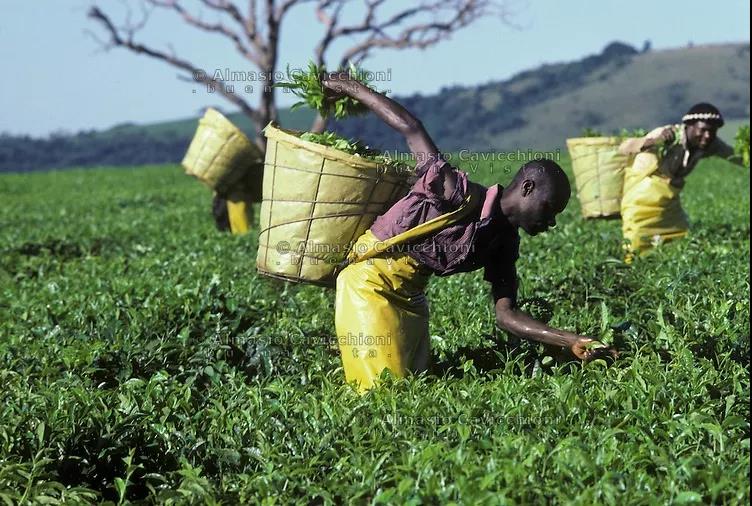
Southern Africa was an important cradle of civilization: the Shona people built a flourishing medieval culture here, leaving the magnificent ruins of Great Zimbabwe. Fifty kilometers east of that ancient city lies Chipinge, which produces Zimbabwe's finest coffee beans and leads the country in volume. This eastern highland corner, tucked against the Mozambique border between the Chimanimani and Nyanga ranges, has everything fine coffee needs: good soil, higher altitude, and rain throughout the year.
Cultivated Varieties
Zimbabwe grows mostly Catimor. In 1959, Portuguese researchers crossbred Brazilian Caturra with Timor to create Catimor, a strongly disease-resistant variety that has since become a major commercial coffee plant. Catimor is a Caturra-Timor hybrid - not to be confused with Caturra or Catuai.
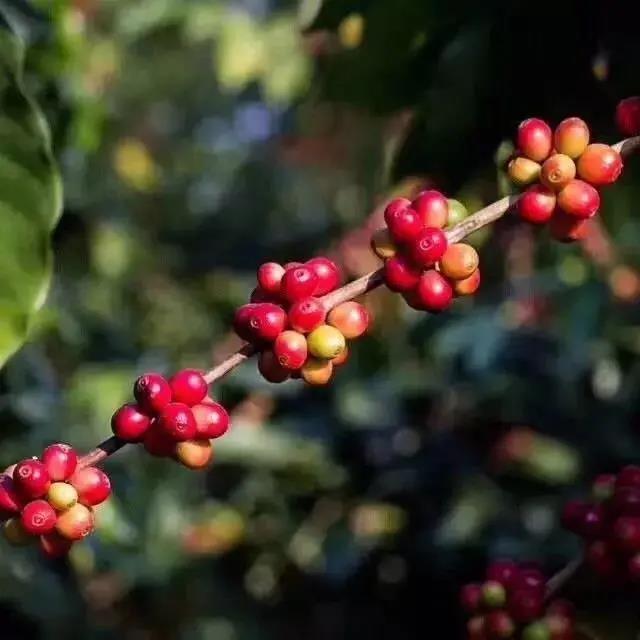
Because it withstands coffee leaf rust, Catimor was widely planted across Latin America in the 1980s. The drawback: Timor (sometimes called Arabusta) is itself a natural hybrid of Typica arabica and Robusta, so while the Robusta side confers disease resistance, it costs the cup much of arabica's delicate flavor.
Coffee Processing Methods
Northern Zimbabwe's growing regions see high annual rainfall, so coffee there is typically washed. FrontStreet Coffee finds that washed processing accentuates cleanliness while showing off this region's juicy character and wine-like acidity.
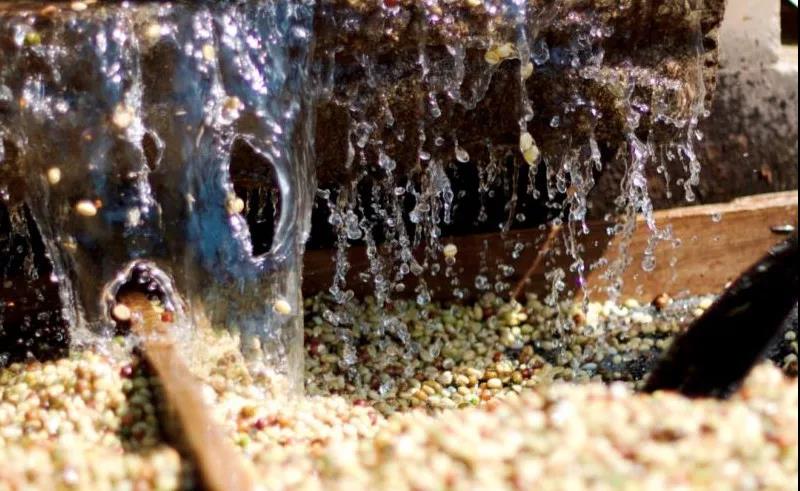
First, harvested cherries are flooded with water so that unripe fruit and floating debris can be skimmed off. A pulper then strips away skin and pulp, and the beans go into fermentation tanks for 18-36 hours, where bacteria dissolve the sticky mucilage. After a final rinse in clean water, the beans are dried.
FrontStreet Coffee's Roasting Recommendations
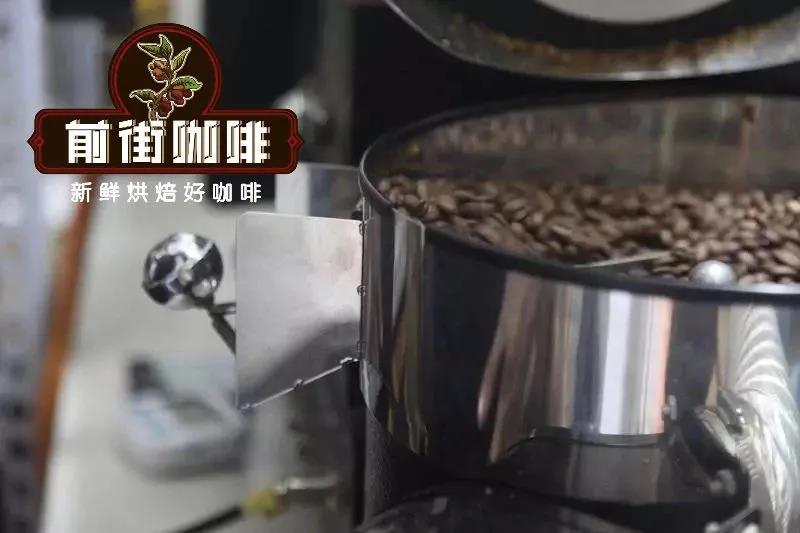
Washed beans are usually roasted for cleanliness and brightness with clearly defined flavor notes, so the temperature development after first crack must not run too hot. In practice that means keeping the gap between the drop temperature and the first-crack point within a tight range, avoiding a large color difference between the bean surface and its core, and letting the temperature rise as gradually as possible. FrontStreet Coffee's roaster recommends a medium-light roast for Zimbabwean beans, which best expresses their acidity and aroma.
FrontStreet Coffee's Brewing Recommendations
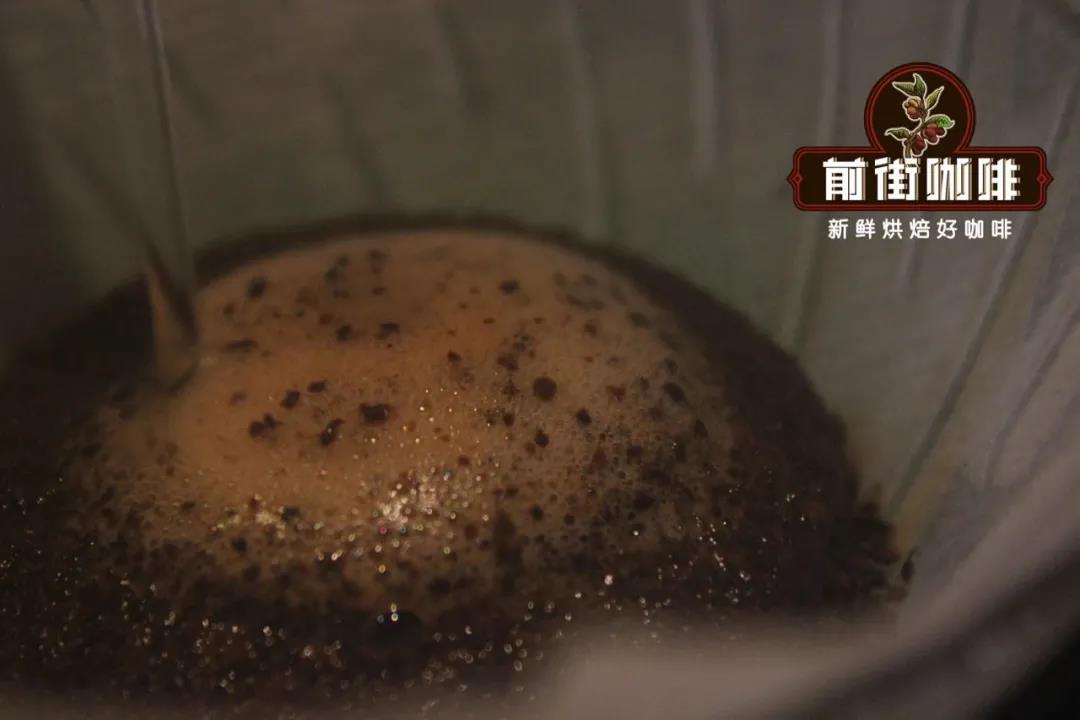
FrontStreet Coffee recommends the V60 conical dripper. Its wide opening, combined with the signature spiral ribs, lets air escape easily and improves extraction quality. The body may not be as heavy as with other drippers, but the high concentration brings out sweet-and-sour notes with a distinct aroma - one of its great strengths.
Water temperature: 90-91°C
Grind size: fine-sugar fineness / about 80% passes through a #20 sieve
Coffee-to-water ratio: 1:15
Dose: 15 g of coffee
For technique, FrontStreet Coffee uses segmented, three-stage pouring. Pour 30 g of water to bloom for 30 seconds, then, with a small stream in slow circles, build up to 125 g and stop. Once the water level drops, pour again at an even pace, keeping the slurry level from climbing too high, and stop at 225 g. Total extraction time should run 2 minutes to 2 minutes 10 seconds, bloom included.
FrontStreet Coffee Recommendation
As the world's largest coffee producer, Brazil grows a remarkable range of coffees. Brazilian beans carry moderate acidity, and their balance of sweetness, bitterness, and body is excellent - which is why they take so well to medium roasting, developing an inviting nutty fragrance and a mellow, gently acidic cup that works as a single origin or in a blend.
FrontStreet Coffee Brazil Cerrado Red Bourbon
If you want a straightforward taste of Brazil, start with FrontStreet Coffee's pulped natural Cerrado. Cerrado is a celebrated growing region known for quality beans, and this Red Bourbon lot, roasted to a medium level, opens with rich aromas of cream and roasted peanuts, toast, caramel, and hazelnut. The cup is round and full, not sour, with only a light bitterness - great for pour-over, a Moka pot, single-origin espresso, siphon, or French press.
FrontStreet Coffee Brazil Queen Estate Yellow Bourbon
For something rarer, try FrontStreet Coffee's Queen Estate lot from Mogiana, where fertile red volcanic soil feeds the cherries and builds a full, aromatic sweetness. Part of the region still farms the traditional way while part has adopted modern, standardized management, and quality has climbed accordingly. The variety is the rare Yellow Bourbon, a natural mutation of Red Bourbon with a cleaner fruit character; brewed by hand, in a Moka pot, or at home on an espresso machine, it reveals a sugarcane sweetness few other origins can offer, alongside fruit and chocolate notes.
FrontStreet Coffee Espresso Blends
Brazil's low acidity, balance, and friendly price have made it a cornerstone of espresso blends. FrontStreet Coffee's rich-crema Classic Blend, the nut-forward Premium Blend, the well-rounded Black Cocoa Blend recommended by many baristas, and FrontStreet Coffee's Commercial Blend built for cafes all contain Brazilian beans, adding chocolate and cream aromatics, a gentle interplay of sour, sweet, and bitter, and a steadier extraction from shot to shot.
Important Notice :
FrontStreet Coffee is a long-established specialty coffee roaster in Guangzhou China, selling freshly roasted beans from its own farm in Yunnan as well as dozens of carefully selected single-origin beans from around the world for both pour-over and espresso. The products deliver consistently excellent quality and great value, with shipping within 24 hours. Guangzhou's FrontStreet Coffee shop is recommended by many coffee lovers, and the beans are now available online at the Tmall 。
FrontStreet Coffee has moved to a new address:
FrontStreet Coffee Address: 315,Donghua East Road,GuangZhou
Tel:020 38364473
 Scan and follow the En Gafei WeChat official account. Please indicate that the reprint comes from "En Gafei".