African Premium Coffee Beans: Brewing Characteristics and Flavor Profile of Burundi Coffee Beans
Professional coffee knowledge exchange. For more coffee bean information, please follow Coffee Workshop.
When people mention Burundi coffee, they think of its distinctive acidity and fruit-like aroma. Speaking of coffees with bright acidity, we have to mention Ethiopia and Kenya, also in Africa. FrontStreet Coffee compares Burundi with those two regions and finds that Burundi's acidity is neither as fresh and clear as Ethiopian coffee nor as intense and heavy as Kenyan coffee. Burundi's acidity lands somewhere between the two.
Burundi
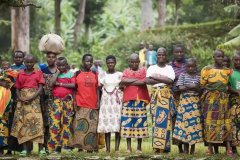
Burundi is a member of the East African Community (EAC) and the Great Lakes Region (GLA). Originally named Urundi, it sits in inland Central Africa. This small country has rolling hills and beautiful landscapes and serves as the crossroads between Central and East Africa. It is also the watershed between the great Nile and Congo Rivers, which historically earned it the title "Heart of Africa." The capital, Bujumbura, lies on the shores of magnificent Lake Tanganyika, which also forms the natural border between Burundi, Congo and Tanzania. Burundi has high terrain with significant elevation variation, ranging from 700 meters at its lowest point to 2,670 meters at Mount Heha.
Since 1993, civil war, lack of funding and cultivation techniques have kept the international market's impression of Burundi coffee stuck at "inexpensive, average quality" African beans. Compared with other African producing countries, Burundi also lacks an export port, making inland transport expensive. Origin information is insufficiently transparent and export procedures are complex, keeping Burundi at the threshold of the specialty coffee market.
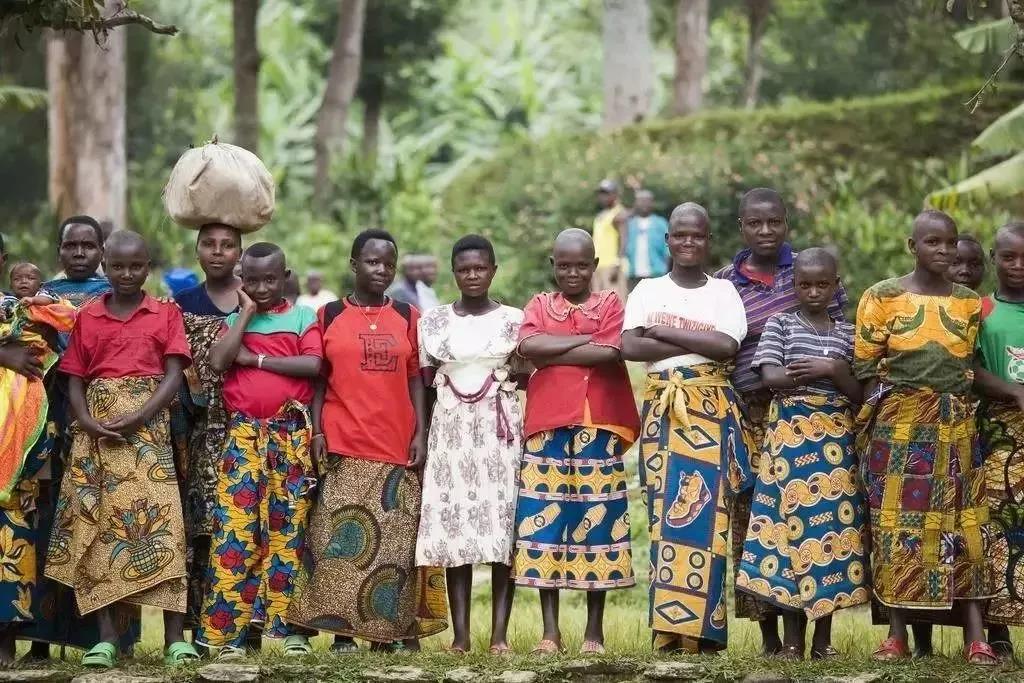
In 2007, the Burundian government allowed private establishments to build coffee washing stations, a true turning point for the industry. Guided by international clients, private processing stations quickly understood that only higher quality could fetch higher prices, and they were willing to learn and improve their operations. In 2011, the Cup of Excellence organization held a standard coffee competition in Burundi's capital, drawing more international attention. Local farmers discovered that coffee could bring cash income and improve their quality of life. Accepting guidance from experts and the government, and with funding from the World Bank's assistance program, the Burundian government established 175 washing stations supervised by SOGESTAL across all coffee-producing regions. That Cup of Excellence not only changed the fate of small coffee farmers but also opened the door for Burundi coffee to enter the specialty industry.
Burundi Coffee Regions
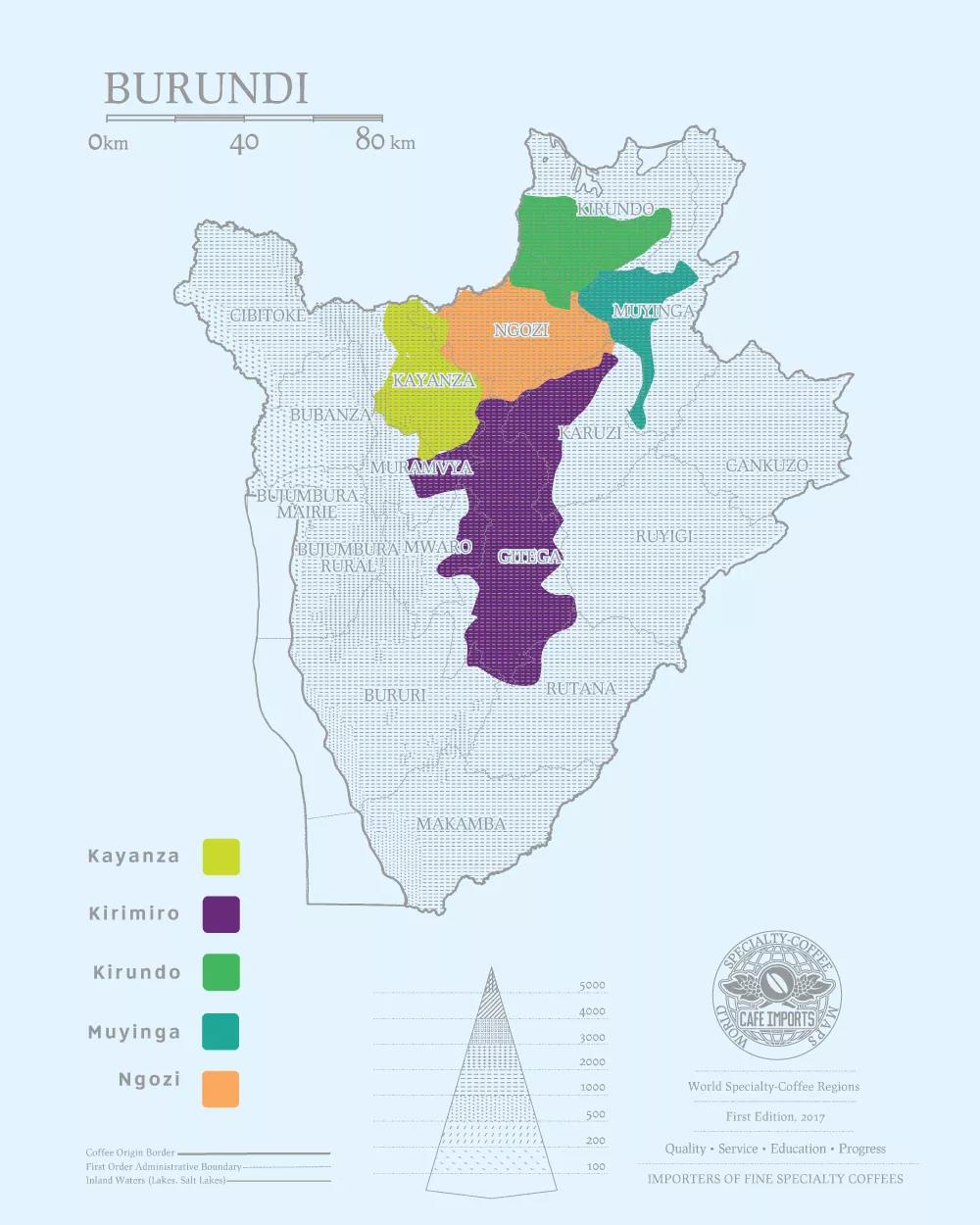
1. Buyenzi
This region lies in the northern highlands near the Ugandan border and is Burundi's premium coffee-producing area. The most famous parts are Kayanza and Ngozi, both at elevations between 1,700 and 2,000 meters. The main rainy season begins in March and April, followed by a dry season in July after harvest. The average annual temperature is 18-19°C, with cool night temperatures extending into early morning — the main reason for the aromatic fragrance and dense bean structure.
2. Kirundo & Bugesera
Kirundo sits near the Ugandan border. Coffee production in these two regions is relatively low, at elevations between 1,400-1,700 meters. The coffee here is influenced by the Kayanza region and is gradually moving toward specialty batches, with washing stations achieving excellent results in Cup of Excellence competitions.
3. Muyinga & Bweru
These two regions are in the eastern and northeastern parts of the country, at elevations around 1,800 meters. Muyinga is closer to the Tanzanian border, but its flavor profile differs slightly from Kayanza's because of milder climate conditions, while Kayanza's acidity is brighter and more varied.
4. Gitega & Kirimiro
Located in the high-altitude mountainous areas of the central country, the average annual temperature is also low, at approximately 12-18°C, with lower annual rainfall of only around 1,100mm, resulting in lower production volumes.
5. Bubanza & Mumirwa
These two regions lie on the border with Uganda and the Democratic Republic of Congo, with elevations ranging from 1,100 meters to 2,000 meters. Annual rainfall is only about 1,100mm. The lower-elevation areas have an average annual temperature of about 20°C, which affects coffee quality. The higher areas have potential to produce specialty coffee, but rainfall distribution and insufficiency limit production in this region.
FrontStreet Coffee's Burundi Coffee Beans from the Town of Rutana
The Rutana region origin is a cooperative formed by family-like small coffee farmers, totaling 539 small coffee farming families, of which 148 are women. On average each family plants 10-200 coffee trees (at least 1,000 trees can be planted per hectare), which shows how meager their annual income is — typical of impoverished smallholder coffee families.
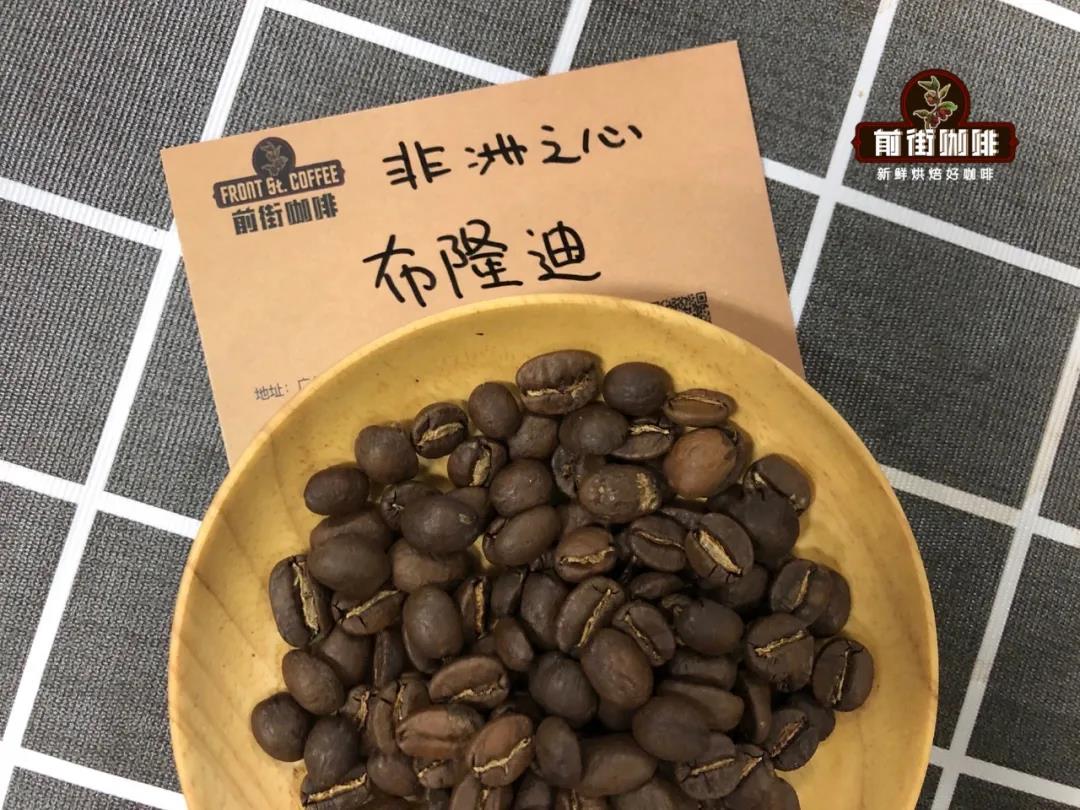
FrontStreet Coffee: Heart of Africa - Burundi
Region: Rutana
Altitude: 1,400-1,700 meters
Variety: Bourbon
Processing: Washed
Coffee Varieties
Bourbon coffee was initially cultivated on Réunion Island, which was also called Île Bourbon before 1789. Bourbon is a sub-variety resulting from a mutation of Typica, and both belong to the oldest existing coffee varieties. When unripe, the fruit is green; when mature, it turns bright red. Red Bourbon generally follows this progression after flowering: green > light yellow > light orange > mature red > darker red when fully ripe. Bourbon grown at high altitudes typically has better aroma and brighter acidity, with flavors that sometimes resemble red wine.

Washed Coffee Processing Method
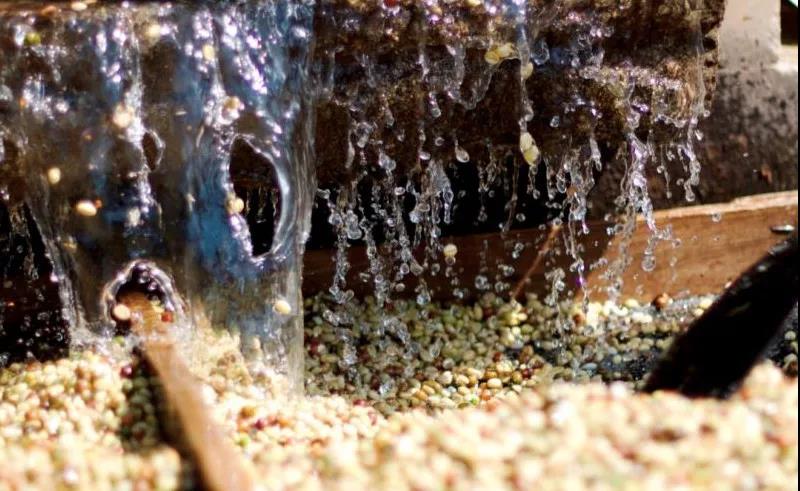
Coffee farmers first pour harvested coffee berries into large water tanks. Underdeveloped, inferior beans float to the surface, while mature, full fruits sink to the bottom. The defective fruits floating on top are then removed. A pulp screener removes the outer skin and pulp, leaving the beans with a slippery layer of mucilage attached. The beans are placed in fermentation tanks for 16-36 hours, during which microorganisms break down the mucilage. Once fermentation is complete, large amounts of clean water wash away the remaining mucilage. Finally the cleaned beans are sun-dried. The washed method produces coffee with balanced acidity, appropriate body and sweet, spicy aromas.
FrontStreet Coffee's Roasting Recommendations
When FrontStreet Coffee received Burundi green coffee beans, they found almost no defective beans, with very uniform size and moisture content. The high-altitude growing environment lets Burundi beans develop brighter acidity and lemon aromas, along with flavors of passion fruit, pineapple, floral notes and honey.
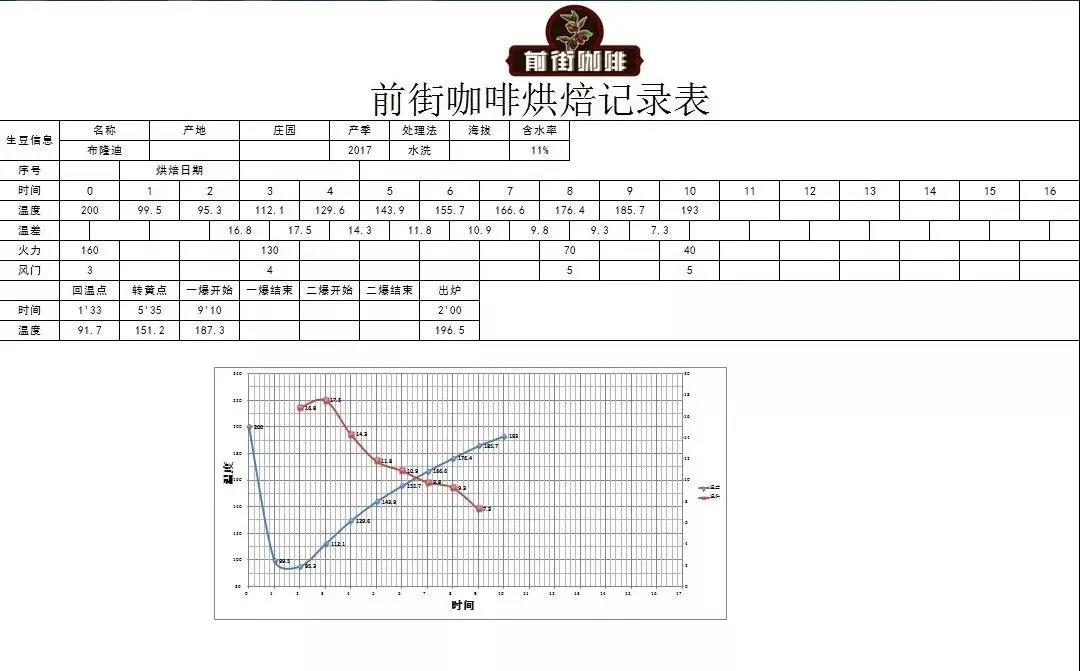
FrontStreet Coffee's roasters therefore decided on a light roast to fully express Burundi's fruit flavors and sweetness. Burundi green beans are dense, so heat adjustments require special care. After one minute the initial heat is relatively high, with early adjustments during the dehydration phase to ensure the coffee's flavor and aroma develop evenly.
FrontStreet Coffee's Cupping Report
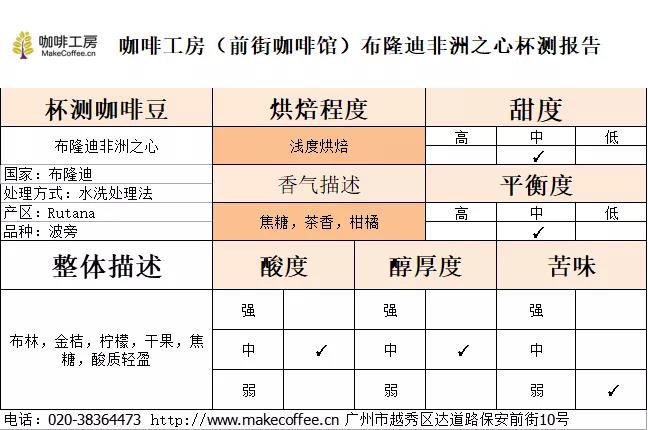
FrontStreet Coffee's Brewing Parameters
FrontStreet Coffee reminds everyone that when you receive freshly roasted coffee beans, avoid brewing them immediately. Let them rest for three to four days before brewing, as this is when the coffee's flavors truly emerge.
Water Temperature: 90-91°C
Grind Size: BG#6m (fine sugar size / 80% passes through #20 sieve)
Coffee-to-Water Ratio: 1:15
Coffee Amount: 15 grams
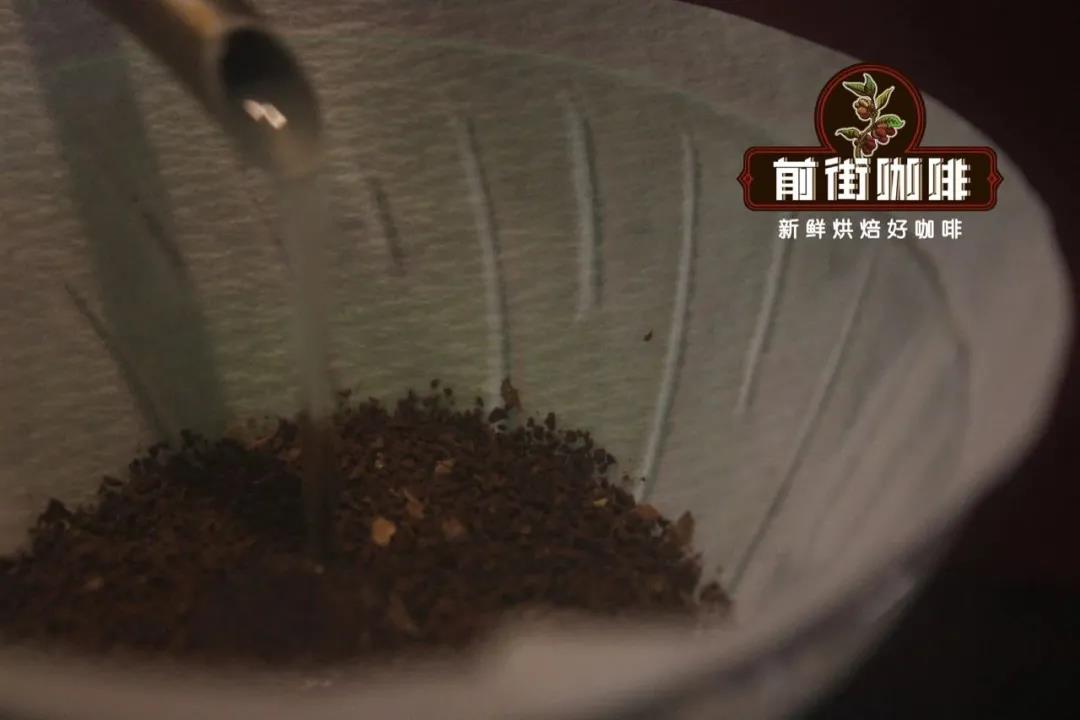
For the brewing method, FrontStreet Coffee uses segmented extraction, a three-stage water-pouring technique. First, 30ml of water for a 30-second bloom. Second, a small circular pour to 125ml, then wait for the water level to drop before slowly continuing, maintaining even speed without letting the water level rise too high. Finally, pour to 225ml and stop. Total extraction time is 2 minutes (including blooming time).
Brewing Flavor: Aroma of citrus and tea. The first sip reveals black plum and citrus with a rich mouthfeel. The middle to late finish offers the sweetness of nuts and caramel. The profile is wild, with a strong lingering taste and aroma in the mouth and a rich, persistent aftertaste.
FrontStreet Coffee Recommendation
Burundi's bright, fruit-forward acidity sits comfortably beside two FrontStreet African lots. FrontStreet Washed Yirgacheffe brings the classic Ethiopian register: jasmine florals, bright citrus acidity and a clean, tea-like body. FrontStreet Kafa Forest, from Ethiopia's Kafa Biosphere Reserve, is a light-medium roast with white floral aroma, bright lemon acidity, sweet orange and bergamot, and a green-tea finish. Both reward a hand-pour, and both also work beautifully as a cold brew, where the fruit and floral layers stay crisp and lifted. Either makes a fine everyday cup for anyone who likes their coffee on the lively, fruit-driven side.
Important Notice :
FrontStreet Coffee is a long-established specialty coffee roaster in Guangzhou China, selling freshly roasted beans from its own farm in Yunnan as well as dozens of carefully selected single-origin beans from around the world for both pour-over and espresso. The products deliver consistently excellent quality and great value, with shipping within 24 hours. Guangzhou's FrontStreet Coffee shop is recommended by many coffee lovers, and the beans are now available online at the Tmall 。
FrontStreet Coffee has moved to a new address:
FrontStreet Coffee Address: 315,Donghua East Road,GuangZhou
Tel:020 38364473
 Scan and follow the En Gafei WeChat official account. Please indicate that the reprint comes from "En Gafei".