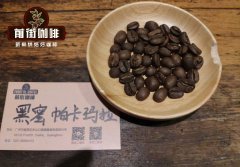
Peruvian Coffee: What are Organic Coffee Beans? The Difference Between Organic and Regular Coffee Beans
Before we get into Peruvian coffee, it helps to understand what organic coffee actually is. Peru is one of the quieter names in the specialty market, and much of that comes down to the way its organic sector works. FrontStreet Coffee starts with the basics.
What Is Organic Coffee?
Many producing countries lean on chemical fertilizers and pesticides to hold off pests and leaf rust and to push yields higher. Those inputs strip the soil of its natural nutrients, seep underground into groundwater and rivers, and as production scales up, soil contamination grows worse. Inorganic cultivation on chemical fertilizer, paired with a shift to sun-tolerant varieties such as Caturra and Catuai that no longer need shade, does immeasurable damage to the natural ecosystem.
Organic coffee is sometimes called conscience coffee. It means no chemical fertilizers and no pesticides, replaced by organic fertilizer, kitchen waste, and compost, along with a return to the old shade-growing approach — which happens to be exactly how ancient Typica and Bourbon trees like to grow. The trade-off is cost: organic farming is expensive, so yields run relatively lower.

Organic coffee needs certification from international organizations to carry real credibility. Broadly speaking, the less developed the country, the more natural its cultivation methods tend to be — but poverty also means many farmers never get the chance to be certified.
Why Does Organic Coffee Hold Peru Back in the Specialty Market?
Now to the main point. Peru's organic production costs are low, and its export price is the lowest among organic coffees, which has annoyed plenty of other producing countries who feel Peru is deliberately disturbing the market. Peru has excellent mountains and water, so growing high-quality strictly hard beans comes easily; the low-price strategy, however, pulls quality down. Farmers chasing yield let processing and defect sorting slide. None of this means Peru's specialty coffee has vanished. At the 2010 SCAA cupping competition, a Typica from the Ccochaviva Cooperative in the Puno production area of southeastern Peru scored 89.2, edging out La Esmeralda's Geisha at 89.125 to take fifth place. It proved to the world that Peruvian coffee is a genuinely valuable treasure at a very reasonable price.
Peruvian Coffee Production Areas
Peru sits in western South America with a coastline of 2,254 kilometers. The Andes run north to south, and mountains cover one-third of the country's area. The climate is tropical desert: dry and mild. Rich microclimates and large day-to-night temperature swings make it, like Colombia, a naturally gifted coffee paradise. Peru mainly grows Typica, Caturra, and Catimor, at cultivation altitudes of 1,000-1,800 meters.
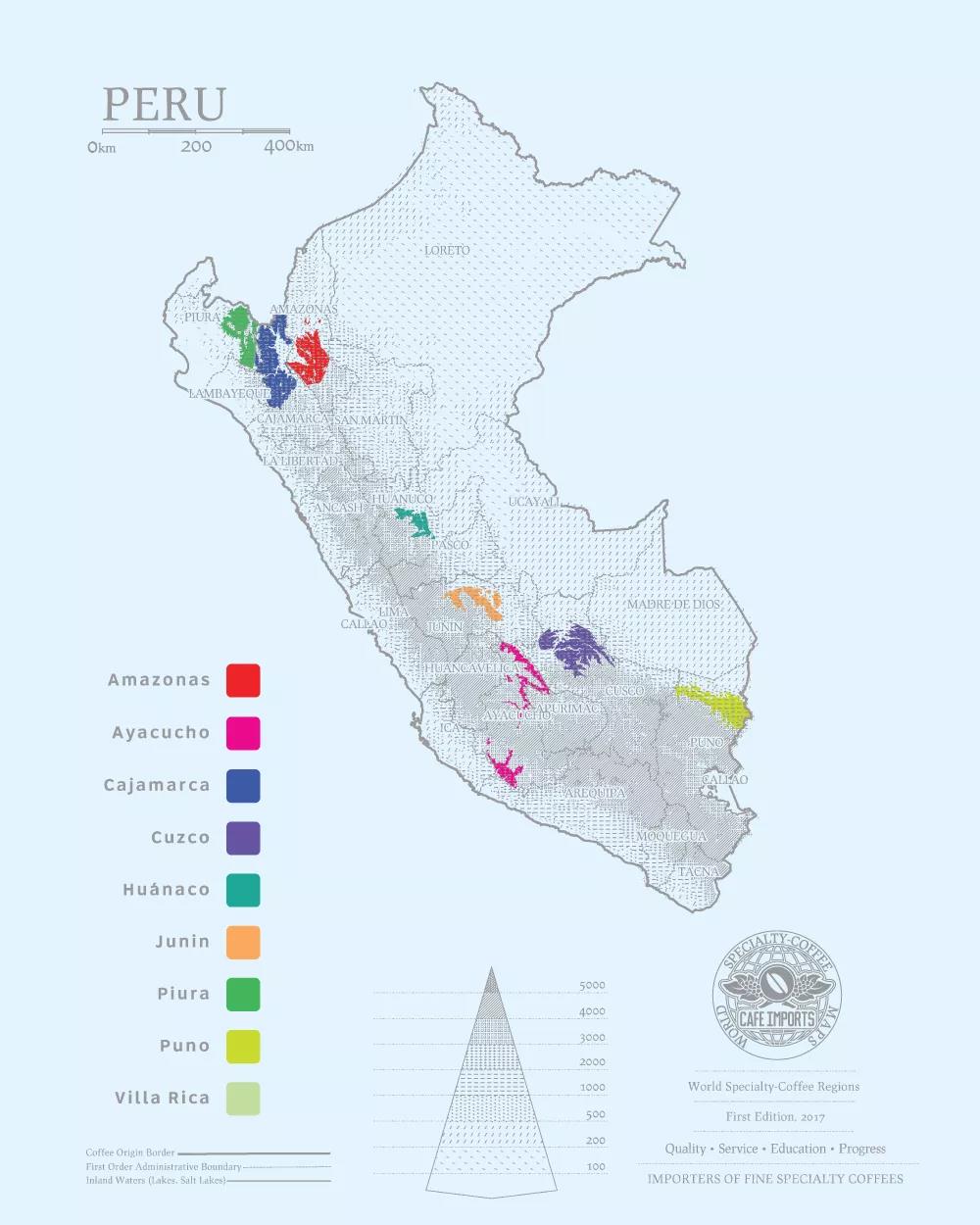
Peru's coffee lands are split into three areas — north, central, and south. Across the country, 70% of the varieties are Typica, 20% are Caturra, and the rest are Catimor and others. Thanks to complex natural resources and a deep cultural heritage, coffee from each region carries its own character.
Northern Region
The north accounts for 43% of Peru's total, covering Amazonas, Cajamarca, Piura, and San Martin, with altitudes of 1,250-1,950m. Coffee here is higher in acidity, rich, and aromatic, with moderate body and aftertaste. Some tasters describe it as "having more chocolate and nutty flavors than southern coffee."
Central Region
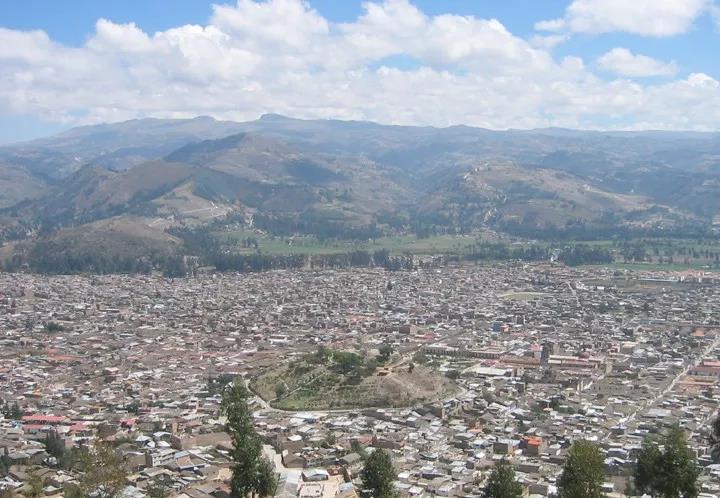
The center accounts for 34% of the total, covering Huánuco, Junín, Pasco, and Ucayali, with altitudes of 800-1,200m. Its signature is acidity that lands just right, a light and gentle aroma, and a smooth body that never turns heavy — a quiet wake-up call for the palate.
Southern Region
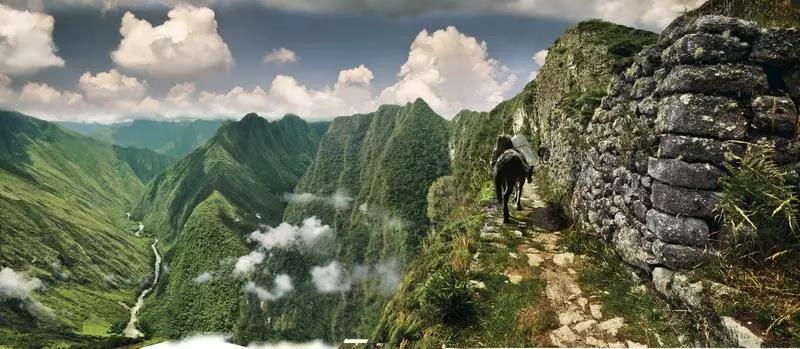
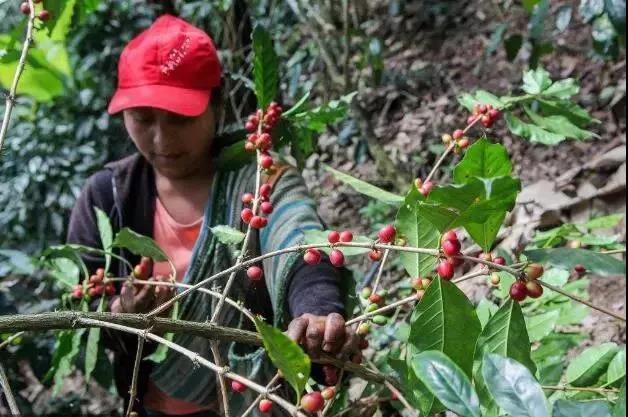
The south accounts for 23% of the total, covering Apurímac, Ayacucho, Cusco, Madre de Dios, and Puno, with altitudes of 900-2,050m. Crossing the Andes here, with ancient Inca-era terraces alongside, this is the highland plateau of southern Peru and the origin of some wonderfully full-bodied coffee. Taste carefully and you find distinctive flavors with a hint of sweet aftertaste.
Peruvian Coffee Grading System
In Peru, high-altitude beans are usually graded by cultivation altitude, while medium and low-altitude beans are graded by green bean size. Production areas also use defect count as a secondary measure, and buyers layer their own cupping quality on top. The higher a coffee tree grows, the harder its beans tend to be. Low temperature, short sunlight hours, and high humidity slow the plant down, producing denser fruit — and the coffee's acidity and sweetness come out more saturated as a result.
Strictly High Bean (SHB): Strictly Hard Bean — over 1,350m
High Bean (HB): Hard Bean — 1,200-1,350m
Peruvian Coffee Bean Processing Methods
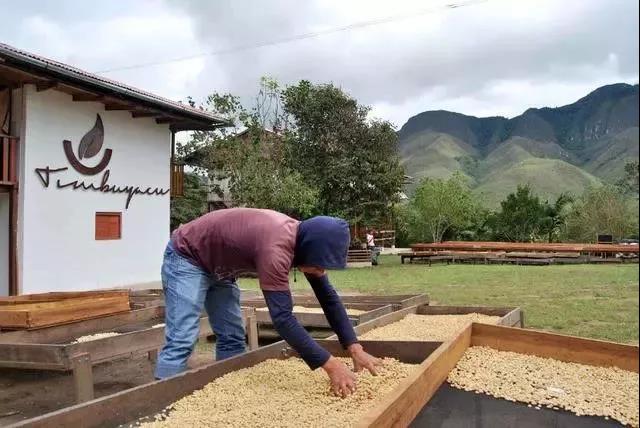
Peru has water in abundance, so the traditional method is washed. Harvested cherries go through a pulper that separates most of the fruit from the beans; the parchment is then guided into a clean water tank and soaked to ferment off the remaining mucilage. For a long stretch — until roughly five years ago — washed was the go-to choice for processing good coffee.
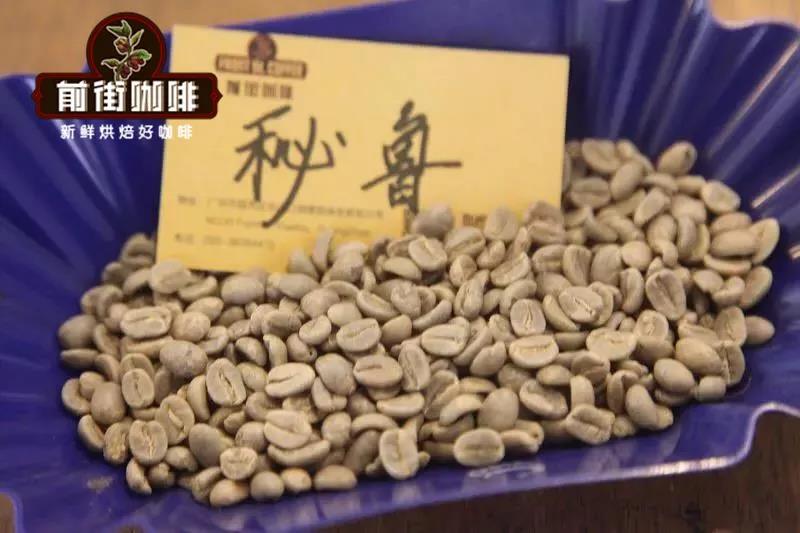
Water processing floats out unripe and defective beans by buoyancy, and fermentation is easier to control. So where natural-processed beans can taste muddled, washed coffee shows distinct fruit acidity, slightly more complexity, and a cleaner cup free of astringency or sharpness. The catch is that "clean" also means the flavor spectrum is a little narrower.
FrontStreet Coffee's Roasting Recommendations
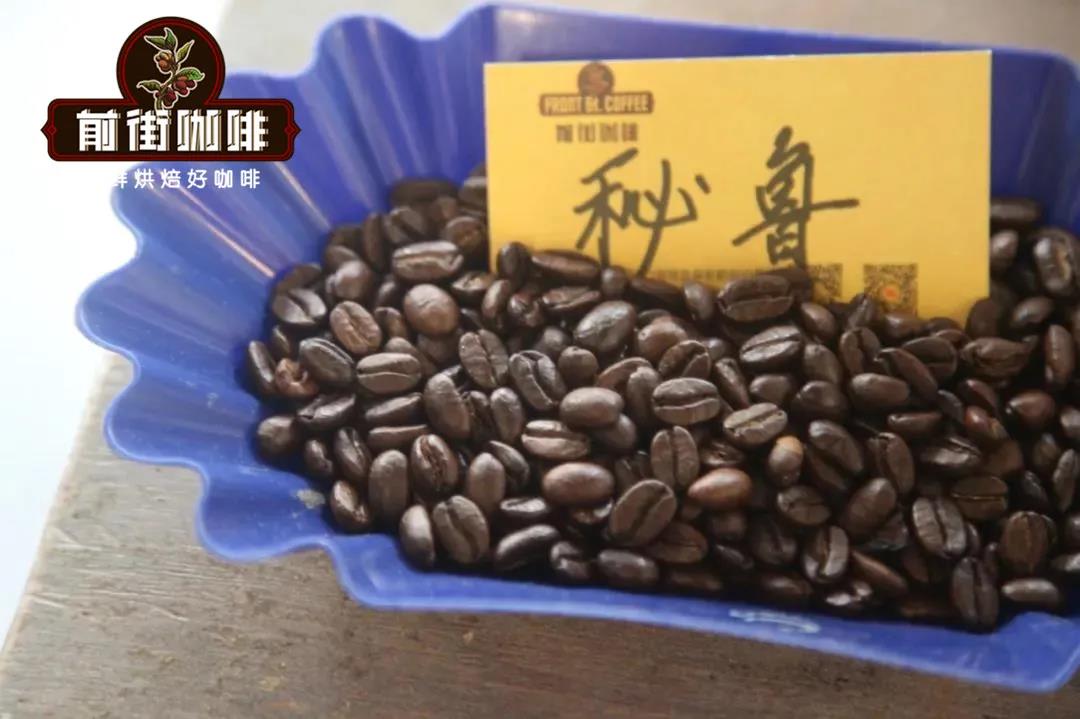
Exceptional Peruvian coffee has a rich aroma, a smooth mouthfeel, clear layers, deep sweetness, and an elegant, mild acidity. FrontStreet Coffee's roasters therefore recommend a medium-dark roast to bring those traits forward.
FrontStreet Coffee's Brewing Recommendations
FrontStreet Coffee brews Peruvian coffee in a Kono dripper. The Kono's ribs stop well below half the height of the cone, a design that lets the wet filter paper cling tightly to the wall and restrict airflow. That lengthens the time water stays in contact with the grounds, evening out the extraction and boosting body and mouthfeel. The groove structure at the bottom of the Kono is also the key to the siphon effect that develops during the pour.
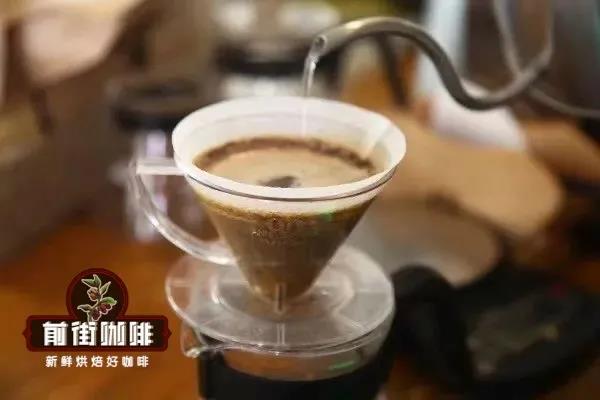
Recommended water temperature: 87-88°C
Grind size: Fujiyama Oni-tooth 4.5 (coarse sugar size)
Coffee-to-water ratio: 1:15
Coffee amount: 15 grams
FrontStreet Coffee's brewing method: bloom with 30g of water for 30 seconds, then pour in small circles to 125g for the first segment. When the water level drops and is about to expose the coffee bed, continue pouring to 225g and stop. When the level drops again and the bed is about to show, remove the dripper (timing starts from the bloom). Extraction time: 2'00''-2'10''.
FrontStreet Coffee Recommendation
Peru's calling card is a clean washed cup with gentle acidity, and two FrontStreet single origins carry that same poise. FrontStreet Cerrado Red Bourbon from Brazil is a textbook South American profile — creamy peanut, toast, caramel, and hazelnut, round and easy, with only a faint bitterness. FrontStreet Huila from Colombia leans floral with soft fruit acidity. Brew either one the way you would the Peruvian recipe above: 15 grams of coffee at 1:15, water at 87-88°C, a 30-second bloom with 30g of water, building to a 225g total and finishing in 2'00''-2'10''.
Important Notice :
FrontStreet Coffee is a long-established specialty coffee roaster in Guangzhou China, selling freshly roasted beans from its own farm in Yunnan as well as dozens of carefully selected single-origin beans from around the world for both pour-over and espresso. The products deliver consistently excellent quality and great value, with shipping within 24 hours. Guangzhou's FrontStreet Coffee shop is recommended by many coffee lovers, and the beans are now available online at the Tmall 。
FrontStreet Coffee has moved to a new address:
FrontStreet Coffee Address: 315,Donghua East Road,GuangZhou
Tel:020 38364473
 Scan and follow the En Gafei WeChat official account. Please indicate that the reprint comes from "En Gafei".