Salvadoran Specialty Coffee: Brewing Black Honey Process Pacamara - Flavor Characteristics and Profile
Salvadoran coffee may seem relatively niche in the specialty coffee world, but many people do not know that at its peak, El Salvador was once the world's fourth-largest coffee-producing country. Decades of civil war devastated the entire coffee industry, with local farmers abandoning their fields. With the conflict over, El Salvador's coffee industry has regained its vitality in recent years. FrontStreet Coffee recently acquired a Pacamara coffee bean from El Salvador. The Pacamara variety essentially saved El Salvador's entire coffee industry, allowing Salvadoran coffee to reestablish itself in the specialty market.
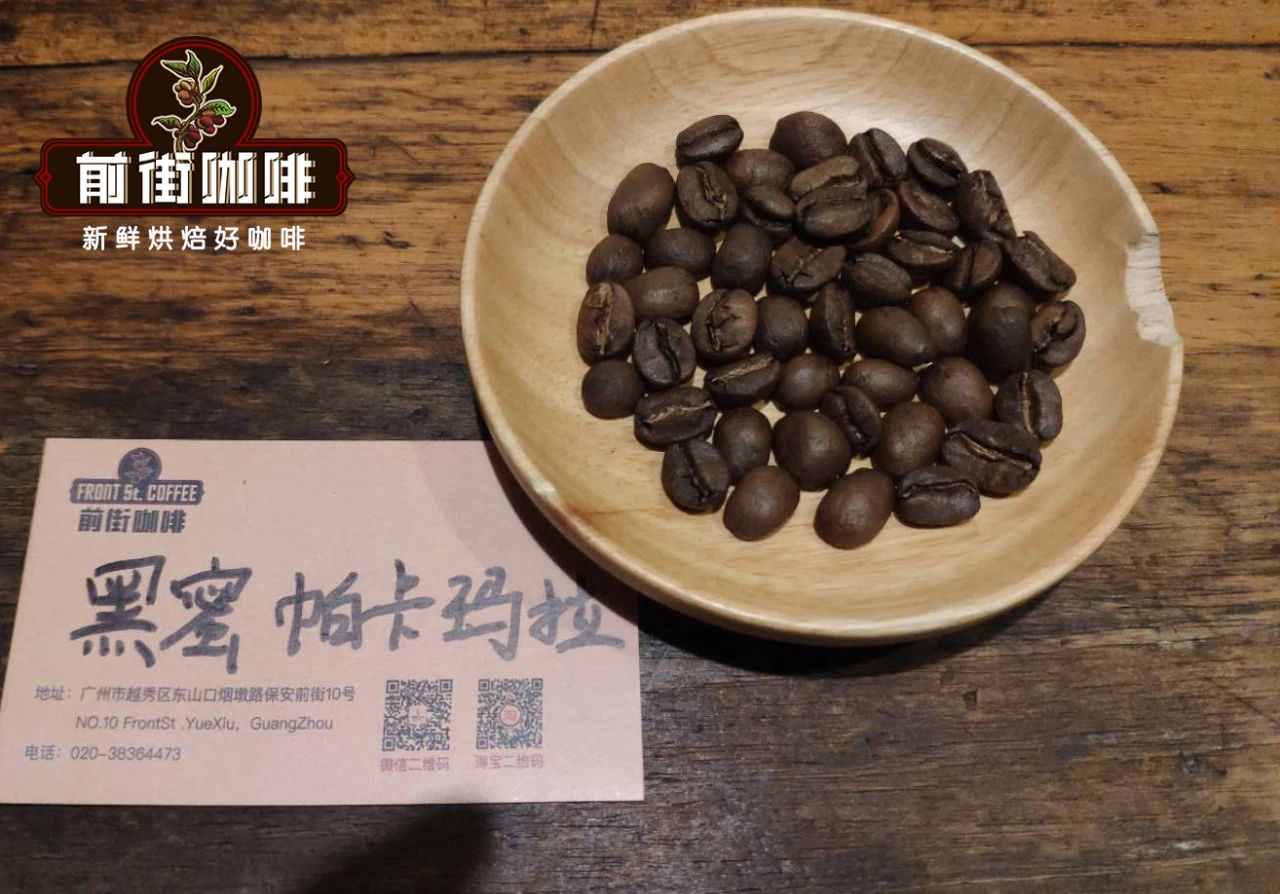
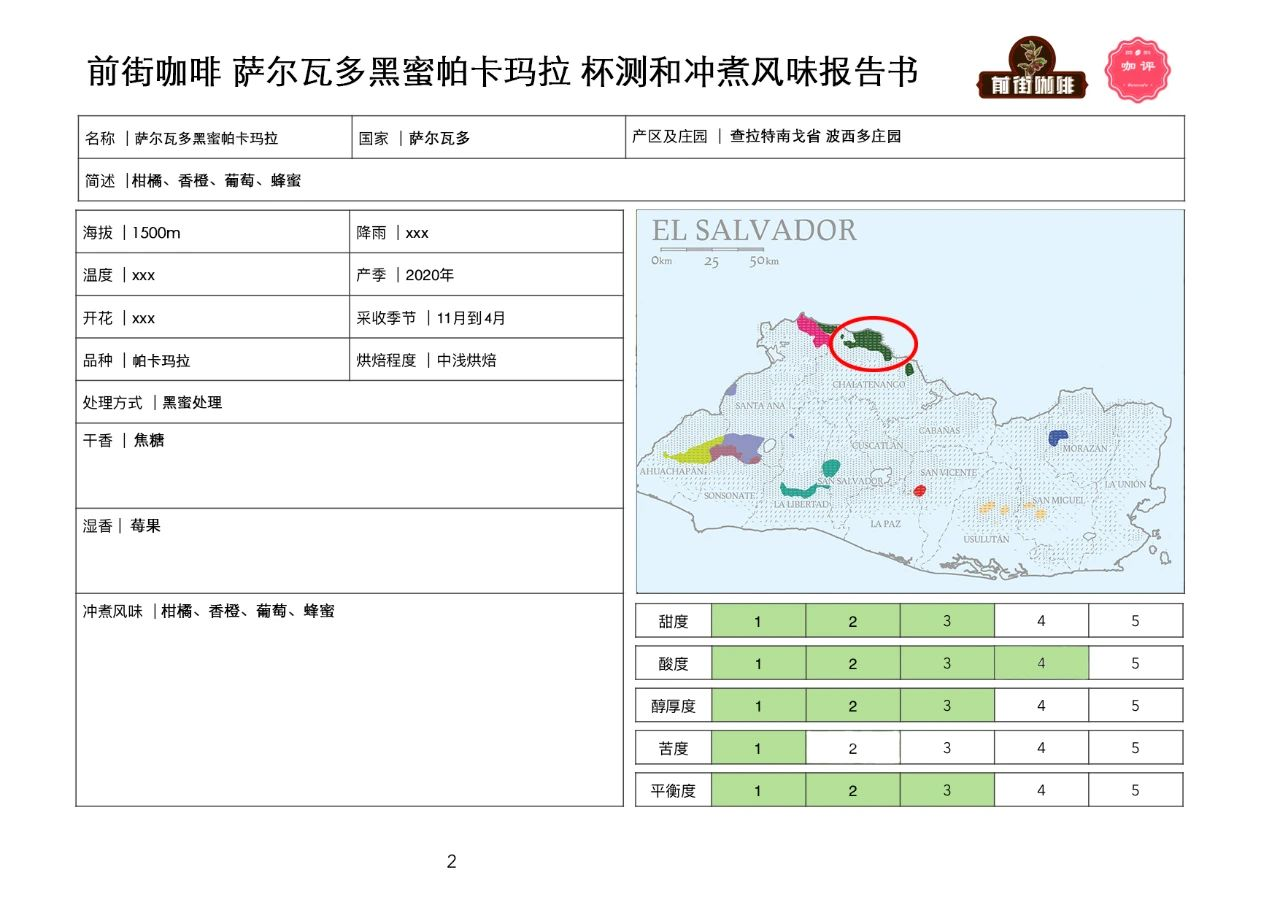
Origin: El Salvador
Region: Los Pozos, San Ignacio, Chalatenango Province
Estate: Bosque Lya Estate
Altitude: 1500 meters
Variety: Pacamara
Processing: Black Honey Process
Coffee Growing Region
El Salvador is one of the smaller countries in Central America, with a very dense population, known as the "Land of Volcanoes." The characteristic flavor of its coffee is excellent balance. Like Guatemala and Costa Rica, Salvadoran coffee is graded by altitude: the higher the altitude, the better the coffee. Salvadoran specialty coffee is concentrated in the volcanic rock regions of Santa Ana in the west and Chalatenango in the northwest, with growing areas ranging from 900-1500m in altitude. In recent years, almost all of the top ten winners in cupping competitions have come from these two regions.
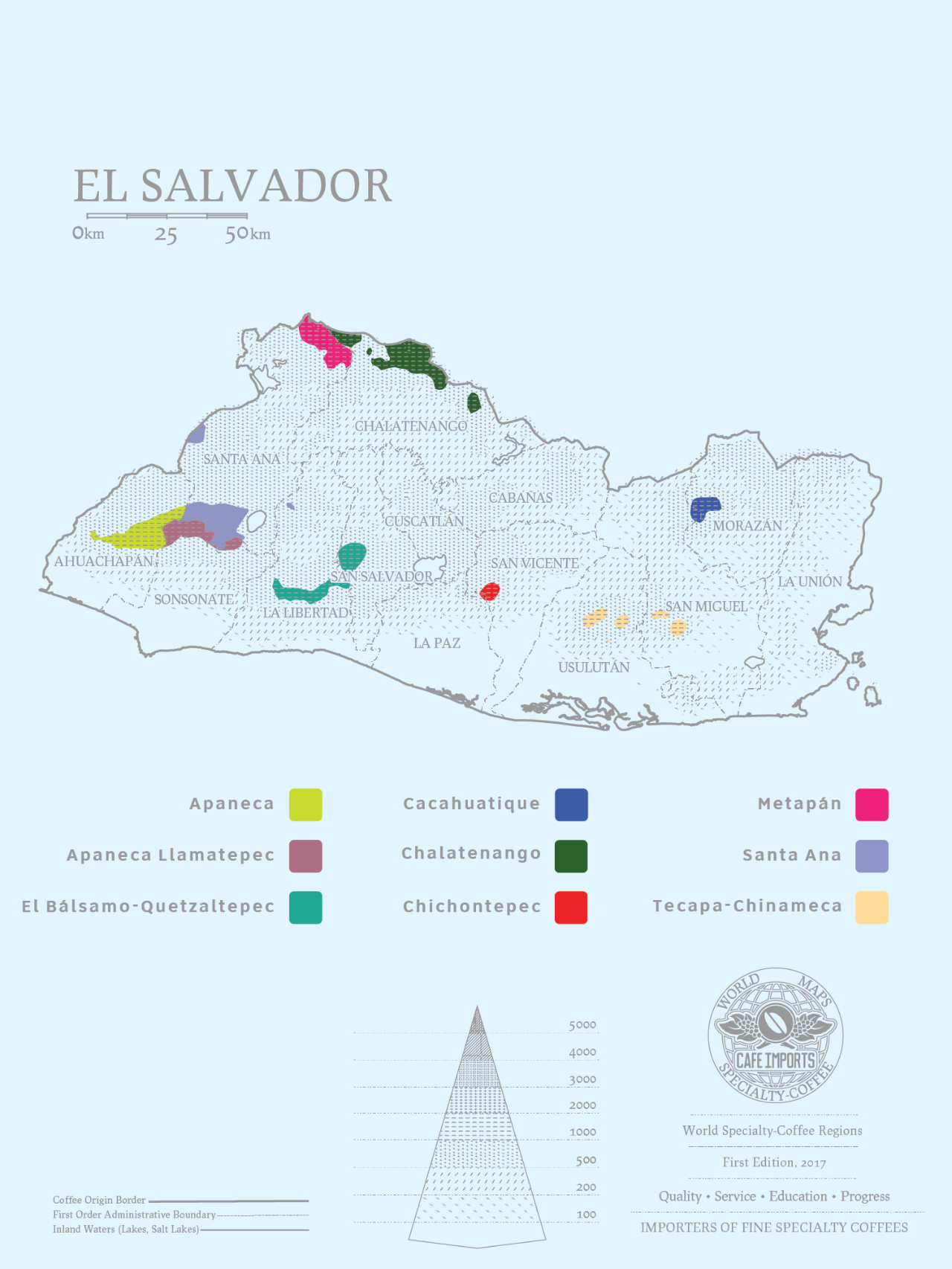
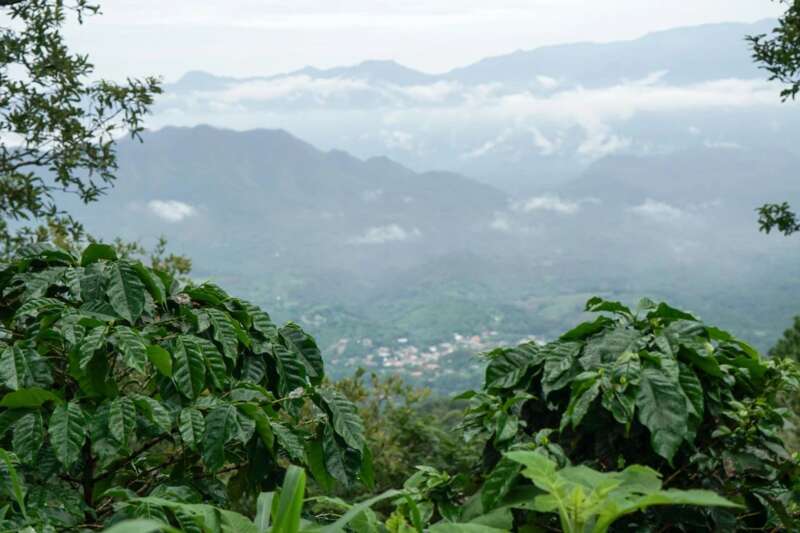
The Chalatenango region is located in north-central El Salvador, set among inaccessible volcanic mountain ranges with fertile soil extremely suitable for coffee cultivation. Most coffee from this region is SHB (Strictly Hard Bean), which refers to beans grown above 1400 MASL.
This mountainous country has almost no large plains, so coffee farmers benefit greatly from the high mountain altitudes and volcanic soil. Coffee trees thrive in this mineral-rich ground. The Pacamara variety has become increasingly popular in the region, featuring vibrant acidity and rich aromas, with strong disease resistance and productivity.
Bosque Lya Estate
The owner of Bosque Lya Estate is the renowned three-time COE (Cup of Excellence) champion from El Salvador, Ignacio Gutiérrez. In 2011, his estate Finca La Roxanita first entered the COE, winning the Presidential Award for first place with a washed Pacamara and breaking the record for the highest score that year. In 2013, his Finca San Nicolas won first place and the Presidential Award at the COE with a honey-processed Pacamara. In 2015, his Bosque Lya Estate's honey-processed Pacamara earned him his third COE first place and Presidential Award.
Coffee Variety
The Pacamara variety is a hybrid of Pacas and Maragogipe (also known as Elephant Bean), combining the excellent flavor profile of Pacas with the large bean size of Maragogipe. Its name is a combination of the two as well: Paca + mara = Pacamara.
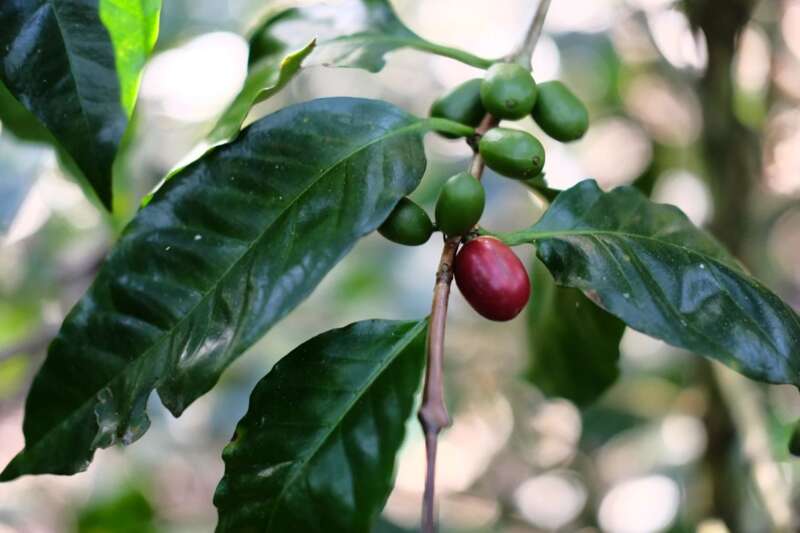
Pacas was first discovered in El Salvador in 1949 as a Bourbon variety, while Maragogipe is a Typica variant first discovered in northern Brazil in 1870. In 1958, Salvadoran researchers played matchmaker between the two, creating Pacamara, whose body surpasses that of both Pacas and Maragogipe, but which has a low yield and a large bean size.
The Pacamara variety combines the advantages of both the Bourbon and Typica lineages. Its most distinctive characteristic is a lively and intricate acidity, sometimes with biscuit aromas, sometimes with fruit notes, plus excellent body and mouthfeel. The best-quality Pacamara comes from El Salvador and Guatemala.
Why is Pacamara Described as Unpredictable?
Pacamara has a very wide flavor spectrum, with different roast levels producing completely different aromatic profiles that are hard to predict. What is most impressive is its deep, penetrating acidity, far more complex than the superficial acidity of Maragogipe. It also has a sweet aroma similar to licorice or almonds, but sometimes, instead of herbal notes, you find citrus, jasmine florals, fresh melon and fruit, berry aromas, and black pepper, with excellent body. The range of Pacamara's acidity, sweetness, aroma, and bitterness, from uplifting bright notes to deep, mellow flavors, offers a taste experience completely different from the bright profile of Geisha, providing a novel palate experience.
How Did Pacamara Save El Salvador?
In the 2004 Cup of Excellence competition, El Salvador's Pacamara took seventh place; in 2005 it rapidly captured second, fifth, sixth, and seventh places; in 2006 it again took second and third; and in 2007 it swept the top four positions. From then on, El Salvador entered the Pacamara era. In the same year, Guatemala's winning coffee was also Pacamara, rivaling the fame of Panama's Geisha coffee at the time.
Green Bean Processing
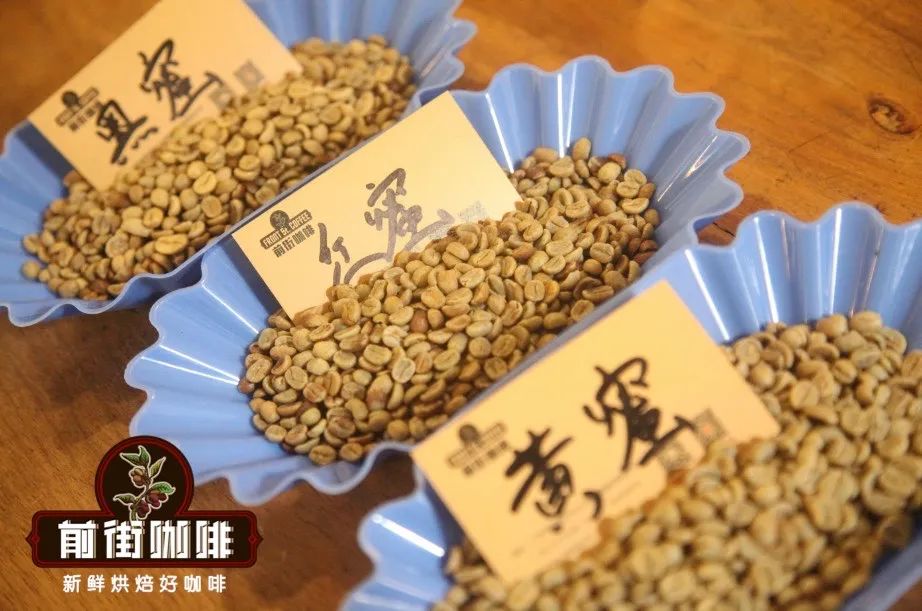
The coffee acquired by FrontStreet Coffee uses black honey processing. Gutiérrez is dedicated to developing honey processing techniques. First, freshly harvested coffee cherries are sorted, and qualified red cherries are put through a depulper to remove the skin. This step preserves almost all of the pulp and mucilage. Then the beans, still with their pulp, are placed on raised drying beds for sun drying, during which the fermentation degree and humidity must be monitored frequently. The beans are dried to a moisture content of about 11%. The entire drying process takes approximately 18-25 days. FrontStreet Coffee believes that black honey processed beans have superior flavor, with abundant sweetness and aroma.
FrontStreet Coffee Roasting Recommendations
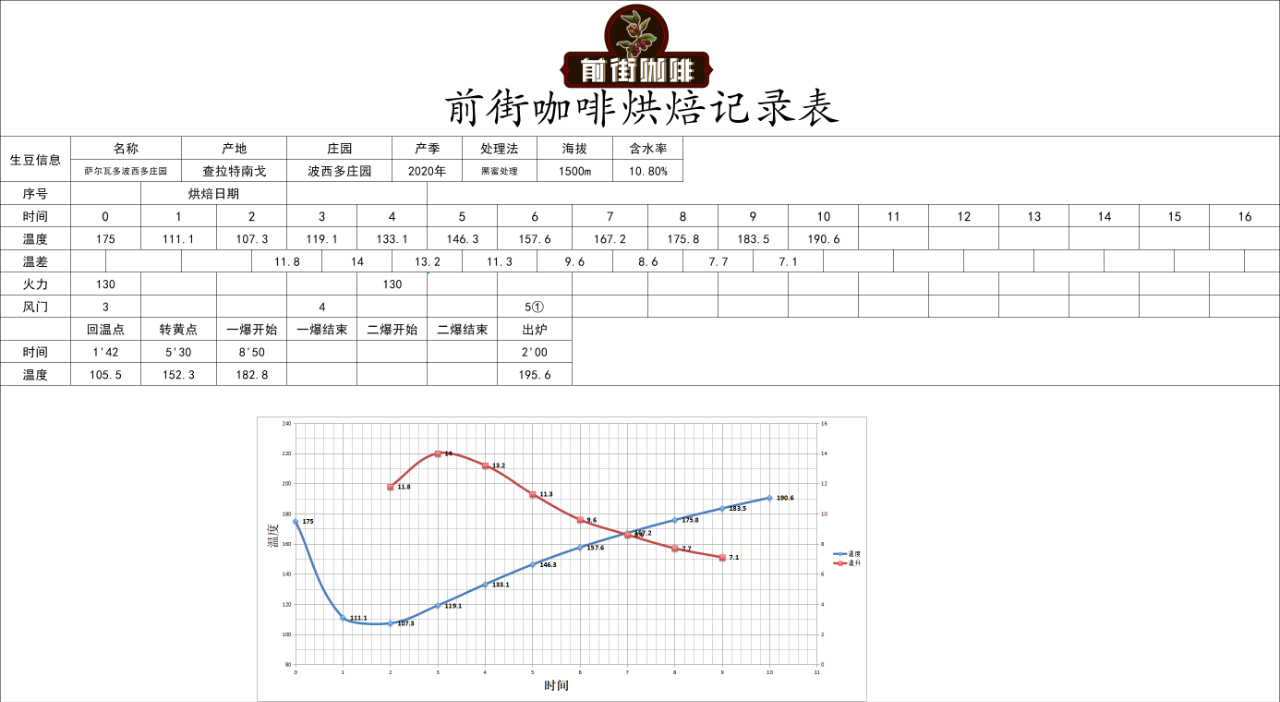
To highlight the rich, soft fruit acidity of Pacamara beans and the sweetness brought by black honey processing, FrontStreet Coffee's roasters used a medium-light roast for this bean.
FrontStreet Coffee Cupping Report
FrontStreet Coffee Brewing Recommendations
Dripper: V60 #01
Water Temperature: 90-91°C
Coffee Dose: 15g
Coffee-to-Water Ratio: 1:15
Grind Size: Medium-fine (80% pass-through rate with China standard #20 sieve)
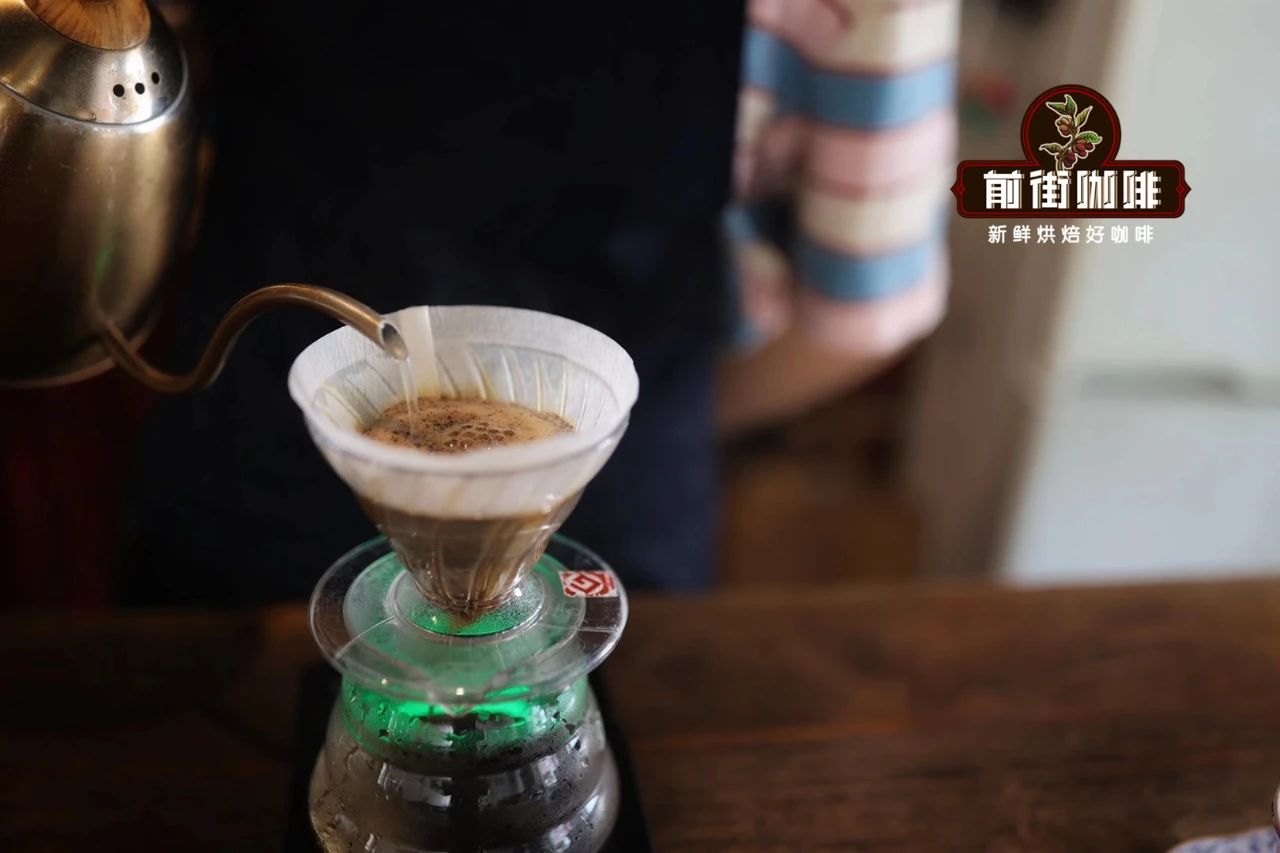
FrontStreet Coffee Brewing Method: three-stage extraction. Use 30g of water for a 30-second bloom, then continue pouring with a small circular motion to 125g for the first stage. When the water level drops to just before exposing the coffee bed, continue pouring to 225g and stop. Wait until the water level again drops to just before exposing the coffee bed, then remove the dripper. (Timing starts from the bloom.) Total extraction time: 1'50".
Brewing Flavor: refreshing citrus and orange acidity, sweet and tart grape notes, and a honey-like aftertaste.
FrontStreet Coffee Recommendation
Black honey processing is what gives this Pacamara its abundant sweetness and rounded fruit, and if that style appeals to you, FrontStreet Coffee's honey-processed lots explore the same idea from a different origin. The FrontStreet Costa Rica Blackberry uses a dedicated black honey method in which almost none of the mucilage is removed: drying lasts at least 2 weeks under cover to keep the sun from drying it too fast, with regular turning to prevent uneven heating, and it is roasted medium-light so the ground coffee releases a rich floral aroma and the cup shows grape, berry, and ripe blackberry.
For a raisin-forward take, the FrontStreet Mozart is made with the raisin honey method, in which the cherries are pre-dried on raised beds for at least three days before depulping, preserving 100% of the mucilage. It pours out osmanthus, pineapple, and raisin notes and works beautifully as pour-over, cold brew, or moka pot.
Important Notice :
FrontStreet Coffee is a long-established specialty coffee roaster in Guangzhou China, selling freshly roasted beans from its own farm in Yunnan as well as dozens of carefully selected single-origin beans from around the world for both pour-over and espresso. The products deliver consistently excellent quality and great value, with shipping within 24 hours. Guangzhou's FrontStreet Coffee shop is recommended by many coffee lovers, and the beans are now available online at the Tmall 。
FrontStreet Coffee has moved to a new address:
FrontStreet Coffee Address: 315,Donghua East Road,GuangZhou
Tel:020 38364473
 Scan and follow the En Gafei WeChat official account. Please indicate that the reprint comes from "En Gafei".