Colombia Cauca Region Specialty Coffee Beans Pour-Over Paradise Estate Strawberry 2.0 Flavor Characteristics
When we hear "strawberry," most of us think of strawberry juice, strawberry yogurt, strawberry ice cream. Yes — this coffee really does taste like them. FrontStreet Coffee recently picked up a strawberry variety from Finca El Paraiso, but after cupping, the overall flavor felt underpowered. So we bought Strawberry 2.0, from the same farm but a different batch.
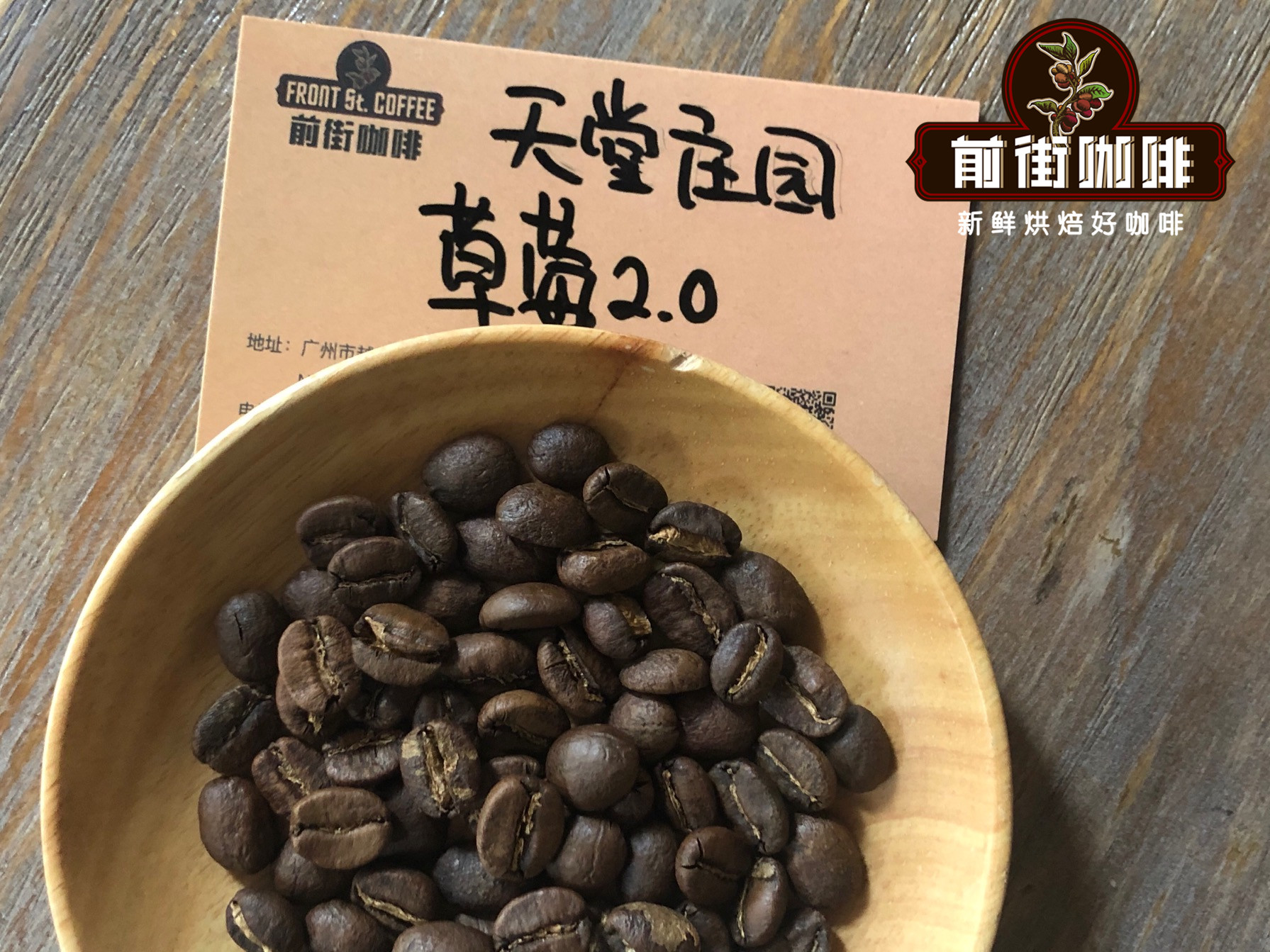
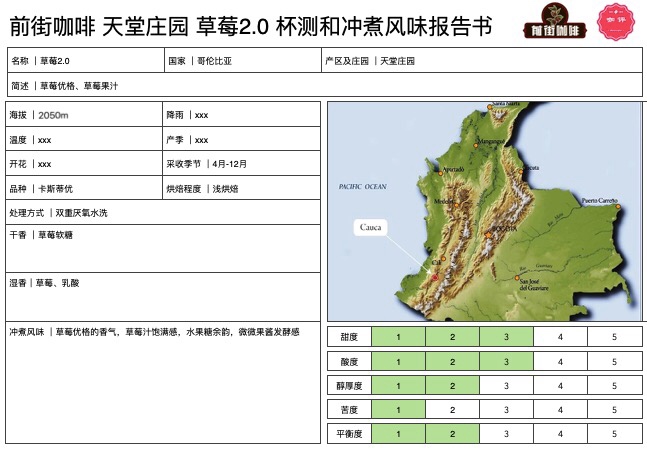
Colombia Finca El Paraiso Strawberry 2.0
Region: Cauca, Colombia
Estate: Finca El Paraiso
Altitude: 2050m
Processing: Double Anaerobic Washed
Variety: Castillo
The Growing Region
Cauca is an origin-certified region in Colombia with an average altitude of 1758m, peaking at 2100m. The Popayan plateau sits between Cauca's eastern and western mountain ranges, with the Patia basin to the south; the Patia River runs north to south into Narino province.
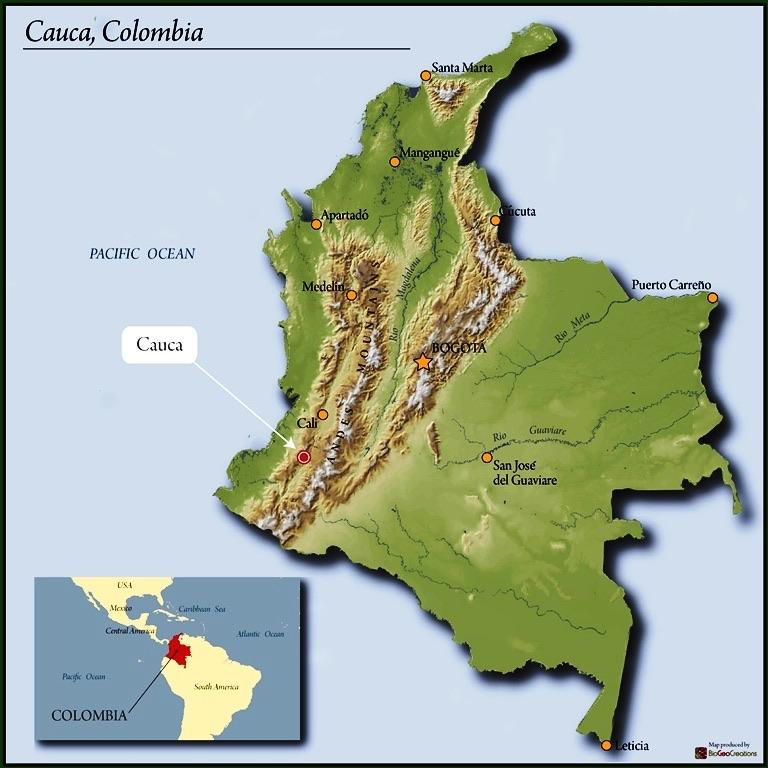
The mild climate, abundant rainfall, and fertile soil are ideal for coffee, though the sparse population makes harvesting demanding work. Farms here are small — averaging around 3 hectares — and the main harvest runs from April through December, with every cherry hand-picked. Cauca beans typically show delicate acidity, berry-like sweetness, caramel aromas, and a full, sweet sensation.
Finca El Paraiso
Diego Samuel began running Finca El Paraiso in 2008 as a small 2.5-hectare family estate, reinvesting the surplus from every harvest into coffee agricultural research in pursuit of ever-better specialty flavors.
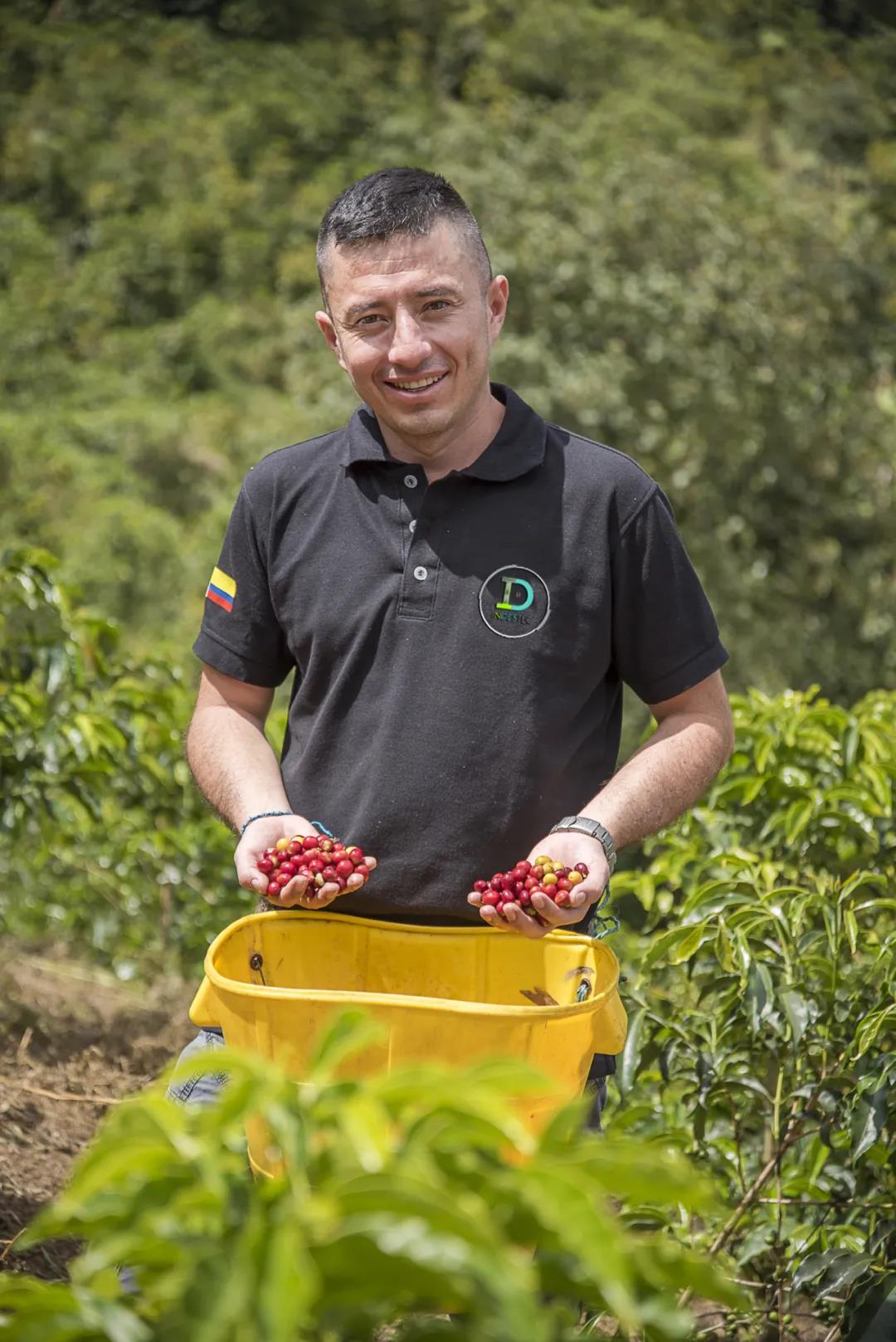
In 2015 he entered a regional competition for the first time and took first place with his Finca El Paraiso beans. The win brought recognition and spurred him on. Through his company Indestec (Innovacion y Desarrollo Tecnologico para la Caficultura), Diego developed new technologies to improve and stabilize coffee quality. He says he likes stepping out of his comfort zone because it keeps him improving.
Today Finca El Paraiso grows Bourbon, Laurina, Gesha, and Castillo, with plans to trial still more varieties.
The Variety
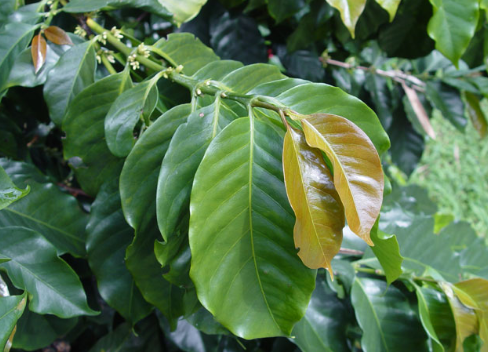
Castillo is Colombia's most widely planted variety, prized for its resistance to leaf rust. Starting in 1961, Cenicafe began researching the Timor variety with its Robusta lineage, releasing the disease-resistant Tabi (a Typica-Bourbon-Timor hybrid) in 2002 and, in 2005, the most successful resistant variety to date: Castillo. After the massive leaf rust outbreak of 2008, Colombia promoted Castillo aggressively.
Processing - Double Anaerobic Washed
Anaerobic fermentation, widely adopted in recent years, borrows from winemaking: carbon dioxide is injected into a sealed container to expel oxygen. In that oxygen-free environment, the sugars in the coffee mucilage break down more slowly and the pH drops more gradually, extending fermentation and building better sweetness and more balanced flavors.
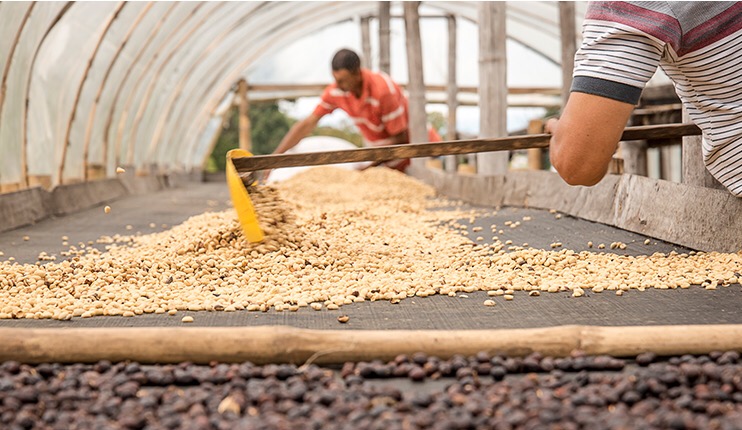
The double anaerobic washed process adds a second anaerobic fermentation on top: after the cherries leave the first anaerobic environment, machines remove the skin and pulp, and the beans — mucilage still on — go into plastic bags or other sealed containers for another oxygen-free ferment. Two anaerobic fermentations: hence "double anaerobic."
FrontStreet Coffee Roasting Notes
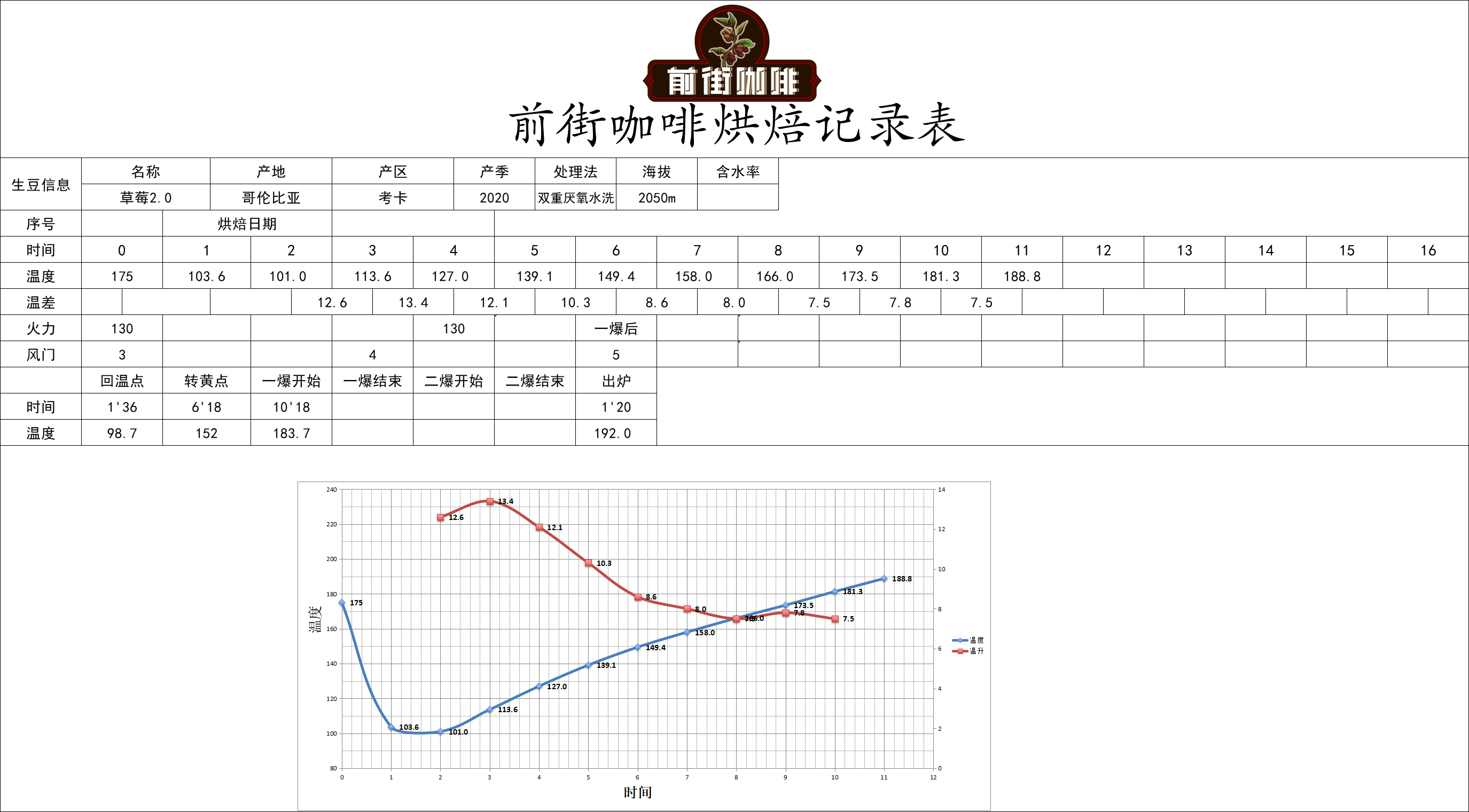
Fresh-crop beans carry higher moisture, so FrontStreet's roasters extend the drying phase to heat the bean surface and core evenly. A light roast was chosen to express this bean's acidity and floral-fruity aromatics.
FrontStreet Coffee Cupping Notes
FrontStreet Coffee Brewing Tips
To highlight this coffee's sweetness and strawberry character, FrontStreet roasted it medium-light. For medium-light beans we recommend 90-91°C water: a higher temperature draws out the aromatics and acidity of lighter roasts (the strawberry sweetness and bright acidity), and since these harder beans need a bit more push, warmer water improves extraction and avoids sharp, sour edges. The V60's wide opening and spiral ribs let air escape easily, improving extraction quality. The body won't be thick, but the high concentration of sweet-and-sour flavors and distinct aromatics are its hallmarks.
FrontStreet Coffee Brewing Parameters
Filter: V60
Water Temperature: 90-91°C
Dose: 15g
Grind Size: Fine sugar grind
FrontStreet Coffee Brewing Method
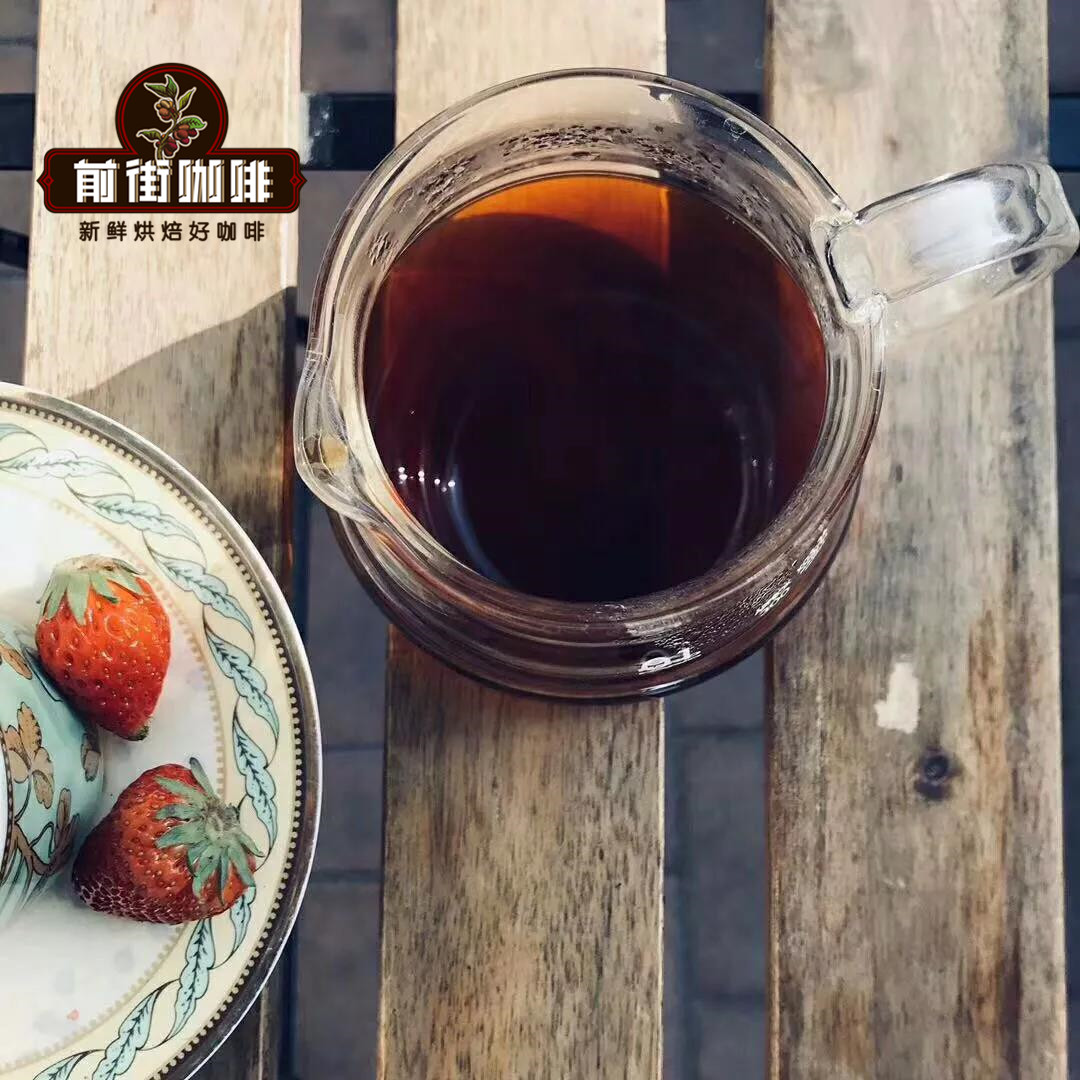
Pour 30g of water for a 30-second bloom, then add 95g more (scale reads about 125g), finishing in about a minute. When the level drops to two-thirds of the bed, pour the final 100g (scale reads about 225g), finishing at about 1 minute 40 seconds. Dripping ends at 2'03" — remove the dripper and the brew is complete.
Brewing Flavor
The aroma of strawberry yogurt, the acidity of strawberry juice, a fermented strawberry-jam sensation, and a honey-like aftertaste.
FrontStreet Coffee Recommendation
Colombian coffee is remarkably versatile — it anchors espresso blends, shines as single-origin pour-over, and spans everything from bright fruit-acid profiles to full-bodied, aromatic cups. A great starting point is the FrontStreet washed Huila: Huila, in the southern central cordillera, is Colombia's most famous specialty region, with hillside farms above 1500 meters fed by the meeting of the country's major rivers. Roasted medium-dark, it highlights black chocolate and nutty sweetness with a full body — great as pour-over or French press, and equally capable in a moka pot or espresso machine for americanos and lattes.
For something fruitier, the FrontStreet Finca Divisia Pink Bourbon shows how innovative processing has swept Colombia in recent years. Anaerobic fermentation — sometimes called carbonic maceration — takes place in pressurized stainless tanks where temperature, time, and pH are tightly controlled. This lot is double anaerobic natural processed and roasted medium-light: brewed by hand, as cold brew, or even in a moka pot, it yields a dense bouquet of passion fruit, grape, apricot, and dried fruit. And for home espresso machines or moka pots, baristas recommend the FrontStreet Premium Blend, which marries Brazil's creamy nuttiness with Colombia's dark chocolate bitterness, pulls a fine golden crema, and makes a rich, silky latte that's friendly to beginners and cafés alike.
Important Notice :
FrontStreet Coffee is a long-established specialty coffee roaster in Guangzhou China, selling freshly roasted beans from its own farm in Yunnan as well as dozens of carefully selected single-origin beans from around the world for both pour-over and espresso. The products deliver consistently excellent quality and great value, with shipping within 24 hours. Guangzhou's FrontStreet Coffee shop is recommended by many coffee lovers, and the beans are now available online at the Tmall 。
FrontStreet Coffee has moved to a new address:
FrontStreet Coffee Address: 315,Donghua East Road,GuangZhou
Tel:020 38364473
 Scan and follow the En Gafei WeChat official account. Please indicate that the reprint comes from "En Gafei".