Costa Rican Specialty Coffee Tarrazu Region Washed Processing Method Tarrazu Region Coffee Flavor Characteristics
When customers walk into FrontStreet Coffee, beginners often ask our baristas the same question: "Which coffee beans should I start with, and how do I pick beans that suit me?" Unless a customer already has a clear preference for a particular regional flavor, we usually point them straight to FrontStreet Coffee's Daily Beans. Only when someone asks specifically for "more distinctive regional character" do we recommend a single-origin coffee from a particular region. For enthusiasts who are still figuring out their own palate, the Daily Beans are the ideal entry point: at an approachable price, they showcase the signature flavors of each growing region, making it much easier to discover which style of coffee you love while building a basic sense of what each region tastes like.
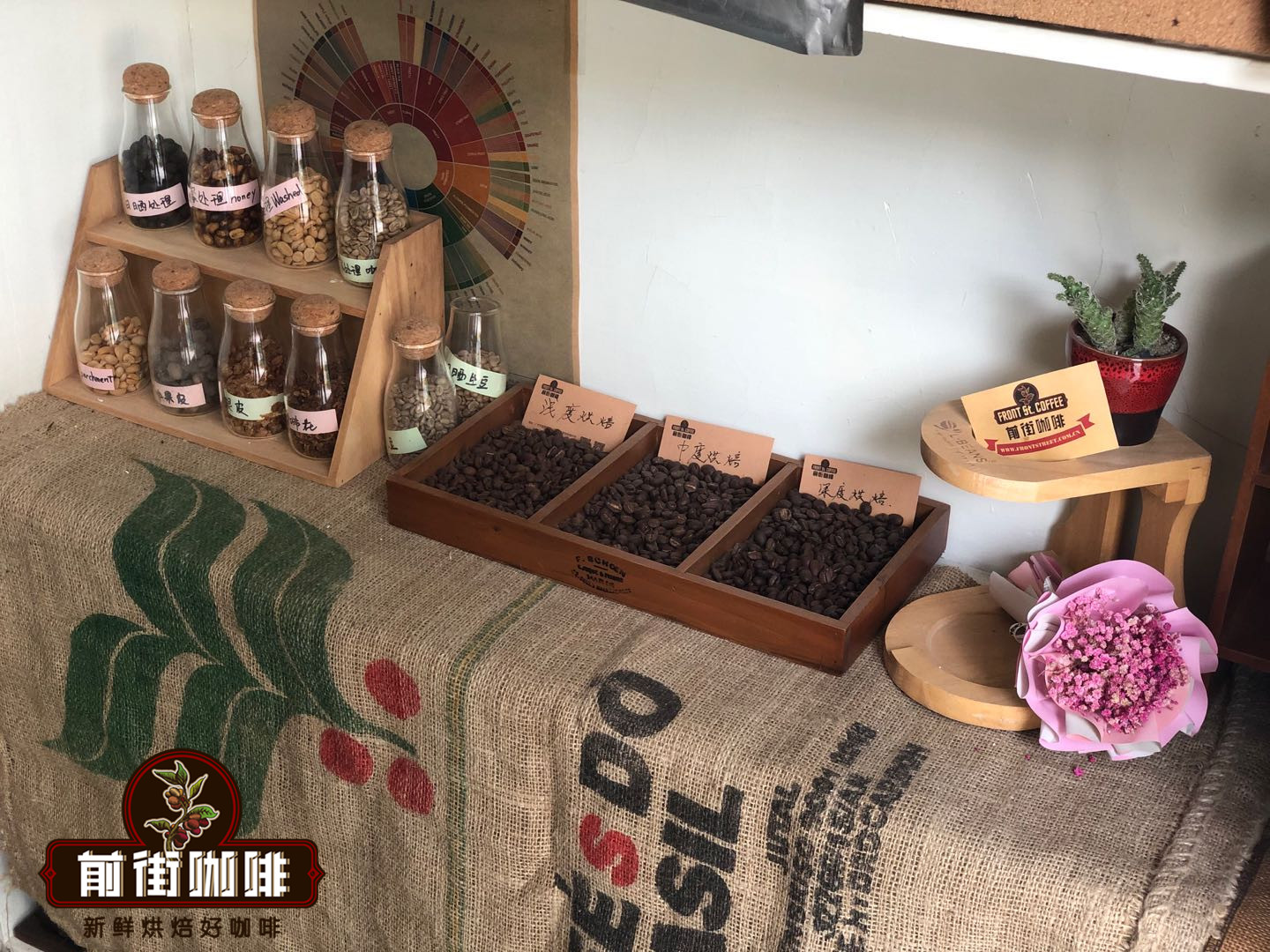
There is another reason most of the Daily Beans are washed coffees. Washing strips the fruit down to the bare bean, so what ends up in the cup is the region itself — the cleanest possible starting point for learning regional character. FrontStreet Coffee finds that washed coffees show brighter, more defined acidity, excellent clarity, a medium body, and the most consistent raw-bean quality of any processing method.
FrontStreet Coffee currently offers Daily Beans from seven origins: Ethiopia Yirgacheffe, Costa Rica Tarrazú, Colombia Huila, Indonesia Lintong Mandheling, China Yunnan Baoshan, Guatemala Huehuetenango, and Brazil South Minas.
In this article we take a closer look at the champion of flavor balance among the Daily Beans — Costa Rica Tarrazú — and explore what makes this region so special.
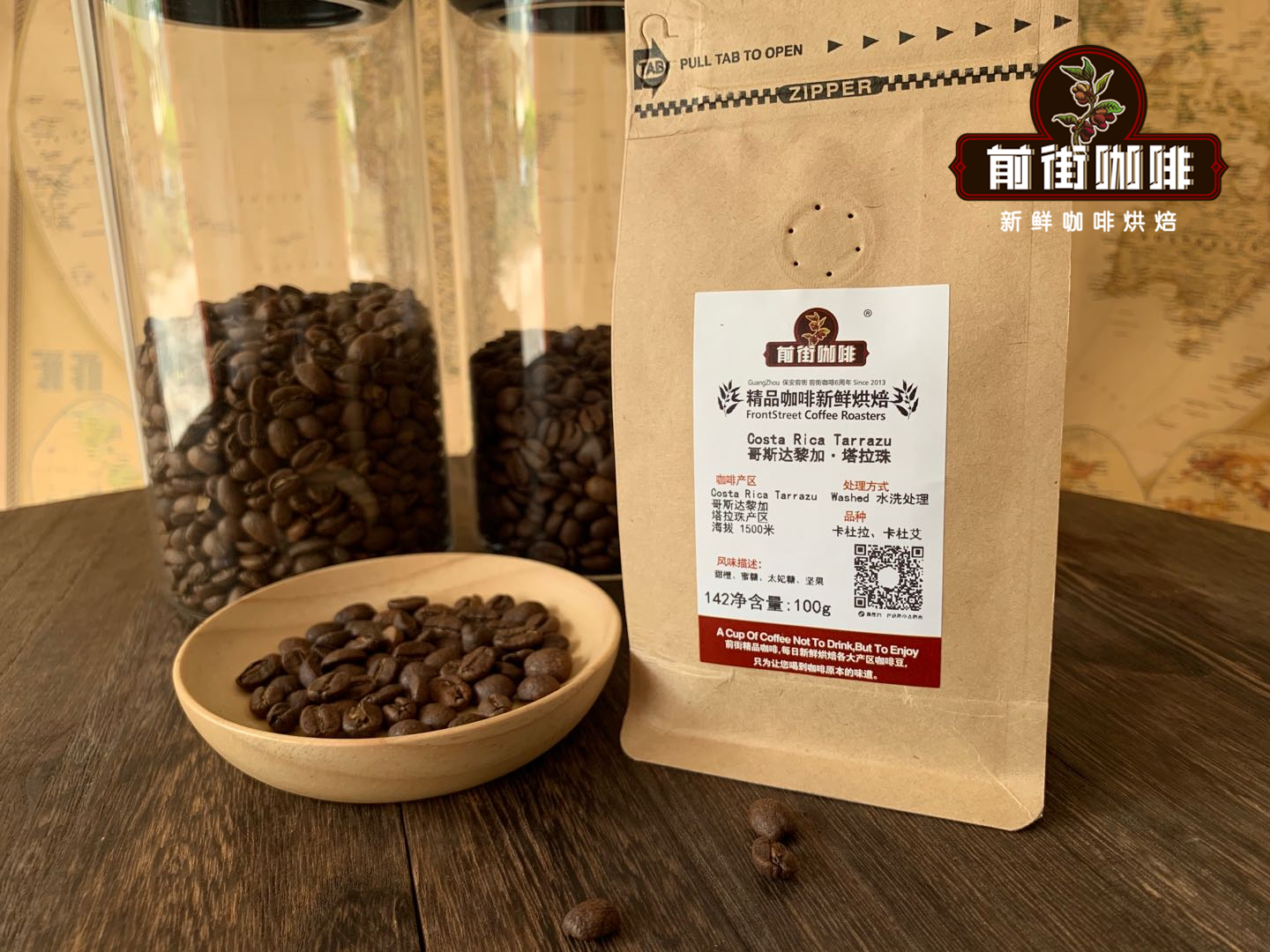
Costa Rica Tarrazú Coffee Profile
Country: Costa Rica
Region: Tarrazú
Altitude: 1,500 meters
Varieties: Caturra, Catuai
Processing: Washed
Flavor Notes: Sweet orange, honey, toffee, nuts
The Coffee Region: Tarrazú
Tarrazú lies south of San José, the capital, and is one of the most celebrated coffee-growing areas in Costa Rica. Its most famous name is La Minita Tarrazú, a coffee with a limited annual production of roughly 72,600 kilograms. It is grown on land called La Minita, which has belonged to the British McAlpine family for three generations. Although the La Minita estate could easily yield more than 450 tons of coffee a year, only about 160,000 pounds are released annually under the estate's own name. The reason is deliberate: La Minita coffee is grown without synthetic fertilizers or pesticides, and every cherry is harvested and sorted by hand, avoiding the damage that air-jet sorting can inflict on the beans.
At the 2014 Cup of Excellence, 17 of the 23 winning lots came from Tarrazú. The region sits in the fertile volcanic highlands of Central America, where a humid climate and deep volcanic soils create near-perfect growing conditions: generous annual rainfall, high altitude, and dense natural forest shade. No pesticides or artificial fertilizers are used during cultivation. Roughly 95% of the coffee grown at Tarrazú's high elevations qualifies as Strictly Hard Bean (SHB), a grade reserved for coffee raised above 1,500 meters.
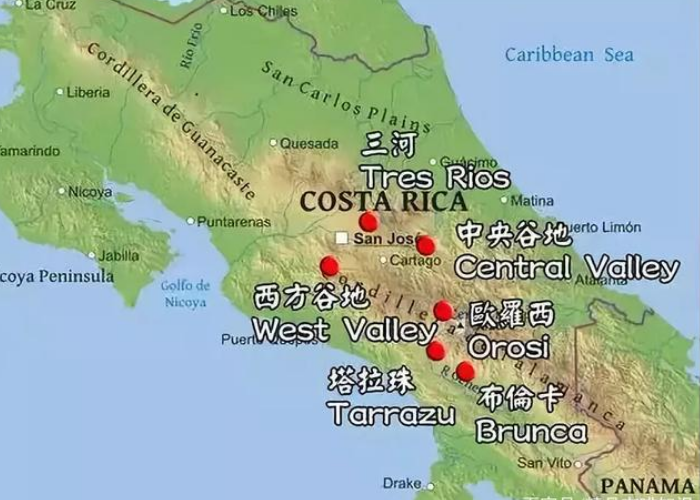
Today the Tarrazú cooperative counts 26 member farms. La Minita is among the most prestigious of them, producing in the neighborhood of 1 million pounds of coffee beans each year. After painstaking defect sorting, only about 15% of those beans earn the right to carry the La Minita name; the remainder is sold into the general market — where it still fetches higher prices than most other Central American coffees. The estate's uncompromising management of every stage of production, from nursery to export bag, is what built its world-class reputation.
Costa Rican coffee has long been prized for its balance, rich chocolate notes, and smooth texture. Tarrazú, tucked south of San José, stands at the top of the country's coffee hierarchy. Its beans are full-bodied and silky, with pronounced chocolate and nut aromatics, moderate acidity, and an enticing fragrance.
Coffee Varieties
Caturra is a natural dwarf mutation of Bourbon Arabica, discovered in Brazil in 1937. The plant is shorter and more compact than Bourbon. It inherits Bourbon's lineage and, unfortunately, its relatively weak disease resistance, but it out-yields its parent. Although Caturra was found in Brazil, the country's growing conditions never really suited it, so it was never widely planted there. Instead it took off across Central and South America, and is grown at scale in Colombia, Costa Rica, and Nicaragua.
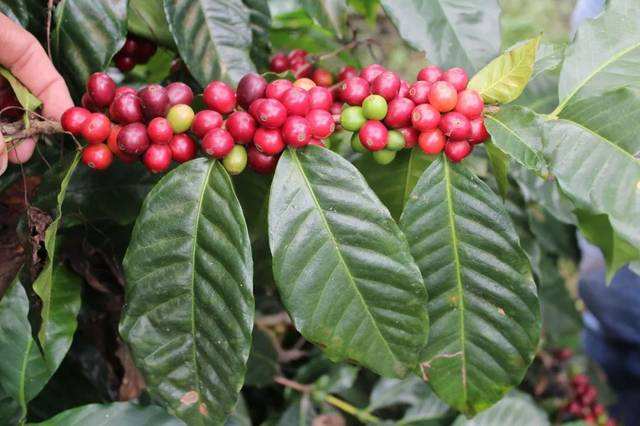
Catuai is a cross between Mundo Novo and Caturra — essentially a second-generation hybrid. It keeps Caturra's compact stature while fixing Caturra's main weakness: fragile cherries that drop easily in strong wind. Catuai's fruit holds firmly to the branch, which makes it far more wind-resistant. Its biggest shortcoming is a flavor profile that runs slightly flatter than Caturra's. Catuai comes in red- and yellow-fruited forms, with the red generally considered the better cup. Together with Caturra, Mundo Novo, and Bourbon, Catuai ranks among Brazil's four great coffee varieties.
The Washed Process
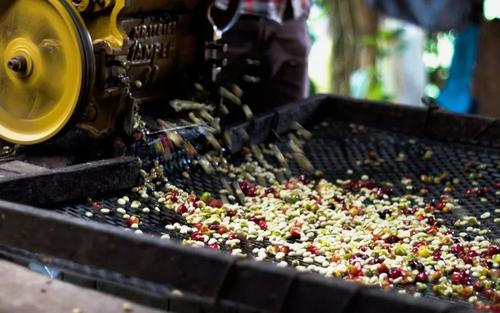
In washed processing, the picked coffee cherries go straight into a depulper, which strips off the skin and most of the pulp. The beans, still coated in sticky mucilage, are then submerged in water and left to ferment for about 24 hours. Once fermentation is complete, the parchment coffee is rinsed in channels of flowing water to wash away the remaining pulp and mucilage. The clean beans are then dried — in the sun or in mechanical dryers — until moisture content falls to roughly 12%, after which the parchment is milled away.
FrontStreet Coffee Brewing Recommendations
Water Temperature: 90-91°C
Grind Size: BG#6m (fine-sugar texture; 80% passing through a #20 sieve)
Coffee-to-Water Ratio: 1:15
Coffee Dose: 15 grams
FrontStreet Coffee Pouring Technique:
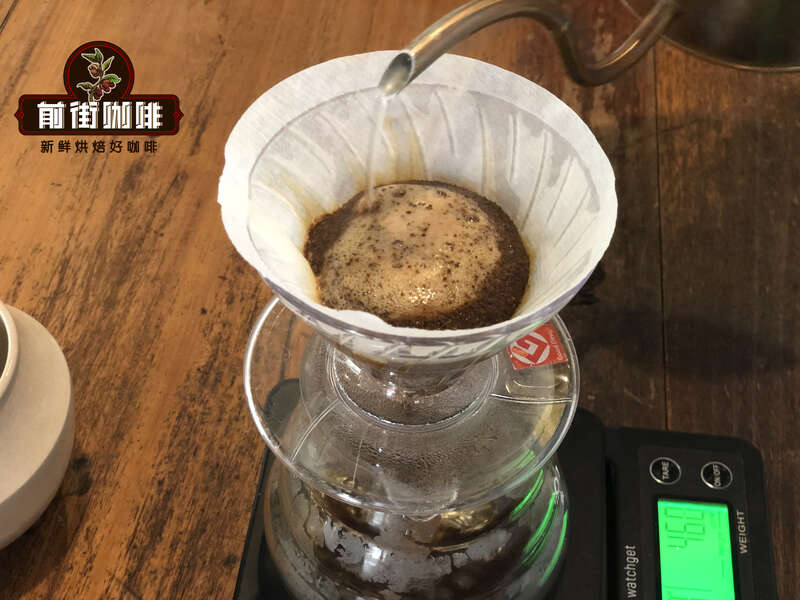
Start with a 30-gram bloom and let it sit for 30 seconds. Pour the next 95 grams in a slow spiral (the scale should read about 125 grams), finishing this pour in roughly 1 minute. Once the water level drops to two-thirds of the coffee bed, pour the final 100 grams (scale reading around 225 grams), completing it at about 1 minute 40 seconds. Drawdown finishes at 2'03"; lift the dripper off at that point to end the extraction.
In the Cup: The first sip brings sweet-tart orange, followed by clear nutty and chocolate flavors through the mid-palate. A long caramel finish lingers with a whisper of cedar, wrapping everything into a beautifully balanced cup.
FrontStreet Coffee Recommendation
If Tarrazú's balance has you curious about the other Daily Beans, FrontStreet Coffee's Washed Yirgacheffe Daily Coffee is the classic starting point for exploring Ethiopia. It is known for white jasmine florals, a bright citrus-lemon acidity, and a delicate tea-like body — and at an everyday price, it has become the first specialty bean for countless newcomers.
Yirgacheffe is a small town in Ethiopia's southern Sidamo zone, with elevations of roughly 1,700-2,100 meters; the coffee trees themselves grow above 1,800 meters, making it one of the highest coffee regions in the world. The area's signature white floral notes and lemon-citrus acidity have made the name Yirgacheffe practically synonymous with Ethiopian specialty coffee.
Brewing suggestions: use a V60 dripper with water at 90-91°C, a 15 g dose, a 1:15 ratio, and a medium-fine grind (fine-sugar size, 80% passing through a #20 sieve). Bloom with 30 g of water for 30 seconds, pour to 125 g over about 1 minute, then top up to 225 g once the bed drops to two-thirds, finishing the pour around 1'35". Drawdown completes in 2'00"-2'10" — remove the dripper and enjoy.
Important Notice :
FrontStreet Coffee is a long-established specialty coffee roaster in Guangzhou China, selling freshly roasted beans from its own farm in Yunnan as well as dozens of carefully selected single-origin beans from around the world for both pour-over and espresso. The products deliver consistently excellent quality and great value, with shipping within 24 hours. Guangzhou's FrontStreet Coffee shop is recommended by many coffee lovers, and the beans are now available online at the Tmall 。
FrontStreet Coffee has moved to a new address:
FrontStreet Coffee Address: 315,Donghua East Road,GuangZhou
Tel:020 38364473
 Scan and follow the En Gafei WeChat official account. Please indicate that the reprint comes from "En Gafei".