Ethiopia Yirgacheffe Origin Flavor Characteristics of Washed Yirgacheffe Coffee Beans
Introduction to FrontStreet Coffee's Daily Beans
Many fans first got to know FrontStreet Coffee through its daily beans line. Those unfamiliar with the series sometimes assume that "daily beans" merely caters to curious novices, or that low promotional prices must mean poor quality and muddled flavors. In fact, FrontStreet Coffee's daily beans are the flagship representatives of its origin lineup: each one delivers highly recognizable regional character at a genuinely affordable price.
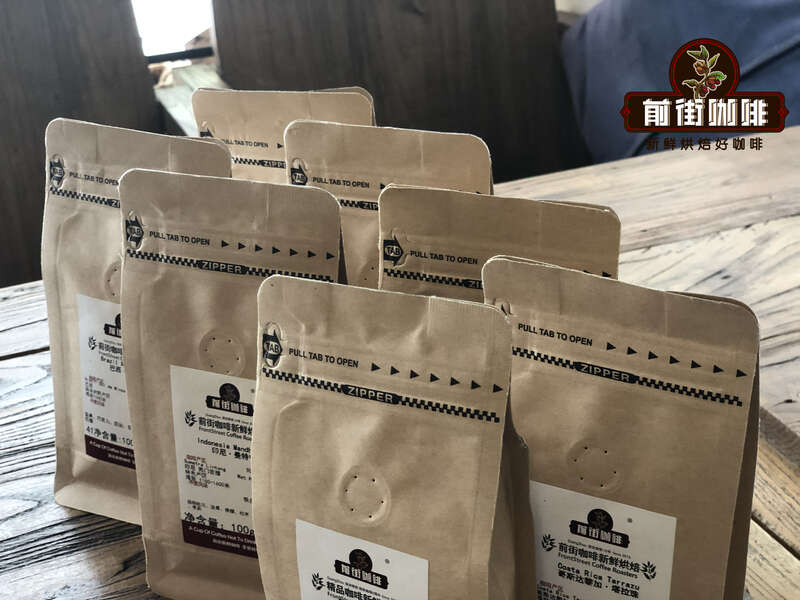
When adding a "daily bean" to the range, FrontStreet Coffee carefully selects lots that best express the authentic local flavor of a major growing region, offering them in 100g portions at reasonable prices. The idea is simple: every beginner, enthusiast, and explorer should be able to learn the baseline flavor of each origin without breaking the bank — the citrus and lemon acidity of Yirgacheffe, the heavy body and herbal notes of Mandheling, the nut-and-chocolate character of Brazil and Colombia, and so on.
FrontStreet Coffee currently offers daily beans from seven origins: Ethiopia Yirgacheffe, Costa Rica Tarrazú, Colombia Huila, Indonesia Lintong Mandheling, China Yunnan Baoshan, Guatemala Huehuetenango, and Brazil Minas Gerais.
Spotlight on Ethiopia Yirgacheffe
Let's take a closer look at the refreshing standard-bearer of the daily beans line — Ethiopia Washed Yirgacheffe — and what makes this region so special.
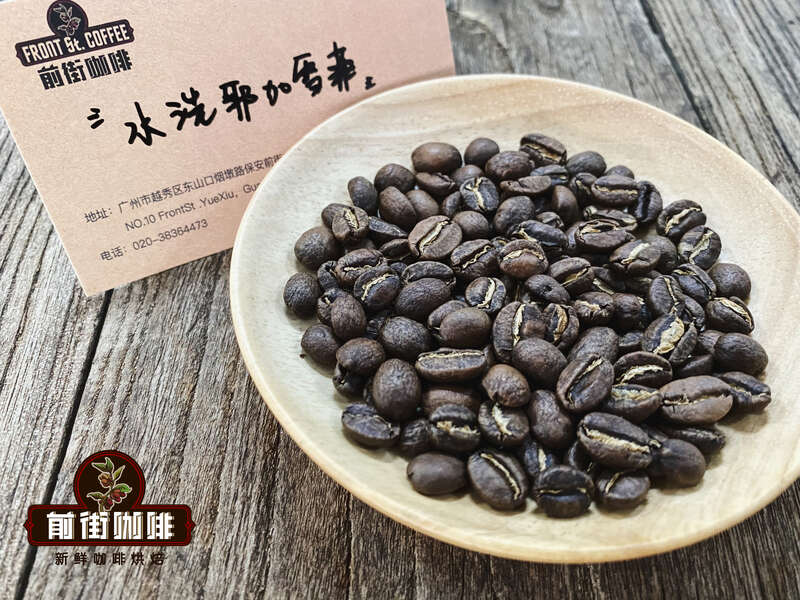
Country: Ethiopia
Region: Yirgacheffe
Altitude: 1,800–2,000 meters
Variety: Local heirloom
Process: Washed
Flavor: Jasmine, berries, lemon, citrus
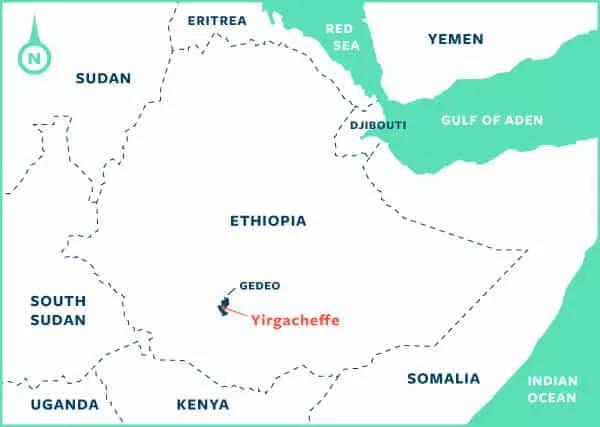
Yirgacheffe is a small town in Ethiopia's Gedeo zone, sitting at 1,700–2,100 meters — one of the highest coffee-growing areas in the world and practically synonymous with Ethiopian specialty coffee. Lakes Turkana, Abaya, and Chamo feed abundant moisture into the area. Mist hangs over the rift valley much of the year — a spring-like, breezy, cool and humid climate in which thousands of coffee varieties thrive. This is what shapes Yirgacheffe's unmistakable terroir: interwoven, ever-shifting floral and fruity aromatics. The "Yirgacheffe flavor" means rich citrus-lemon acidity, intense jasmine florals, and a light, tea-like body — as clean and refreshing as lemon tea.
Traditionally, Yirgacheffe coffee was processed using the oldest method of all — natural drying — but early naturals were often dried directly on the ground, picking up earthy and dusty taints, and with little screening, quality was generally mediocre. In 1972, Ethiopia adopted washing techniques from Central and South America, which made Yirgacheffe's jasmine fragrance and citrus-lemon brightness far cleaner and more vivid, elevating it to one of the world's benchmark specialty coffees.
The Washed Process
Ripe cherries are fed into a depulper to remove the skin and most of the pulp; the beans, still coated in mucilage, then ferment in water for about 24 hours. After fermentation, the parchment-covered beans are washed in channels to strip away the remaining mucilage, then sun-dried or machine-dried until moisture falls to around 12%. Finally, the parchment is hulled off.
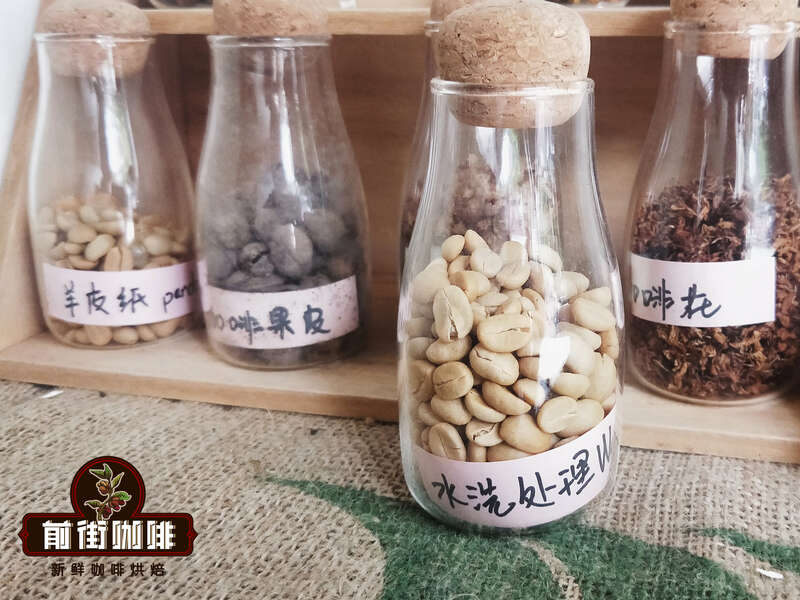
FrontStreet Coffee considers washing the best way to showcase a coffee's clean mouthfeel and pure flavor expression, so when profiling the signature flavors of a region, its roasters use washed lots as the reference. For anyone trying Yirgacheffe for the first time, FrontStreet Coffee recommends starting with the washed version to build a feel for the regional character — natural, honey, and other process lots can then be explored with a clear point of comparison.
Yirgacheffe Coffee Varieties
Yirgacheffe coffees are local heirlooms. Most Ethiopian varieties are labeled "Heirloom" largely because the country holds an astonishing wealth of genetic diversity — Ethiopia is effectively a natural gene bank of Arabica. On one hand, sheer variety numbers make identification and classification difficult; on the other, the Ethiopian government, for reasons of protecting its genetic resources, does not disclose detailed variety information. The term itself arose after the specialty coffee movement began, when buyers unable to tell Typica and Bourbon apart simply grouped these unfamiliar varieties together as "heirloom."
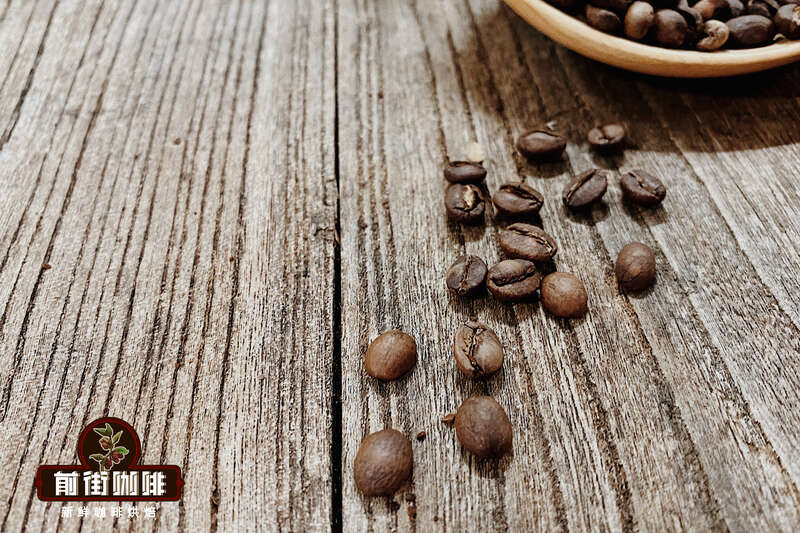
Attentive observers will notice that Yirgacheffe beans vary noticeably in size — a result of so many varieties being processed together. Ethiopia has nearly 2,000 recorded coffee varieties: 1,927 native ones and 128 introduced from abroad. In appearance alone, Ethiopian coffee runs the full gamut — long, short, slender, plump. All of FrontStreet Coffee's Ethiopian beans are small-grain types, relatively round and quite small, mostly between screen size 14 and 15.
How FrontStreet Coffee Roasts Washed Yirgacheffe
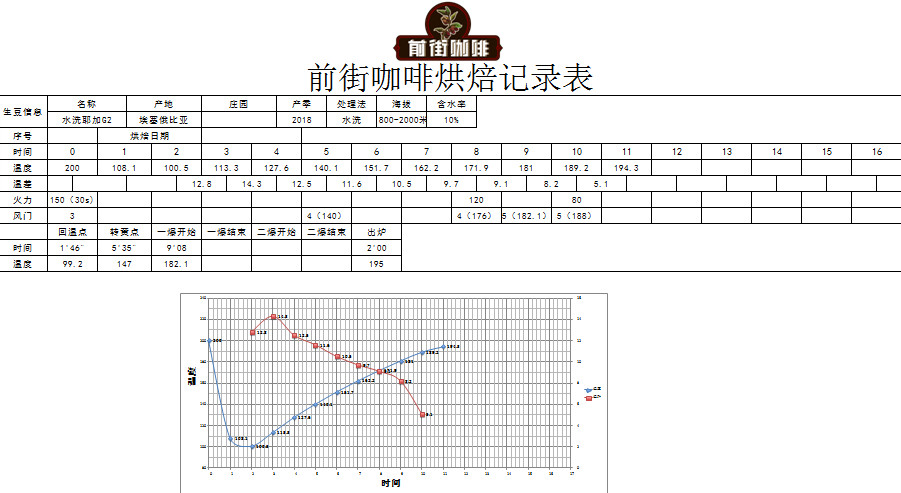
To preserve the bright citrus acidity and floral character of washed Yirgacheffe, FrontStreet Coffee's roasters use a light-medium profile: charged at 200°C, yellowing at 5'35", first crack at 9'08" and 182.1°C, followed by two minutes of development and a drop at 195°C.
FrontStreet Coffee Brewing Recommendations
Water Temperature: 90–91°C
Grind Size: BG#6 (fine-granulated-sugar texture; 80% pass-through on a #20 sieve)
Coffee-to-Water Ratio: 1:15
Dose: 15 grams
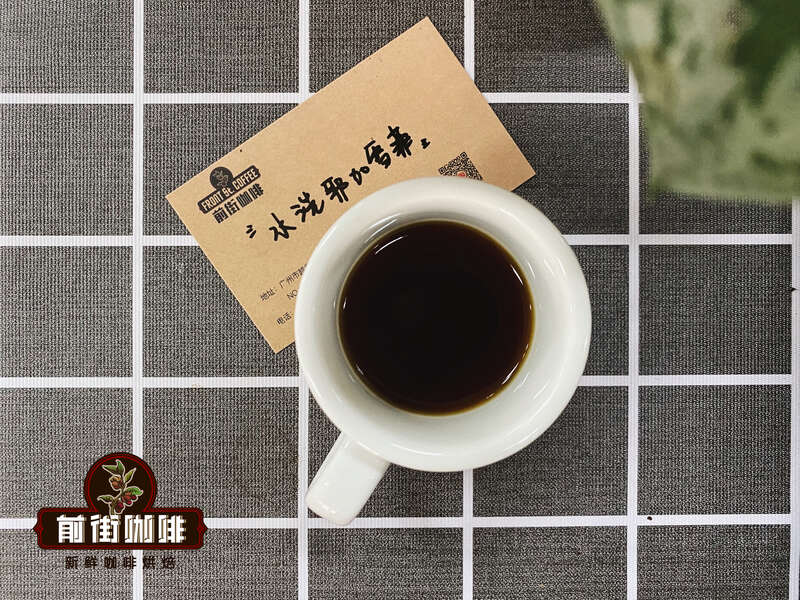
FrontStreet Coffee's brew method: Pour 30g of water for a 30-second bloom, then pour 95g more (scale reads about 125g), finishing within about a minute. Once the water level falls to two-thirds of the coffee bed, pour the remaining 100g (scale reads about 225g), finishing around 1'40". Drainage completes at 1'55"–2'00"; remove the dripper.
In the cup: jasmine aroma, a berry-juice juiciness, lemon and citrus acidity — bright, clean, and refreshing throughout.
FrontStreet Coffee Recommendation
Once the washed profile is familiar, FrontStreet Coffee's Natural Red Cherry Yirgacheffe makes a fascinating comparison from the same region. It uses full-red-cherry natural processing: only perfectly ripe, defect-free cherries are picked, screened again at the station, and dried on raised beds, turned every two to three hours in the early days to prevent uneven fermentation, for three to five weeks in the sun.
Because the cherries dry with the fruit intact, the cup keeps classic Yirgacheffe character while adding tropical fruit from the natural process — citrusy acidity, a berry-juice juiciness, honeyed sweetness, and a creamy-smooth body.
Important Notice :
FrontStreet Coffee is a long-established specialty coffee roaster in Guangzhou China, selling freshly roasted beans from its own farm in Yunnan as well as dozens of carefully selected single-origin beans from around the world for both pour-over and espresso. The products deliver consistently excellent quality and great value, with shipping within 24 hours. Guangzhou's FrontStreet Coffee shop is recommended by many coffee lovers, and the beans are now available online at the Tmall 。
FrontStreet Coffee has moved to a new address:
FrontStreet Coffee Address: 315,Donghua East Road,GuangZhou
Tel:020 38364473
 Scan and follow the En Gafei WeChat official account. Please indicate that the reprint comes from "En Gafei".