Comprehensive Guide to Coffee Bean Varieties: Descendants of Ancient Typica and Bourbon
Famous Coffee Varieties Derived from Bourbon and Typica
With the growth of the specialty coffee industry, more and more coffee varieties have been cultivated. Many of them trace back to the two oldest coffee varieties, Bourbon and Typica. This time, FrontStreet Coffee discusses the famous varieties derived from Bourbon and Typica, exploring the unique characteristics and flavor profiles of each.
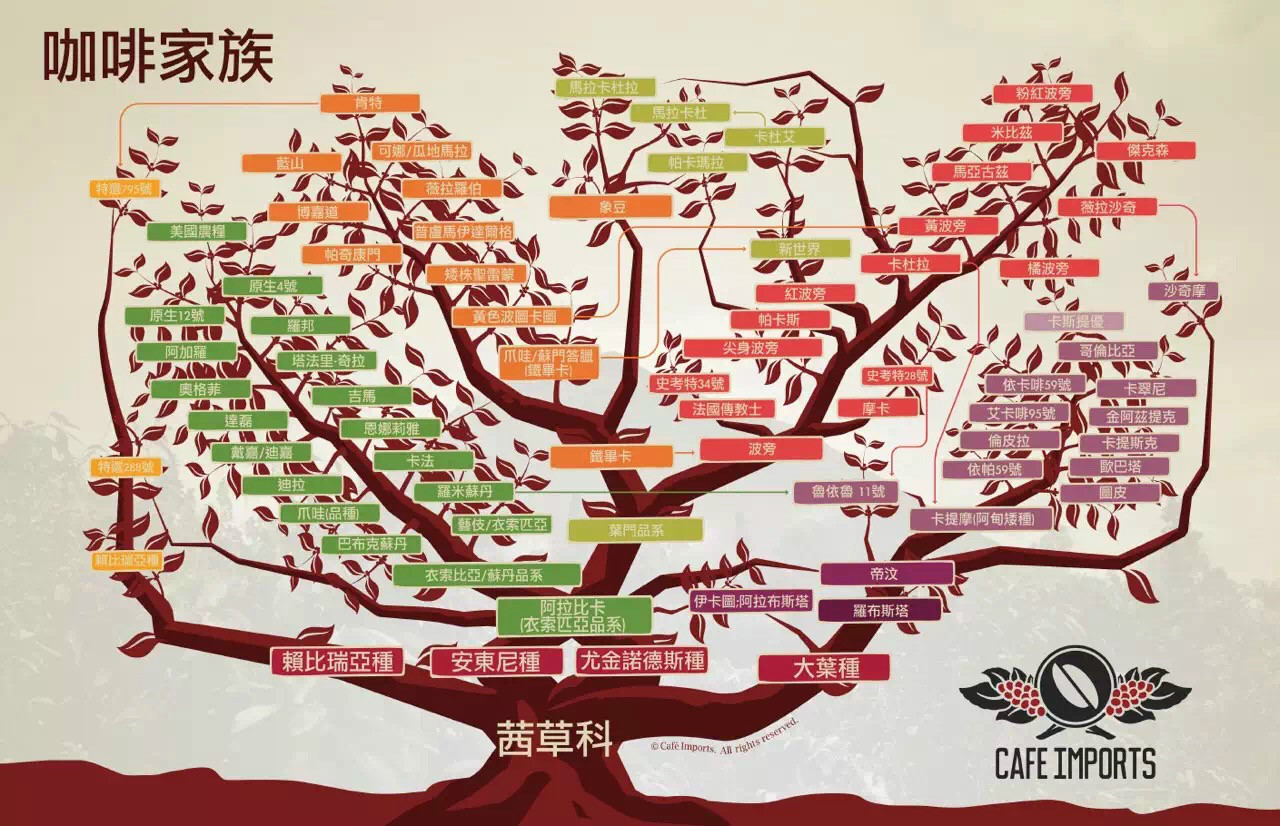
Typica
Typica is a sub-variety of Arabica coffee. The Typica variety first grew on the island of Martinique. Today Central America, Jamaica, the Kona region of Hawaii, Papua New Guinea, and East Timor are the main coffee-growing areas for Typica. To get higher yields from high-quality Typica, the variety is usually cross-bred with other species. Typica coffee is renowned for its sweetness, and some of the world's finest coffees come from the Typica family, including Blue Mountain, Sumatra, and Kona.
Typica trees have distinctive traits and are perhaps the most easily recognized variety. The plants have a conical shape with a main vertical trunk that can reach up to 5 meters in height. That height means the distance between branches, and between nodes on the same branch, is longer than in other varieties. The lateral branches form angles of 50 to 80 degrees with the vertical trunk. Neither the trunk nor the branches are very robust, and the leaves, fruit, and green beans are typically elongated. The tips of young leaf buds are bronze-colored. Compared with other Arabica varieties, Typica leaves have smoother surfaces with fewer wavy edges. Typical Typica fruit turns bright red when ripe.
The bronze-colored top leaves of Typica are one of its hallmarks. The beans are relatively large, with a pointed oval or slender pointed shape, which leads some to call it "red-topped coffee." Typica has a unique elegant, clean flavor and balanced character, with a high degree of cleanliness on the palate. Its drawbacks are insufficient yield, a demand for high altitude, and susceptibility to leaf rust, along with weak resistance to pests and disease.
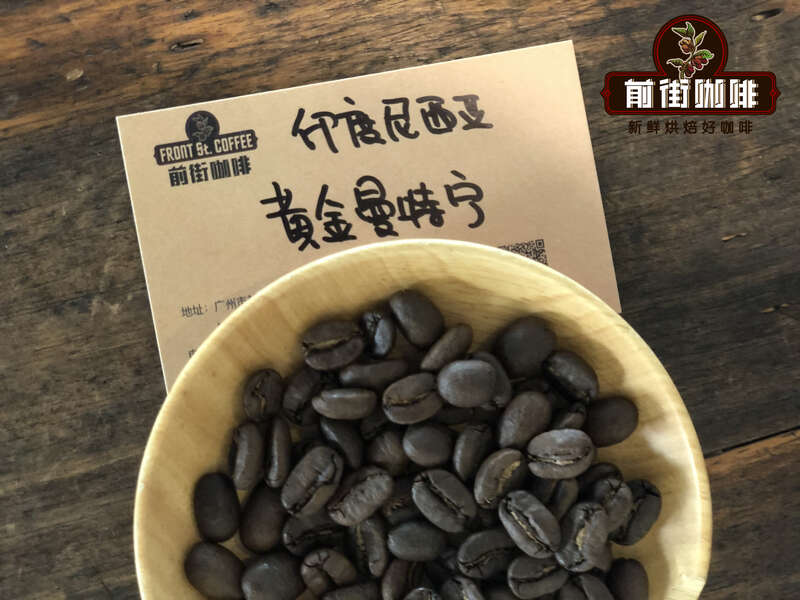
Representative Coffee - FrontStreet Coffee Indonesia Golden Mandheling Coffee Beans
Origin: Sumatra Island, Indonesia
Altitude: 1200-1500m
Processing Method: Wet-hulled
Variety: Typica
Brewing Flavor: Multi-layered, clean, balanced, with persistent caramel sweetness in the aftertaste.
Famous Coffee Varieties Derived from Typica
Blue Mountain Typica
In the 1720s, Blue Mountain Typica was transplanted from Martinique to Jamaica's Blue Mountains. After more than 200 years, it has evolved better disease resistance, particularly superior resistance to fruit rot disease compared with typical Typica. When grown outside Jamaica, however, Blue Mountain Typica cannot replicate its characteristic sweet, elegant qualities.
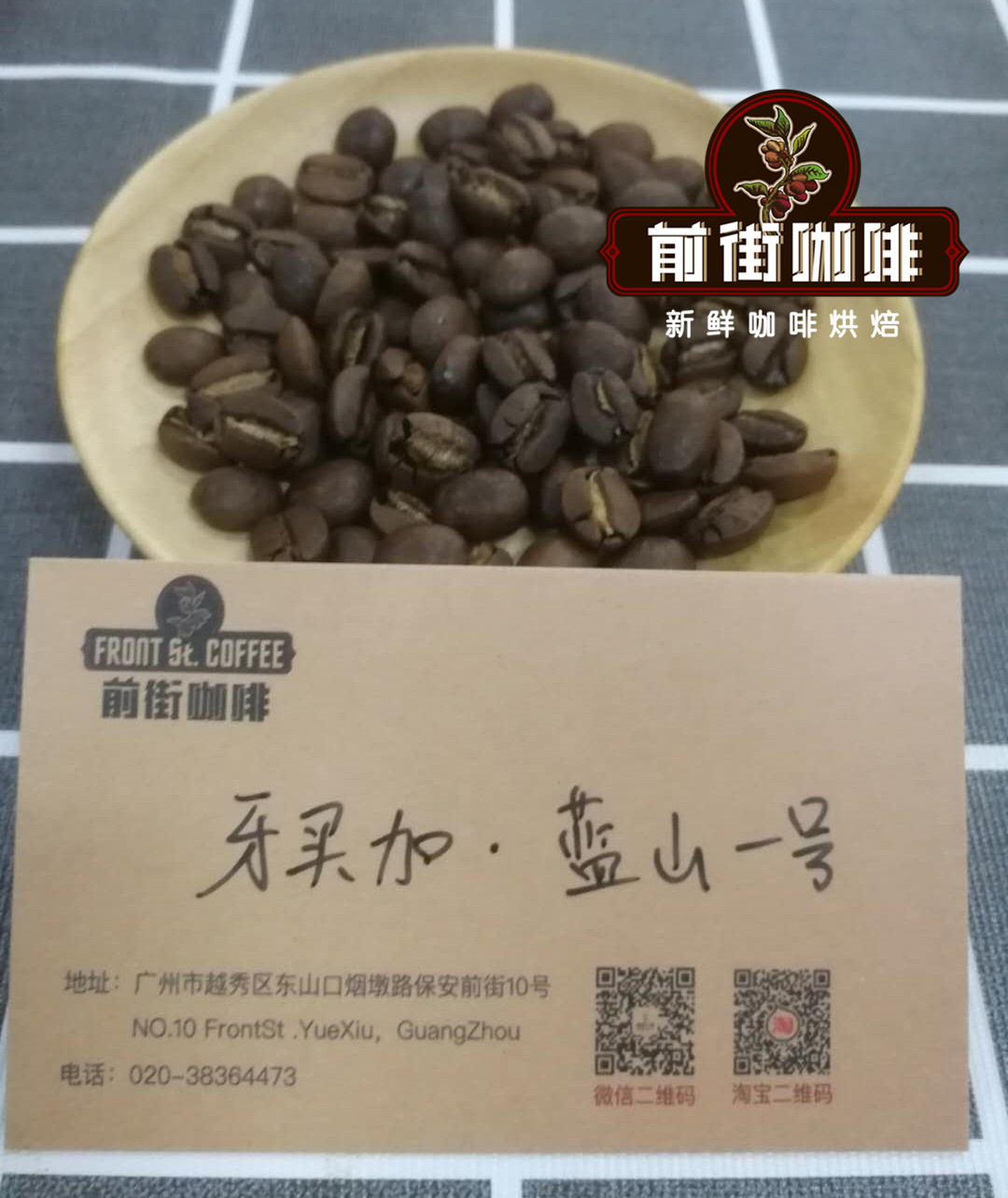
Representative Coffee - FrontStreet Coffee Jamaica Blue Mountain Coffee
Region: Jamaica Blue Mountains
Estate: Clifton Farm
Altitude: 1310m
Variety: Typica
Processing: Washed
Brewing Flavor: Rich dark chocolate and nutty flavors, a creamy smooth mouthfeel, with balanced sweet, sour, and bitter notes.
Hawaii Kona
Seeds considered the ancestor of American coffee were planted in Hawaii from Brazil in 1825. The most famous and traditional Hawaiian coffee is produced on the island of Kona, on the southwest coast. As the only coffee produced in the United States, Kona's volcanic soil nurtures this aromatic, mellow coffee. Kona has moderate acidity with subtle wine-like aromas, offering a very rich mouthfeel and an irresistible fragrance. Although grown at an altitude of only a few hundred meters, Kona from Hawaii's Big Island, blessed with gentle sea breezes and fertile volcanic soil, possesses exceptionally clean acidity and sweetness. It can be said to surpass even the higher-altitude Blue Mountain in quality.

Representative Coffee - FrontStreet Coffee Hawaii Kona Coffee Beans
Region: Hawaii Kona
Farm: Queen's Estate
Altitude: 1100m
Variety: Typica
Processing: Washed
Brewing Flavor: Walnut, caramel, berries, bramble, plums, nuts, cream, overall clean with rich layers.
Java
Java originally grew as a coffee tree species in the primeval forests of Ethiopia, was collected by local people, and then passed through Yemen to Indonesia, where it was named Java. It was long believed that Java was a variant of Typica, but genetic comparison showed that Java is actually a coffee variety from Ethiopia called Abysinia.
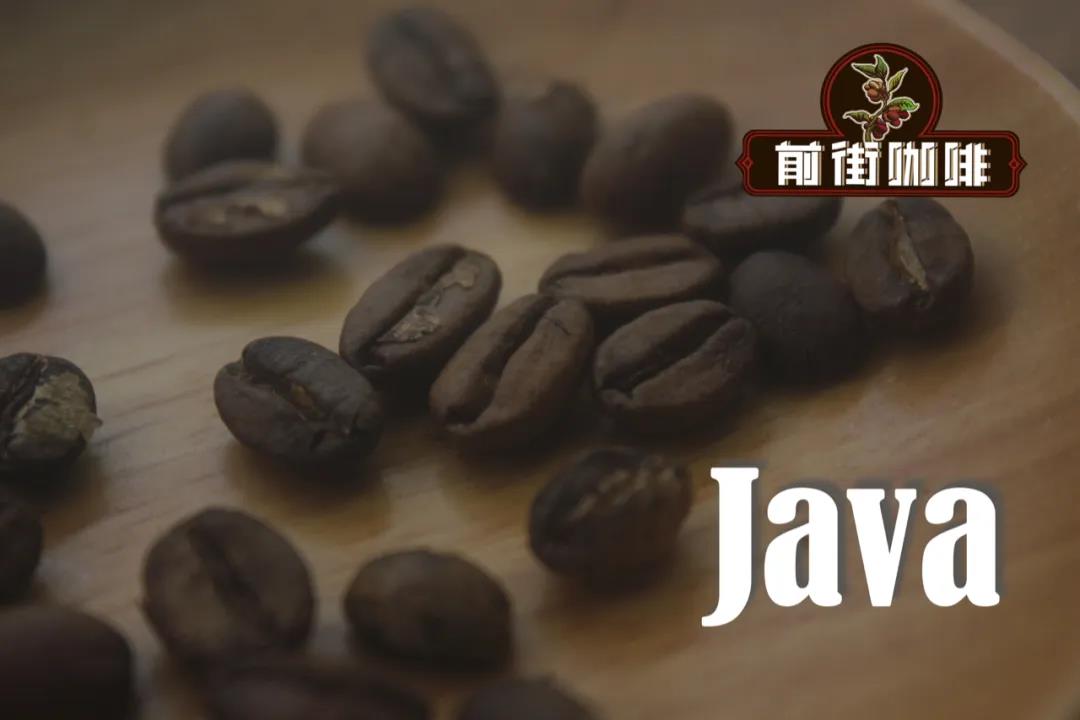
Representative Coffee - FrontStreet Coffee Bolivia Java Coffee Beans
Coffee Region: La Paz
Growing Altitude: 1600 meters
Coffee Variety: Java
Processing Method: Cocoa Natural
Maragogype
Discovered as a Typica variant in Brazil, its beans are three times larger than regular coffee beans. Maragogype has low fruit yield, large beans, and troublesome post-harvest processing, so it is not widely cultivated. Brazil, Colombia, Guatemala, Nicaragua, and El Salvador keep small-scale plantings.
Geisha - Typica's Close Relative
The Geisha variety was discovered in 1931 in the Geisha forest of Ethiopia. It was then sent to Kenya's Coffee Research Institute, introduced to Uganda and Tanzania in 1936, to Costa Rica in 1953, and to Panama in 1970.
At first Geisha received little attention, until Panama's Hacienda La Esmeralda separated it from other varieties in 2003 and it became champion of the BOP competition in 2004. Only then did the Geisha variety officially come into everyone's view.
Although Geisha's flavor is exquisite, that elegance comes from specific growing conditions. Geisha is very particular about its environment, requiring high altitude, cloud and shade or extensive shade trees, and fertile soil. High-altitude Geisha coffees have obvious floral aromas and a refined, elegant fruit acidity. That elegance is also one reason for its global popularity.
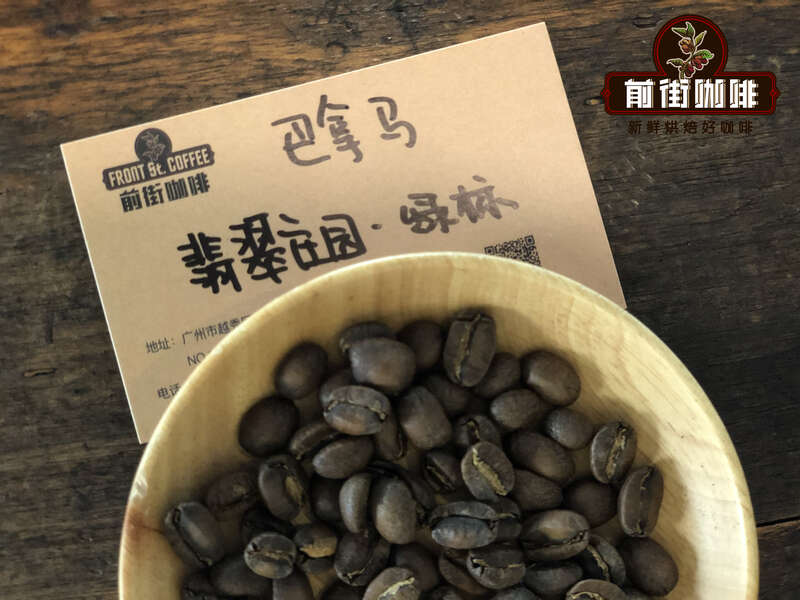
Representative Coffee - FrontStreet Coffee Hacienda La Esmeralda Green Label Coffee Beans
Region: Boquete, Panama
Estate: Hacienda La Esmeralda
Altitude: 1600-1800 meters
Processing Method: Washed
Variety: Geisha
Brewing Flavor: Rich jasmine floral aroma and high sweetness on entry, citrus, berries, a juicy sensation, cream, green tea, orange peel, cantaloupe, overall rich flavor layers, with persistent floral and citrus notes in the aftertaste.
Bourbon
A variety mutated from Typica, it is currently one of the varieties closest to the original species along with Typica. Bourbon spread from southwestern Ethiopia to Yemen, its bean shape changing from slender pointed to round. In 1715, France transplanted round Yemen Mocha beans to Bourbon Island off the east coast of Africa (renamed Reunion Island after the French Revolution), and it was named Bourbon. The round Bourbon beans were passed to Brazil and Central and South America in 1727. In 1732, Britain also transplanted Yemen Mocha to St. Helena Island (later where Napoleon was imprisoned), which were likewise round Bourbon beans. Bourbon is the perennial champion in American specialty coffee cuppings, and it produces 20-30% more fruit than Typica.
Bourbon series characteristics: complex acidity, caramel sweetness, balance. Bourbon trees are tall and vigorous, with wider, slightly serrated green leaves. The solid beans are relatively small and grow more densely, so they look smaller and rounder than Typica's. The fruit comes in red, yellow, and orange, varying by variant and soil, with red the most common. Although Bourbon's fruit yield is higher than Typica's, it is still considered a low-yield variety, highly susceptible to leaf rust, berry disease, and nematodes. To produce uniquely superior beans, it should be grown at 1,100 to 2,200 meters.
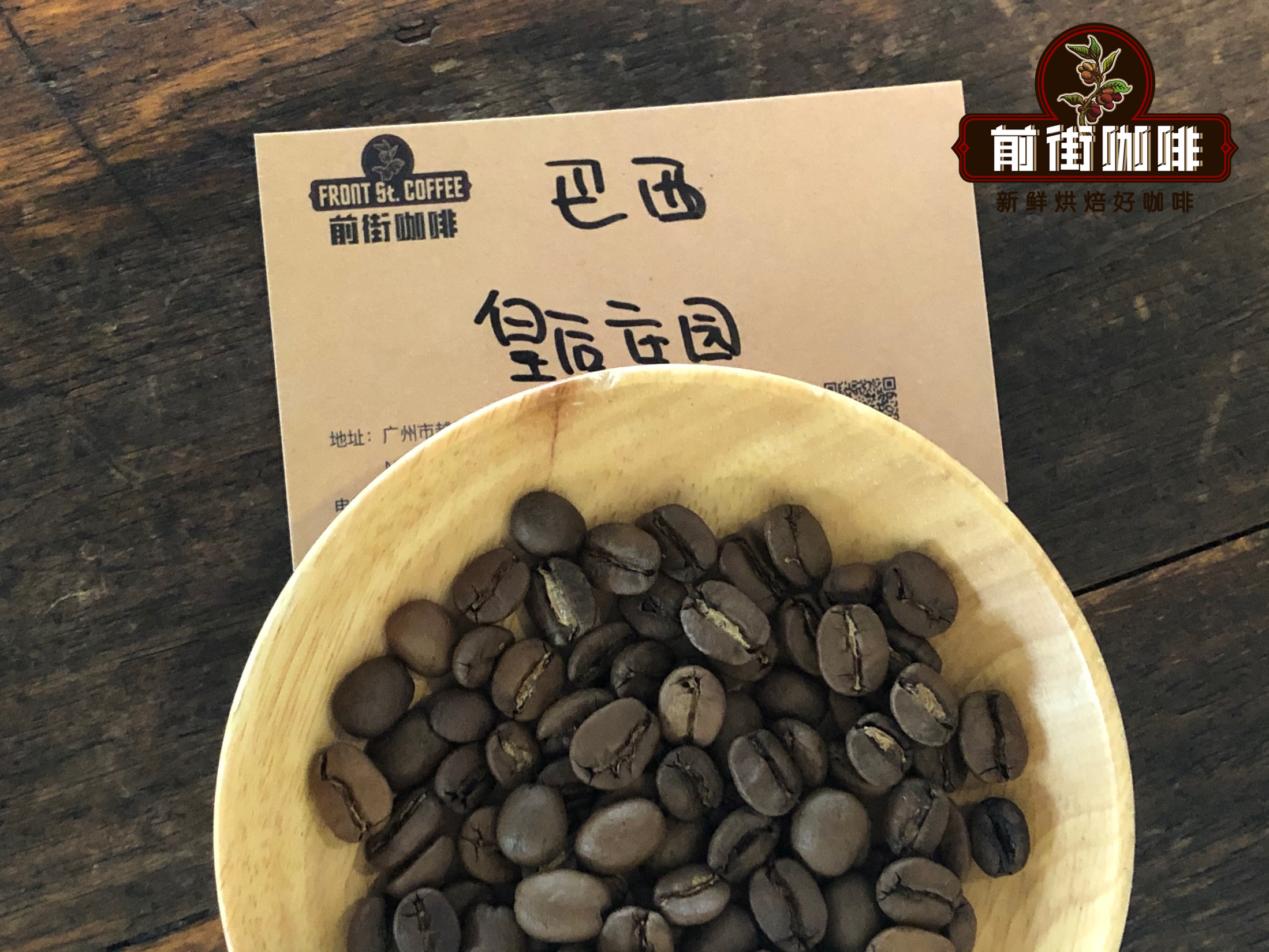
Representative Coffee Beans - FrontStreet Coffee Brazil Queen's Estate Coffee Beans
Region: Mogiana
Altitude: 1400-1950m
Variety: Yellow Bourbon
Processing: Natural
Brewing Flavor: Fresh sweetness of sugarcane juice, black tea, smooth fruit sweetness, distinct nutty flavors, balanced and gentle acidity, weak and clean bitterness, with rich chocolate aroma and nutty flavors, a bright and refreshing taste, and a smooth, delicate mouthfeel.
Famous Coffee Varieties Derived from Bourbon
Pacas
A natural variant of Bourbon. In 1935, Salvadoran coffee farmer Don Alberto Pacas selected high-yield San Ramón Bourbon varieties to transplant to his farm. In 1956, his trees produced more fruit than others of the same type, and Dr. William Cogwill, a professor at the University of Florida, determined that this was a genetic mutation of Bourbon and named it "Pacas." Pacas has high yield and is classified as a dwarf variety along with Caturra, but it yields well and keeps good quality at high altitude. It accounts for 25% of El Salvador's production. It is more wind-resistant than Bourbon, has a similar flavor, and is susceptible to most coffee diseases and pests. It is quite popular in Central America. El Salvador currently has 68% Bourbon varieties, with Pacas accounting for 29%.
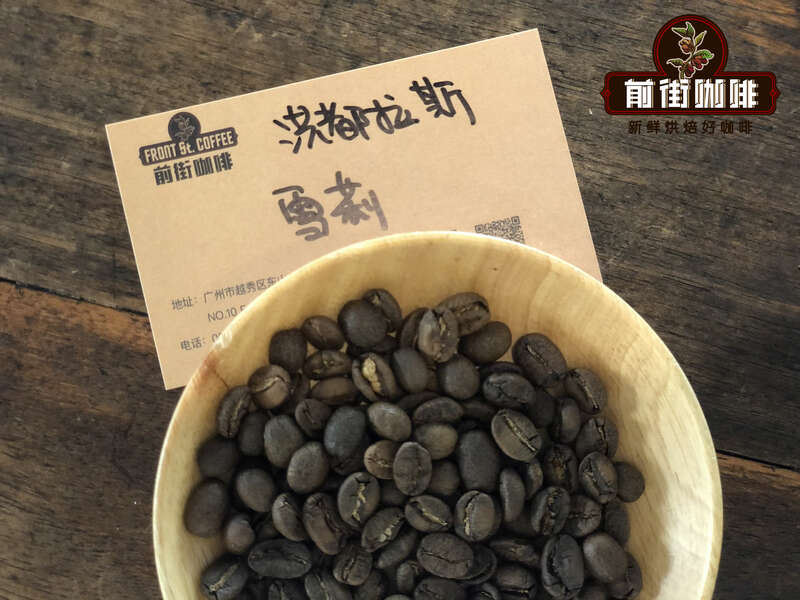
Representative Coffee - FrontStreet Coffee Honduras Sherry Coffee Beans
Region: Intibucá Province
City: Masaguara
Estate: Moca Estate
Altitude: 1500-1700m
Variety: Caturra, Catuai, Pacas
Processing: Refined Washed Whiskey Sherry Barrel Fermentation
Brewing Flavor: Vanilla and cream aromas on entry, citrus and berry acidity, almond and dark chocolate in the middle, maple sweetness in the finish, with a vanilla aftertaste. Distinct flavors, smooth mouthfeel. Flavors stay stable from hot to cold, with no off-flavors.
Pacamara
A hybrid of Pacas and Maragogype, it is a dwarf variety with giant fruit. Leaf tips are green or bronze. It appeared in El Salvador in the 1950s, with unique chocolate and citrus-fruit aromas, excellent cup quality, outstanding flavors, wonderful balance, and floral notes. Pacamara produces the highest cup quality at the highest possible altitudes. Because it is susceptible to leaf rust, berry disease, and nematodes, its yield is low, similar to Caturra. It is mainly produced in El Salvador. The variety is not uniform, with large generational variation, and 10-12% of offspring revert to Pacas. It has citrus and floral aromas, with orange-red and purple-red varieties.
Mundo Novo
Mundo Novo is a natural hybrid of Sumatra (Typica) and Red Bourbon, native to Brazil. It was hailed as the new hope of the Brazilian coffee industry and named "New World," and it has now spread worldwide. The trees stand over three meters tall, making harvesting difficult. In flavor it lacks sweetness and shows bitterness in the finish. Its advantages are stronger plants that resist most diseases and have better pest resistance, though it has a longer maturation time; it is a high-yield variety.
The beans are relatively round with large particles, averaging 17 screen. It grows well above 800m altitude with 1200-1800ml of rainfall, complementing Brazil's soil and water conditions. Brazil began large-scale cultivation after 1950.
Caturra
A natural dwarf mutation of Red Bourbon with higher yield than Bourbon, first discovered in Brazil and commercially cultivated in Minas Gerais, Brazil in 1937. It performs best in Central America, Colombia, Costa Rica, and Nicaragua. Altitudes of 1,500-1,700 meters produce the best quality and quantity. Caturra's characteristics are bright acidity and low to medium body. It has less clarity and sweetness than its parent Bourbon, with medium to upper cup quality. In taste it carries lemon or citrus acidity, not as sweet as Typica and Bourbon, because Caturra's sweetness depends on how often and how much the grower fertilizes. It has high yield capacity, but maintaining that yield requires continuous fertilization and pruning, resulting in short trees with many branches and a compact shape. The slightly serrated green leaves are wider. Although yield is increased, it is still limited by higher harvesting and care costs, and it is extremely susceptible to leaf rust, berry disease, and nematodes. Lemon acidity and mild sweetness.
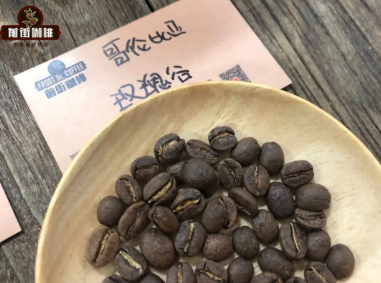
Representative Coffee - FrontStreet Coffee Colombia Rose Valley Coffee Beans
Estate: Colombia Great Tree Estate
Region: Santander Region
Processing: Anaerobic Double Enzyme Washed
Altitude: 1700m
Variety: Caturra
Brewing Flavor: Stunning peach characteristics, accompanied by rose and liqueur chocolate aromas, rich and fragrant. The entry is like drinking peach juice, with both the high-quality sweet-and-sour taste of black grapes and the silky mouthfeel of cream toffee.
Catuai
Catuai is a hybrid of Mundo Novo and Caturra, arguably a second-generation hybrid. It inherits Caturra's short tree height and also compensates for the fragile nature of Arabica fruit: the fruit is solid and doesn't fall easily in strong wind. The biggest regret is that its overall flavor is slightly monotonous compared with Caturra. Catuai also has red and yellow fruit varieties, with the red winning awards more often than the yellow. Catuai, Caturra, Mundo Novo, and Bourbon are the four major coffee varieties of Brazil. Catuai offers a smooth body, a soft, water-like throat feel, delicate aftertaste changes, orange fruit sweetness, tropical fruits, raspberries, maple sweetness, a juicy sensation, a light wine aroma, white bitter melon, baked biscuit aroma, caramel, and vanilla, with an elegant, detailed finish and a long, multi-layered mouthfeel.
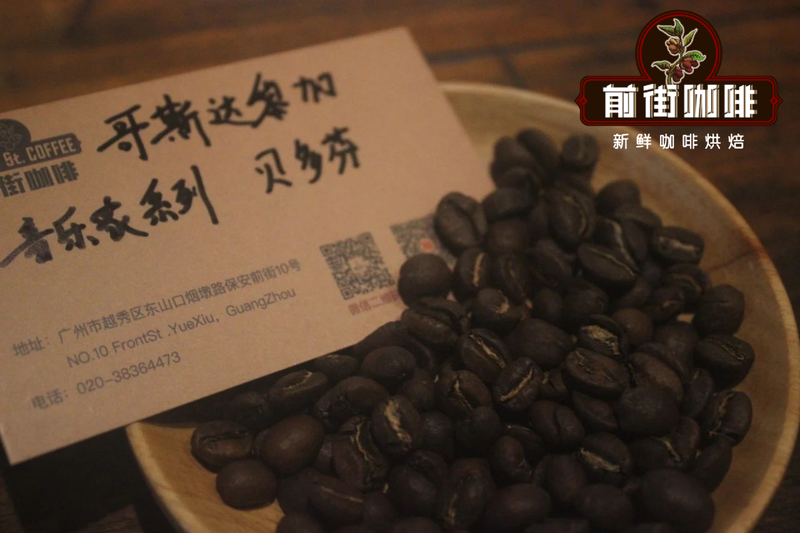
Representative Coffee - FrontStreet Coffee Costa Rica Beethoven Coffee Beans
Region: Tarrazu
Variety: Yellow Catuai
Altitude: 1900m
Processing: Washed
Brewing Flavor: Complex floral aromas and fermented sauce flavors on entry, with raisin and dried-fruit sweetness, starfruit and berry acidity, and a sucrose aftertaste.
Kenya SL28 & SL34
SL stands for Scott Labs, Scott Laboratories. According to the lab's botanists, SL28 and SL34 are genetic variants. SL28 has mixed lineage of French missionaries, Mocha, and Yemen Typica. The original goal in developing SL28 was to mass-produce beans combining high quality with resistance to pests and disease. Although SL28's later yield was not as high as expected, its bronze-colored leaves and broad bean shape offer wonderful sweetness, balance, and complex, variable flavors, along with significant citrus and dark plum characteristics. SL34 has flavors similar to SL28: besides complex, variable acidity and a wonderful sweet finish, its body is heavier and richer than SL28's, and cleaner. SL34 has French missionary, Bourbon, and more Typica lineage. Its bean appearance is similar to SL28's but it adapts better to sudden heavy rain. It is these two important varieties that lead us to understand the unique Kenyan style: strong, rich fruit acidity, a rich body, and beautiful balance.
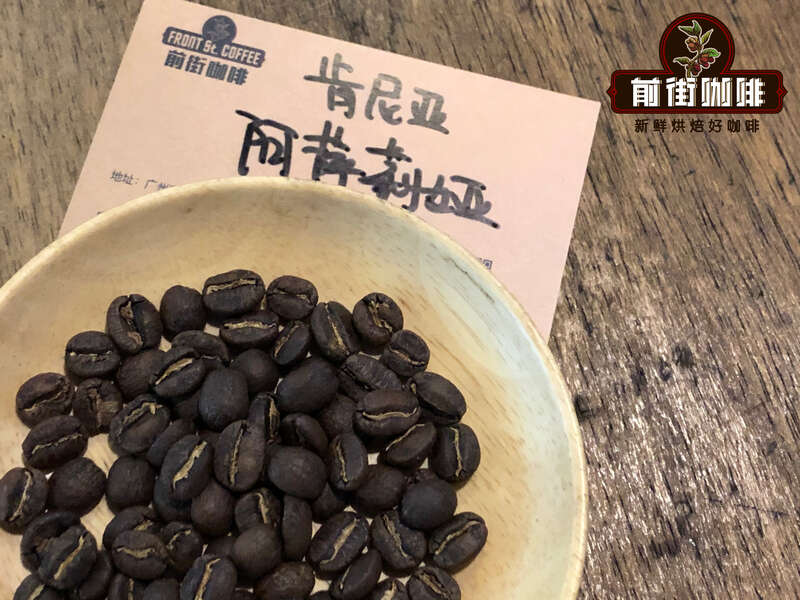
Representative Coffee - FrontStreet Coffee Kenya Asalia Coffee Beans
Region: Thika, Kenya
Processing Station: Asali Honey Processing Station
Altitude: 1550-1750 meters
Grade: AA TOP
Variety: SL28, SL34
Processing: Kenya 72-hour Washed
Brewing Flavor: The wet aroma has ripe tomato and floral notes. The entry features cherry tomato and dark plum, bright acidity, a clean and rich body, prominent sweetness in the middle with a juicy sensation, berry aroma and brown sugar sweetness in the aftertaste, with a green tea fragrance.
FrontStreet Coffee Recommendation
This guide traces so many varieties back to Typica and Bourbon, and its most famous descendant is still Blue Mountain Typica. In the 1720s it was transplanted from Martinique to Jamaica's Blue Mountains and, over more than 200 years, evolved better disease resistance than typical Typica, especially against fruit rot. Because it cannot replicate its sweet, elegant character outside Jamaica, the FrontStreet Jamaica Blue Mountain No. 1 is a faithful way to taste it. It comes from the historic Clifton Mount Estate, where coffee has been grown and processed since about 1750, sitting at an average of 4,300 feet (1,310.64 meters), and it is roasted medium-dark to bring out Blue Mountain's classic balance, unfolding in layers of nuts, dark chocolate, creamy caramel, and soft sweetness.
Two details help when buying. Authentic Blue Mountain comes with the certificates issued by the Jamaican government along with proof of origin, and it is traditionally shipped in wooden barrels printed with detailed green bean batch information, in the 15, 45, and 70 kg sizes; each barrel is itself a mark of the genuine article, so a seller who can show complete certification and origin documents is usually more trustworthy. FrontStreet's Blue Mountain beans are also roasted within 5 days and shipped fresh, so they arrive full of flavor and are ready to brew right away.
To brew it, FrontStreet suggests a Kono dripper to bring up the body, 15g per person, with the beans rested 4-7 days from the roast date for the best flavor, ground a little coarser than a light roast, about the texture of granulated sugar, at 87-88°C. Use three pours at a 1:15 ratio: 30g of water for a 30-second bloom, then pour to 120g and stop with a slow, vertical circling stream; finally pour to 225g with a slightly faster stream and circling motion so the bed does not clog and over-extract. The cup is very clean, complex, and remarkably gentle, with chocolate sweetness and a strong body, a perfect balance of sweet, acidic, and bitter, no bitterness to speak of, a moderate and perfect acidity, and a long-lasting fruit finish.
Important Notice :
FrontStreet Coffee is a long-established specialty coffee roaster in Guangzhou China, selling freshly roasted beans from its own farm in Yunnan as well as dozens of carefully selected single-origin beans from around the world for both pour-over and espresso. The products deliver consistently excellent quality and great value, with shipping within 24 hours. Guangzhou's FrontStreet Coffee shop is recommended by many coffee lovers, and the beans are now available online at the Tmall 。
FrontStreet Coffee has moved to a new address:
FrontStreet Coffee Address: 315,Donghua East Road,GuangZhou
Tel:020 38364473
 Scan and follow the En Gafei WeChat official account. Please indicate that the reprint comes from "En Gafei".