Rwandan and Tanzanian Coffee Beans - Flavor Differences Between African Coffee Growing Regions
When it comes to African coffee-producing regions, Ethiopia and Kenya are likely the first countries that come to mind. In Africa, though, there are two other countries with less prominent names that also cultivate excellent coffee - Rwanda and Tanzania. This time, FrontStreet Coffee compares the coffee beans from these two countries and explores why FrontStreet Coffee chose to stock coffee from both.
Rwanda
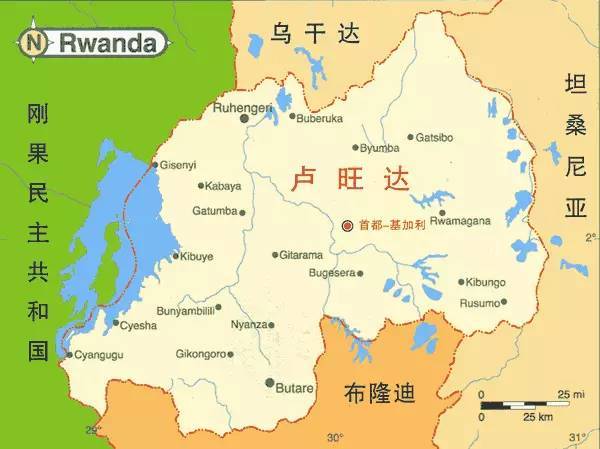
Rwanda is located in central Africa and is a landlocked country, surrounded by neighbors that are all major coffee-producing nations. In the early 20th century, Rwanda successively became a colony of Germany and Belgium, with coffee first introduced by German missionaries. During the colonial period, coffee production increased significantly, but the exploitation of labor, suppression of coffee crop prices, and high export taxes meant the quality of the beans was less than ideal - a typical phenomenon in commercial coffee development at the time. FrontStreet Coffee notes that Brazil, which also experienced colonial rule, similarly produced coffee beans that prioritized quantity over quality, leading to a reputation for poor coffee quality for a period of time.
Not until after Rwanda gained independence and established its first official coffee organization, OCIR, did attention to bean production gradually increase. Rwanda's coffee production continued to grow from the 1960s to the 1980s, reaching an unprecedented peak in 1986, until political instability in the early 1990s (the Rwandan genocide) caused the coffee industry to stagnate. Today, Rwanda has gradually recovered its vitality. After 1995, thanks to vigorous government efforts and support from foreign non-governmental organizations and private groups, Rwanda was able to restore stability. This year, due to the impact of the COVID-19 pandemic, Rwanda's coffee sales have undoubtedly been significantly affected. To help Rwandan coffee farmers overcome these difficulties, on May 14th, Alibaba's top livestreamer Wei Ya recommended Rwandan coffee beans, selling a year's worth of sales in just one second.
FrontStreet Coffee recently procured several batches of Rwandan coffee beans from different producing regions. First, Rwanda's coffee industry is developing rapidly, ensuring coffee quality. Second, Rwanda has gradually formed distinct regional flavor profiles that differ from Ethiopia and Kenya. Rwandan coffee offers a world-class experience - the flavor of Rwandan coffee is more balanced than Kenyan coffee. Generally, Rwandan coffee carries the fresh sweetness of fruits, the delicate fragrance of flowers, and a black tea-like aftertaste.
Tanzania
Tanzania is a typical East African country, bordering Kenya and Uganda to the north, Malawi, Mozambique, and Zambia to the south, and Rwanda and Burundi to the west. When it comes to Tanzanian coffee, many coffee enthusiasts first think of Kilimanjaro coffee. It indeed possesses a unique "Kilimanjaro flavor" - characterized by a rich texture, moderate acidity, and an intense aroma, earning it the reputation as the "gentleman of coffee." Compared with its neighbor Kenya, Tanzanian coffee lacks the bright acidity of premium Kenyan beans, displaying instead a gentler, more docile beauty with added sweetness. A rich wine-like aroma is also a characteristic feature of Tanzanian coffee.
Africa's highest peak, Mount Kilimanjaro, stands in northeastern Tanzania. After World War I, it became a trusteeship and was under British colonial rule until gaining independence in 1964. Bourbon variety coffee was first introduced for cultivation in 1893, with washed processing being the primary method for green beans. High-quality, high-altitude Tanzanian coffee, like Kenyan coffee, exhibits active and bright acidity. Located in central/eastern Africa, Tanzania typically processes coffee using the washed method, producing bright (acidic) and quite delicious flavors. While Kenya is certainly the primary coffee producer in East Africa, Tanzania is actively catching up and producing many high-quality coffees with characteristics similar to Kenyan beans. What makes Tanzanian coffee unique is that it is composed from three different plantations in northern Tanzania. One of these plantations is located in the Mount Kilimanjaro mountain range - the highest peak in Africa and the largest independent mountain foothills on Earth. This coffee grows at altitudes between 1,150 to 1,500 meters.
Coffee Bean Processing Methods
In 2000, after experiencing political turmoil, Rwanda received funding from the United States Agency for International Development (USAID) for two major coffee development programs: PEARL and SPREAD, aimed at supporting Rwanda's reconstruction. Following the implementation of these programs, Rwanda successively built 46 coffee washing stations, leading to significant growth in Rwanda's economy driven by strong coffee bean exports. Rwandan coffee beans primarily use the washed processing method. Ripe coffee cherries are handpicked, pulp and skin are removed, followed by 12-18 hours of washed fermentation, the mucilage is thoroughly cleaned, and finally dried to a moisture content below 14%. FrontStreet Coffee believes that Rwanda's decision to establish washed processing as the primary method during the early stages of its development was a choice that could clearly highlight coffee flavors. Because washed processing is the method that best expresses the essential flavors of coffee, when FrontStreet Coffee recommends a particular coffee-producing region, it will first recommend washed coffee beans to customers, allowing them to clearly understand the flavor characteristics of that region.
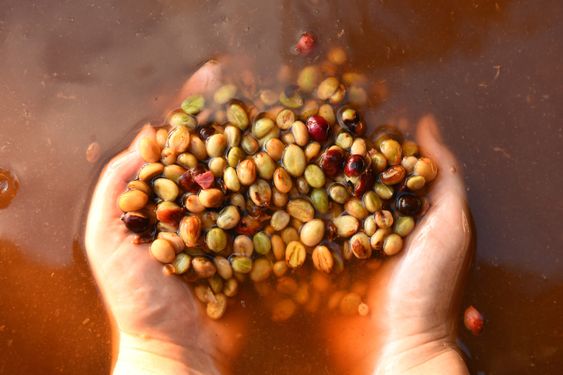
The Tanzanian Kilimanjaro coffee that FrontStreet Coffee acquired is of the Bourbon variety. Bourbon coffee cherries are short and round, with high density in both pulp and seeds. Bourbon coffee typically has high sweetness and bright acidity. This variety produces 20-30% higher yield than Typica but is still considered a low-yield variety and is equally susceptible to leaf rust disease. The washed processing method is used to enhance the coffee's acidity and cleanliness.
FrontStreet Coffee Roasting Recommendations
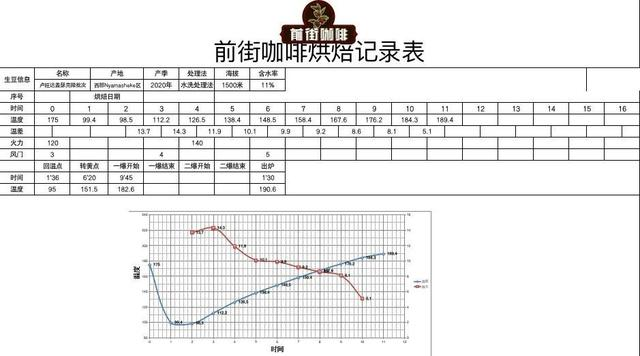
Since Rwandan coffee beans possess fresh acidity, FrontStreet Coffee recommends a medium-light roast to highlight this flavor characteristic. The deeper the roast degree, the more the fruit acidic notes are lost.
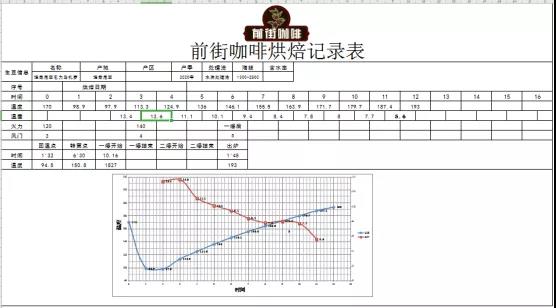
Tanzanian coffee beans have gentle fruit acidity and honey-like sweetness. To highlight the distinctive flavors of this producing region, FrontStreet Coffee recommends a medium-light roast for these Tanzanian coffee beans.
FrontStreet Coffee Cupping Report
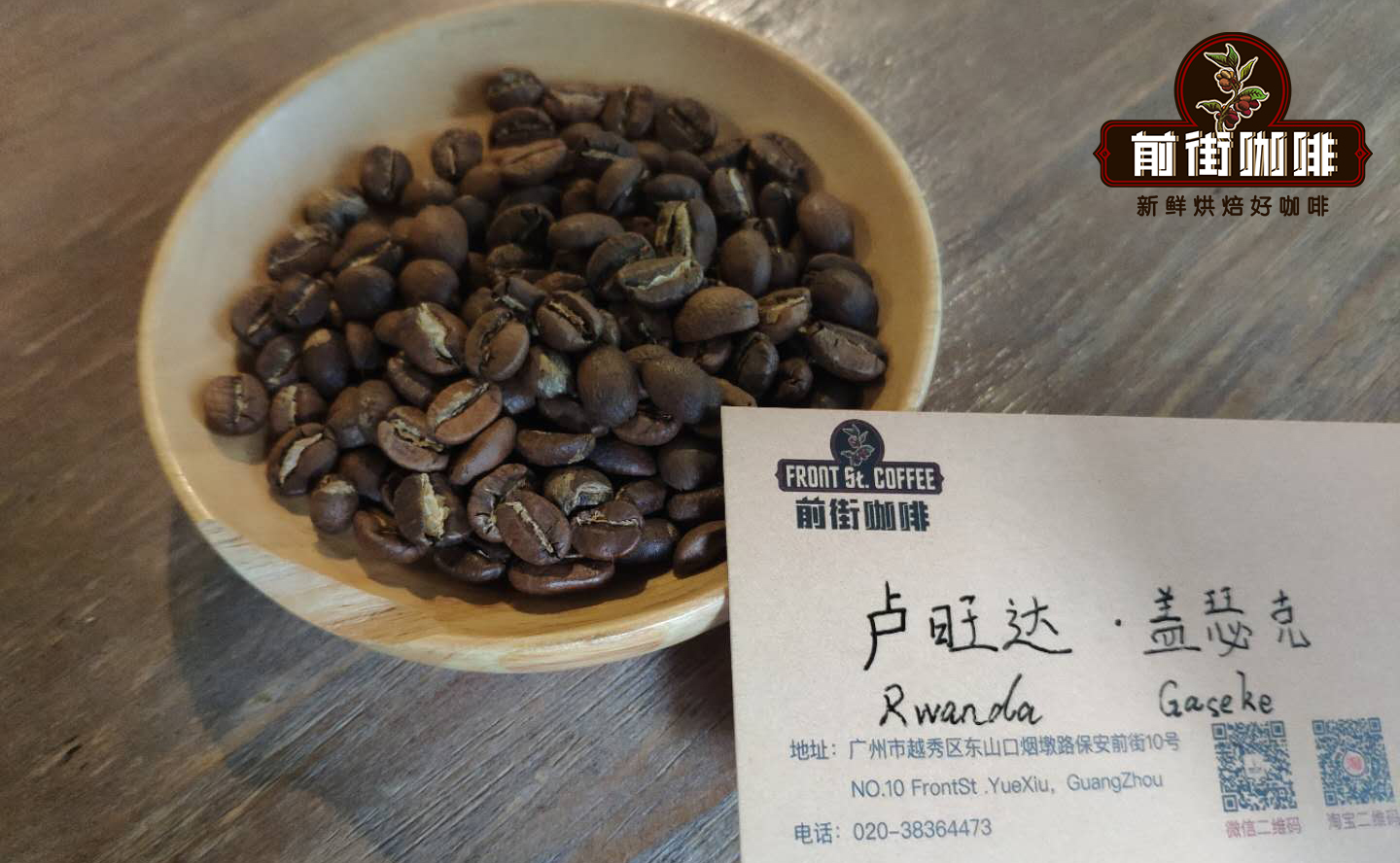
When FrontStreet Coffee cupped this Rwandan washed coffee, the dry aroma revealed distinct floral and berry notes. The wet aroma presented honey sweetness and nutty fragrance. The overall flavor profile exhibited bright acidity, with citrus, berries, and nuts, culminating in a caramel-like sweetness in the aftertaste.
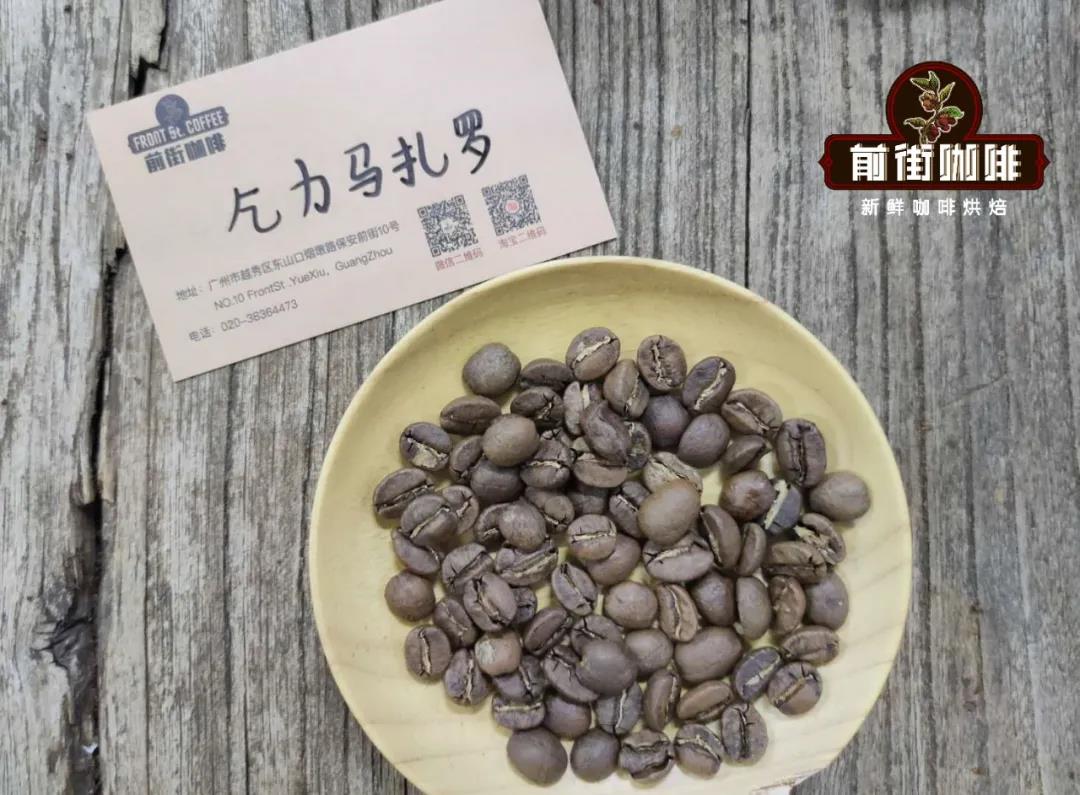
When FrontStreet Coffee cupped this Tanzanian washed coffee, the dry aroma showed berry notes with fermented characteristics. The wet aroma presented berries and floral notes. The overall flavor profile displayed citrus, nuts, and fermented aromas, with a honey-like aftertaste.
Brewing Water Temperature
For coffee beans with different roast levels, appropriate water temperatures should be adjusted accordingly. Generally, FrontStreet Coffee recommends a temperature range between 86-93°C for brewing coffee. FrontStreet Coffee suggests using lower water temperatures (86-88°C) for dark-roasted beans because the bean structure is more porous, water absorption efficiency is high, and extraction is easier; if the water temperature is too high, bitter and burnt flavors are likely to appear. For light-roasted beans, 90-93°C is recommended. Higher water temperatures can extract the aromatic compounds and acidity (floral and fruit acids) from light-roasted beans because the bean structure is harder, and increasing water temperature can enhance extraction efficiency from the coffee grounds, avoiding sharp acidity and other uncomfortable flavors. Medium roasts can use 88-90°C. For this brewing of Rwandan and Tanzanian coffee, FrontStreet Coffee used water temperatures between 90-91°C.
FrontStreet Coffee Brewing Parameters
Dripper: HARIO V60
Water Temperature: 90-91°C
Grind Size: BG#6m (fine sugar size)
Coffee-to-Water Ratio: 1:15
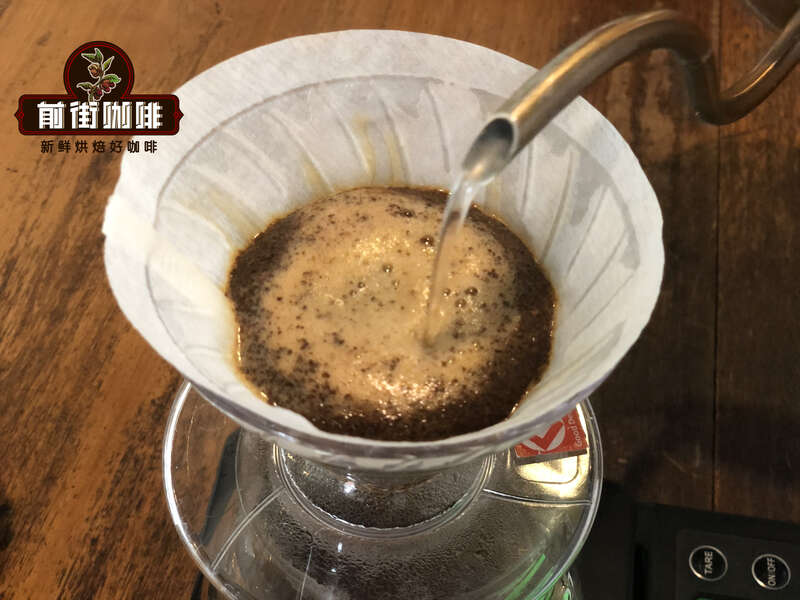
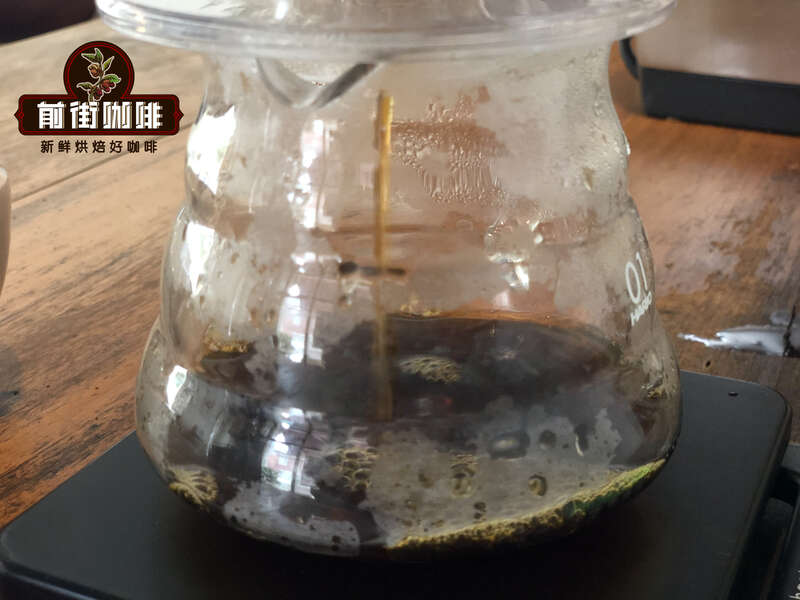
FrontStreet Coffee Brewing Method: First, pour 30g of water for a 30-second bloom. Then pour 95g more (scale shows approximately 125g), completing the pour in about 1 minute. When the water level drops to 2/3 of the coffee bed, pour the remaining 100g (scale shows approximately 225g), completing in about 1 minute and 40 seconds. Extraction completes between 1'55" to 2'00", then remove the dripper to finish extraction.
[Rwanda Gisakura] Brewing Flavor: Floral and berry aromatics, with distinct citrus, berries, and plum flavors on entry. The middle section presents nutty notes, with a caramel-like sweetness in the aftertaste.
[Tanzania Kilimanjaro] Brewing Flavor: Berry aromatics, with gentle citrus acidity on entry. The middle section reveals nutty flavors, with a honey-like aftertaste.
FrontStreet Coffee Recommendation
If the balanced, fruit-sweet African profile of Rwanda and Tanzania appeals to you, FrontStreet Coffee's Brazilian single origins offer a different take on balance - lower in acid, fuller in body. FrontStreet Coffee's Cerrado Red Bourbon is a classic Brazilian single-origin bean: a Red Bourbon from the well-known Cerrado region, given a half-washed (pulped natural) treatment and roasted medium to bring out dense cream-peanut, toasted bread, caramel, and hazelnut aromas, with a rounded body, low acidity, and a faint bittersweet edge. It works as pour-over and equally well in a moka pot, as an espresso SOE, in a siphon, or as French press.
FrontStreet Coffee's Brazil Queen's Estate comes from Mogiana, close to South Minas, where fertile red volcanic soil lets the fruit absorb nutrients and build full aroma. The estate grows the rare Yellow Bourbon, a natural mutation of Red Bourbon with a cleaner fruit character. Whether brewed as pour-over, in a moka pot, or on a home espresso machine, it shows a sugarcane sweetness that other origins rarely offer, alongside fruit and chocolate notes.
Brazil also underpins FrontStreet Coffee's espresso blends: the crema-rich Classic Blend, the nut-forward Premium Blend, the balanced Black Cocoa Blend, and FrontStreet Coffee's Commercial Blend built for cafes all contain Brazilian beans, which supply chocolate and cream aromas, a gentle sweet-sour-bitter balance, and the stability that keeps extraction predictable. Whichever origin you favor, brewing between 86-93°C and adjusting by roast level will keep the cup in its sweet spot.
Important Notice :
FrontStreet Coffee is a long-established specialty coffee roaster in Guangzhou China, selling freshly roasted beans from its own farm in Yunnan as well as dozens of carefully selected single-origin beans from around the world for both pour-over and espresso. The products deliver consistently excellent quality and great value, with shipping within 24 hours. Guangzhou's FrontStreet Coffee shop is recommended by many coffee lovers, and the beans are now available online at the Tmall 。
FrontStreet Coffee has moved to a new address:
FrontStreet Coffee Address: 315,Donghua East Road,GuangZhou
Tel:020 38364473
 Scan and follow the En Gafei WeChat official account. Please indicate that the reprint comes from "En Gafei".