Introduction to Colombian Coffee: Regions and Grading System
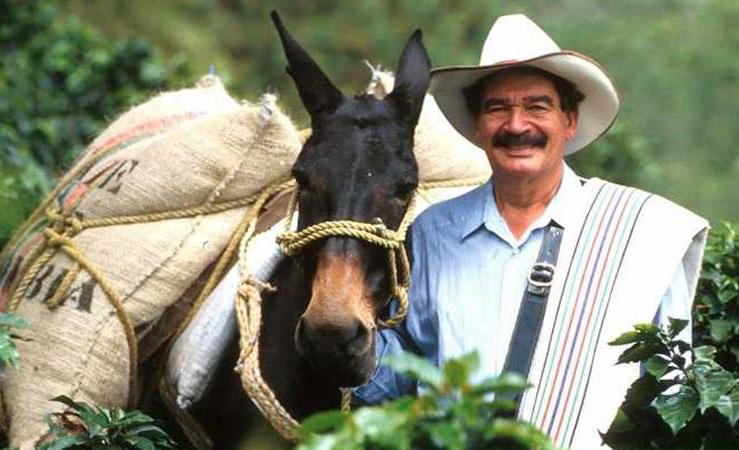
Colombian coffee is renowned for its mild yet rich aroma and consistently ranks among the world's top coffee exports. Whenever high-quality coffee comes up, Colombia is never far from the conversation. FrontStreet Coffee carries Colombian beans both as pour-over single origins and in its espresso blends — a measure of just how popular they are.
Why is Colombian Coffee So Popular?
As with any agricultural product, coffee quality hinges on variety, climate, altitude, farm management and harvesting, and post-harvest processing. Coffee is a tropical crop best grown at high elevations free of frost. For every 100 meters of elevation gain, the temperature drops by 0.6°C; lower temperatures and oxygen levels slow the beans' maturation. Under those conditions the coffee tree channels most of its nutrients into the fruit, producing denser beans with harder textures — and, crucially, more time to absorb and store nutrients in the form of sugars. Colombia's Andes deliver exactly these "demanding" conditions.
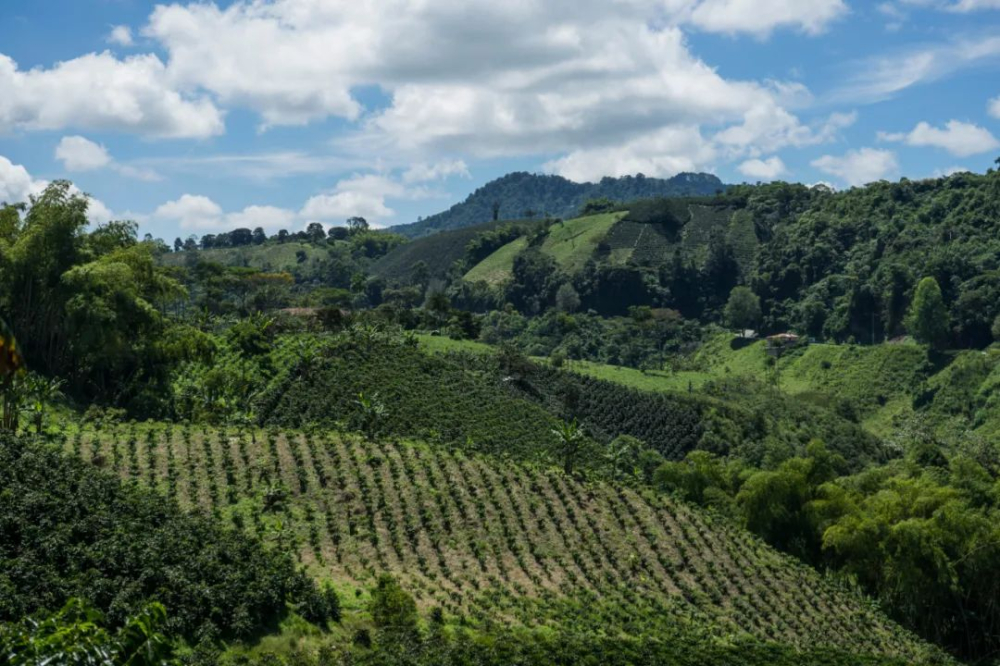
The Andes run through western Colombia in three continuous high ranges. Each range carries fertile, organic-rich soil, with coffee planted between 800 and 2,300 meters under nourishing sunlight and the dappled shade of clouds. The varied mountain microclimates stretch the harvest across the whole year — different varieties ripen at different times, so pickers can be seen at work in the forests in every season. Growers typically plant coffee under shade trees, usually tall species or banana plants, and build shade structures over seedlings to maintain the cool, humid environment coffee needs. Because humidity is high and temperature swings are small in these coffee forests, beans mature slowly, which encourages the accumulation of caffeine and aromatic compounds — hence the exceptional cup quality.
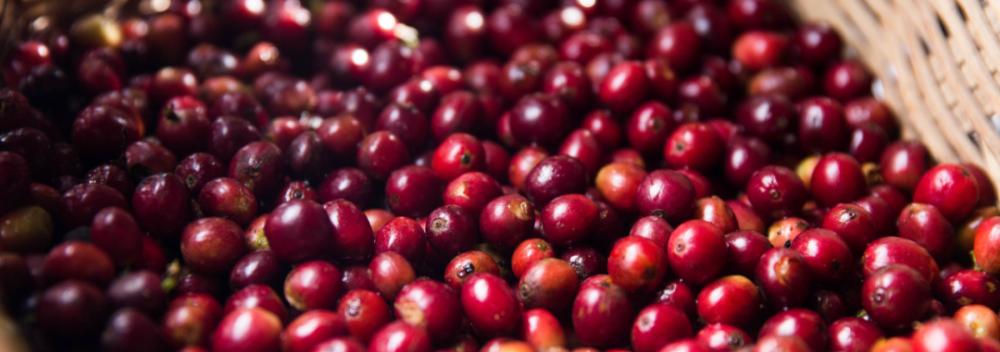
Geography is only part of the story. Coffee is the national beverage in Colombia, and the growers' passion, research, and dedication are unmatched by any other origin. In recent years, hand cherry-sorting, precise fermentation, and professional cupping discipline have unlocked remarkably rich flavors, making Colombian coffee a natural first choice for coffee lovers.
Where Does Colombia's Specialty Coffee Come From?
Early Colombian coffee was named after its producing regions and exported under those names; even specialty-grade beans existed only as local micro-lots. Colombian smallholders farm on a modest scale, and few own processing equipment. The local industry's flowering — beginning in the twentieth century — owes much to the founding of the Federación Nacional de Colombia (FNC, the Colombian National Coffee Federation).
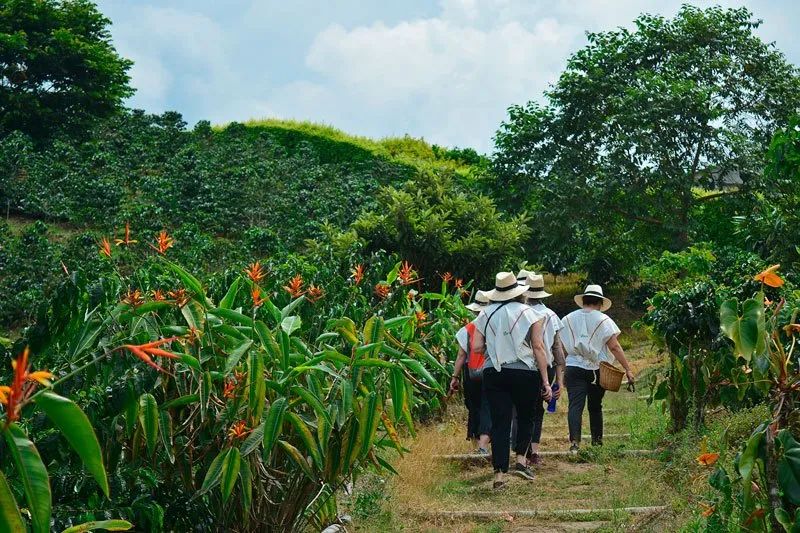
The FNC is Colombia's only official professional coffee association, representing more than 560,000 coffee-farming families and ranking among the world's largest agricultural NGOs. It promotes the Colombian coffee brand worldwide and monitors the quality of every bean exported. Beyond international marketing, it also invests significant resources inside Colombia to support growers' cultivation, production, management, and long-term sustainability.
Under the FNC's stewardship, 590 cities and 14 coffee-growing regions in Colombia now cultivate roughly 875,000 hectares of coffee, mostly on small farms. A Colombian smallholder typically farms around 0.13-0.2 hectares. Farmers bring their cherries to community washing stations, or run their own green-been processing equipment, before sending the coffee off for quality grading.
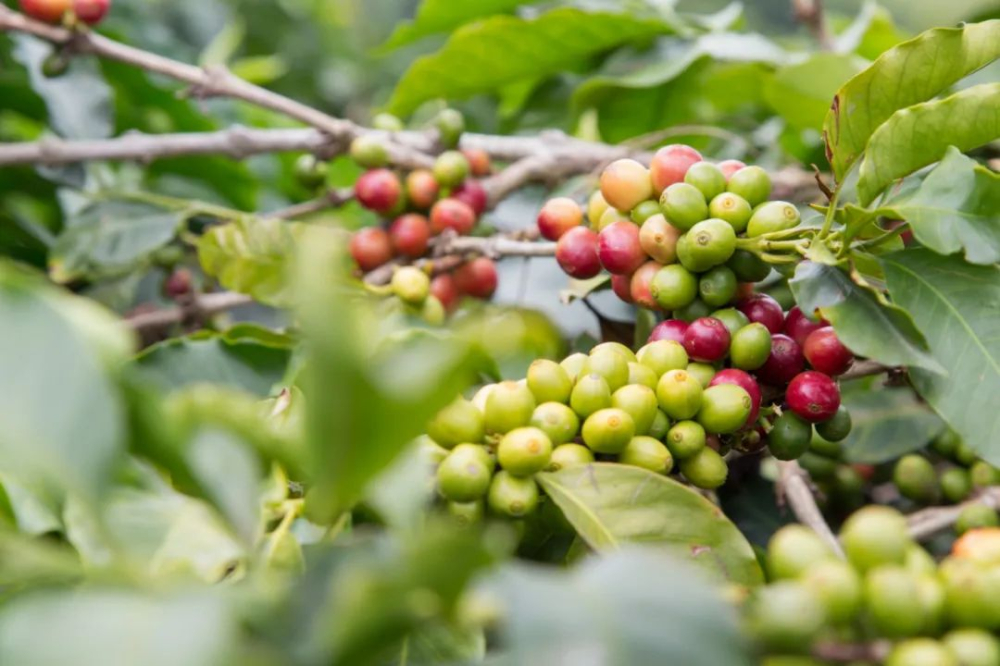
On the map, Colombia's coffee regions have fairly clear boundaries, dividing into three major zones from south to north: northern, central, and southern. The specialty lots come mainly from the south, at altitudes above 1,500 meters — San Agustín in Huila, Popayán in Cauca, Nariño, and Tolima. Coffees from these regions show delicate acidity and berry aromas, with caramel notes and full sweetness.
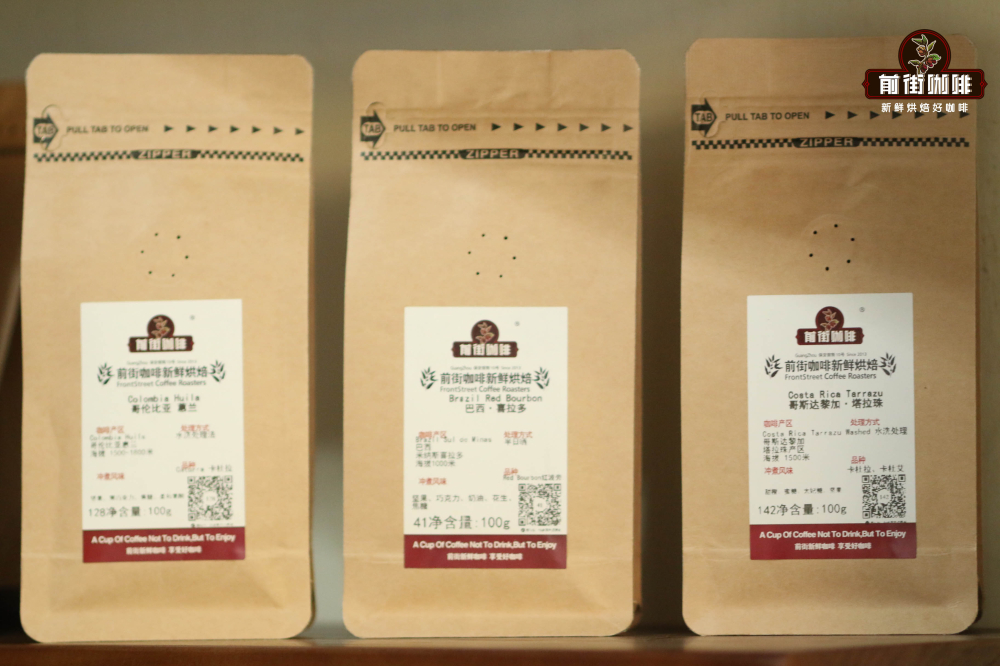
Colombia grows a long list of varieties, dominated by traditional Arabicas such as Caturra, Bourbon, Typica, and Pacamara, plus some fashionable rarities — Gesha among them — that have appeared in small market lots in recent years. FrontStreet Coffee's selected Colombian everyday bean comes from Huila and is the widely planted Caturra variety, naturally washed, with a balanced sweet-sour-bitter profile after roasting.
In Colombia, Are Bigger Coffee Beans Better?
Colombian green coffee is graded by size before export, using fixed screens with different hole sizes. If the screen holes are 17 mesh, for example, any bean larger than that cannot pass through — so the higher the screen number, the larger the beans left on top. The most common export grades are UGQ, EP, and Supremo.
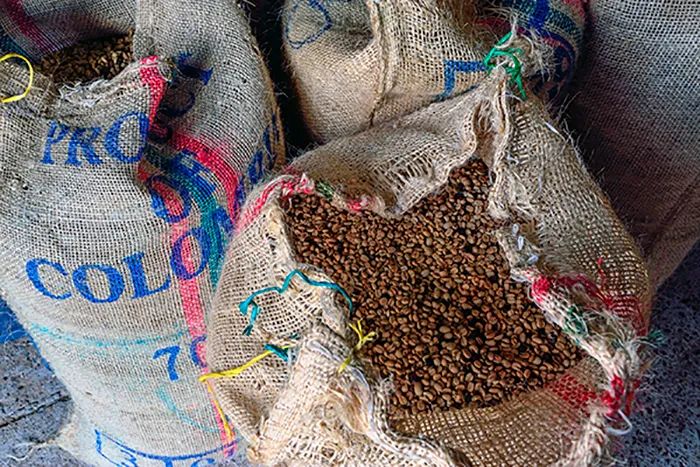
Regardless of size grade, any exported green coffee carries the Excelso classification — most bags of Colombian green coffee shipped worldwide today must be marked Excelso. Excelso is currently the most widely used export standard adopted by the FNC and the top grade for Colombian green-bean exports. To qualify: in 500 grams of green beans, sizing must be above 14 mesh, with no more than 5% of beans between 12 and 14 mesh, and at least 50% of beans overall larger than 15 mesh. The coffee must be pest-free, uniform in color, free of off-flavors, and clean in the cup. Moisture content may not exceed 12.5%, and cumulative defects may not exceed 24 points.
Each farmer is registered under a number and records their green-bean information, making future traceability possible. Exported Colombian green coffee is typically named as country + region + grade + other details. FrontStreet Coffee's Huila everyday bean, for instance, is labeled Colombia Huila Supremo SC17/18 FNC.
How to Brew Colombian Coffee for the Best Taste?
FrontStreet Coffee's flavor descriptions assume freshly roasted beans. If beans sit for more than a month, some aroma fades, and no brewing method will fully restore it. Understanding how much freshness matters, FrontStreet Coffee only ships beans roasted within the last 5 days, so every order arrives in peak condition.
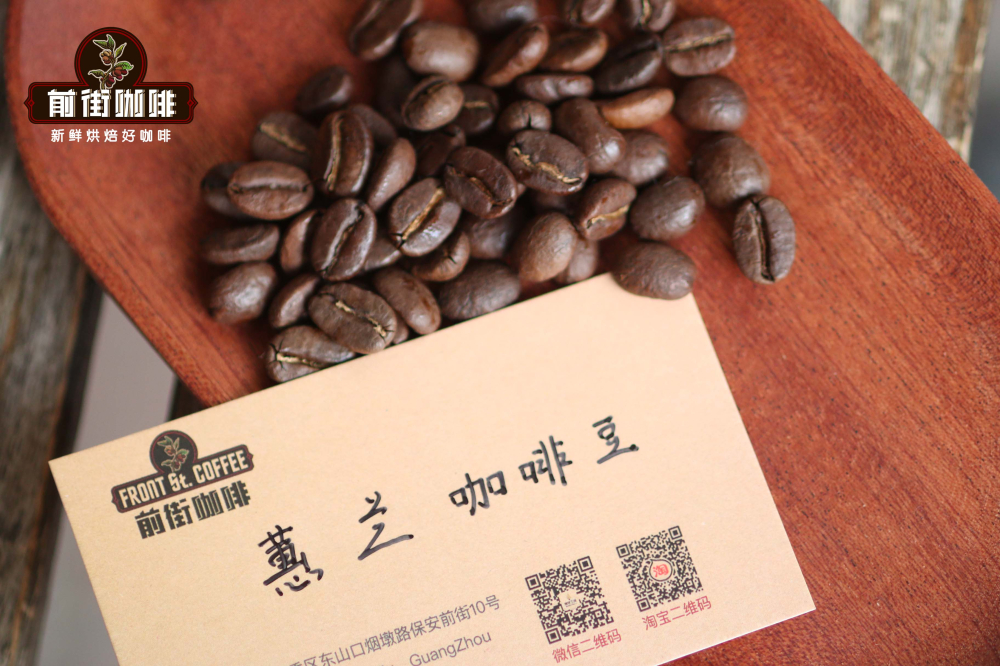
The Huila everyday bean is roasted medium-dark, leaning toward nutty, chocolate-rich, mellow flavors. A deeper roast makes the beans more porous and the grounds more absorbent, so a medium grind is used. To avoid pulling out excessive off-flavors, FrontStreet Coffee drops the water temperature slightly, pairing medium 90°C water with a KONO dripper. Unlike a V60, the KONO's only exhaust area is its quarter-height ribbing: once the water level rises past the ribs, liquid keeps accumulating in the cone and the weight of the water builds pressure. With the smaller outlet, contact time between grounds and water stretches out, so the flow extracts soluble material more effectively and amplifies the coffee's rich, mellow body.

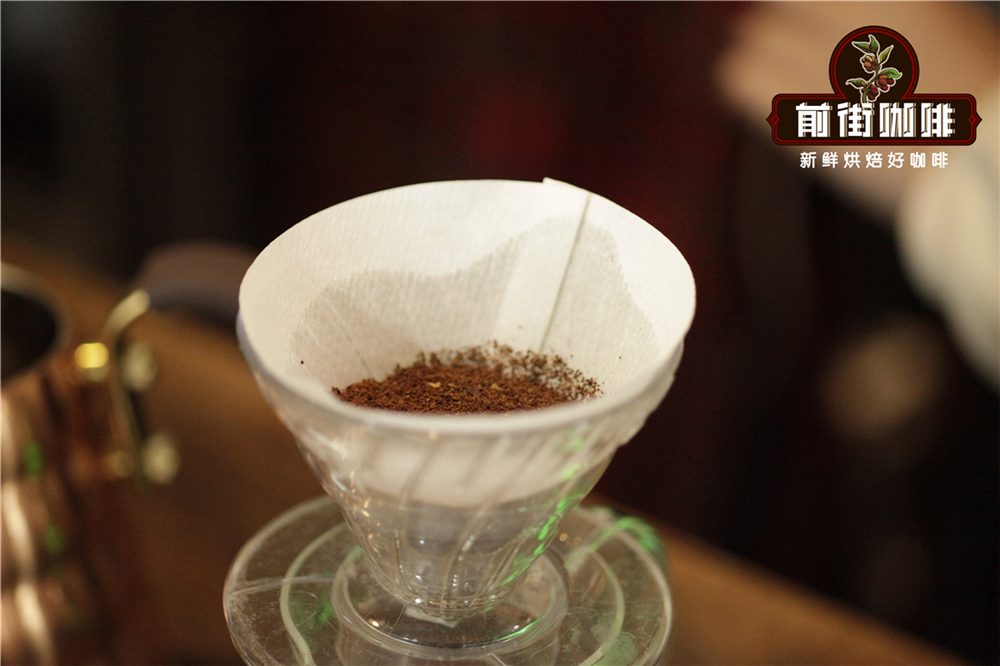
Brewing parameters: KONO dripper, 90°C water temperature, #20 standard sieve with 75% pass rate grind, 1:15 coffee-to-water ratio, coffee amount: 15 grams, three-stage extraction
Load the grounds into the KONO dripper, wet the bed with twice the dose of water to form a dome, and bloom for 30s. Then use a fine stream to pour in circles from the center outward to 125g for the second stage. Once the bed drops to half the dripper's height, continue with the same fine stream for the third stage to 225g. Remove the dripper once all the liquid has drained — total time about 2 minutes.

This Colombian Huila everyday bean shows clear roasted aromas of chocolate, nuts, and caramel. It's smooth and sweet, with moderate body and a clean cup; as it cools, a pleasant, gentle acidity emerges.
FrontStreet Coffee Recommendation
Colombian coffee is remarkably versatile — it works in espresso blends and as a pour-over single origin alike, spanning bright fruity-acidic profiles, rich full-bodied cups, and aromatic, floral-leaning styles. Whatever you're after, there's a Colombian for it. For a direct introduction to the region described above, FrontStreet Coffee's washed Huila beans are the place to start: roasted medium-dark to highlight black chocolate, sweet nutty aromas, moderate crema, and a mellow body, they shine as pour-over or French press and pull equally well in a moka pot or espresso machine for Americanos and lattes.
For something more adventurous, FrontStreet Coffee's Colombia Linea Estate Sidra is an anaerobic natural — one of the innovative low-oxygen fermentations now sweeping Colombia, done in pressure-rated stainless steel tanks with temperature, time, and pH under control. The oxygen-free fermentation transforms the cup into more tropical-fruit aromatics: at a medium-light roast, whether brewed as pour-over, cold brew, drip bag, or moka pot, you'll taste complex layers of passion fruit, grape, apricot, and dried fruit.
If you brew at home with an espresso machine or moka pot, baristas strongly recommend FrontStreet Coffee's Premium Espresso Blend — a coffee-shop-oriented recipe combining the creamy nuttiness of Brazil with the dark chocolate bitterness of Colombia. It extracts with a fine golden crema, pairs beautifully with milk in a latte that is rich yet silky, is very beginner-friendly, and anchors Americanos, cappuccinos, mochas, and the usual espresso lineup.
Important Notice :
FrontStreet Coffee is a long-established specialty coffee roaster in Guangzhou China, selling freshly roasted beans from its own farm in Yunnan as well as dozens of carefully selected single-origin beans from around the world for both pour-over and espresso. The products deliver consistently excellent quality and great value, with shipping within 24 hours. Guangzhou's FrontStreet Coffee shop is recommended by many coffee lovers, and the beans are now available online at the Tmall 。
FrontStreet Coffee has moved to a new address:
FrontStreet Coffee Address: 315,Donghua East Road,GuangZhou
Tel:020 38364473
 Scan and follow the En Gafei WeChat official account. Please indicate that the reprint comes from "En Gafei".