Does Roast Level Affect Caffeine Content in Coffee? Does Dark Roast Coffee Have More Caffeine?
Coffee drinkers generally fall into two camps: those who lean on caffeine to stay alert, and those drawn in by the flavors themselves. The former cannot function without their caffeine; the latter tend to be wary of getting too much of it. Caffeine attracts plenty of misconceptions, and none is more widespread than the belief that "the darker the roast, the higher the caffeine." In this article, FrontStreet Coffee sets the record straight.
What is Caffeine?
Caffeine is a xanthine alkaloid that acts as a central nervous system stimulant, temporarily dispelling drowsiness and restoring energy. Clinically it is used to treat neurasthenia and aid recovery from coma. Taken in appropriate amounts, caffeine sharpens alertness and speeds up metabolism.
Why Do We Think Darker Roasts Have More Caffeine?
The answer lies in bitterness. Since caffeine is one source of bitterness, and espresso - intensely bitter and rich - became the go-to drink for staying sharp, people connected the two: Italian roast is the darkest of all roasting degrees, so the assumption followed that the more bitter the coffee, the more caffeine it holds.
However, a growing body of research shows that coffee's bitterness comes mainly from chlorogenic acids, quinic acids, and carbonization during roasting, while the bitterness of caffeine itself is almost negligible. Caffeine content depends on the coffee variety and the growing altitude, with little direct relationship to roast level.
Which Coffees Have Higher Caffeine Content?
The two great commercial species are Arabica and Robusta. Arabica beans carry less caffeine, at 0.8-1.4%, while Robusta beans pack 1.7-4%. Robusta, the workhorse of instant coffee, therefore suits drinkers who want the stimulant effect, whereas lower-caffeine Arabica offers far better flavors for those who drink for taste.
Even within Arabica, caffeine levels vary by sub-variety and growing altitude. Indonesia's Mandheling, grown at lower altitudes, carries relatively more caffeine, while naturally low-caffeine Laurina holds only half the caffeine of regular Arabica.
Are There Caffeine-Free Coffees?
There are: decaffeinated coffees that have been processed to strip out caffeine. They can never be 100% caffeine-free, but they remove most of it, delivering genuinely low-caffeine coffee.
FrontStreet Coffee's Low-Caffeine Coffee Bean
Country of Origin: Colombia
Region: Huila
Altitude: 1750 meters
Varieties: Typica, Caturra, Castillo
Processing Method: Swiss Water Process
Grade: Supremo
Harvest Season: 2020
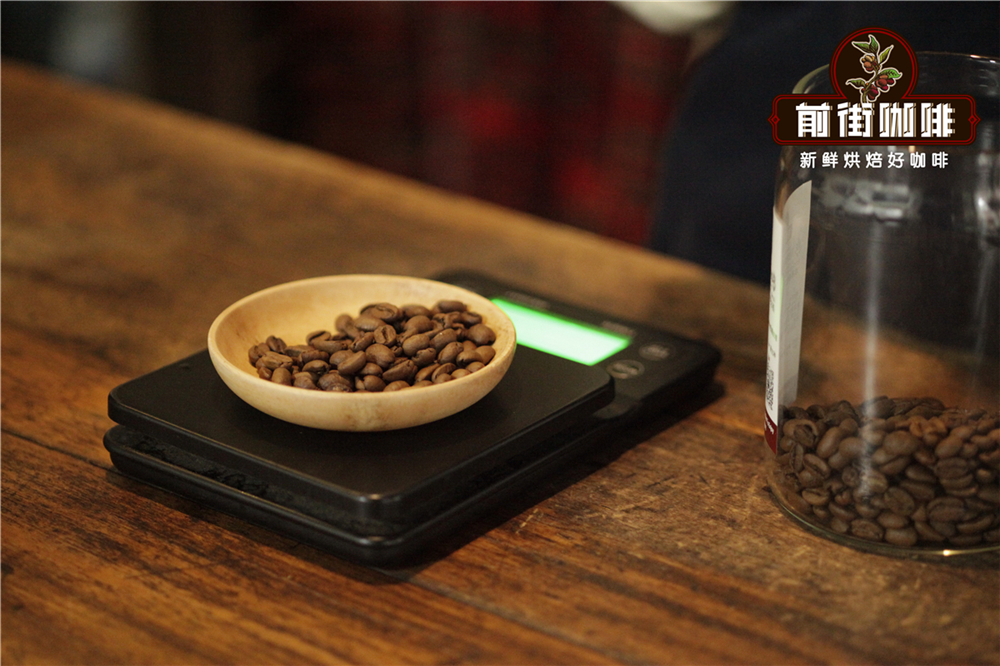
Colombia Huila Region
Colombian coffee enjoys enormous recognition worldwide, and its quality washed beans have long represented premium coffee. Every lot exported from Colombia passes specific gravity inspection and manual removal of defective beans, and is packed only after strict, layered screening - a system that safeguards the quality of Colombian coffee.
Colombia Huila is counted among the specialty high-altitude coffees of the Colombian national company and is regarded as a national treasure. Superior geography and climate keep quality consistently high, and Colombian beans sold without a special market trademark usually come from the National Federation of Colombia Coffee Growers, an organization famed for rigorous quality control and active promotion.
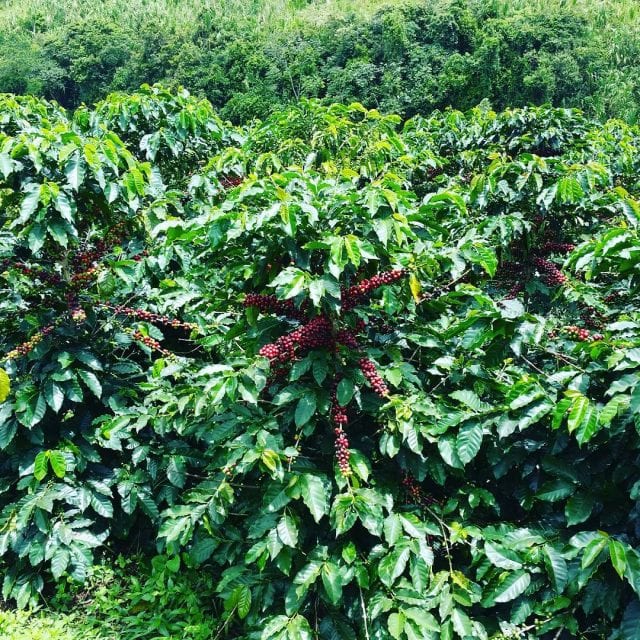
Colombian Low-Caffeine Coffee Varieties
This low-caffeine lot blends three varieties: Typica, Caturra, and Castillo. Typica, one of the oldest Arabica varieties in the world, is loved for its sweet, delicious cup, but its low yield has led to it being displaced across Colombia by high-yield varieties. Caturra is a natural mutation of Bourbon with a flavor comparable to, or slightly below, its parent - but it adapts superbly, needs no shade trees, thrives in full sun (hence the name Sun Coffee), and tolerates high-density planting.
Castillo was developed from the Colombia variety through hybrid breeding with Caturra, carried through to the tenth generation. Though it was poorly received by the trade when first released, recent years have produced lots with elegant, delicate flavors.
Green Bean Grade
These green beans are graded Supremo, the highest grade in Colombia's system; Excelso, by contrast, consists of smaller, more common beans. Colombian coffee offers balanced flavor, a rich taste, and distinct character with a relatively full body. Medium roasted, it reveals sweet notes of vanilla and dark chocolate.
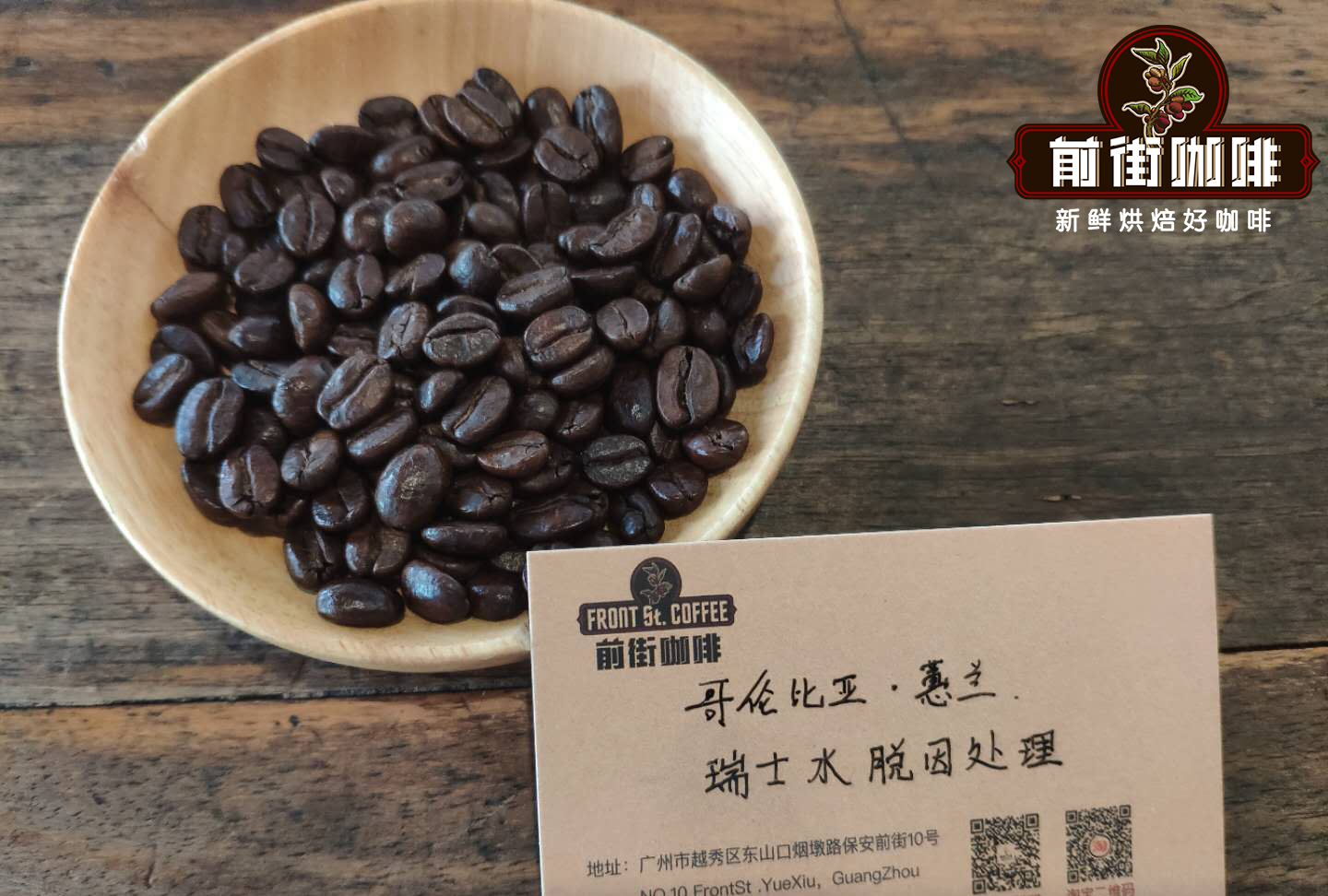
Swiss Water Process
This is the most traditional approach to decaffeination, refined into the commercially developed, highly efficient method used today.
The steps of the Swiss Water Process: green coffee is soaked in hot water known as "flavor-charged water." This water is saturated with all the flavor compounds green coffee should contain - everything, that is, except caffeine - which makes it the key medium of the decaffeination that follows. Once the flavor-charged water is formed, the beans are filtered out, and the water is passed through activated carbon filters that trap the caffeine molecules. What remains is hot water loaded with pure flavor factors. The beans are then returned to this flavor-saturated water, reabsorbing the coffee's flavors while leaving the caffeine behind.
How FrontStreet Coffee Roasts Colombian Low-Caffeine Beans
FrontStreet Coffee roasts this coffee on medium heat with a steady rise in temperature. The yellowing point arrives around 6 minutes 15 seconds, after which the heat is reduced and the damper opened to carry the beans through the Maillard reaction. At first crack the damper is opened wide while heat is held at approximately 183.2°C, and the beans are dropped 2 minutes 30 seconds after first crack begins.
Preheat the roaster to 200°C before charging, with the damper at 3. After 30 seconds, switch on the heat and adjust to 130. The turning point comes at 1'32"; hold the heat steady. At 6'15" the beans turn yellow, the grassy aroma disappears, and the drying stage wraps up. Raise the heat to 140 and open the damper to 4, then, at 151°C, cut the heat back to 110.
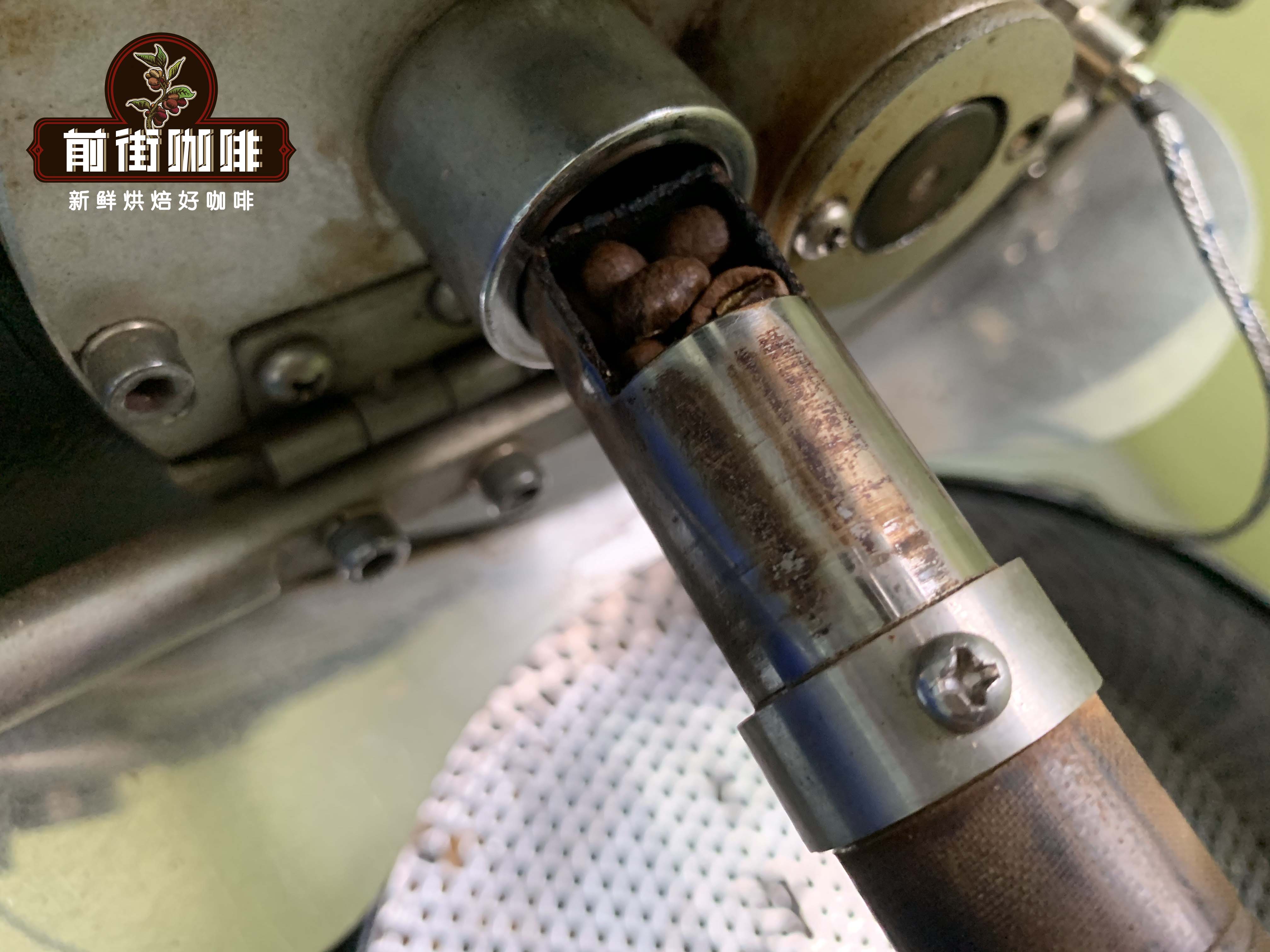
At about 8 minutes the drying is complete: wrinkles and black spots appear on the bean surface and the toast aroma transforms into coffee aroma - the prelude to first crack. Hold the heat unchanged and listen carefully for first crack. At 9'57" first crack begins; open the damper fully to 5, and after a development time of 2 minutes 30 seconds the beans are dropped at 194.2°C.
FrontStreet Coffee's Brewing Recommendations
Dripper: Kono
Water temperature: 90°C
Coffee: 15g
Coffee-to-water ratio: 1:15
Grind size: medium-coarse (67% pass rate on a #20 standard sieve)
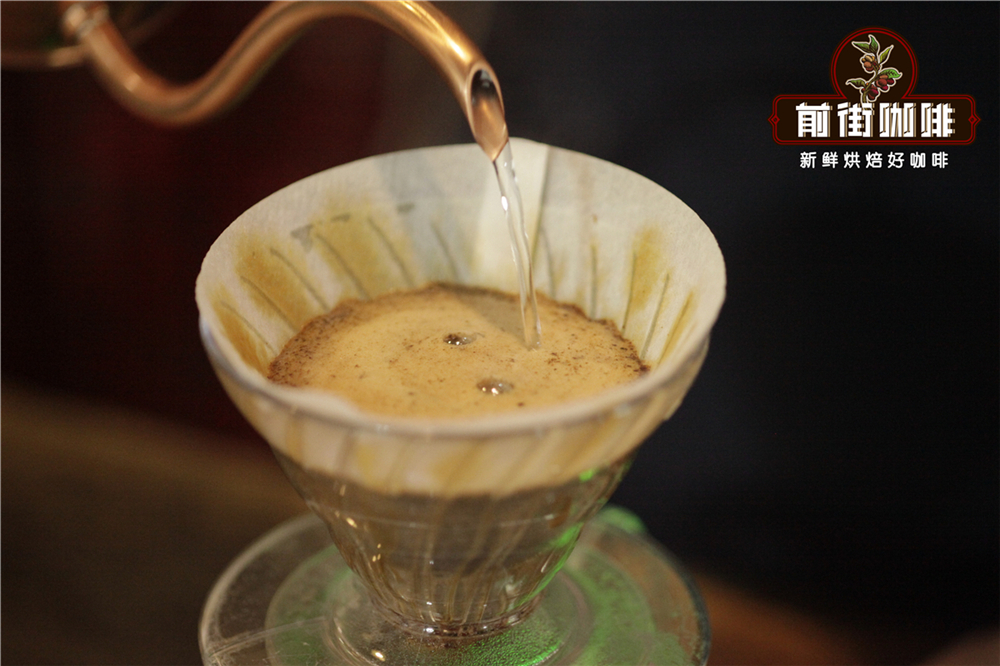
Brewing method: three-pour extraction. Bloom with 30g of water for 30 seconds, then pour in slow circles to 125g for the first segment. Once the water level drops and the coffee bed is about to break the surface, pour again to 225g and stop. When the bed is about to be exposed once more, remove the dripper. Total brew time is 3 minutes.
In the cup: dark chocolate, caramel, and nuts, with a rich, full-bodied taste.
FrontStreet Coffee Recommendation
If you love the chocolate-and-caramel depth of Colombian coffee but want to watch your caffeine, start with this Swiss Water Process Huila lot from FrontStreet Coffee. Those who still enjoy a regular cup can reach for the FrontStreet Colombia Huila single origin - a medium-dark, low-bitterness bean that pairs beautifully with a splash of milk - or the FrontStreet Premium Blend of Brazil Cerrado and Colombia Huila, the same classic espresso character the cafe has poured for nearly a decade.
Important Notice :
FrontStreet Coffee is a long-established specialty coffee roaster in Guangzhou China, selling freshly roasted beans from its own farm in Yunnan as well as dozens of carefully selected single-origin beans from around the world for both pour-over and espresso. The products deliver consistently excellent quality and great value, with shipping within 24 hours. Guangzhou's FrontStreet Coffee shop is recommended by many coffee lovers, and the beans are now available online at the Tmall 。
FrontStreet Coffee has moved to a new address:
FrontStreet Coffee Address: 315,Donghua East Road,GuangZhou
Tel:020 38364473
 Scan and follow the En Gafei WeChat official account. Please indicate that the reprint comes from "En Gafei".