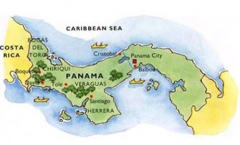
Characteristics of Brazilian Coffee Beans Brazilian Coffee Bean Grading Queen Estate Yellow Bourbon Coffee Flavor
Characteristics of Brazilian Coffee Beans
In 1727, the governor's wife of French Guiana fell in love with the army officer Palheta and gave him a Bourbon coffee seedling. Palheta later brought the seedling to Pará province in northwestern Brazil, near the equator, to cultivate it - marking the beginning of Brazil's coffee industry.
Brazilian Coffee Varieties
Bourbon, Bourbon variety Catuai, the Bourbon-Typica hybrid Mundo Novo, and Catuai. (Others: Yellow Bourbon, Icatu, Obatã, Acaiá, Rubi)
Main Growing Regions
Southern Minas, Cerrado, Northern Minas, Southeastern Minas, São Paulo, Paraná, Bahia, Espírito Santo
Geographical Location
Lower elevation, flat terrain, lacking microclimates
Flavor Profile
Light flavor, low acidity, prominent nutty taste, chocolate sweetness with good body, and slight woody and earthy notes. Primarily featuring the mild smoothness of soft beans, good body and ample sweetness.
Grade Classification
Extremely Smooth
Southern Minas, Cerrado Plateau, Mogiana, Bahia Diamond Plateau
Smooth
Bahia, Southeastern Minas mountain forest areas at slightly higher elevations, Paraná, Espírito Santo (hilly areas), Central-Western São Paulo
Slightly Smooth
Eastern and Northeastern Minas
Not Smooth
Espírito Santo, Paraná (low elevation areas)
Iodine-like Harsh Taste
Lower elevation areas in Southeastern Minas, Espírito Santo (plains)
Fazenda Rainha (Queen's Farm)
Fazenda Rainha belongs to the renowned coffee family Carvalho Dias. The farm has a history of over 116 years and is located in the mountainous region of São Paulo state near the Minas border. This area receives annual rainfall of over 1800 millimeters, abundant enough to avoid disastrous flooding. The average annual temperature is only about 19°C, which slows the growth of the coffee beans but gives them sufficient density. Although production is small, the aroma and flavor are superior to typical Brazilian plateau beans. Because the terrain is varied with significant elevation changes, mechanical harvesting is impossible and everything must be picked by hand. It can be considered a representative estate for quality Brazilian coffee.
Since the first Cup of Excellence in Brazil in 1999, the four major estates under Carvalho Dias have been consistent winners. They even took first place in 2011 and second place in 2013, among other honors, with the family estates receiving multiple awards year after year.
Recent Award Records
- 2014 COE (Cup of Excellence) 13th Place
- 2013 COE (Cup of Excellence) 2nd Place
- 2012 COE (Cup of Excellence) 8th Place
- 2011 COE (Cup of Excellence) Champion
- 2010 COE (Cup of Excellence) 20th Place
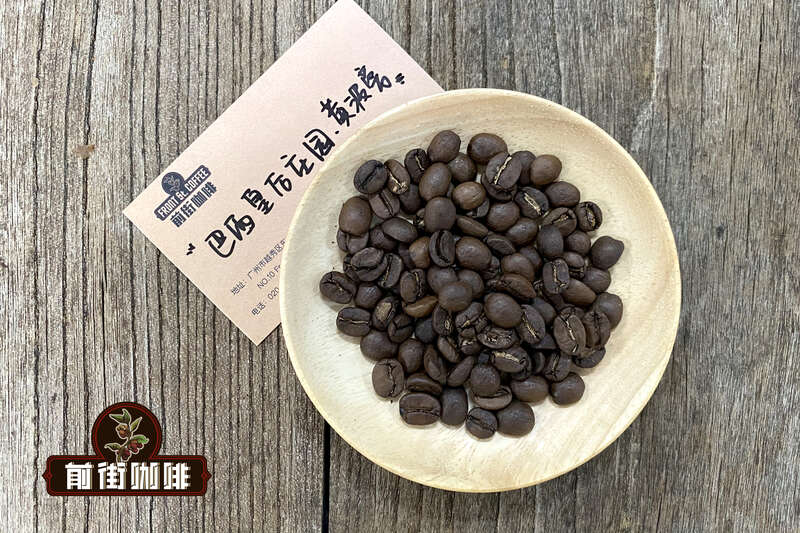
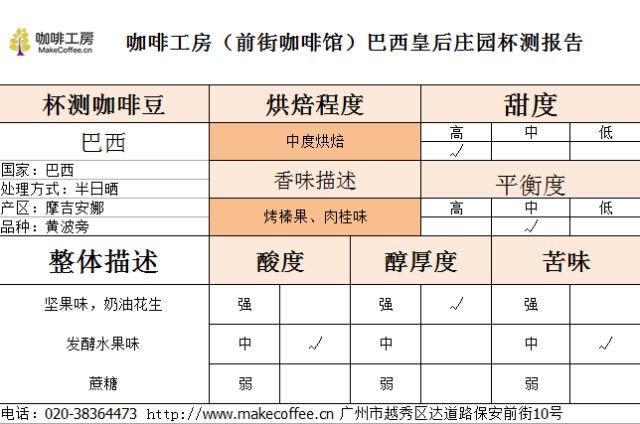
FrontStreet Coffee Brazilian Fazenda Rainha Yellow Bourbon
- Country: Brazil
- Region: Fazenda Rainha, Mogiana Region
- Altitude: 1400-1950m
- Variety: Yellow Bourbon
- Producer: Regina Helena Mello De Carvalho Dias
- Processing: Pulped Natural
Flavor: Sugary sweetness, clean, and with the pulped natural processing a slightly bright acidity carrying some tropical fruit notes. The fresh sweetness of sugarcane juice, prominent nutty flavors, balanced and smooth acidity, a weak and clean bitterness, rich chocolate aroma and nutty flavors, and a bright, refreshing mouthfeel.
FrontStreet Coffee Recommendation
If this Yellow Bourbon from Fazenda Rainha appeals to you, FrontStreet Coffee carries the same estate - a rare Yellow Bourbon from Mogiana, where fertile red volcanic soil builds a fuller aroma, roasted medium to bring out a sugarcane sweetness unique to the region alongside fruit and chocolate notes. It performs beautifully as a pour-over and equally well in a moka pot or home espresso machine.
To explore the wider Brazilian range, FrontStreet Coffee's Brazil Cerrado Red Bourbon is a classic single origin from the well-regarded Cerrado region, roasted medium for creamy peanut, toast, caramel and hazelnut aromas with a round body and low acidity. Brazil's low-acid, balanced character also makes it the backbone of FrontStreet Coffee's espresso lines - the Classic Blend, Signature Blend, Black Cocoa Blend and Commercial Blend all use Brazilian beans to add chocolate and cream notes and a soft sweet-bitter balance that keeps extraction stable.
Important Notice :
FrontStreet Coffee is a long-established specialty coffee roaster in Guangzhou China, selling freshly roasted beans from its own farm in Yunnan as well as dozens of carefully selected single-origin beans from around the world for both pour-over and espresso. The products deliver consistently excellent quality and great value, with shipping within 24 hours. Guangzhou's FrontStreet Coffee shop is recommended by many coffee lovers, and the beans are now available online at the Tmall 。
FrontStreet Coffee has moved to a new address:
FrontStreet Coffee Address: 315,Donghua East Road,GuangZhou
Tel:020 38364473
 Scan and follow the En Gafei WeChat official account. Please indicate that the reprint comes from "En Gafei".