Flavor Characteristics of Ethiopia Guji Hambela Coffee: What Changes in the New Harvest Season Queen Coffee 6.0 Beans
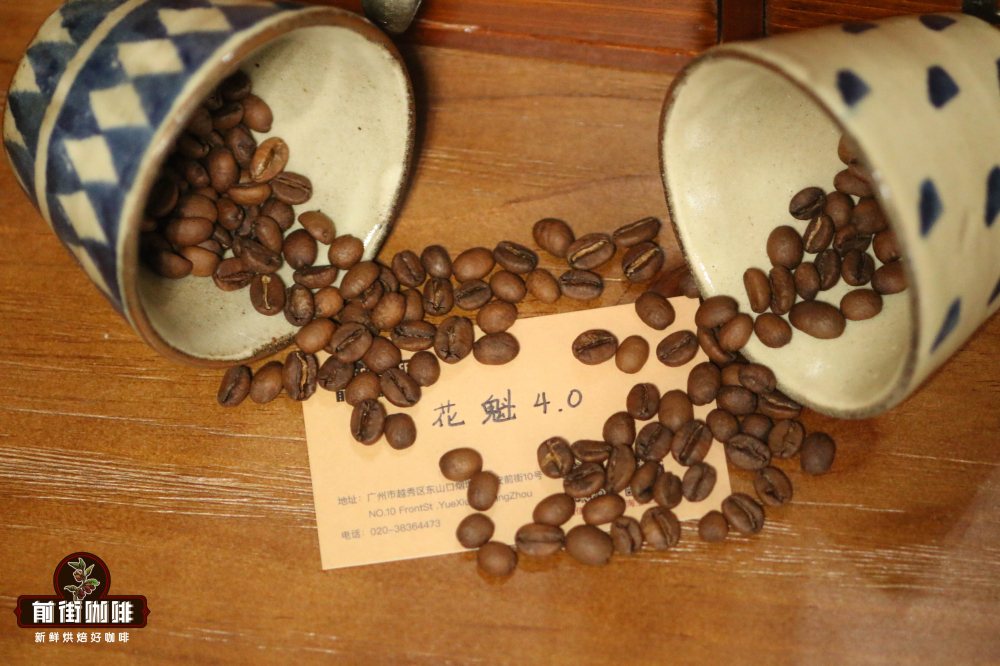
FrontStreet Coffee Ethiopia Horse Champion 4.0
Country of Origin: Ethiopia
Region: Sidamo Guji Hambella
Processing Station: BUKU
Altitude: 2350m
Variety: Dega
Processing Method: Natural
The Horse Champion coffee bean, with its elegant name and strawberry-like aroma, has drawn in countless coffee lovers. This year, Horse Champion welcomed its 4.0 version. So how does it differ from the earlier Horse Champions? FrontStreet Coffee explores that here.
Region Introduction
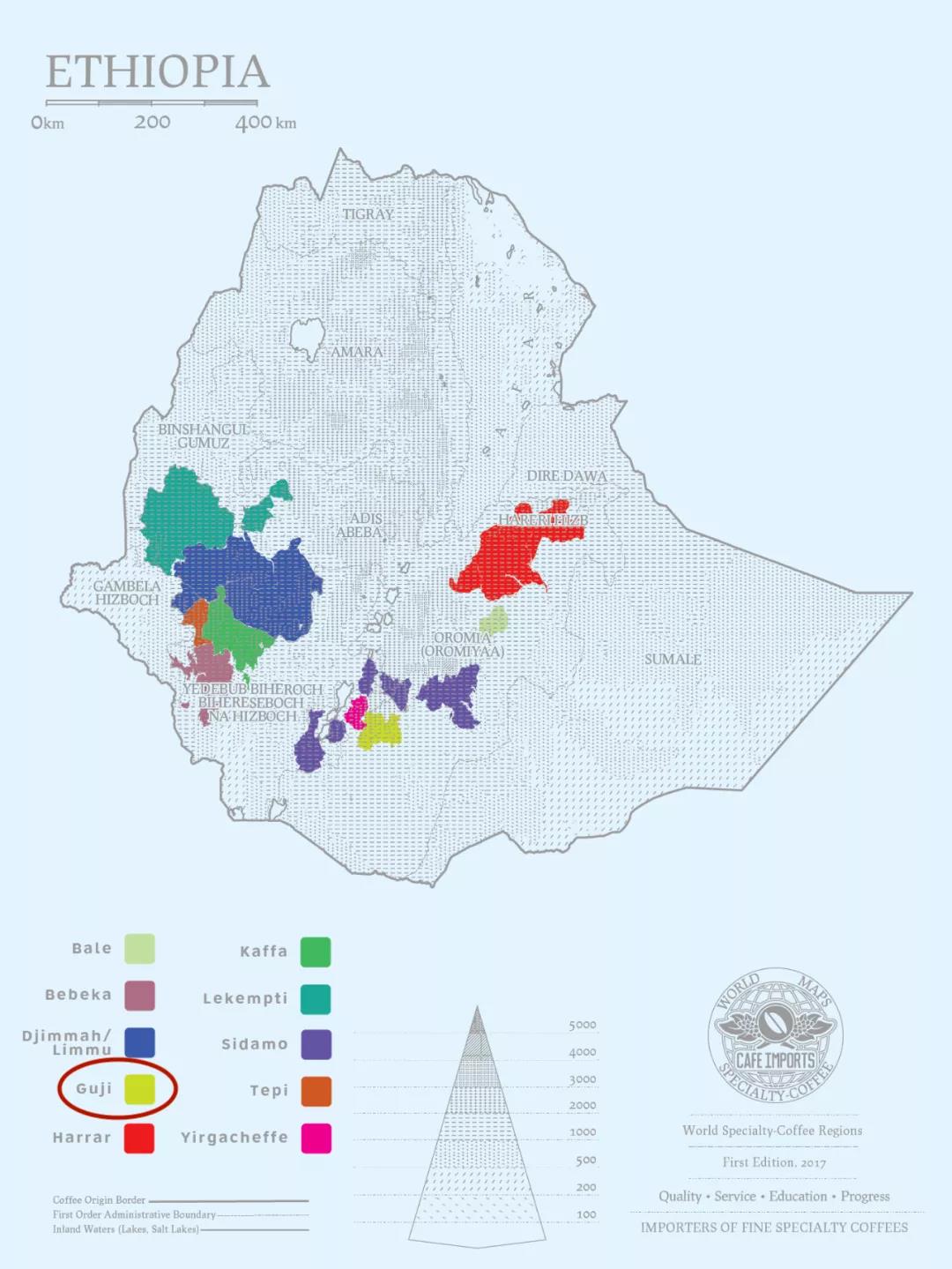
Hambella lies in Ethiopia's largest coffee-producing region, Guji, and administratively belongs to the Oromia region. To the west, Hambella is separated from Yirgacheffe's Kochore region by mountains, with a highland area 3200 meters high and roughly 30 kilometers wide dividing the two regions. To the southeast, east, and north it borders Guji's Shakiso, Uraga, and Kercha sub-regions respectively, making it the highest-altitude coffee sub-region in Ethiopia. (Harrar remains the highest-altitude main coffee-producing region in Ethiopia.)
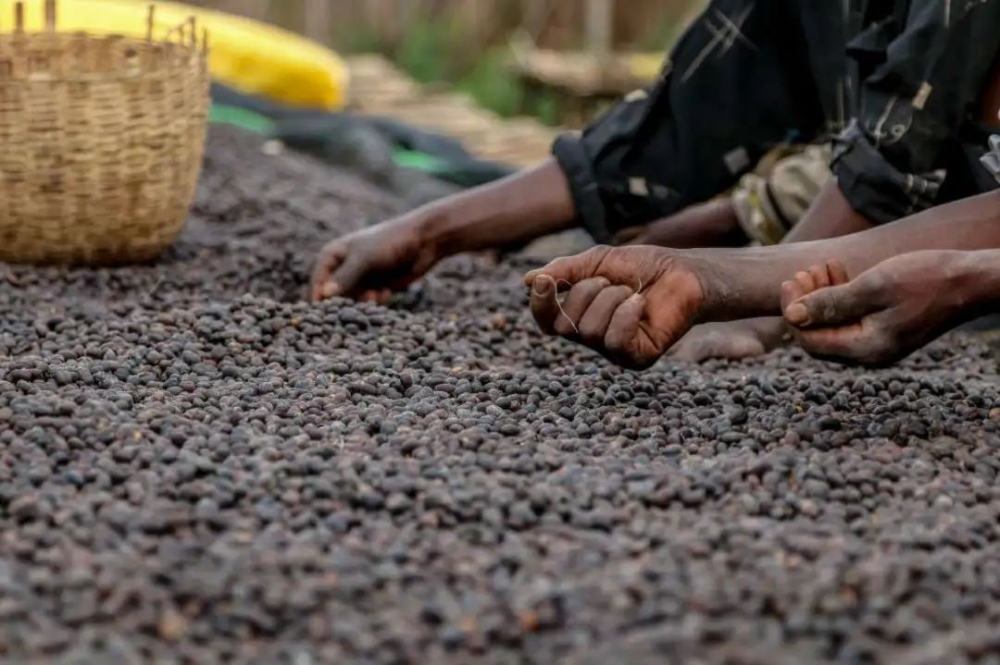
Currently there are about 20 processing stations of various scales in the Hambella region. In 2017, a natural batch from DW company's "Buku Abel" processing station won the Ethiopia National Taste of Harvest Competition championship. The Chinese green bean importer named that batch "Horse Champion." At the time, it had rich strawberry and cream aromas. DW company later expanded its processing stations in the core Hambella region from one estate to four—Buku Abel, Buku Saysay, Haro Soresa, and Tirtiro Goye—with annual coffee production of about 1100 tons. FrontStreet Coffee also offers coffee produced at the Buku Abel station.
Buku Abel Processing Station
Buku Abel means "NEW" place in the local Ethiopian language. In this ancient country with more than 2000 years of history and a population of 100 million, cut off from Asia by the East African Rift Valley, new virgin land waiting to be developed is still being discovered on the plateau. Compared with cultures that span millennia, this is a relatively newly developed land.
Buku Abel sits in southeastern Ethiopia, in an extremely high-altitude primitive tribal area of the Hambella region in Guji, with a population of about 30,000. This small village, like most Ethiopian coffee gardens, grows among wild primeval forest. Coffee farmers have passed down their traditions here for generations, planting native bananas and interspersing local native coffee varieties among the banana trees.
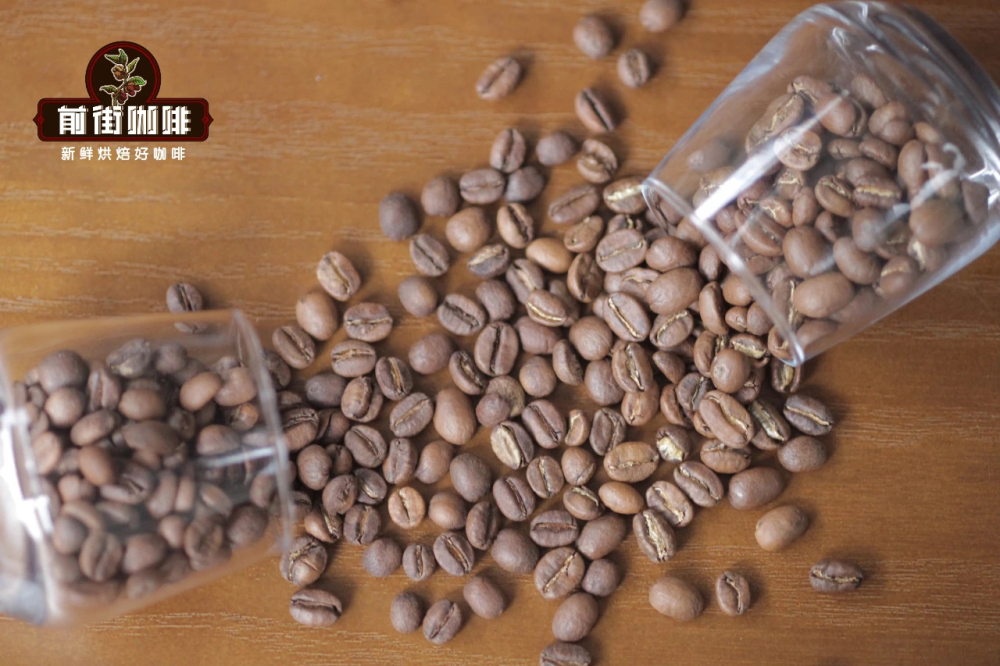
Are There Real and Fake Horse Champion Coffees?
First, in 2017, Ethiopia's DW green bean company sent its coffee to the TOH (Taste Of Harvest) green bean competition hosted by the African Coffee Association. A natural batch from the "Buku Abel" processing station won the Ethiopia TOH championship with its rich strawberry and cream aroma. That year, the green beans from this batch were imported to China by the Beijing green bean trader Hong Shun. In the same year, Li Jianfei used the bean to take runner-up in the 2017 World Brewers Cup China region competition. This Ethiopian bean stood out particularly among many Geisha competition entries, which is how it earned the name "Horse Champion." (Geisha in Japanese means geisha, while "Flower Queen" means the leader among geishas, signaling the exceptional quality of this bean.)
So understood narrowly, Horse Champion coffee can only refer to the 2017 TOH natural group champion that entered the country. Of course, if this wonderful name were to vanish like a flash in the pan, that would be a shame. So Hong Shun continued importing beans from the "Buku Abel" processing station in the Hambella region, naming them Horse Champion 2.0, Horse Champion 3.0, and Horse Champion 3.1 to distinguish them from the earlier coffee and mark different batches or harvest seasons. At that point, Horse Champion still retained certain characteristics: imported by Hong Shun, with production still locked to the "Buku Abel" station in Hambella. Of course, as an agricultural product, coffee flavors vary year to year.
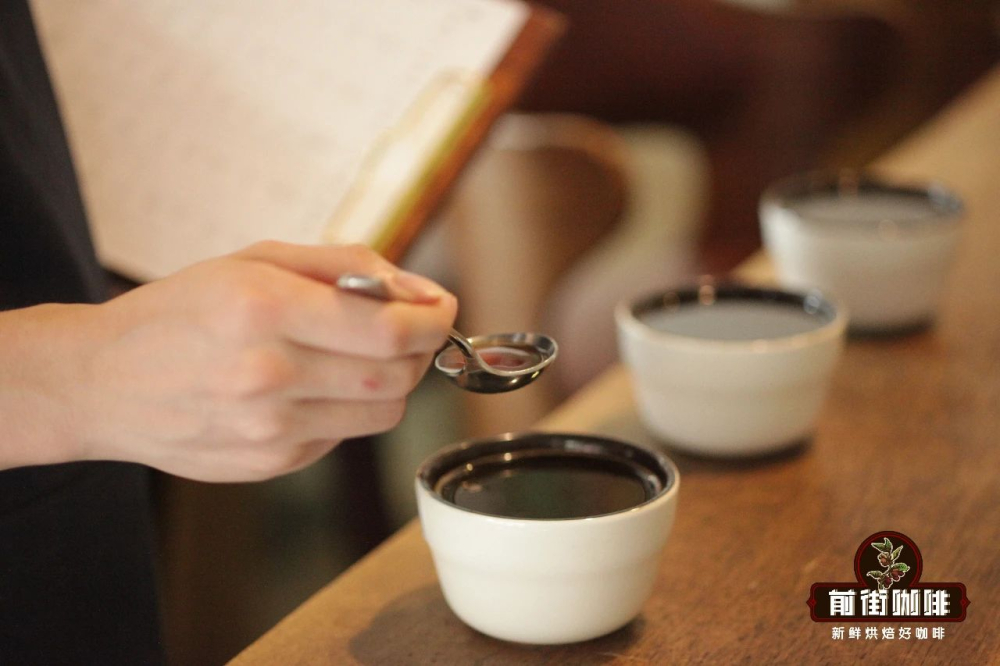
[First Generation Horse Champion G1] Smooth, passion fruit, fermented wine aroma, jackfruit, strawberry.
[Horse Champion 2.0] Overall clean mouthfeel, more prominent berry aroma, with nutty fragrance, richer mouthfeel.
[Horse Champion 3.0] Light strawberry jam, black tea sensation, short sweet aftertaste.
[Horse Champion 3.1] Floral notes, cream, tropical fruits, caramel, persistent sweet aftertaste.
The Horse Champion produced in the 2020 new harvest season was named Horse Champion 4.0 to set it apart from earlier versions. As 2020 marked the fourth year of this coffee, its production area had expanded to several times its original size, and with more scientific cultivation management, the flavor of Horse Champion 4.0 became even more excellent, earning praise from many enthusiasts. So FrontStreet Coffee also purchased this new season's Horse Champion 4.0 for roasting and cupping. FrontStreet Coffee therefore believes that to identify genuine Horse Champion coffee, one should check whether it was imported by the green bean trader Hong Shun. So if you follow foreign coffee roasters, you'll notice that internationally they don't know Horse Champion—they only know Hambella.
Dega Coffee Bean Variety
This year, Ethiopia hosted its first Cup of Excellence (CoE) competition, and the detailed classification of coffee varieties among the top 28 finalists surprised everyone. The 21st-ranked Dega has two very different stories about the origin of its name. One says Dega's name comes from a type of firewood, and Dega's aroma during roasting closely resembles that firewood's burning smell. Another explains that "dega" is the root word for "highland and shady places" in the Ethiopian language, and Dega often grows in high-altitude areas. Unfortunately, since Dega didn't rank among the top 14 in the CoE competition, no flavor description was collected for it. The Horse Champion 4.0 that FrontStreet Coffee acquired this year is precisely Dega variety coffee.
Green Bean Analysis
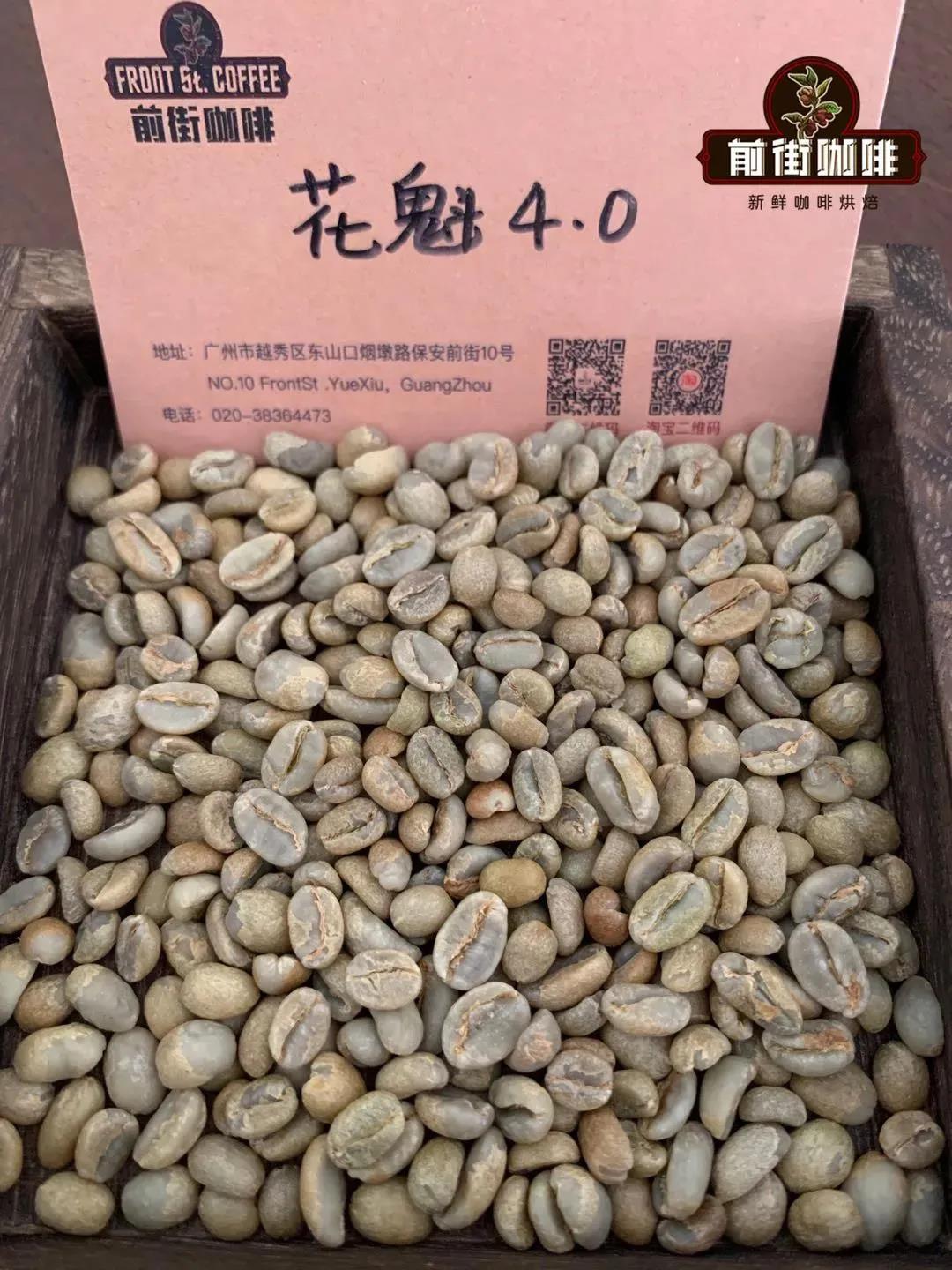
This batch of Horse Champion 4.0 that FrontStreet Coffee purchased shows that Horse Champion 4.0 beans are smaller than the other two Horse Champion 3.0 beans—a result of the different varieties. Horse Champion 3.0 is made from Ethiopian native variety coffee, while Horse Champion 4.0 is the Dega variety. You can also see that the two Horse Champion 3.0 beans are relatively uniform in size because they were screened after harvest, while Horse Champion 4.0 was not screened, so the beans appear in varying sizes.
Coffee Processing Method
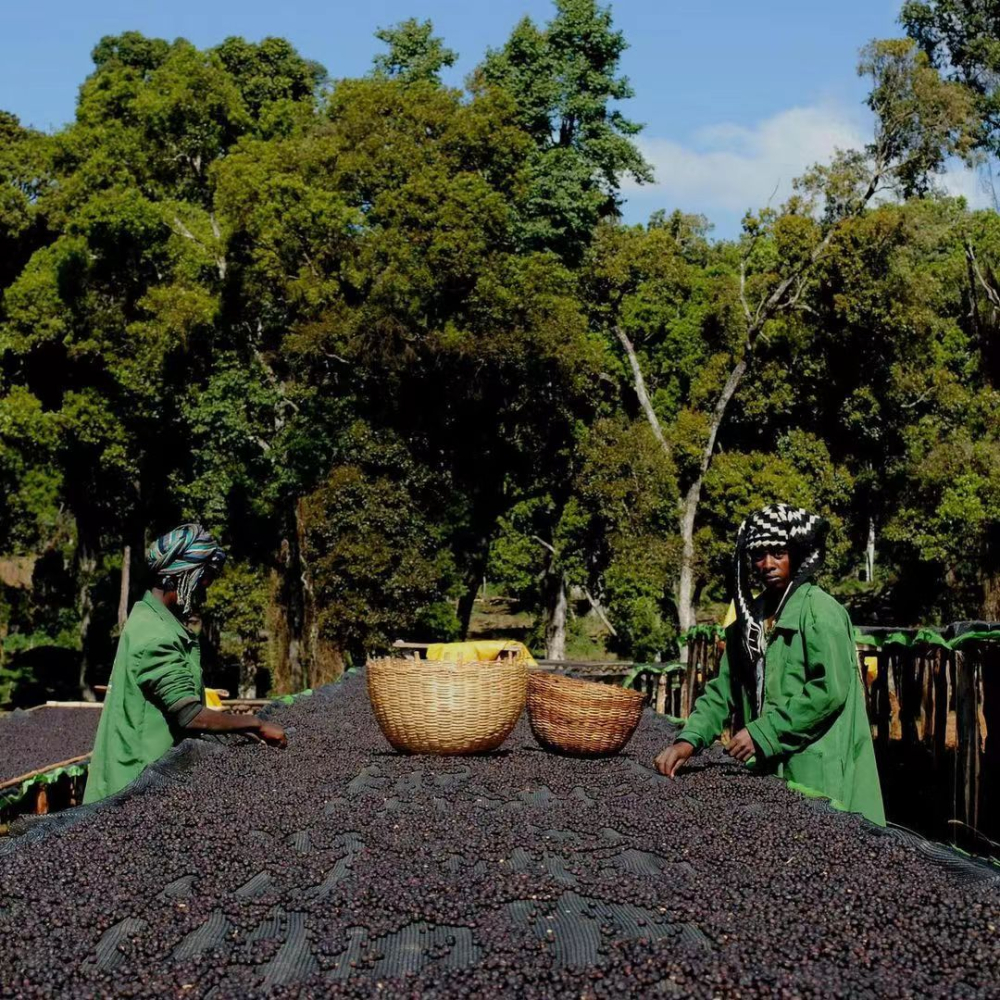
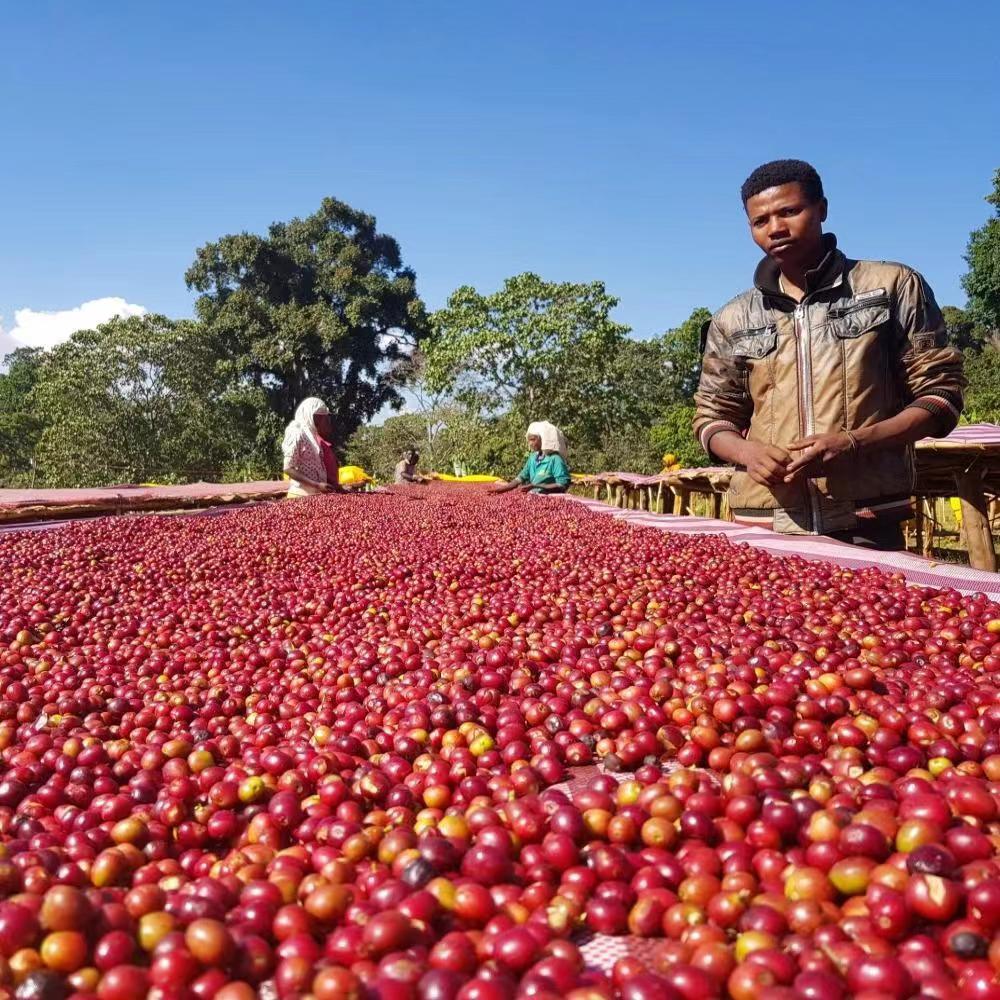
Natural drying is the most traditional processing method: the fruit is dried in the sun after harvest, following these steps:
- Coffee farmers place harvested cherries directly on drying patios to dry in sunlight;
- During drying, the cherries must be turned and stirred appropriately to avoid uneven drying or fermentation;
- After several days, they are dry to completion;
- A hulling machine is used to remove the pulp and skin from the dried beans to extract the green coffee.
Advantages: Natural processed coffee keeps its mucilage during processing, and the mucilage itself is sweet. As the coffee dries naturally, sugars transfer into the beans, so the processed coffee has relatively stronger sweetness, a rich mouthfeel, and more complex layers.
Disadvantages: There may be more defective beans, an inconsistent bean appearance, and a tendency to absorb odors and earthy flavors from the ground.
FrontStreet Coffee Roasting Analysis
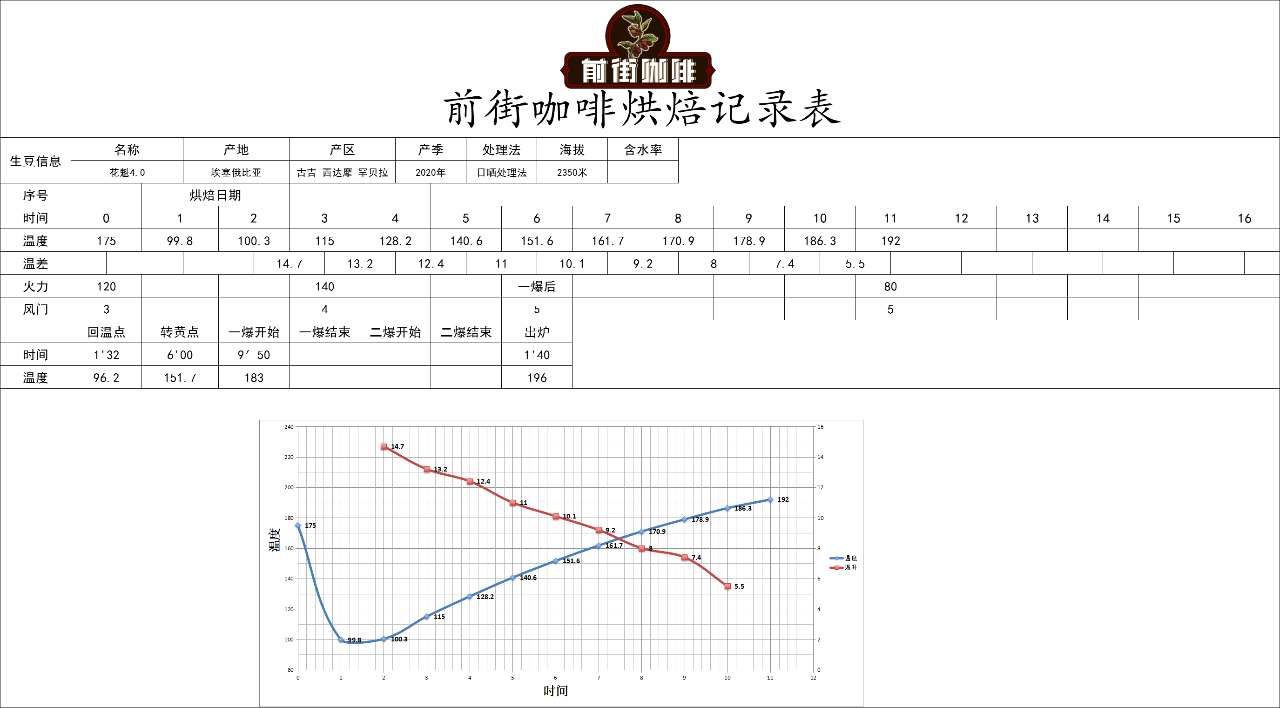
FrontStreet Coffee reviews the flavor descriptions supplied by the green bean vendor and checks the bean's moisture content. The freshly received green beans have a fermented wine aroma of coffee flowers, completely different from the grassy aroma of typical green beans. Horse Champion green beans also come in varying sizes, with many pointed ends (Ethiopia Heirloom—Ethiopian native variety), and have a good moisture content around 11%, but they are not the very hard SHB beans. Because the beans are dense and hard, the initial dehydration time is extended, entering first crack at an increased temperature to preserve the loss of small-molecule aromatic compounds such as floral notes.
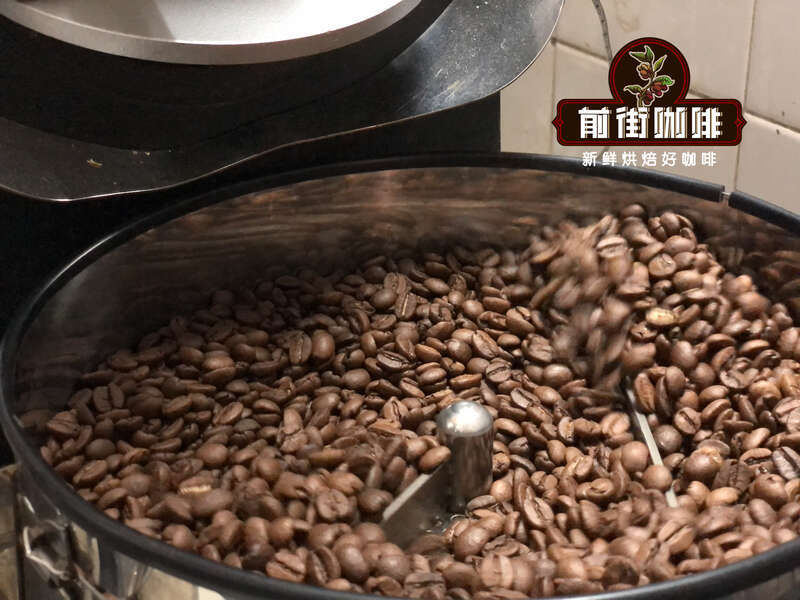
FrontStreet Coffee uses a Taiwan Yangjia 800N roaster, charging beans at 190°C and completing dehydration and yellowing in nearly 6 minutes (yellowing at around 150-153°C). First crack begins at about 9 minutes and 50 seconds; Horse Champion's first crack comes later than typical beans, and the cracking sound is weak. The development time after first crack is best kept between 1 minute and 1 minute 30 seconds—open the air damper and reduce heat to control the pace. Smelling with a sampling spoon, at about 193°C you can detect strawberry jam aroma, which is the point to finish roasting. Total time is best controlled within 11 minutes.
FrontStreet Coffee Brewing Guide
FrontStreet Coffee uses a higher water temperature and a finer grind to fully extract the rich layers of Horse Champion, but to avoid over-extraction from the high heat, it uses a faster-flowing dripper like the V60. The V60's 60° conical shape lets the grounds concentrate at the center, and during pouring the water stream naturally converges toward the center, ensuring enough contact time between water and grounds so the coffee extracts properly. The ribs inside the V60 extend clockwise in a spiral from bottom to top, creating enough space between the filter paper and the dripper for good water flow. Combined with the large hole at the bottom, the flow rate is relatively fast compared with many drippers.
Brewing parameters: V60 dripper, water temperature 90°C, water-to-coffee ratio 1:15, coffee amount 15g, fine sugar grind size (80% pass rate on China #20 standard sieve)
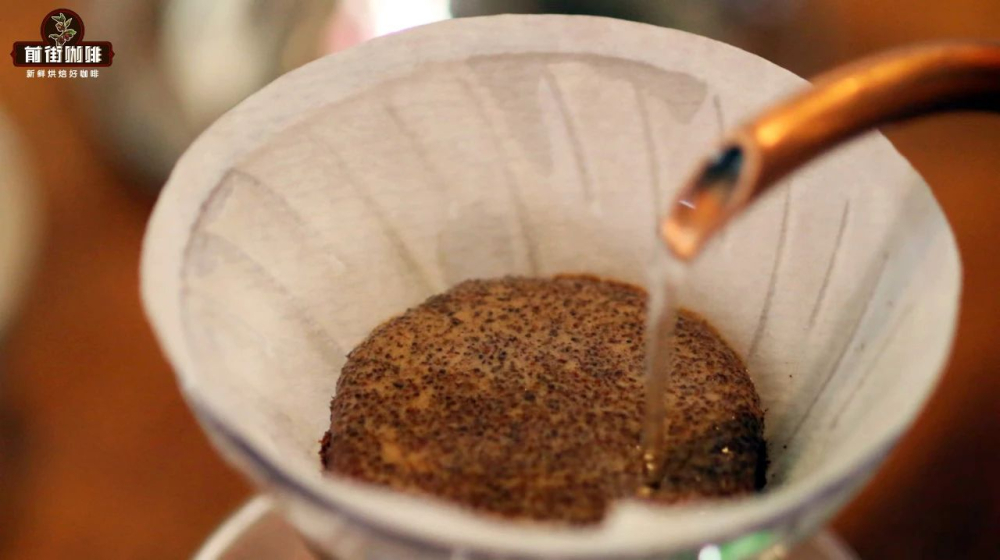
Using FrontStreet Coffee's three-stage brewing method: first preheat the carafe and dripper, add 15g of ground coffee, and tap it flat. Pour 30g of water for a 30-second bloom; the bloom time is best not extended too long, to avoid astringency.
In the second stage, pour 120g of water in concentric circles from the center outward, finishing in about 1 minute. When the coffee bed is almost visible, pour the final stage the same way, adding 90g of water. Remove the dripper when all the water has flowed into the lower pot, ending extraction. Total brewing time is 2 minutes and 5 seconds.
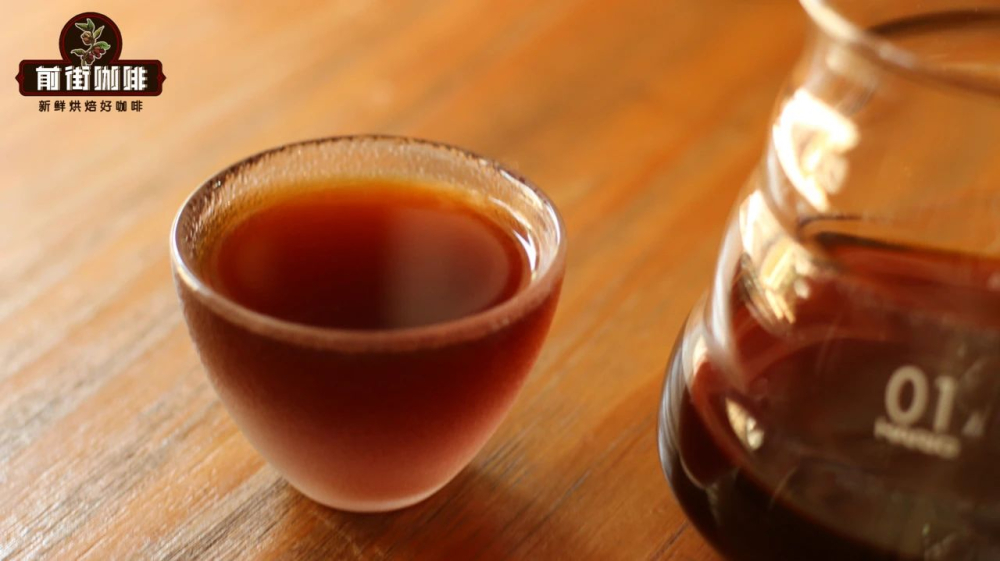
Flavor description: Citrus acidity, full berry juice sensation, lemon black tea character, persistent sweetness.
For professional coffee knowledge exchange and more bean information, follow Coffee Workshop.
For more specialty coffee beans, reach out to FrontStreet Coffee.
FrontStreet Coffee Recommendation
Horse Champion's strawberry-jam and berry-juice character is one of the most vivid expressions of Guji's natural coffees. To place it in context, FrontStreet Coffee's everyday Washed Yirgacheffe is the ideal reference point—white jasmine, bright citrus and lemon acidity, and a clean tea finish, at a friendly price. For a more refined washed cup in the same family, the Washed Gudingding Cooperative delivers the same citrus-lemon lift and jasmine blossom with greater clarity and finesse.
If you want to compare processing styles directly, the Natural Red Cherry follows the same natural logic as Horse Champion: cherries picked as fully ripe red fruit, hand-sorted, and dried on raised beds with the fruit intact—turned every few hours early on—then hulled after three to five weeks. That keeps the classic Yirgacheffe florals while adding tropical fruit, with citrus acidity, a berry-juice body, honey sweetness, and a creamy texture.
Naturally processed, fruit-forward coffees like these are best as pour-overs, and they reward a steady hand. FrontStreet Coffee suggests a V60 with 15g of coffee, a 1:15 ratio, and 90-91°C water, ground to fine-sugar size (about 80% through a #20 sieve). Pour 30g for a 30-second bloom, then 95g in a slow circle (about 125g on the scale) over roughly a minute, and once the bed drops to two-thirds, add the final 100g (about 225g on the scale). Total brew time should land around 2:00 to 2:10.
Important Notice :
FrontStreet Coffee is a long-established specialty coffee roaster in Guangzhou China, selling freshly roasted beans from its own farm in Yunnan as well as dozens of carefully selected single-origin beans from around the world for both pour-over and espresso. The products deliver consistently excellent quality and great value, with shipping within 24 hours. Guangzhou's FrontStreet Coffee shop is recommended by many coffee lovers, and the beans are now available online at the Tmall 。
FrontStreet Coffee has moved to a new address:
FrontStreet Coffee Address: 315,Donghua East Road,GuangZhou
Tel:020 38364473
 Scan and follow the En Gafei WeChat official account. Please indicate that the reprint comes from "En Gafei".