How to Brew Dark Roast Coffee to Enhance Sweetness and Body - A Guide to Dark Roast Pour-Over Methods
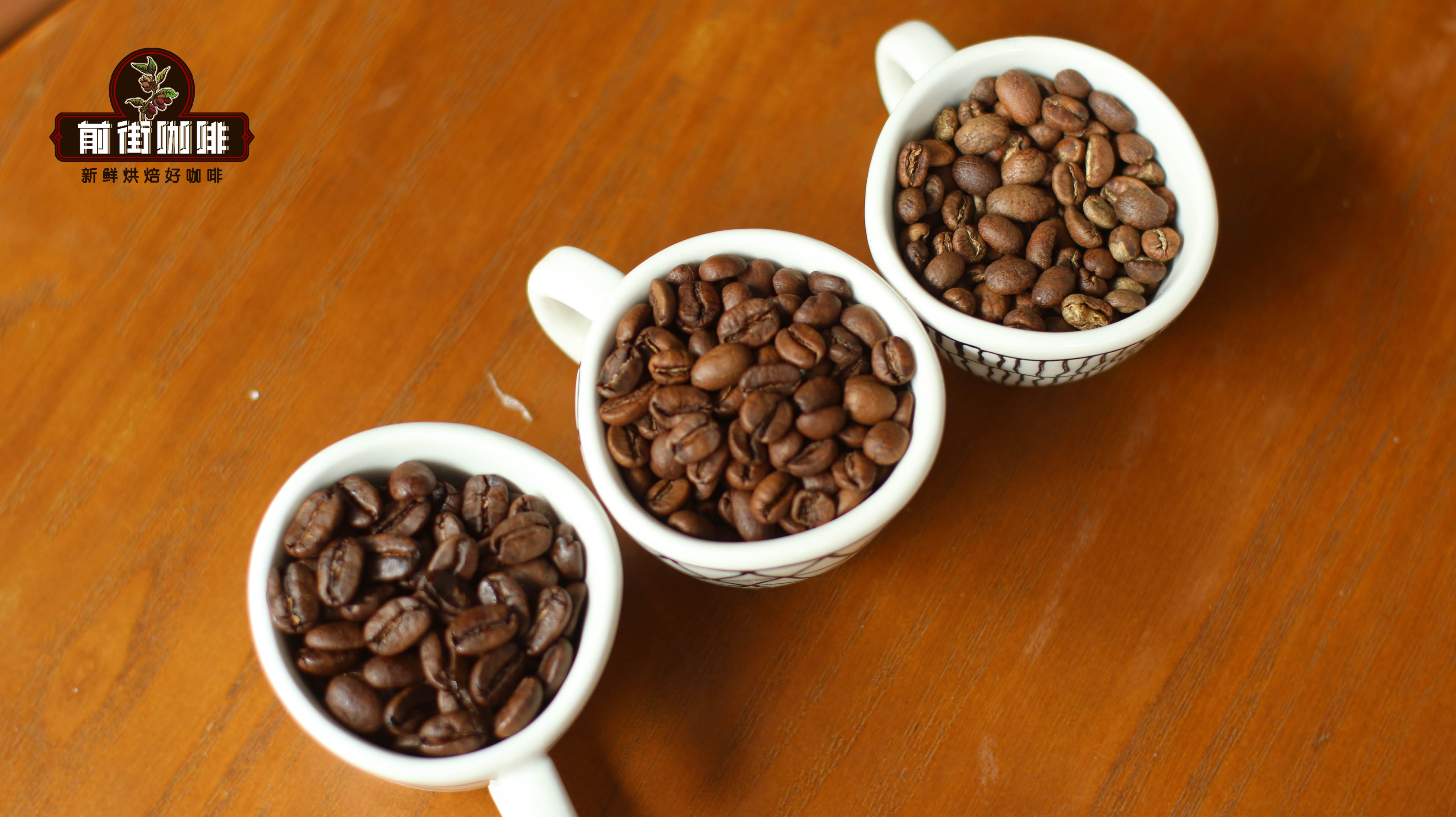
The Rich World of Dark Roast Coffee
Unlike fruit-forward, acidic coffees, darker roasted beans showcase a mellow, robust, rounded mouthfeel with a sweet aftertaste. The first sip usually brings aromas of nuts, chocolate, caramel, and cream — qualities beloved by countless coffee enthusiasts. But coaxing those "essences" out of a dark roast requires attention to detail in both parameters and technique. Here, FrontStreet Coffee uses its FrontStreet Golden Mandheling from the shop menu as the extraction example to share brewing techniques for dark roast coffee.
The Importance of Fresh Coffee Beans
First, prepare a bag of freshly roasted FrontStreet Golden Mandheling. Before brewing, FrontStreet Coffee always checks the beans' freshness: if the roast date is more than one month old, the beans will not be used for service. Coffee has an optimal flavor window after roasting; the aroma dissipates faster over time, and brewing cannot restore what has been lost. This is also why FrontStreet Coffee insists on shipping only beans roasted within 5 days — so that every guest can taste the coffee's complete flavor profile.
Origin and Processing
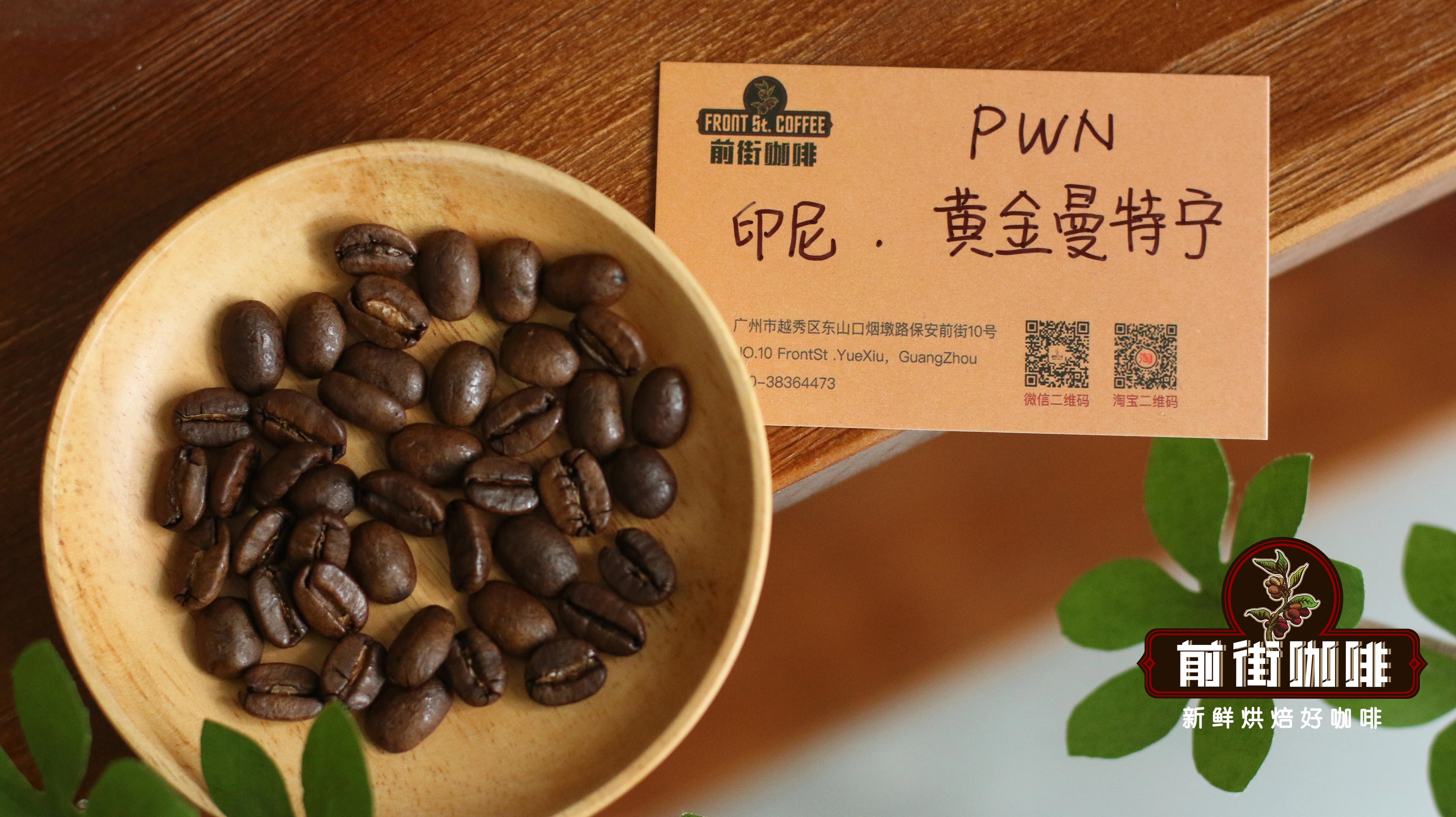
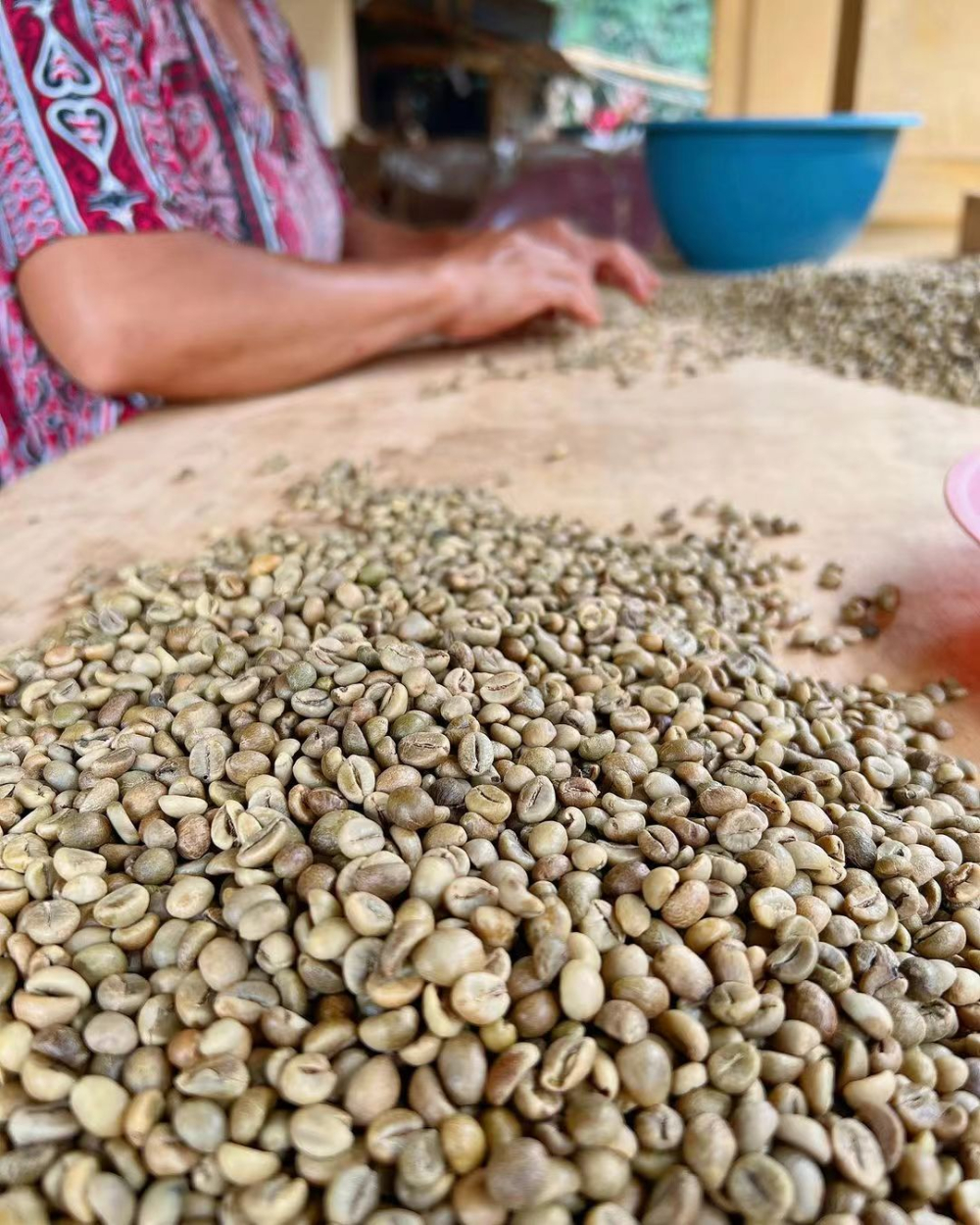
FrontStreet Golden Mandheling comes from Indonesia's renowned PWN company and is processed by the wet-hulling method. Wet-hulling raises the defect rate of the beans considerably, yet the cup doesn't suffer for it — instead it gains an earthy, muted aroma. In wet-hulling's final drying stage the beans are stripped of their parchment protection, leaving the green beans directly exposed to the environment, where various microorganisms proliferate. That is what gives Indonesian coffee its distinctive woody, spicy, herbal character — what we call "regional flavor."
Because wet-hulling forcibly removes the parchment layer through rough friction while the beans are still semi-dry, Mandheling green beans endure significant pressure during production, becoming deformed or even splitting apart. Wet-hulling therefore results in a higher defect rate for Mandheling green beans.
Quality Selection and Roasting
PWN invests considerable labor in its green coffee. It buys only G1-grade Mandheling from the Lake Tawar area of Mount Gayo in northwestern Sumatra, then puts the beans through four rounds of manual selection to ensure uniform color, shape, and size. The result is a Golden Mandheling that tastes cleaner and more transparent, with more pronounced body and sweetness. (Green beans above 18 mesh with fewer than 3 defective beans per 300g sample qualify as G1 — the highest grade for Indonesian green beans.)
To present the classic rich flavor of FrontStreet Mandheling, FrontStreet Coffee's roaster chooses a medium-dark roast, letting the aromas of dark chocolate and caramel explode more fully. The barista then adjusts the brewing approach to suit the roast degree and flavor profile.
Brewing Parameters
Coffee-to-Water Ratio
For a served cup, FrontStreet Coffee uses 15g of ground coffee. The dose usually follows the dripper's design: FrontStreet Coffee's dripper suits 1-2 people and takes 15-20g. Too much coffee is hard to control, and the extracted flavors turn muddled. As for ratio, 1:15 is the most common choice, though anything from 1:13 to 1:17 works — 1:13 for a richer cup, 1:17 for a lighter one. FrontStreet Coffee believes everyone's palate differs — 1:13 may be too strong for some, 1:17 too weak — so it takes the middle value of 1:15.
A Coarser Grind Size
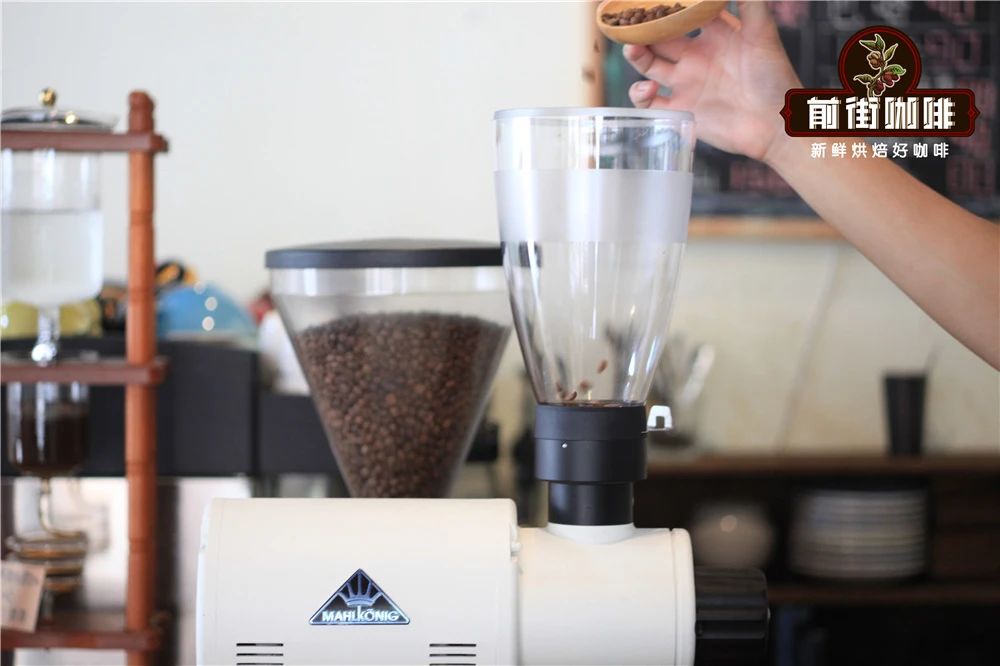
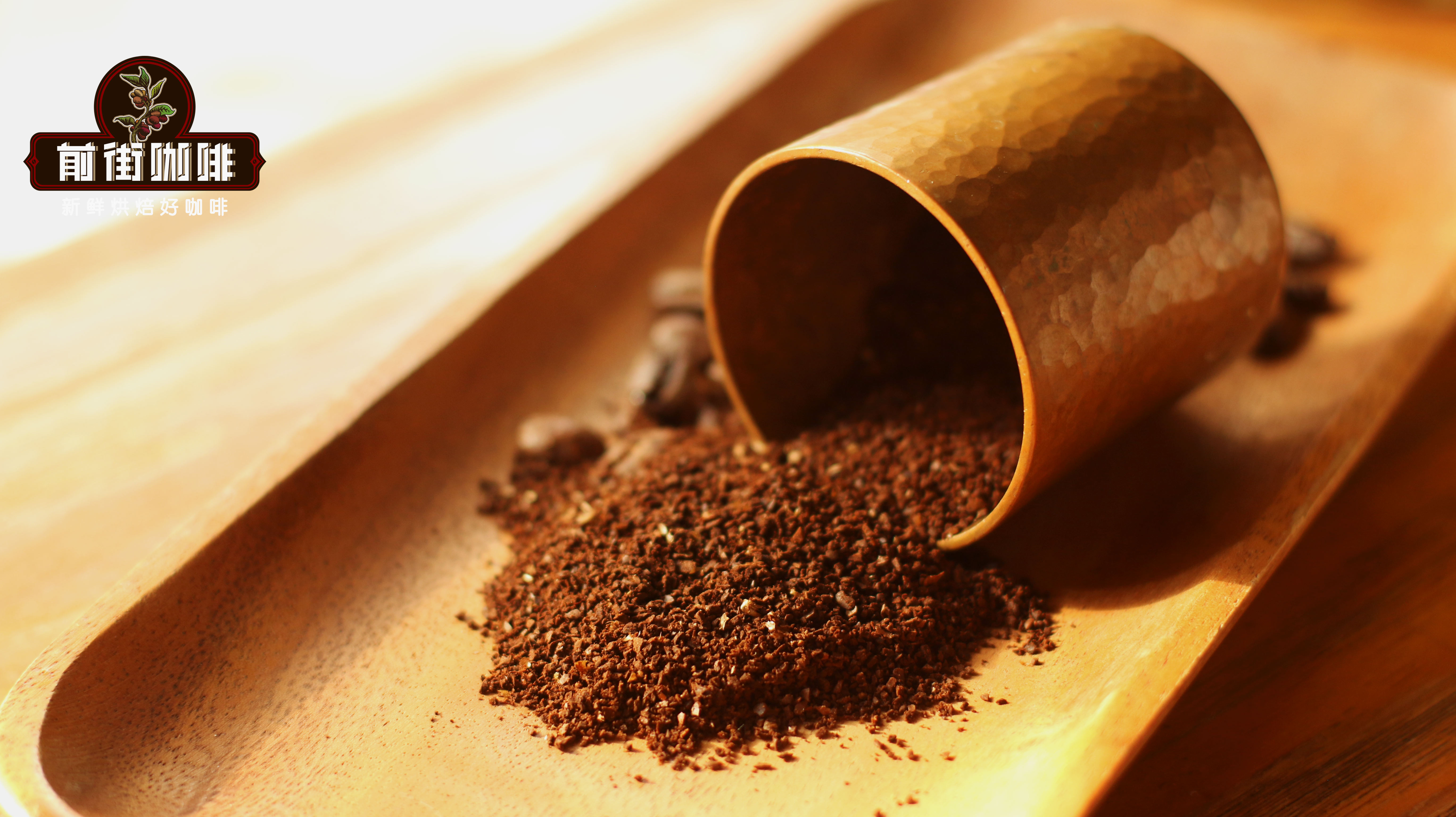
Dark roasting makes the beans' internal structure loose — they crush with a gentle pinch — so the grounds are highly absorbent once ground. To prevent over-extraction as the wet grounds release large amounts of bitter substances, FrontStreet Coffee grinds darker beans coarser than light roasts, roughly the texture of coarse salt. This is medium-coarse grinding (a 70% pass-through rate on China's #20 sieve), or setting 11 on the shop's EK43s grinder.
Lower Water Temperature
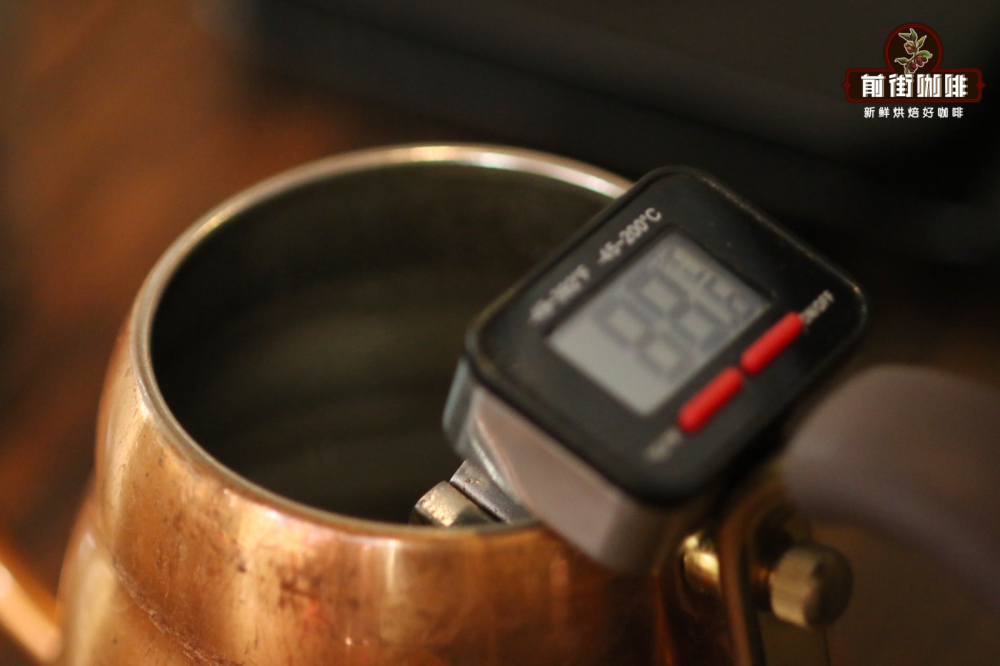
Roasting drives caramelization and the Maillard reaction in coffee beans. As the roast deepens, more non-enzymatic browning occurs — monosaccharides and amino acids interacting and decomposing under heat — making it easier to extract bitter, large-molecule compounds. To avoid pulling out excessive undesirable flavors, FrontStreet Coffee lowers the water temperature slightly: while light roasts typically brew at 91-93°C, FrontStreet Coffee recommends 87-88°C for dark roast beans.
Using a KONO Dripper
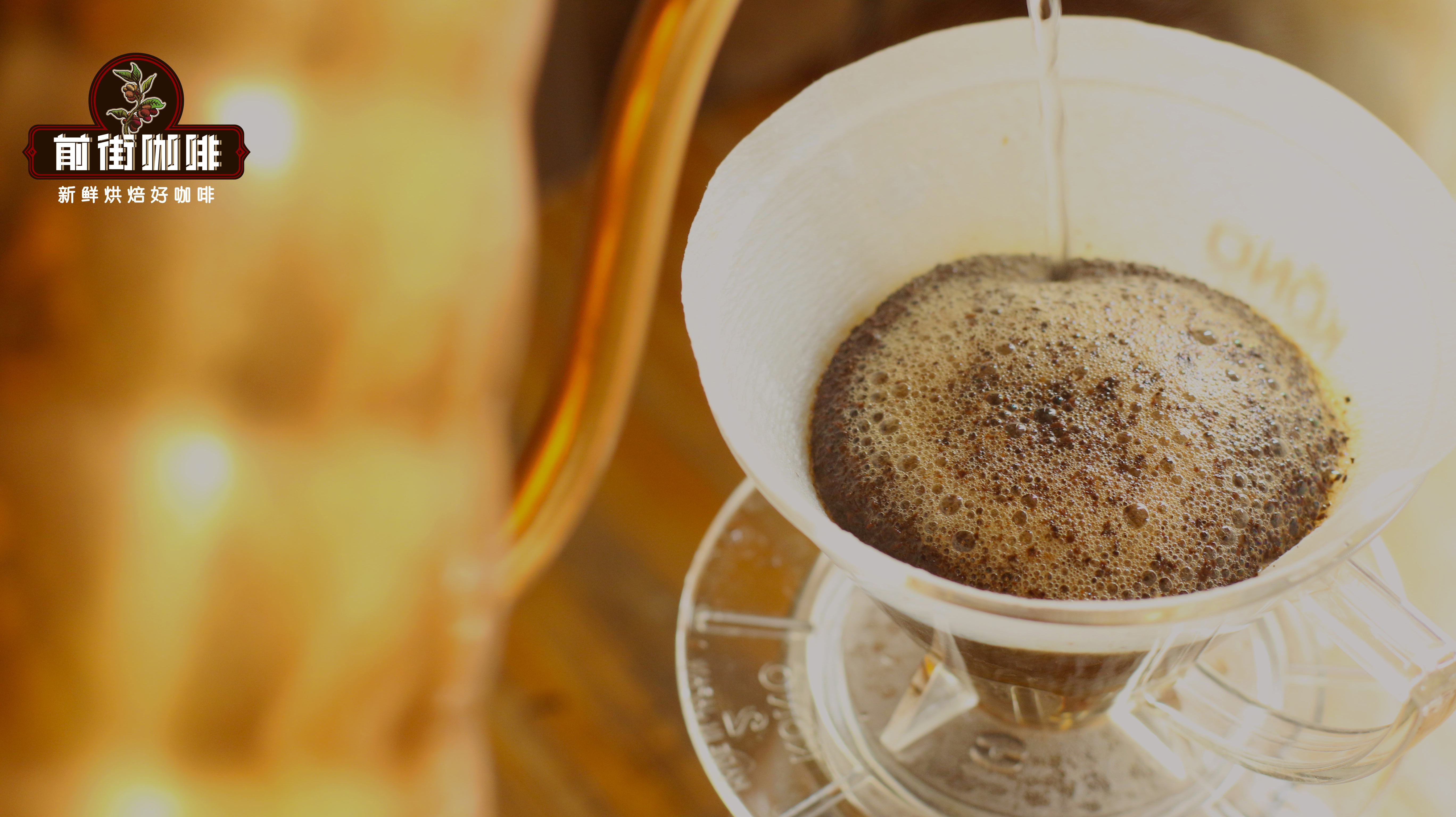
For full-bodied coffees like FrontStreet Indonesian Mandheling, FrontStreet Brazil Queen Estate, and FrontStreet Jamaica Blue Mountain, the barista reaches first for a KONO dripper. Compared with a V60, the KONO's smooth curved walls let the filter paper cling closely to the filter wall once wet, and its shallow ribs — only one-quarter the height — restrict upward airflow, forcing water to exit only through the bottom into the server. This lengthens the grounds' contact time, creating an immersion-style extraction between the coffee bed and the hot water, yielding rounder, fuller flavors — ideal for rich beans like FrontStreet Golden Mandheling.
The Multi-Pour Brewing Method
Pouring in stages brings out the sweetness of FrontStreet Golden Mandheling. A three-pour technique best expresses its rich body and caramel sweetness.
First, wet the KONO filter to help the paper adhere well. After discarding the rinse water from the server, add 15g of ground coffee and pour 30g of water for a 30-second bloom. This first pour fully wets the grounds and lets them degas, setting up better extraction of flavor compounds in the pours to come. Some brewers extend the bloom to 45 or 50 seconds for light roasts to lift the initial aroma — but on dark roast FrontStreet Mandheling, an overly long bloom releases excessive woody flavors and off notes, so FrontStreet Coffee keeps it at 30 seconds.
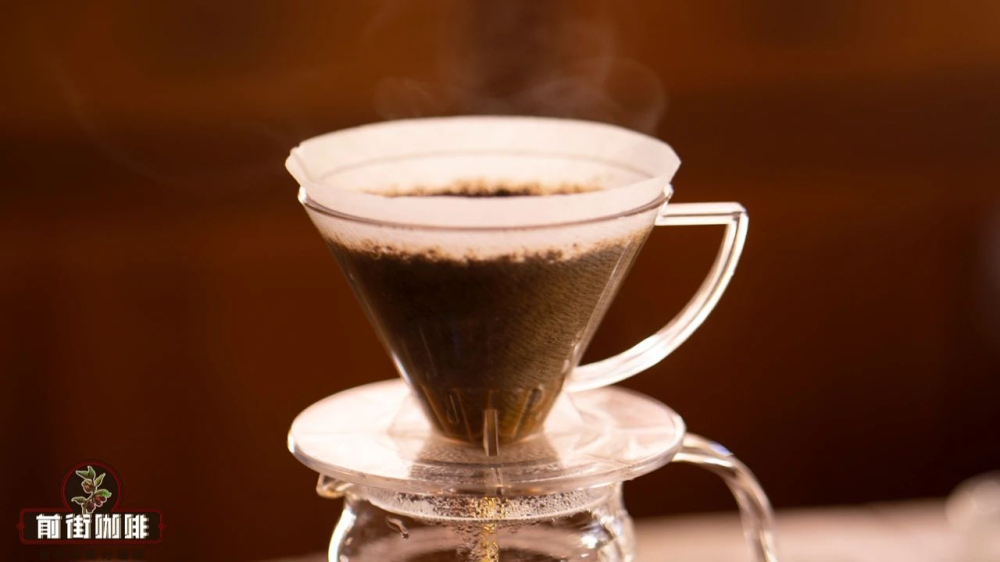
For the second pour, start at the center with small circular movements, injecting hot water slowly at a steady flow until the scale reads 125g, then pause.
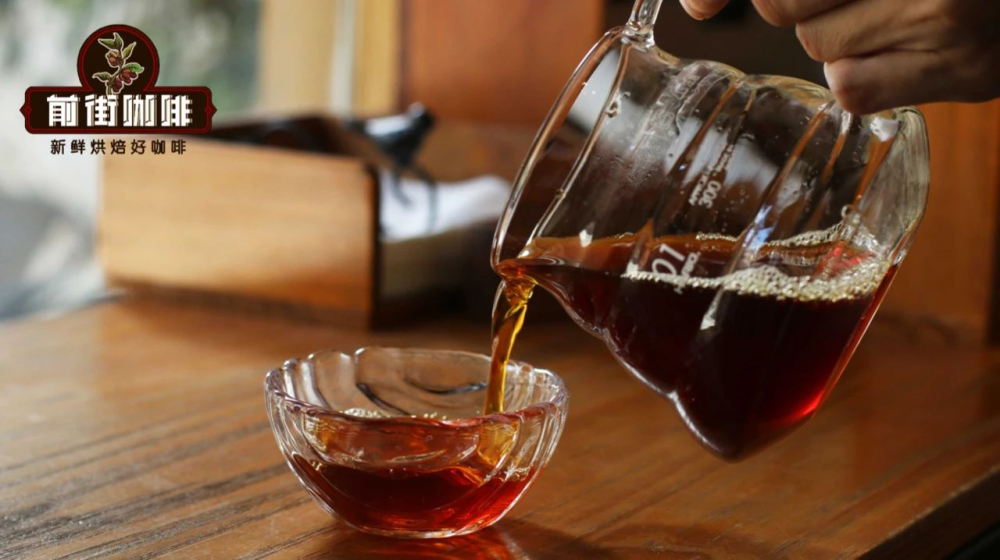
Once the coffee bed has fallen to half the dripper's height and the grounds are exposed, make the third pour with the same technique up to 225g. Remove the dripper once dripping stops. The extraction time should be two minutes, give or take 10 seconds. Finally, swirl the coffee in the server to mix it thoroughly before enjoying your hand-poured FrontStreet Golden Mandheling black coffee.
The Final Experience
Ground FrontStreet Golden Mandheling smells of nuts and toasted bread; during brewing, the sweet fragrance of caramel is unmistakable. In the cup, FrontStreet Mandheling shows spice and dark chocolate with a rich yet clean mouthfeel, a prominent sweet aftertaste, and a long finish.
For professional coffee knowledge exchange and more coffee bean information, please follow Coffee Workshop (WeChat official account: cafe_style).
For more specialty coffee beans, please add FrontStreet Coffee's private WeChat account: qjcoffeex
FrontStreet Coffee Recommendation: PWN Golden Mandheling — The Gold Standard of Wet-Hulled Coffee
If this guide has you reaching for a dark roast, FrontStreet Coffee's PWN Golden Mandheling is the definitive choice. Sourced from the Lake Tawar area of the Gayo Mountains in Aceh, Sumatra, it meets the strictest G1 standard — beans above 18 mesh with fewer than 3 defects per 300g sample — before rigorous hand-sorting strips out the remaining flaws, producing a cup of unusual cleanliness and sweetness. Given Sumatra's humid climate (70-90% humidity, over 2,000mm of annual rainfall), wet-hulling is the only way forward, and it delivers the wild herbal and woody character that sets Mandheling apart. For pour-over, FrontStreet Coffee suggests 87-88°C water, 15g of coffee at a 1:15 ratio, a coarse-sugar grind, and three pours: bloom with 30ml, pour 100ml to lift the golden crema, then a gentle 95ml centered pour — yielding caramel sweetness, chocolate, nuts, and a thick, mellow body.
Important Notice :
FrontStreet Coffee is a long-established specialty coffee roaster in Guangzhou China, selling freshly roasted beans from its own farm in Yunnan as well as dozens of carefully selected single-origin beans from around the world for both pour-over and espresso. The products deliver consistently excellent quality and great value, with shipping within 24 hours. Guangzhou's FrontStreet Coffee shop is recommended by many coffee lovers, and the beans are now available online at the Tmall 。
FrontStreet Coffee has moved to a new address:
FrontStreet Coffee Address: 315,Donghua East Road,GuangZhou
Tel:020 38364473
 Scan and follow the En Gafei WeChat official account. Please indicate that the reprint comes from "En Gafei".