
Pour-Over Coffee | What Is the Purpose of Circular Pouring and How to Pour Correctly
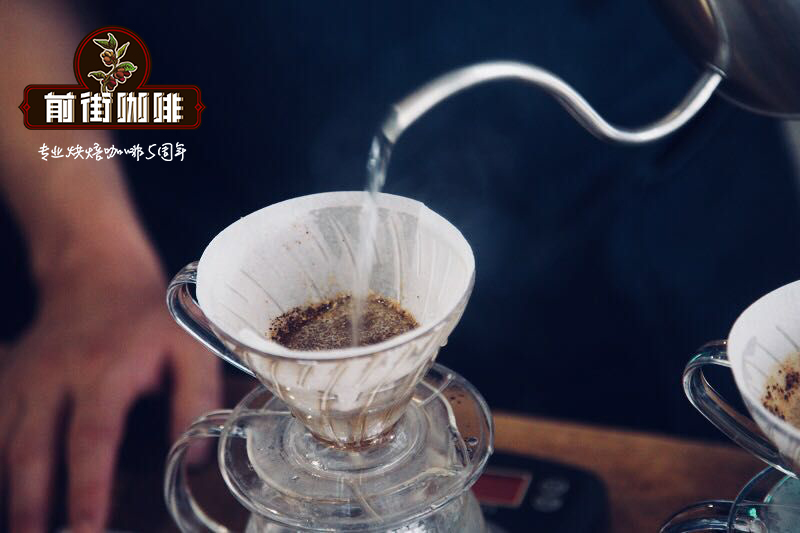
The Art of Pour-Over Coffee: Exploring Circle Pouring Techniques
Have you tried pour-over coffee before? When you order it at a café, do you find yourself watching every move the barista makes? You want to learn their technique, and after watching, you might think you've got it — but when you try it yourself, your hands tell a different story: you really haven't. Today, FrontStreet Coffee explores the science behind circular pouring movements. Let's learn together!
Experimental Design
This experiment set out to test how pouring speed in circular movements affects coffee flavor. To keep the results accurate, the following brewing parameters were fixed:
- Coffee Dose: 15g
- Coffee-to-Water Ratio: 1:15
- Grind Size: 78% pass rate on a #20 standard sieve
- Water Temperature: 90°C
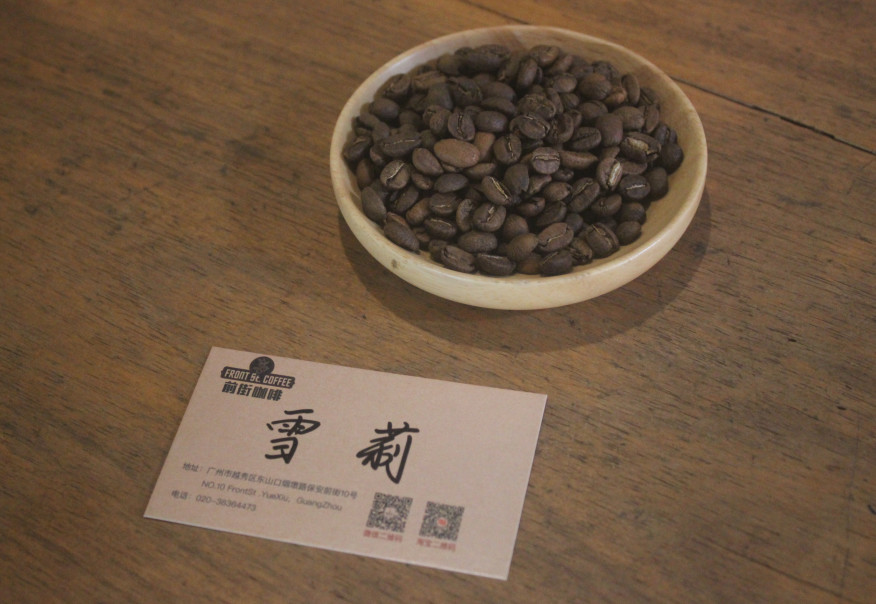
For this experiment, we selected FrontStreet Coffee's Honduras Sherry beans, with the following details:
- Region: Marcala, Honduras
- Estate: Moca Estate
- Altitude: 1500-1700m
- Varieties: Caturra, Catuai, Pacas
- Processing: Fine washed with whiskey barrel fermentation
- Roast Level: Medium-light roast
- Flavor Notes: Vanilla, cream, fermented wine aroma, honey
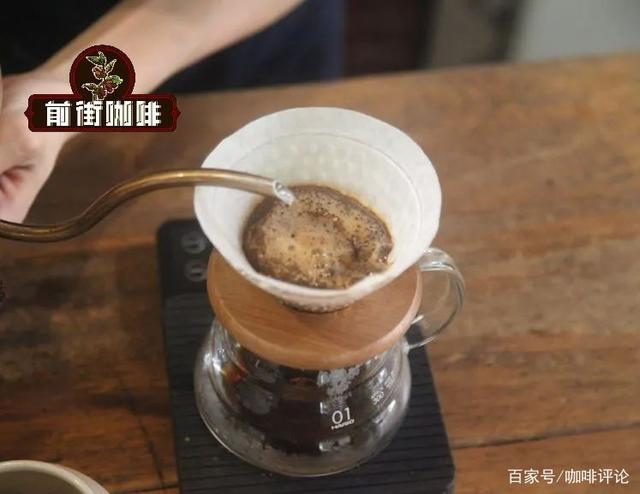
Brewing Process
Fast Circular Pouring (1 second per circle):
Begin with 30g of water for a 30-second bloom. Pour at an average speed of 4g/s in circles from the center outward and back to the middle until reaching 125g. Pause until the coffee bed has dropped to half its height, then continue with coin-sized circles until reaching 225g. Remove the dripper once all the coffee has drained into the server. Total brewing time: 1 minute 57 seconds.

Slow Circular Pouring (4 seconds per circle):
Begin with 30g of water for a 30-second bloom. Pour at an average speed of 4g/s in circles from the center outward and back to the middle until reaching 125g. Pause until the coffee bed has dropped to half its height, then continue with coin-sized circles until reaching 225g. Remove the dripper once all the coffee has drained into the server. Total brewing time: 1 minute 57 seconds.
Experimental Results
| Parameter | Fast Circles (1 sec/circle) | Slow Circles (4 sec/circle) |
|---|---|---|
| Concentration (TDS) | 1.45% | 1.39% |
| Extraction Yield | 19.95% | 19.11% |
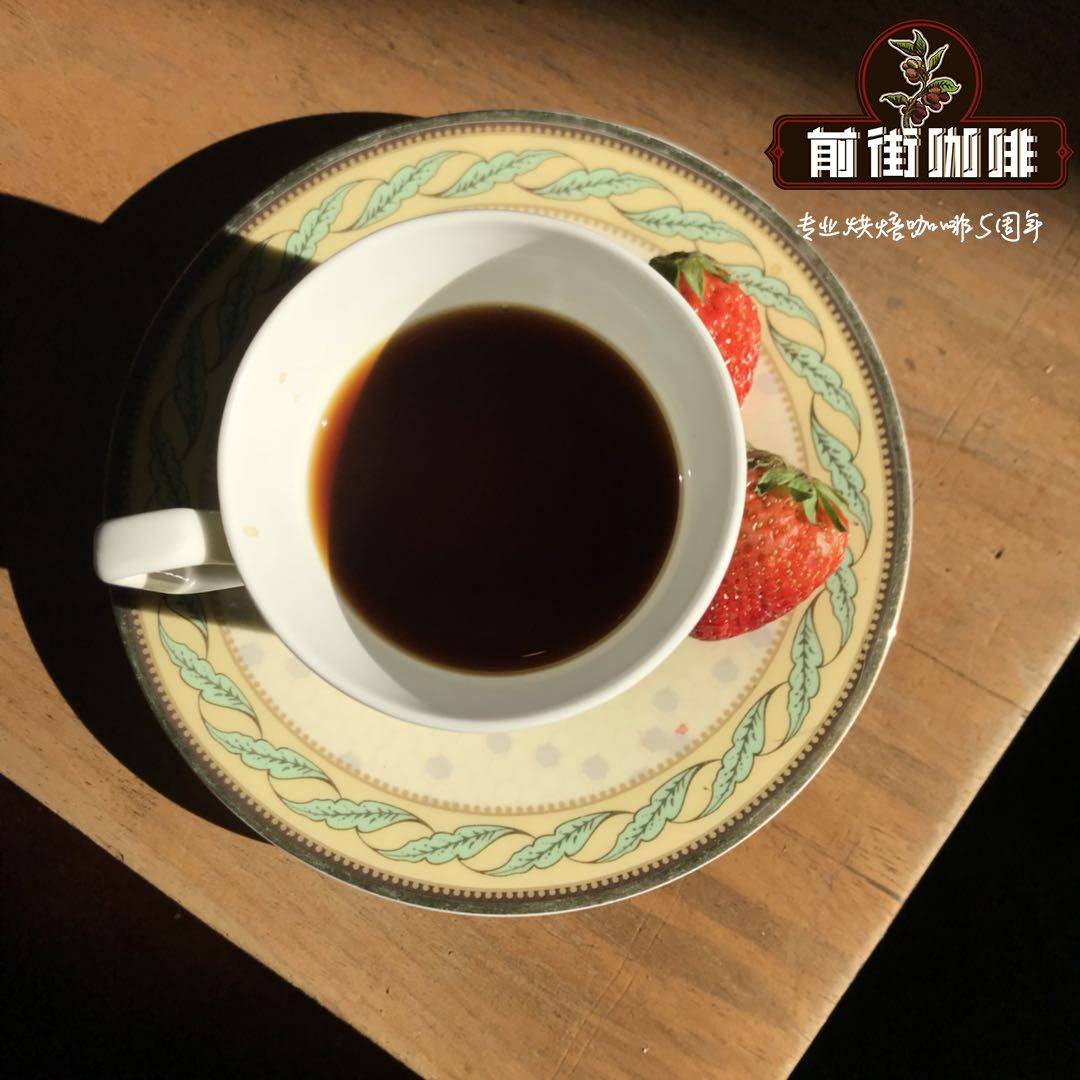
Sensory Description
Fast Circular Pouring:
The wet aroma presents intense wine notes and vanilla. The flavor reveals rich dark cocoa and honey with a creamy mouthfeel.
Slow Circular Pouring:
The wet aroma shows noticeable wine notes and vanilla. The taste is relatively mild with brown sugar and chocolate flavors, subtle acidity, and a somewhat thinner mouthfeel.
Conclusion
The speed of your circles genuinely changes the cup. With fast circular pouring, water mobility increases, agitating the coffee grounds to the maximum and boosting extraction yield. The resulting coffee is richer and more full-bodied, with relatively abundant aroma retention.
Conversely, with slow circular pouring, only the force of the water stream itself scours the coffee bed. Some grounds stay undisturbed, and extraction yield drops accordingly. The brewed coffee is comparatively light in mouthfeel and aroma, presenting an overall more balanced, gentler profile.
FrontStreet Coffee Recommendation
If you're practicing your circles, pair them with the right beans. For the lively, floral side of pour-over, try the FrontStreet Coffee Yirgacheffe Gottingding Cooperative — crisp citrus, berry, and jasmine notes with a green-tea-like finish, gentle enough for newcomers — or the Natural Huakui, whose vivid strawberry, passion fruit, jackfruit, and lychee aromas, high sweetness, and near-zero bitterness have made it one of the most successful stars of the specialty market. For the legendary experience, the FrontStreet Coffee Esmeralda Red Label Geisha from Panama offers elegant jasmine, citrus, bergamot, and fine black-tea nuance in a clean, transparent cup with a long finish.
If your palate prefers the fuller, low-acid end, slow your circles and reach for the FrontStreet Coffee PWN Indonesia Golden Mandheling — herbs, dark chocolate, and a faint earthiness in a thick, long-lasting body — or the balanced, nutty, caramel-sweet Brazil Queen's Manor, excellent as pour-over, espresso, or moka pot. The FrontStreet Coffee Jamaica Blue Mountain No. 1, with its cream, caramel, chocolate, nut, and honey complexity and near-perfect balance, remains the coffee professionals most often call "the easiest great coffee for almost anyone to love."
Important Notice :
FrontStreet Coffee is a long-established specialty coffee roaster in Guangzhou China, selling freshly roasted beans from its own farm in Yunnan as well as dozens of carefully selected single-origin beans from around the world for both pour-over and espresso. The products deliver consistently excellent quality and great value, with shipping within 24 hours. Guangzhou's FrontStreet Coffee shop is recommended by many coffee lovers, and the beans are now available online at the Tmall 。
FrontStreet Coffee has moved to a new address:
FrontStreet Coffee Address: 315,Donghua East Road,GuangZhou
Tel:020 38364473
 Scan and follow the En Gafei WeChat official account. Please indicate that the reprint comes from "En Gafei".

