The Story and Characteristics of Typica Coffee Beans - Is Typica an Arabica Variety?
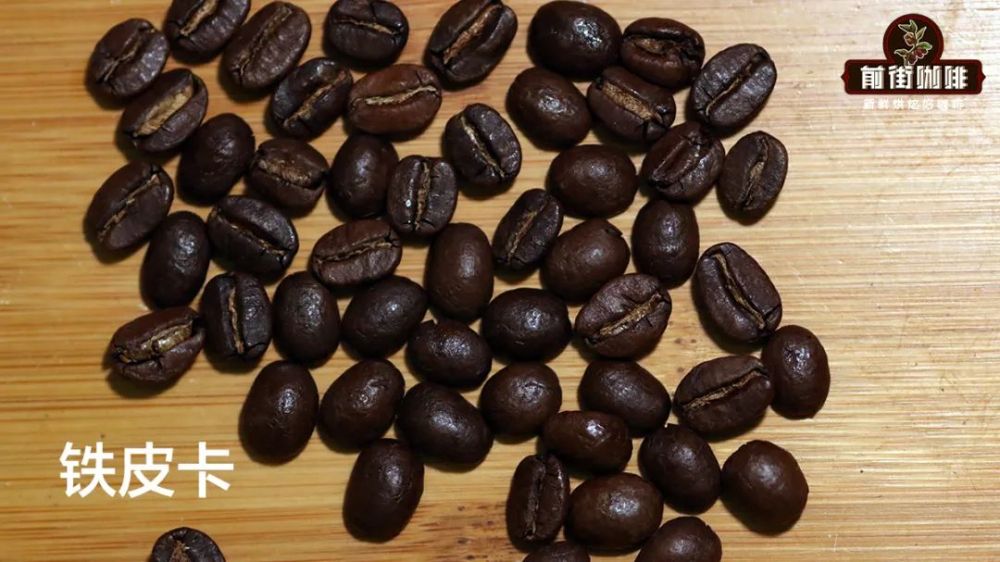
Typica is one of the most iconic coffee varieties in the world. It traces back to the birthplace of Ethiopian Arabica coffee, and it is impossible to understand the coffee we drink today without it.
The Typica variety offers exceptionally fine flavor and earns outstanding scores on the cupping table. Its resistance to disease and pests is relatively weak, however, and it needs to be grown at higher altitudes, above 1200m, to develop its best flavors.
What is Typica?
Typica is one of the oldest varieties within Arabica. It was once widely cultivated around the world, but leaf rust drove many major producing regions toward varieties with stronger disease and pest resistance. Today the best-known Typica-growing areas include North Sumatra in Indonesia, Blue Mountain in Jamaica, Kona in Hawaii, and the old varieties of Yunnan, China.
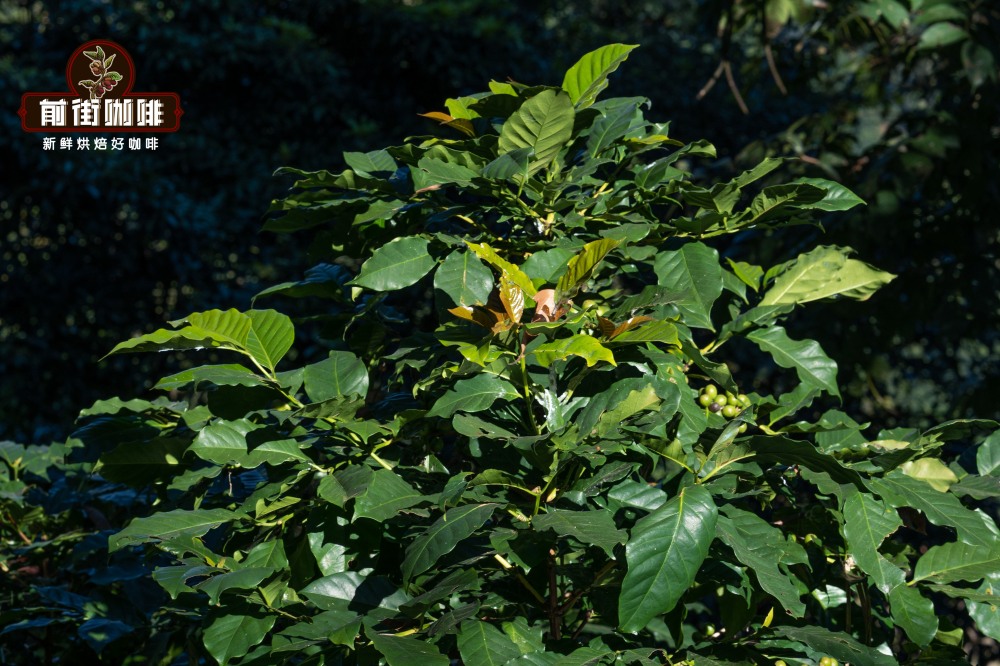
Typica has distinctive characteristics and is probably the most easily recognized variety. The plants are conical, with a central vertical trunk that can reach up to 5 meters in height. That height means that, compared with other varieties, both the distance between branches and the distance between nodes on a single branch are greater.
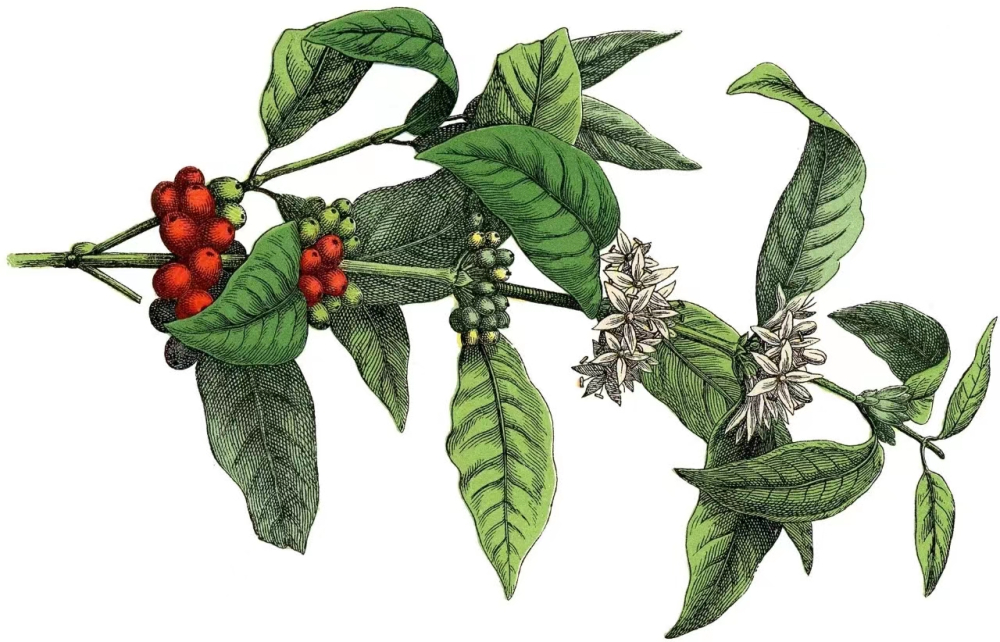
The most prominent trait of Typica is that the top leaves take on a reddish-bronze color, which is why it is also called "Red Top Coffee." The beans are relatively large, elongated and pointed at both ends, somewhat resembling an egg. Typica beans often show citrus acidity with a sweet aftertaste, and many drinkers praise them as elegant and clear. Mature Typica plants are quite tall, about 5 meters, or 16.5 feet, which makes manual harvesting awkward. The trees are conical with slightly inclined branches, and the lateral branches form 50-70° angles with the vertical stem. The trunk is slender and the branches thin. Because of the height and the long branches, plenty of spacing must be maintained between plants.
Typica's disease resistance, however, is very poor. It struggles against leaf rust, coffee berry disease and other common problems, and its yield is scarce as well. Leaf rust is the most serious of these plant diseases, first appearing in the coffee region around Lake Victoria in East Africa in 1861. In 1970, leaf rust broke out in Bahia, Brazil, and from then on producing regions around the world gradually reported cases. A coffee tree infected with leaf rust is essentially incurable, eventually withering and even dying. As an economic crop, Typica, with its low yield and weak disease resistance, is hard to make profitable, so many growers abandon it for varieties with better resistance.
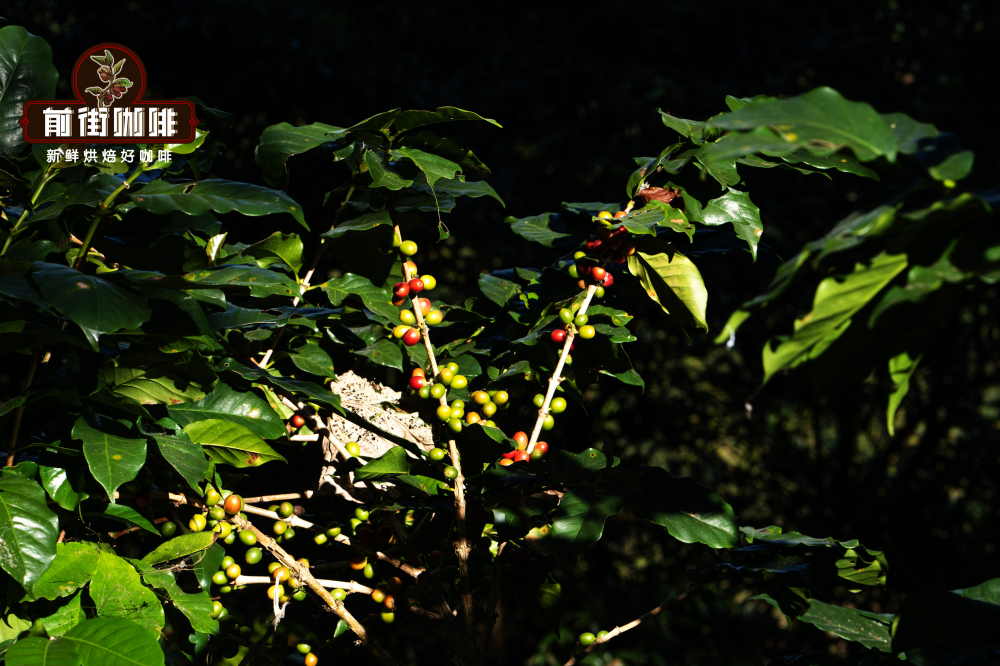
As a high-quality variety with rich aroma, Typica is still grown in various parts of the world today, most famously as FrontStreet Coffee's Jamaica Blue Mountain coffee. Growing elegant, pure-flavored Typica is not simple: every step, from natural terroir and plant management to fruit harvesting and post-processing, must be handled well for the beans to develop positive flavors and textures. Producing high-quality Typica therefore demands more labor and more technical skill, which is why Blue Mountain coffee and Kona coffee are so precious.
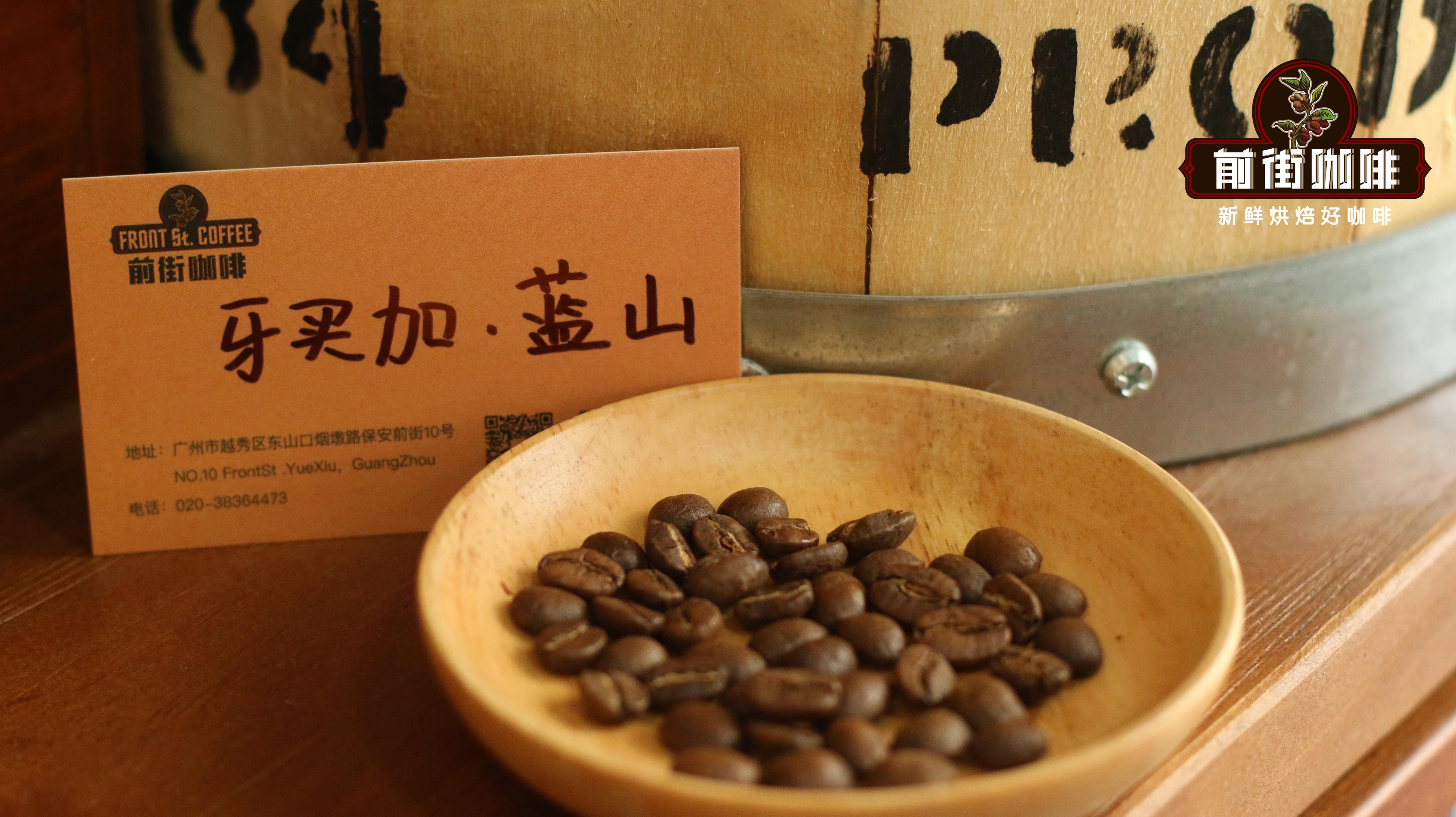
FrontStreet Coffee Blue Mountain Typica Coffee Beans
FrontStreet Coffee's Jamaica Blue Mountain No. 1 is of the Typica variety. Unlike many other producing regions, Jamaica is a relatively closed island nation with naturally superior microclimate conditions. Through more than two hundred years of domestication and adaptation, Blue Mountain Typica has developed better disease resistance, showing notably stronger resistance to coffee berry disease than typical Typica, with more stable yield and quality. FrontStreet Coffee's Blue Mountain coffee is selected from the renowned local Clifton Farm, one of the oldest farms in the Blue Mountain region. In flavor terms, this FrontStreet Coffee Blue Mountain No. 1 is clean and mellow, with nutty, chocolate and caramel notes.
Yunnan Typica Coffee Beans
Originally, the coffee grown in Yunnan was ancient Typica and Bourbon. Later, Yunnan coffee was hit by global leaf rust, which killed trees on a large scale and sharply reduced the planted area. Then, with support from various foreign companies, high-yield, disease-resistant Catimor varieties were introduced. That cemented Catimor's role in replacing the old Typica trees and made it the main variety of Yunnan coffee today. Because Typica yields poorly and succumbs easily to disease, and because management costs are high, growers need more time to explore it, which is why most Yunnan farmers are unwilling to plant it.
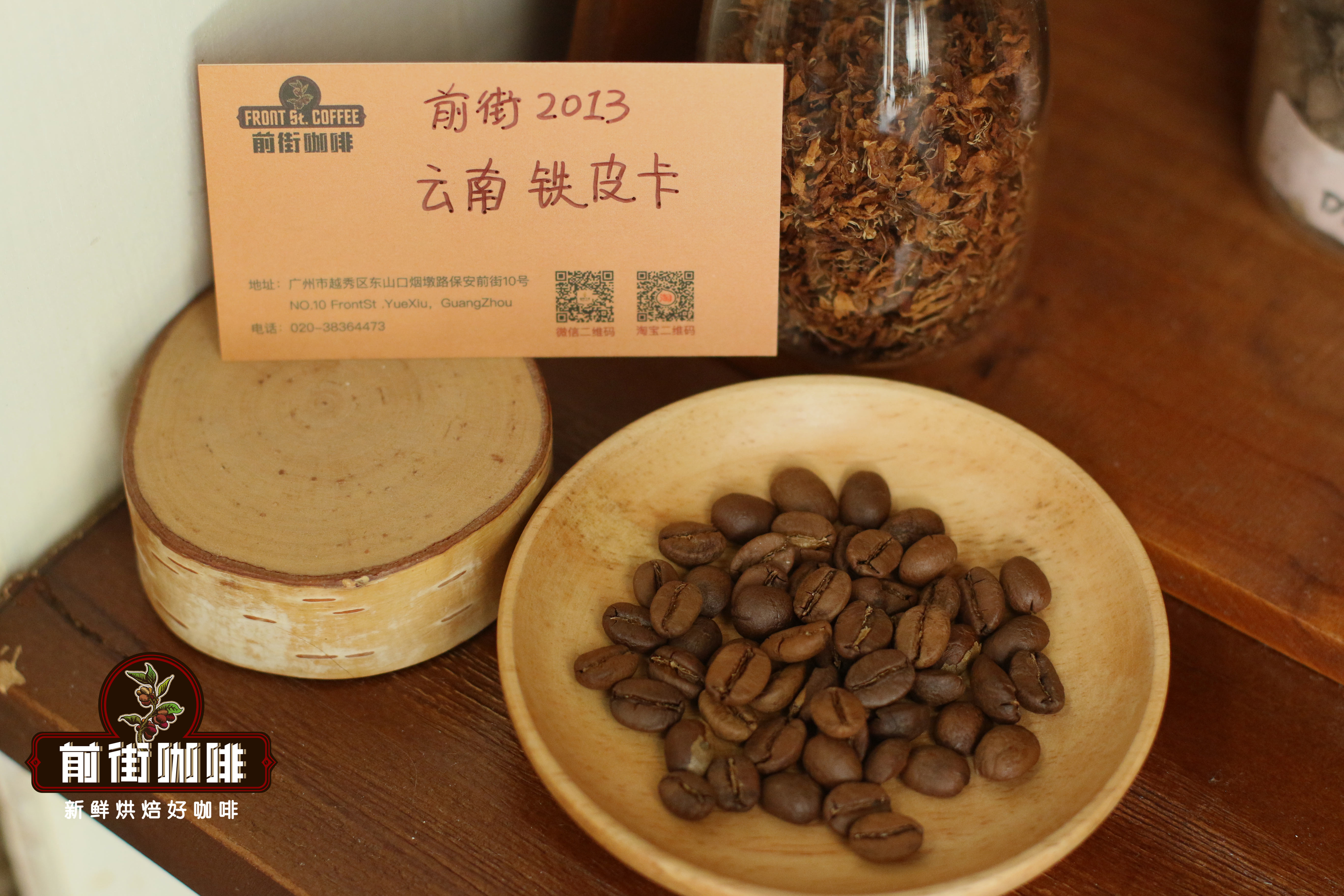
To explore coffee more deeply, FrontStreet Coffee went to Lincang, Yunnan in 2013 to begin a chapter of coffee cultivation. From site selection, variety selection, seedling cultivation, planting, harvesting, processing and roasting, everything was handled by FrontStreet Coffee's own team, and from that work they accumulated considerable experience with varieties, altitude and processing methods.
Lincang is influenced by warm, humid air from the Indian Ocean and the southwest monsoon. The four seasons are not sharply distinct, but the dry and rainy seasons are clearly divided. Rainfall is abundant, sunshine hours are long, frost periods are short, and some areas are frost-free all year. The three-dimensional climate is well defined, making the area very suitable for Arabica coffee. For that reason, FrontStreet Coffee specifically chose the most primitive Typica. Delicate Typica is also notorious for its low yield and poor resistance, so FrontStreet Coffee invested considerable effort in cultivation and management. After 5-6 years of growing, FrontStreet Coffee finally harvested the first batch in 2020, produced with the natural sun-drying method and officially named "FrontStreet Coffee 2013."
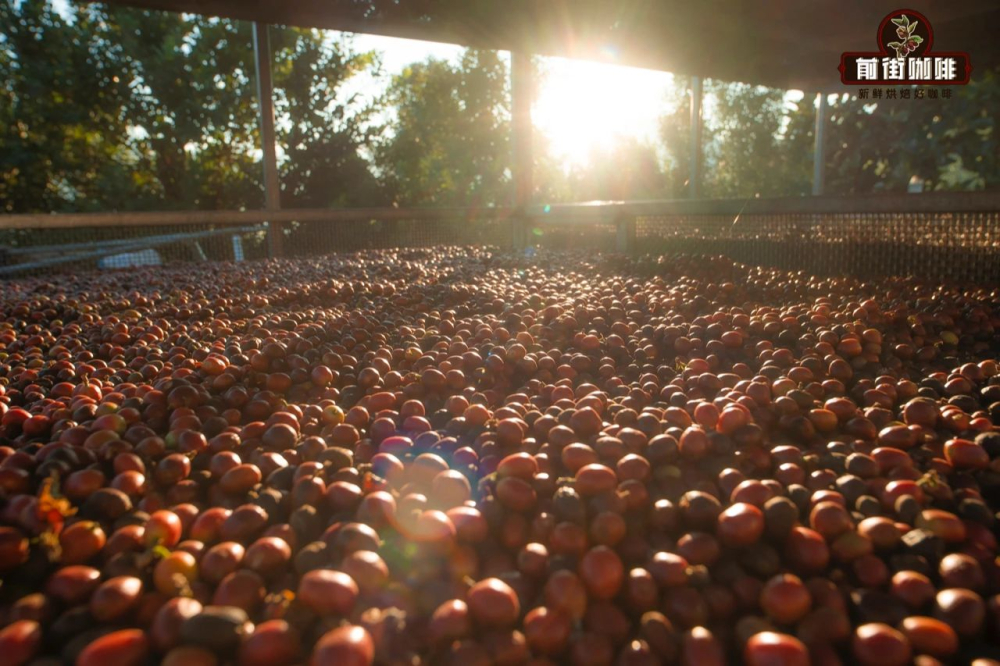
After harvesting, FrontStreet Coffee's Typica cherries go straight into sun-drying to preserve freshness. FrontStreet Coffee screens them first, using flotation as one common method. The screened cherries are then dried in the sun, with staff turning them regularly to prevent uneven heating that could cause over-fermentation. Once the cherries dehydrate from bright red to dark purple and reach the target moisture content, they are ready for hulling and roasting. FrontStreet Coffee's sun-dried Typica shows fuller fermentation flavors than a washed version, with prominent sweetness and aromas of caramel, berries and black tea.
FrontStreet Coffee Recommendation
Typica's most famous expression today is Jamaica Blue Mountain, and FrontStreet Coffee's Blue Mountain No.1 is the highest grade of that coffee. It is grown at Clifton Farm, one of the oldest estates in the Blue Mountain region, where coffee has been cultivated since around 1750. The farm sits at an average of 4,300 feet (1,310.64 meters), and the altitude, the afternoon cloud cover, the steady sunshine and the mineral-rich soil all slow the ripening of the cherry and concentrate its flavor. The result is the balance Blue Mountain is known for: not the sharp fruit acidity of some African coffees, and not the heavy bitterness of a dark roast, but a smooth, rounded cup with nut, chocolate, cream caramel and a gentle sweetness.
Brewing it well is mostly a matter of restraint. FrontStreet Coffee recommends a Kono dripper, 15g of coffee rested 4-7 days from the roast date, a grind a little coarser than you would use for a light roast, water at 87-88°C, and a 1:15 ratio. Pour in three stages: 30g of water for a 30-second bloom, then up to 120g, then up to 225g, keeping the stream vertical and the circling slow and small. Water that is too hot is the usual cause of a scorched, bitter cup, while water that is too cool leaves the coffee flat and dull. Authentic Blue Mountain can also be identified by its paperwork and packaging: FrontStreet Coffee's lots come with Clifton Farm certification and are shipped in the traditional wooden barrels, which hold 15, 45 or 70 kilograms, and by the green beans themselves, which are regular, plump and slightly raised at both ends.
Important Notice :
FrontStreet Coffee is a long-established specialty coffee roaster in Guangzhou China, selling freshly roasted beans from its own farm in Yunnan as well as dozens of carefully selected single-origin beans from around the world for both pour-over and espresso. The products deliver consistently excellent quality and great value, with shipping within 24 hours. Guangzhou's FrontStreet Coffee shop is recommended by many coffee lovers, and the beans are now available online at the Tmall 。
FrontStreet Coffee has moved to a new address:
FrontStreet Coffee Address: 315,Donghua East Road,GuangZhou
Tel:020 38364473
 Scan and follow the En Gafei WeChat official account. Please indicate that the reprint comes from "En Gafei".