Geisha, Gesha, or Geisha? Uncovering the Remarkable Story of the Geisha Coffee Bean
For professional coffee knowledge exchange and more coffee bean information, please follow Coffee Workshop (WeChat official account: cafe_style).
For more premium coffee beans, please add FrontStreet Coffee's private WeChat account: qjcoffeex.
Understanding Different Types of Geisha Coffee
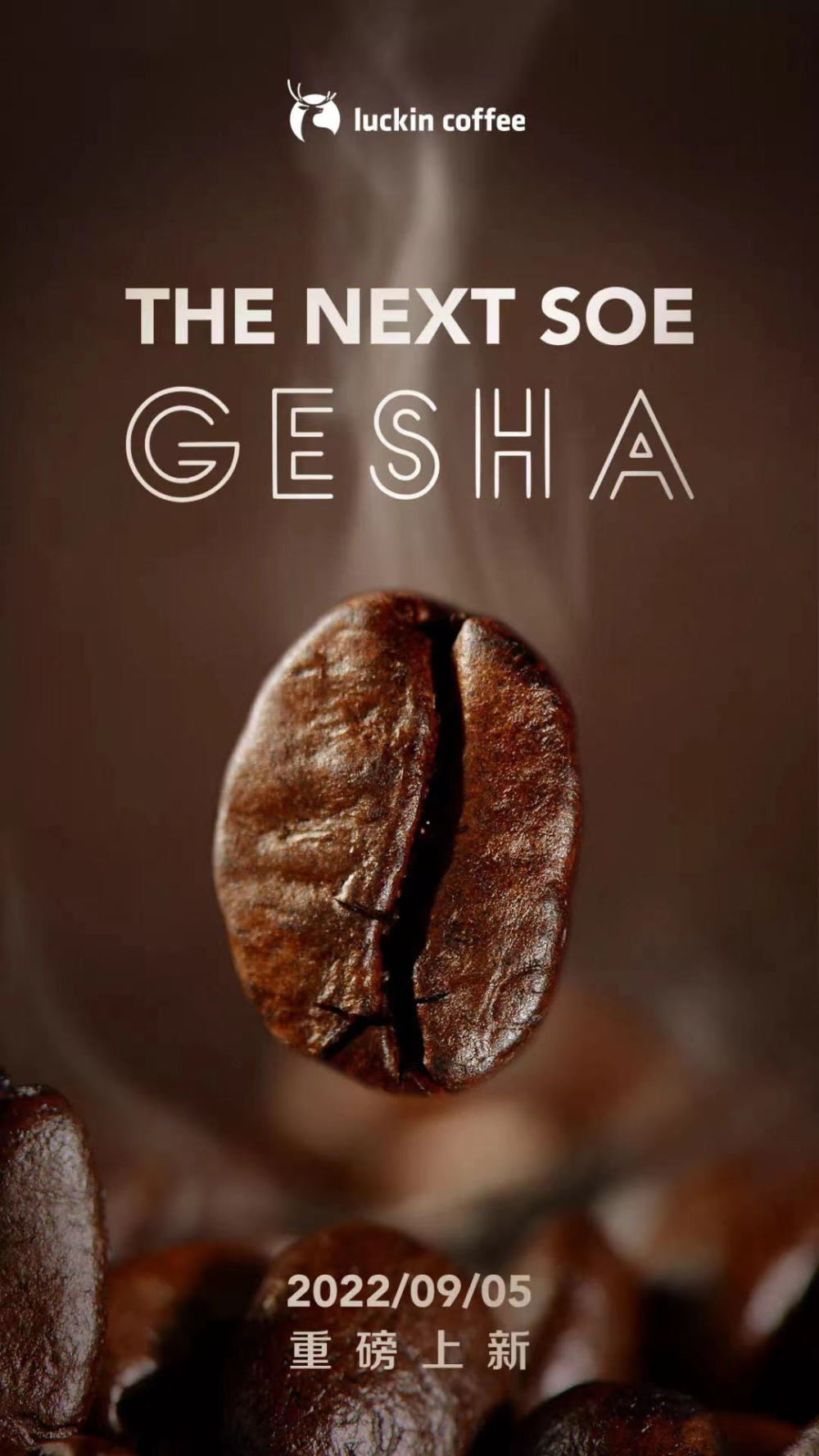
In September 2022, when Luckin Coffee launched its Gesha SOE (Single Origin Espresso) series, it set off heated discussion among netizens. For many people, Geisha coffee always means delicate floral aromas and a pleasant, rich acidity.
As a chain coffee brand, Luckin Coffee needs to guarantee consistency between stores, and that inevitably means deep-roasting the beans. This approach could blunt the rich flavors of Geisha. On top of that, with Geisha prices climbing in recent years, Luckin's entry into the market might push Geisha prices even higher.
Geisha vs. Gesha: Understanding the Difference
And yet, although Luckin Coffee launched what it calls "Geisha," it is not the Geisha everyone pictures. The Geisha beans known for rich floral and fruity aromas come mostly from Panama, with a smaller share from Central and South America, and they are spelled "Geisha." What Luckin Coffee uses, meanwhile, is the native Gesha of Ethiopia.
So is there a difference between Geisha and Gesha?
Yes. Although only one letter separates them, the relevant records indicate that a British collector gathered mixed coffee samples near Gesha Mountain in Ethiopia, marked them "Gesha," and sent them to a British plantation in Kenya. In the letter sent back after the task was complete, however, the term used was "Geisha." Later European literature about this coffee consistently used "Geisha."
Because "Geisha" sounds the same as the Japanese word for geisha when phonetically translated, this coffee also came to be called "Geisha" in that sense. Over the years there have been chances to correct it back to "Gesha," but it never happened. One reason is that it is merely a phonetic translation issue with no original text to anchor it; another is a genuine wish to distinguish the two different types.
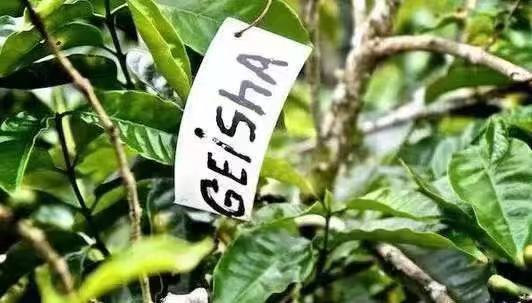
Geisha as a Lineage Rather Than a Variety
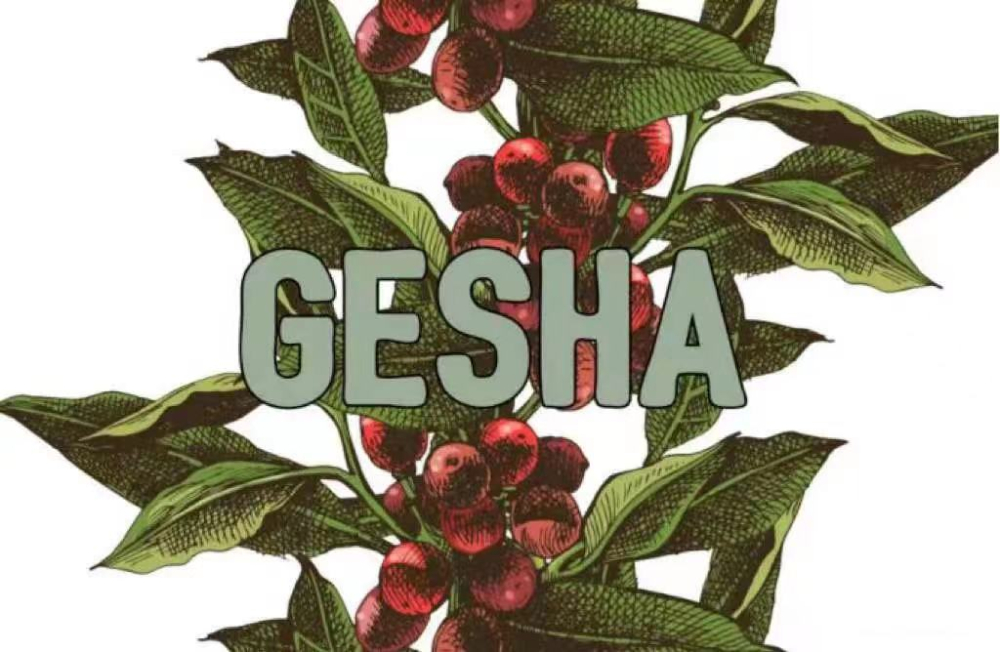
Rather than calling Geisha a variety, it is more accurate to call it a lineage.
Whether Panamanian Geisha or Ethiopian Gesha, both trace back to the forests near Gesha Mountain in the Bench Maji region of Ethiopia. The difference is that Geisha is just one member of the Gesha lineage, numbered T2722. It is a variety cultivated and "domesticated" over several generations, which refined its flavors to an extraordinary degree. The cost of cultivation is high as well, and combined with low yield and the popularity that followed Geisha's rise to fame, small quantities of Panamanian Geisha became extremely expensive.
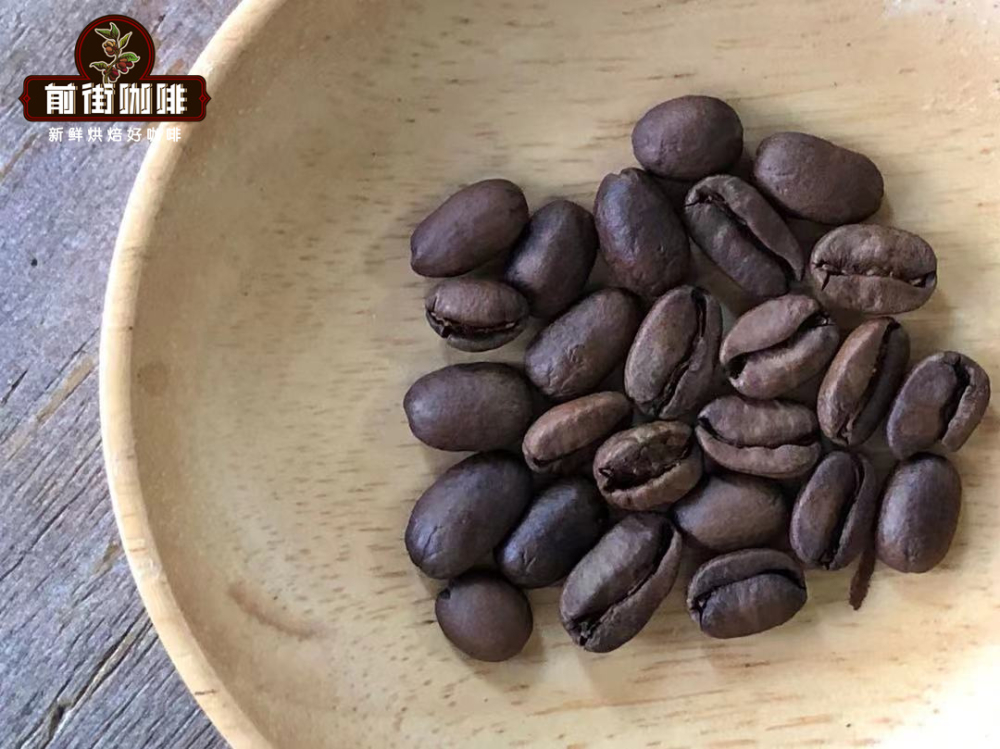
Gesha, meanwhile, refers to the native varieties of Ethiopia's Bench Maji region. Since this is Geisha's homeland, the native varieties here have some genetic connection to the "domesticated" Geisha, but their flavor profiles, cultivation costs, and yields are entirely different.
According to the renowned coffee hunter Hsu Pao-lin's book "The Coffee Hunter 2," Bench Maji is the homeland of Geisha coffee, yet the Geisha produced here differs completely in flavor from the well-known Panamanian Geisha. Ethiopia's native Gesha varieties, when deep-roasted (removed after the second crack), display berry, nutty, spicy, and plant-root flavors, unlike the refined flavors of Panamanian Geisha.
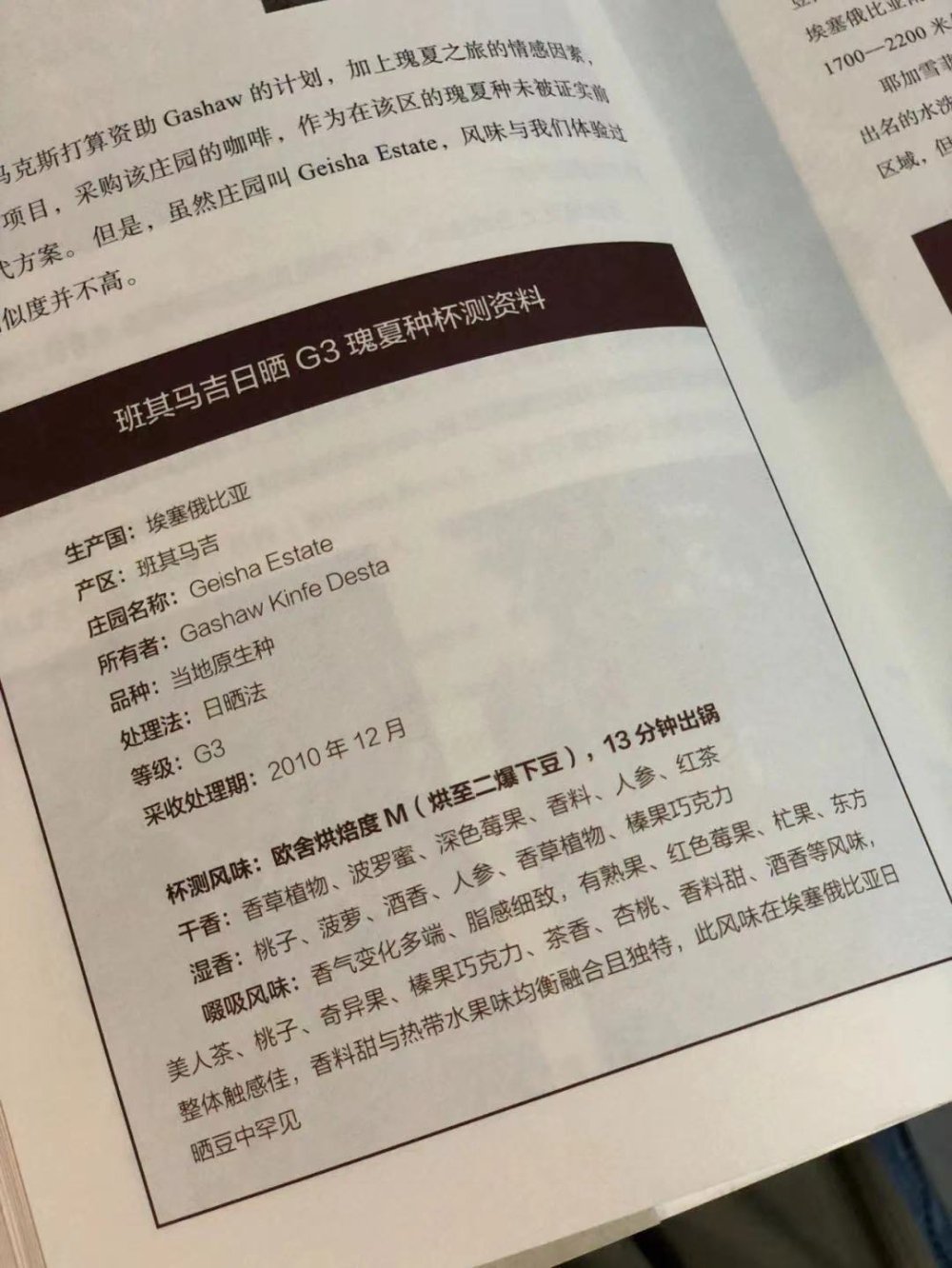
Although in most cases, to preserve light molecular flavors such as floral and fruity aromas, many roasters lean toward light roasting to retain more acidity, for Ethiopian Gesha, which can still show plant-root flavors after deep roasting, a light roast might yield grassy and astringent notes.
FrontStreet Coffee therefore believes the roast level should be decided by the beans' inherent flavor qualities. Geisha is not necessarily light roasted, and deep roasting is not necessarily wrong for Geisha beans. What matters most is roasting beans that guarantee a quality cup. Of course, when Ethiopia's native Gesha varieties are carefully distinguished and properly cultivated, their coffee can be very delightful too.
For example, the "Ethiopia Gesha Village Red Label Gori Gesha Coffee Beans" sold by FrontStreet Coffee feature very pleasant berry acidity, red floral aromas, roasted nuts, and fermented tea notes.
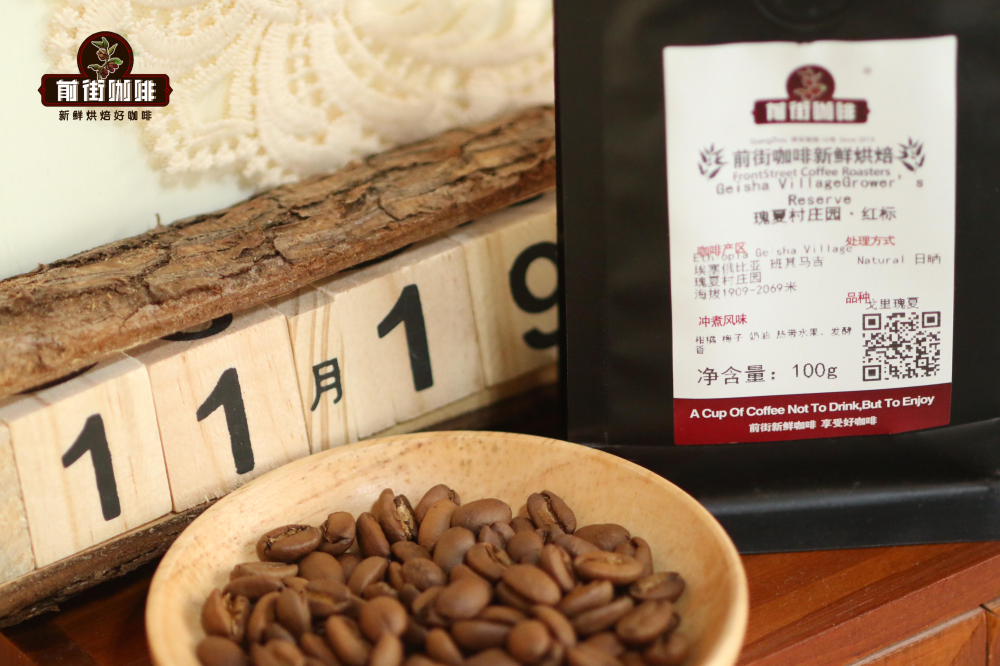
Gori Gesha is a location the owner of Gesha Village Estate traced back through historical records, believing it was where the British originally sampled and took away Geisha seeds. They sampled here as well and eventually selected Gesha 1931. The selection was not made through genetic identification but by observing plant morphology, bean shape, and cupping profiles. From the samples, they concluded this variety was similar to Panamanian Geisha.
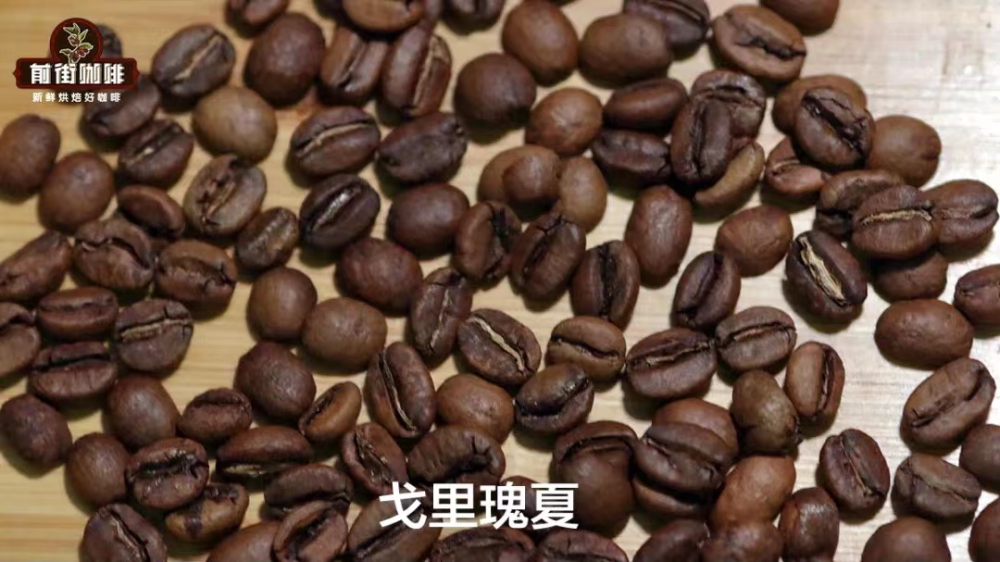
Gori Gesha was recovered by the estate owner when they re-entered the Gori forest in 2011. Even finding the right place was no guarantee, since with thousands of varieties in the Gesha forest, the ones they found were not necessarily the original Gesha (T2722). Different bean characteristics are therefore normal, as they are not the same variety after all.
Understanding Red Label Classifications
Doesn't Panama also have Red Label Geisha beans?
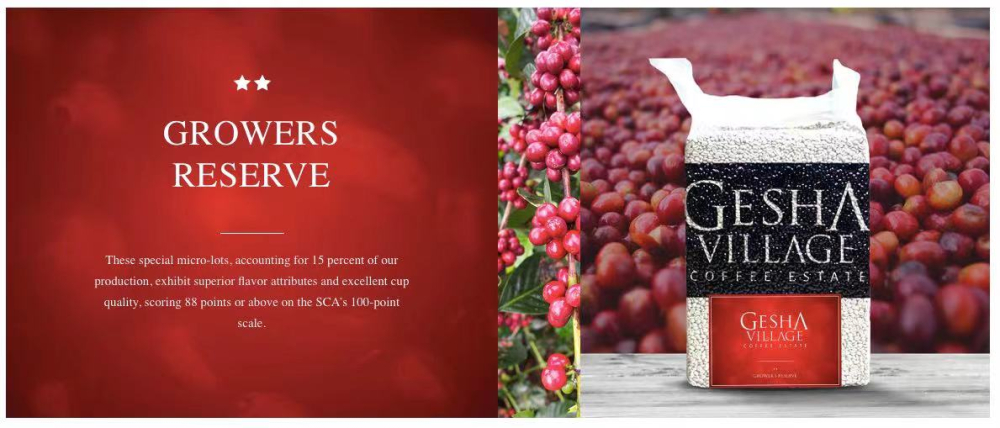
Yes, but the grading systems differ significantly. Ethiopia's Gesha Village Red Label is not the highest grade. Gesha Village Red Label lots account for about 15% of the estate's annual production. These are fully traceable lots that cup above 88 points (SCA standard), showing typical Gesha Village flavors with slightly less intensity and complexity than Gold Label lots, which makes them a very cost-effective single-origin option.
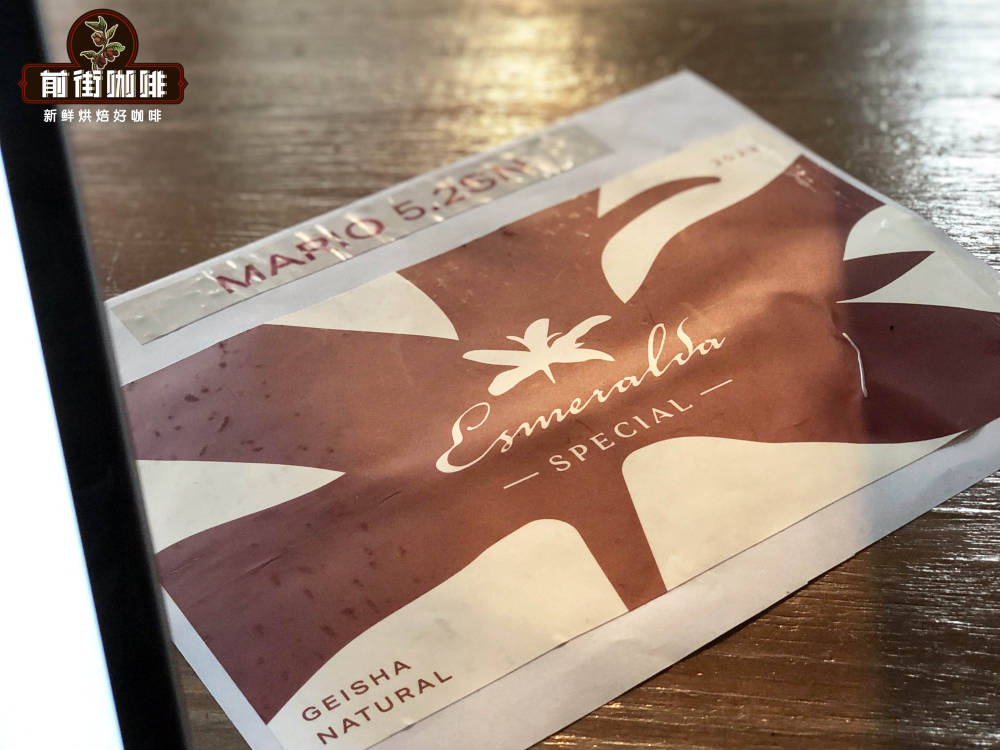
Panama's Hacienda La Esmeralda Red Label, meanwhile, is officially named "Esmeralda Special." This series represents the highest-quality Geisha beans sold by Hacienda La Esmeralda. Grown at altitudes of 1600-1800 meters in specific plots, each batch must cup above 90 points. The series typically comes from the Jaramillo and Canas Verdes sub-estates (the Velo de Novia estate has also produced Red Label lots, though its plots are mainly used to explore commercial viability and carry many varieties).
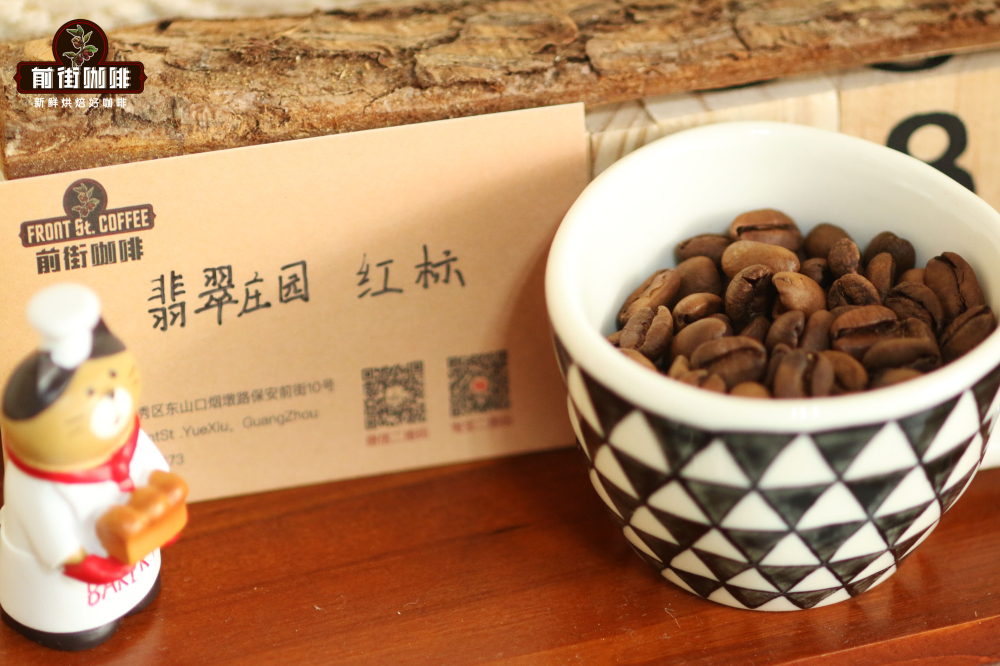
Another feature of Red Label lots is that each one carries an independent number, and every bean in a lot comes from a single small plot. This year, for instance, FrontStreet Coffee's Red Label comes from the Mario plot. That lets buyers choose a lot to suit their taste for subtle flavor differences.
The "Panama Hacienda La Esmeralda Red Label Geisha Coffee Beans" sold by FrontStreet Coffee feature very rich berry acidity, rose floral aromas, honey sweetness, and black tea notes.
FrontStreet Coffee Recommendation
If you want the refined, floral side of Geisha, FrontStreet's Panama Hacienda La Esmeralda Red Label Geisha is the reference point. Officially named "Esmeralda Special," it is grown at 1600-1800 meters in specific plots of the Jaramillo and Canas Verdes sub-estates, every lot cups above 90 points, and each lot carries its own number and comes from a single small plot, so you can pick a batch to match your taste. Expect rich berry acidity, rose floral aromas, honey sweetness, and a black tea finish.
For the Ethiopian, native Gesha side of the family, FrontStreet Gesha Village Red Label Gori Gesha shows the gentler face of the variety: the Gori Gesha selection accounts for about 15% of the estate's annual output, cups at 88 points or above on the SCA scale, and drinks with berry acidity, red florals, roasted nuts, and fermented tea notes. Because both are light, hard beans that can stall a brew, FrontStreet suggests a medium-fine grind, a water temperature around 91°C, and a 15g dose at a 1:16 ratio in a V60, pouring in three stages from a 30g, 30-second bloom up to 225g for a total of about 2 minutes 10 seconds to 2 minutes 20 seconds; brewed as an SOE at 20g in and 40g out in 25 seconds, it turns into dried apricot, caramel, and nuts.
Important Notice :
FrontStreet Coffee is a long-established specialty coffee roaster in Guangzhou China, selling freshly roasted beans from its own farm in Yunnan as well as dozens of carefully selected single-origin beans from around the world for both pour-over and espresso. The products deliver consistently excellent quality and great value, with shipping within 24 hours. Guangzhou's FrontStreet Coffee shop is recommended by many coffee lovers, and the beans are now available online at the Tmall 。
FrontStreet Coffee has moved to a new address:
FrontStreet Coffee Address: 315,Donghua East Road,GuangZhou
Tel:020 38364473
 Scan and follow the En Gafei WeChat official account. Please indicate that the reprint comes from "En Gafei".