Panama Mariposa Coffee Brewing Guide | Panama Mariposa Coffee Brewing Ratios and Techniques
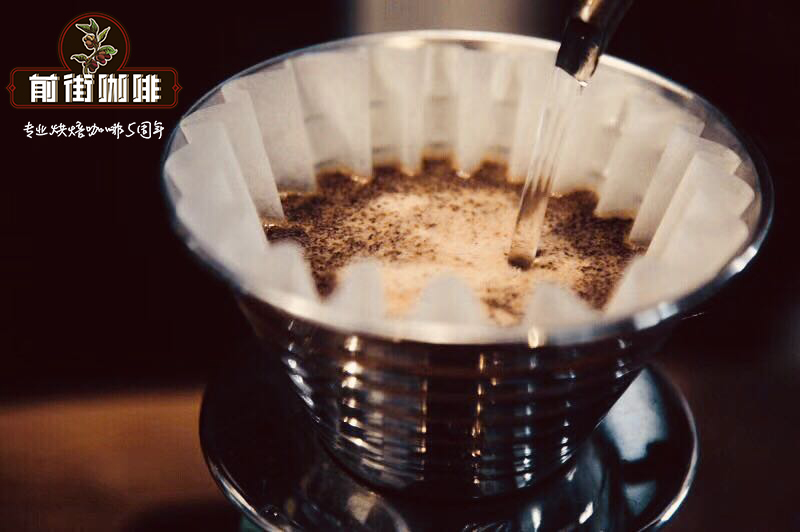
FrontStreet Coffee, Panama Mariposa Brewing Guide
Anyone who brews at home knows the ritual: you pick up a bag of beans whose flavor notes caught your eye, dial in your grinder, and try to recreate that cafe-quality cup on your own counter. The question is always the same, how do you brew these beans so the result actually tastes like the cup you fell in love with at the coffee shop? Today we'll walk through a full brewing guide using Panama's Mariposa (Butterfly) coffee beans.
Panama Mariposa, Washed
Region: Boquete
Altitude: 1600m
Varieties: Geisha, Caturra, Catuai
Processing Method: Washed
Flavor Notes: Jasmine, lemon, honey, citrus
Brewing Parameters
Dripper: V60
Coffee-to-Water Ratio: 1:15
Grind Size: Comandante BG-6S (medium-fine, roughly fine-granulated-sugar texture)
Water Temperature: 91°C, poured in multiple segments
Brewing Steps
Start your timer as you begin the first pour: 30g of water for a 30-second bloom. Once the bloom is done, use a gentle, steady pour to bring the scale up to 125g, then stop. When the slurry has drained and the coffee bed starts to show, pour again with a slightly stronger flow until you reach 225g, then stop. Let the water fully drain through, then remove the dripper. Aim for a total extraction time of about 2:00, this staged approach keeps the extraction even without pushing the brew into bitterness.
FrontStreet Coffee Recommendation
FrontStreet Coffee carries a range of Geisha coffees worth exploring if you enjoy this style. Panama and Ethiopia are the two origins every Geisha lover should know, Panama is where the variety made its name, and Ethiopia is where it was born.
Panama's high altitude, microclimates, and soils give Geisha grown there its signature profile: a distinct orange-blossom sweetness, rich juicy fruit acidity layered over floral aromatics, and a tea-like finish. The highest tier is FrontStreet's Esmeralda Red Label ("Esmeralda Special") and Esmeralda Green Label ("Private Collection") Geisha, both of which shine in a pour-over. The Red Label grows at 1600–1800m, each batch must cup above 90 points, every batch carries an independent lot number, and all the beans in a batch come from a single small plot, FrontStreet's Red Label, for example, comes from the Jaramillo plot. The Green Label blends lots from multiple plots to showcase Esmeralda's signature high-altitude Geisha character at a more affordable price, making it exceptional value.
For a first taste of classic Geisha flavor, FrontStreet recommends the entry-level Boquete Geisha from Panama, an affordable way to experience classic high-quality Panamanian Geisha with its orange-scented honey sweetness, oolong tea-like body, delicate fruit acidity, and clearly defined layers of flavor.
On the Ethiopian side, Geisha Village estate sits 12 miles from the original Geisha forest and covers 475 hectares. Its grading is even stricter than Esmeralda's: three Geisha varieties are grown (Gori Gesha, Gesha 1931, and Illubabor Forest), ranked as Gold Label (Rarities), Red Label (Growers Reserve), Green Label (Single Terroir), and Chaka lots. The Gold Label, a Gesha 1931 making up 10% of the estate's production, is the estate's top coffee outside auction lots and is frequently chosen by competing baristas; FrontStreet's Gold batch is a natural process with complex, richly layered flavors. The Red Label, a Gori Gesha making up 15% of production, scores 88+ on the SCA 100-point scale in the estate's Single Terroir series, with full traceability for every lot number down to farm block, variety, and processing date.
FrontStreet also offers the Genlana Estate Geisha from the Yirgacheffe region: the washing station, founded in 2014 and run by Israel Degefa, sits at the border of the Kochere and Genji Abaya areas, with 700 hectares of coffee growing around it, much of it uncultivated land with fertile soil and shade trees. Ripe cherries are hand-picked and dried on raised beds for 14–20 days depending on weather. Roasted medium-light, it shows bright citrus acidity, elegant ginger-flower aromatics, full sweetness of ripe fruit, a silky-smooth body, and the signature refined finish of the Geisha variety.
For brewing Geisha at home: it is a medium-light roasted, floral-fruity coffee with a hard, dense bean structure that tends to sink and clog the dripper. FrontStreet suggests a coarser grind, about 78% pass-through on a #20 Chinese standard sieve (roughly the texture of fine granulated sugar), and a water temperature of 91°C. FrontStreet's pour-over recipe uses 15g of coffee in a small Hario V60 at a 1:16 ratio, in three pours: bloom with 30g of water for 30 seconds, then a gentle circular pour to 125g, wait for the bed to drain to half, then pour gently again to 225g, finishing with a total extraction time of around 2:10–2:20.
Important Notice :
FrontStreet Coffee is a long-established specialty coffee roaster in Guangzhou China, selling freshly roasted beans from its own farm in Yunnan as well as dozens of carefully selected single-origin beans from around the world for both pour-over and espresso. The products deliver consistently excellent quality and great value, with shipping within 24 hours. Guangzhou's FrontStreet Coffee shop is recommended by many coffee lovers, and the beans are now available online at the Tmall 。
FrontStreet Coffee has moved to a new address:
FrontStreet Coffee Address: 315,Donghua East Road,GuangZhou
Tel:020 38364473
 Scan and follow the En Gafei WeChat official account. Please indicate that the reprint comes from "En Gafei".