FrontStreet Coffee - Kenya AA SASINI Estate Introduction

Some say Blue Mountain coffee is exceptionally delicious, with a truly mellow, balanced flavor and an endless aftertaste; others argue it isn't actually that good. FrontStreet Coffee's view: this is like preferring sour over sweet - purely a matter of personal taste. That said, Blue Mountain is genuinely an excellent coffee, the cream of the specialty crop and one of the most expensive in the world. Its reputation rests mainly on the fact that Jamaican Blue Mountain is truly refined, smooth, and clean, and is known worldwide for exactly these qualities.
Is Blue Mountain Coffee Expensive?
FrontStreet Coffee's view: Blue Mountain may have seemed expensive in the past - and even then, you couldn't necessarily get authentic Blue Mountain. Why? Because in earlier years very little Blue Mountain entered China, yet the price was very high. Some traders used Blue Mountain-flavored coffee to pass off as the real thing, so buyers paid a premium without getting genuine Blue Mountain. Of course, they may not even have realized they weren't drinking the real thing, being unfamiliar with it.
Today Blue Mountain still commands a high price. In fact, thanks to huge demand in China, Blue Mountain has been imported normally for several years now. In recent years, owners of Blue Mountain plantations have also visited China to help consumers understand the beans better. Blue Mountain in the Chinese market is no longer so rare that everything is fake. The current Jamaican Blue Mountain production area is larger than before, and Japan's buying power has weakened recently, so genuine Jamaican Blue Mountain is available in China too - as long as you know how to identify it, you can buy authentic product.
What Environment Produces Such Mellow Coffee?
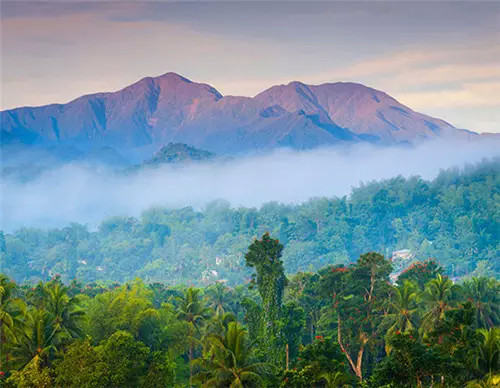
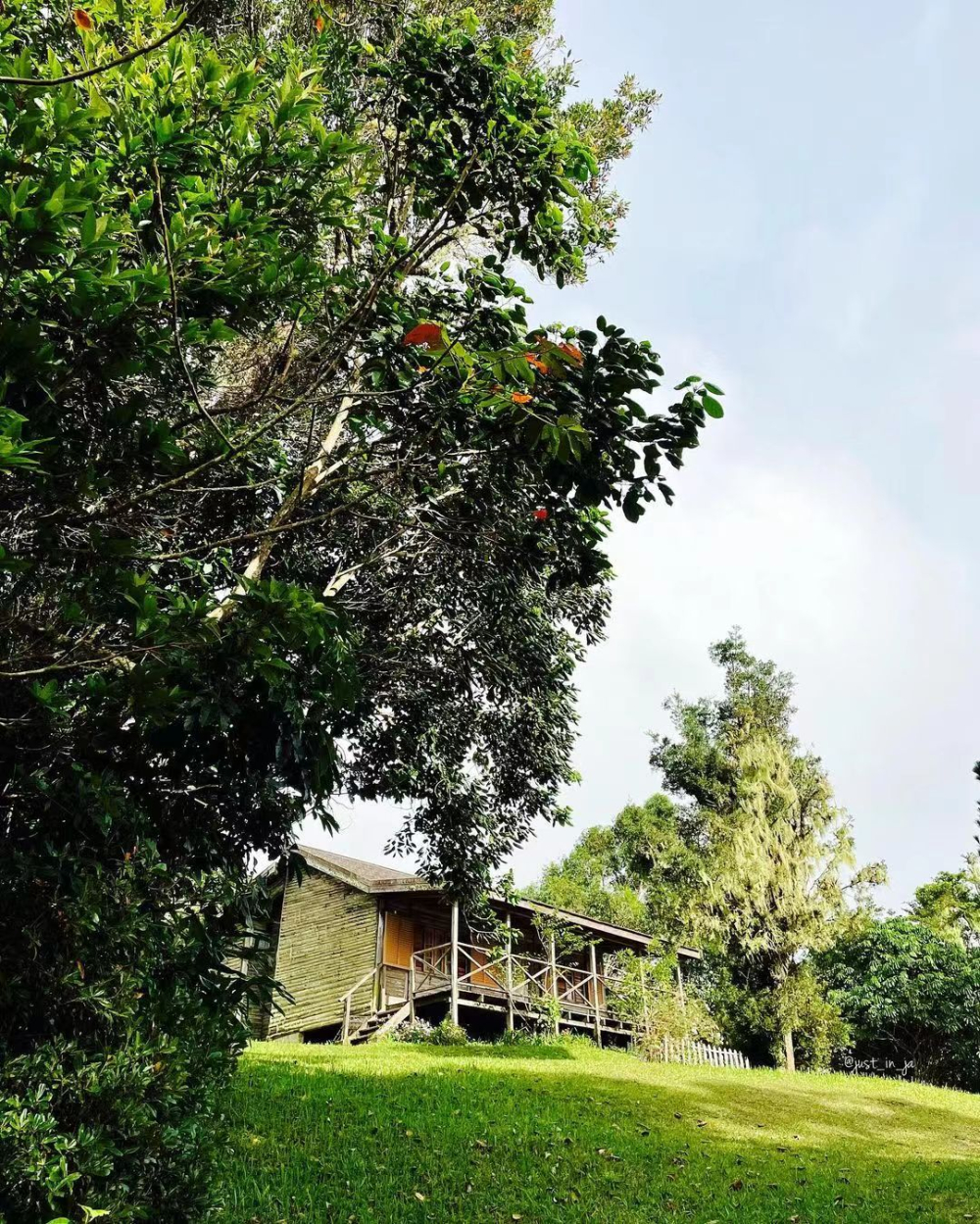
FrontStreet Coffee has said before that coffee is an agricultural crop, and its growing environment directly shapes its flavor. True Blue Mountain means coffee grown in Jamaica's Blue Mountains. Only Blue Mountain cultivated above 800 meters is authentic. The Blue Mountain on FrontStreet Coffee's bean list is grown at 1,310 meters, from the Clifton Estate.
The Blue Mountains lie in eastern Jamaica. On clear days the sun shines straight onto the azure sea, and the peaks reflect the bright blue light of the water - hence the name. The highest peak reaches 2,256 meters, the tallest in the Caribbean and a famous tourist destination. The area sits in the coffee belt, with fertile volcanic soil, fresh unpolluted air, a humid climate, and year-round fog and rain (average precipitation 1,980mm, temperature around 27°C). That climate created the world-renowned Jamaican Blue Mountain - and the world's highest-priced coffee.
Blue Mountain coffee has very low caffeine content, less than half that of other coffees, which aligns with modern health thinking. Planted anywhere with a similar climate - Hawaii, Kenya, Papua New Guinea - the same variety cannot reproduce Blue Mountain's distinctive flavor.
How Much Does a Cup of Blue Mountain Coffee Cost?
Blue Mountain is not the most expensive coffee in the world, but its mellow richness is unmatched. So what does a cup actually cost? Genuine imported Blue Mountain roasted beans generally run around RMB 1,200 per pound (450 grams). A typical 45cc cup needs about 7 grams of beans for grinding and brewing, so one pound usually makes roughly 50 to 60 cups. That puts the raw material cost of each cup between RMB 20 and 24. Add the shop's operating costs, and it's quite normal for the price to double to RMB 50 a cup.
In earlier years in China, one could drink fake Blue Mountain costing over a hundred RMB a cup. Even now, with plenty of genuine Blue Mountain in the country, prices remain high. At FrontStreet Coffee, though, a cup of genuine Blue Mountain costs only RMB 60, letting you experience an exceptional taste. Blue Mountain's most beloved trait is its subtle fragrance and light sweetness with minimal bitterness. The fruit unfolds on entry, followed by cocoa and nutty notes that carry sweetness and aftertaste.
Market Availability and Grading
There are many Blue Mountain coffees on the market - do they all taste the same? FrontStreet Coffee wants to be clear: many coffees carry the Blue Mountain name, but not all are Jamaican Blue Mountain, because genuine production is limited. One reason the beans are so expensive is that in earlier years 85% of Blue Mountain was controlled by the Japanese, with only 15% circulating globally, making it especially precious. According to Jamaican Coffee Board export statistics from 2013, of the limited Blue Mountain quota, 85% went to Japan, 5% to the United States, 5% to Europe, and 5% to other countries. Yet in the global consumption of authentic Jamaican Blue Mountain, China accounts for 15% of consumption according to International Coffee Association statistics, because some Japanese, Australian, and European shares reach Taiwan through directly operated branch companies.
Blue Mountain Coffee Grading
So what grades exist, and how are they classified? Coffee from the Jamaican Blue Mountain region has three grades: Blue Mountain Coffee, Jamaica High Mountain Supreme Coffee Beans, and Jamaica Prime Coffee Beans.
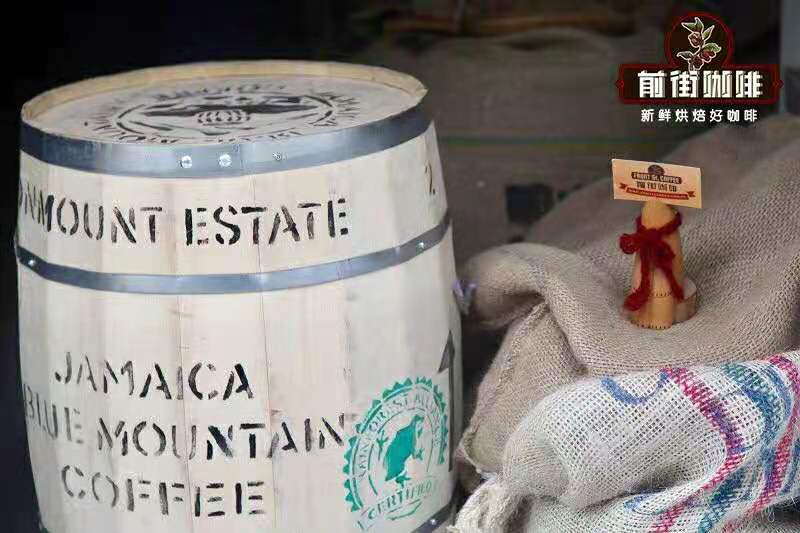
Blue Mountain Coffee and High Mountain Coffee each have two sub-grades. Ranked from highest to lowest quality: Blue Mountain No.1, Blue Mountain No.2, High Mountain No.1, High Mountain No.2, and Jamaica Coffee.
Ranked by quality from top to bottom: NO.1, NO.2, NO.3, and PB, where PB refers to peaberries. According to CIB standards, the basic requirements for NO.1 Blue Mountain green beans include beans larger than 17 mesh, a defect rate below 3%, and moisture content around 13%. The finest Blue Mountain beans are NO.1 peaberries, also called pearl beans - carefully selected small round beans from products grown at 2,100 meters, the cream of the specialty crop, with a very intense aroma, lasting fruit flavors, and full-bodied character.
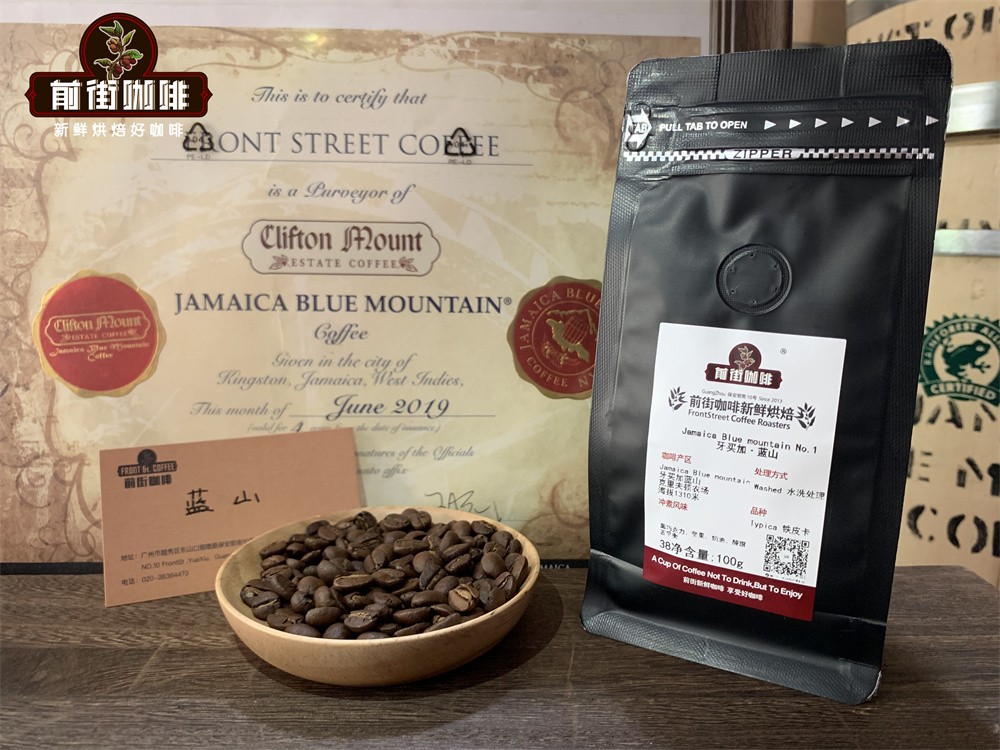
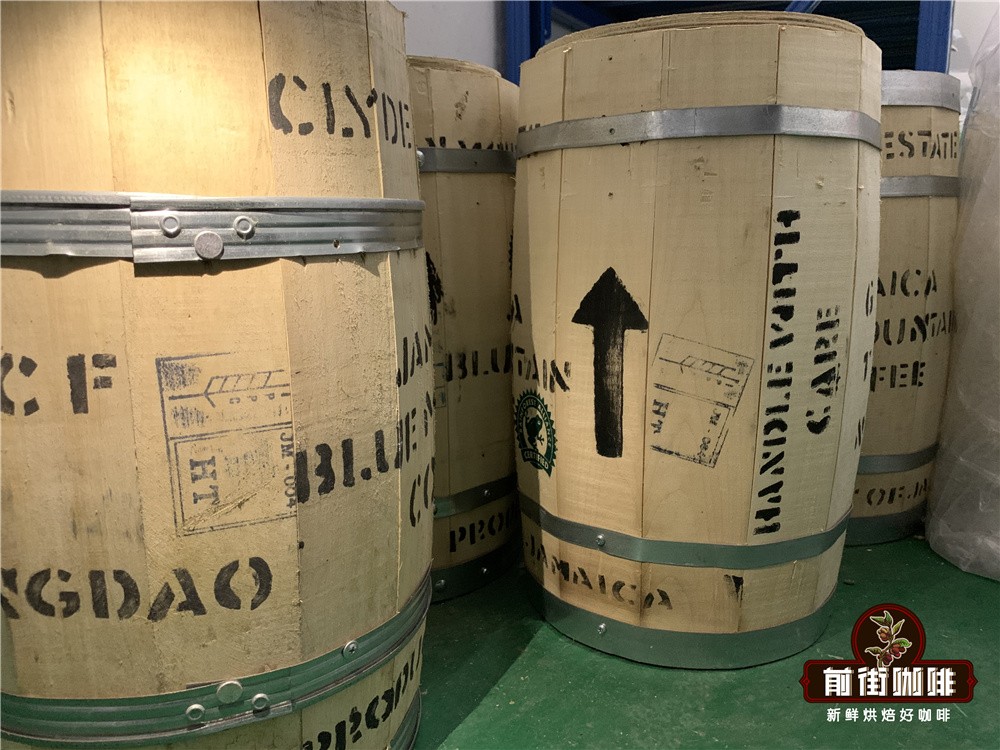
The Jamaican Blue Mountain No.1 sold by FrontStreet Coffee comes with a certificate issued by the Jamaican Coffee Board. In addition, the wooden barrels packaging Jamaican Blue Mountain beans carry a green frog logo. FrontStreet Coffee specifically chose the Clifton Farm, a Rainforest Alliance-certified estate that produces Jamaican Blue Mountain No.1. Jamaica is also the only origin that packages green beans in wooden barrels.
Blue Mountain Coffee Varieties
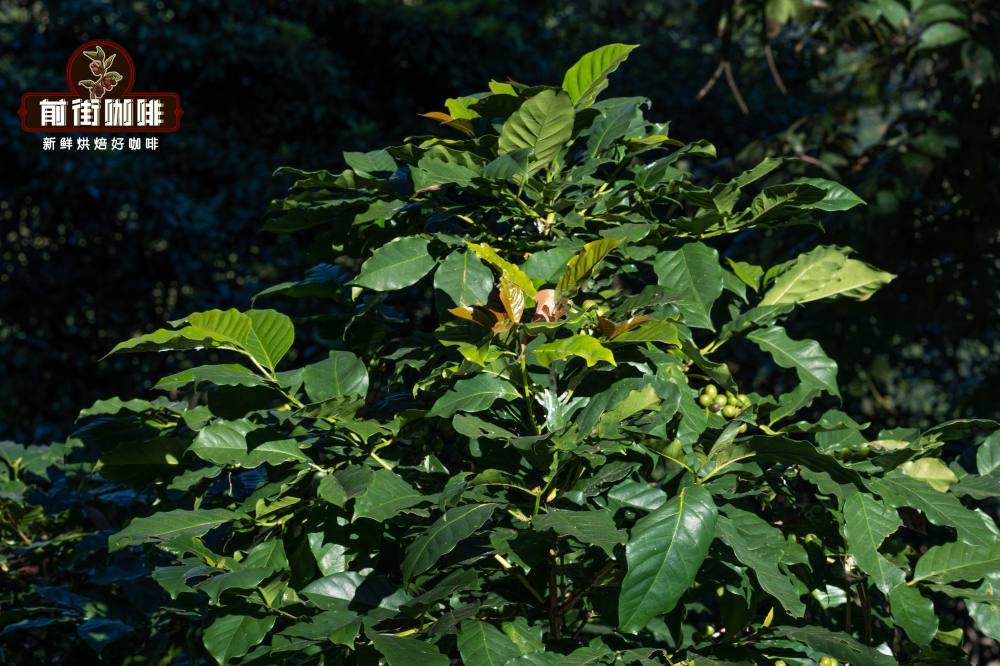
Ethiopia is the gene bank of coffee, and the Blue Mountain introduced by FrontStreet Coffee is of the Typica variety. Typica is the oldest Arabica subspecies, with bronze-colored leaf tips and oval or slender-pointed beans. The tree is tall with slightly inclined branches at angles of 50-70 degrees, known as red-topped coffee. The opposite leaves are long-oval with smooth surfaces, and the terminal branches are long with few side branches. The flowers are white, blooming at the base where petioles meet the branches. The flavor is elegant, but the plant is weak, with poor disease resistance and very low fruit yield per tree. Mature coffee fruits look like cherries, appearing bright red.
Blue Mountain Coffee Processing Methods
In the past, Blue Mountain used only washed processing - washing and fermentation to remove the fruit pulp and mucilage. Farms using the washed method must build washing channels and have a continuous supply of fresh water. During processing, the pulp is removed first, then the beans ferment for 12-18 hours. The fermented beans are then moved back and forth in the pool, and the friction of the beans plus the power of flowing water scrub them until smooth and clean. After washing, the beans are still inside the parchment with a moisture content of 50%, and must be sun-dried down to 12-14%. Otherwise they keep fermenting, turning moldy and spoiled. Afterward the beans are screened and stored in dedicated warehouses. Every step must be tightly controlled, or quality suffers.
Today Blue Mountain is not limited to washed processing; there is natural processing too. FrontStreet Coffee has launched a batch of natural-processed Blue Mountain, also certified for export by the Jamaican Coffee Board.
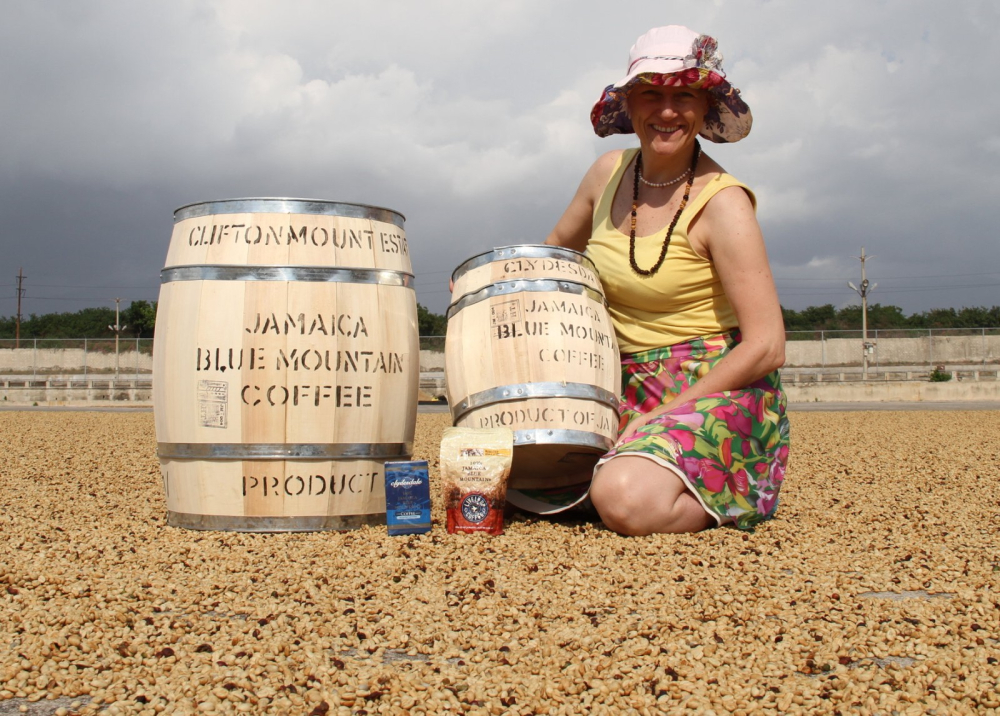
Natural-processed Blue Mountain is actually quite challenging to produce. The reason only washed processing existed before is that washing best preserves Blue Mountain's essential flavor characteristics; changing the process inevitably changes the flavor structure. That's also why FrontStreet Coffee's daily bean series almost all use washed processing - washing best represents an origin's flavor. Blue Mountain adopting natural processing is largely a response to market developments, just as FrontStreet Coffee recently added a natural-processed Mandheling bean, which differs from the traditional wet-hulled method.
FrontStreet Coffee's Blue Mountain Brewing Recommendations
Filter: Kono filter
Water temperature: 88°C
Coffee amount: 15g
Coffee-to-water ratio: 1:15
Grind size: Medium grind (75% pass-through rate on China standard #20 sieve)
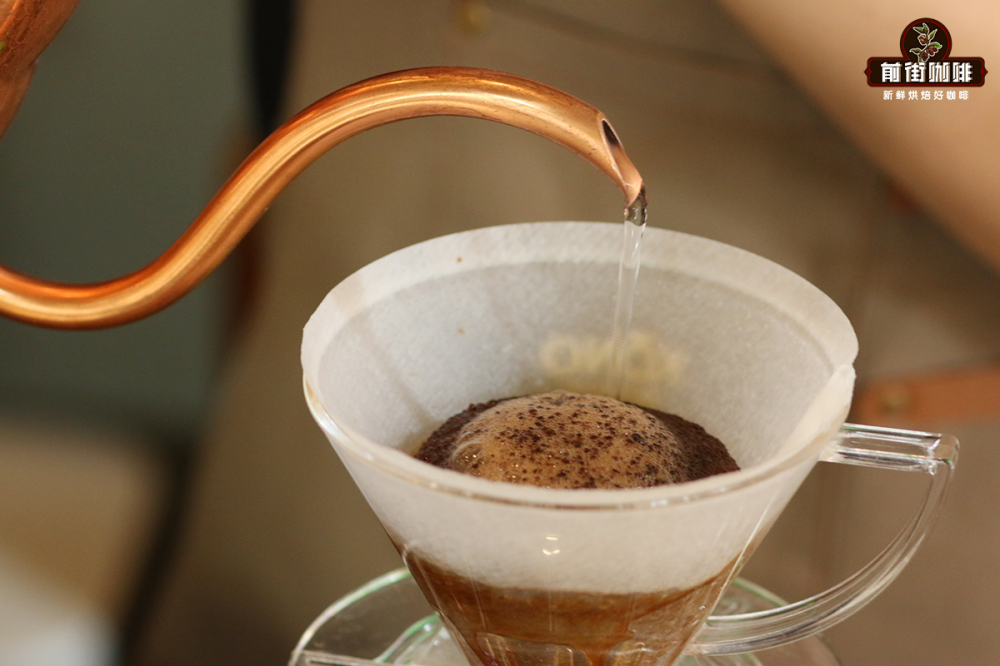
Brewing method: three-stage extraction. Bloom with 30g of water for 30 seconds. Using a small stream, pour in a circular motion to 125g, then pause. When the water drops and is about to expose the coffee bed, continue pouring to 225g and stop. Wait until all the coffee has dripped through the filter, then remove the cone. Time from the start of pouring - total extraction time is 2'00".
Flavor Description
[FrontStreet Coffee Natural Blue Mountain Coffee] Slight berry acidity, reminiscent of dark plums and mulberries, with excellent overall balance, rich dark chocolate and nutty flavors, and a slight fermentation note.
[FrontStreet Coffee Washed Blue Mountain Coffee] Rich dark chocolate and nutty flavors, a creamy smooth texture, and balanced acidity and bitterness.
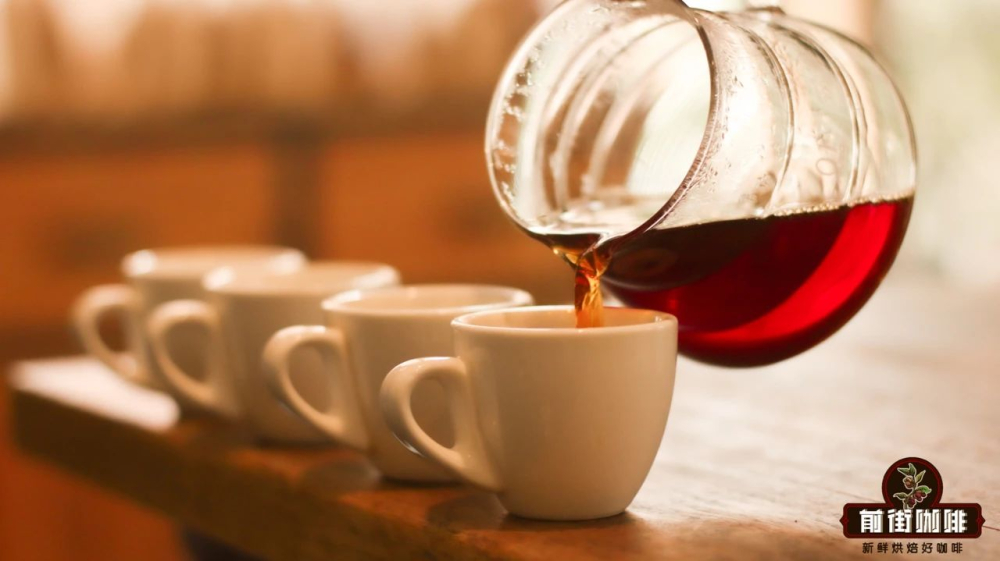
For brewing, FrontStreet Coffee recommends freshly roasted beans to maximize the coffee's rich flavors. All beans shipped by FrontStreet Coffee are roasted within 5 days, because FrontStreet Coffee well understands how much freshness affects flavor. Its roasting philosophy is "Freshly Roasted Good Coffee," ensuring every customer receives the freshest coffee on arrival. The resting period is about 4-7 days, so by the time customers receive the coffee it is at peak flavor.
FrontStreet Coffee carries over 50 single-origin coffees from different regions, all representative beans at varying prices, offering different experiences.
FrontStreet Coffee Recommendation
For the authentic Blue Mountain experience, FrontStreet Coffee's Jamaica Blue Mountain No. 1 is the top of the range, and one of the highest grades in all of Jamaican Blue Mountain. Sourced from the historic Clifton Estate - which has grown and processed coffee since around 1750 - it is cultivated and processed at an average of 4,300 feet (1,310.64 meters), where ample altitude, gentle afternoon cloud cover, generous sunshine, and mineral-rich soil extend the cherries' ripening. The shop keeps full origin certification and displays the original shipping barrels, so the coffee's source is clearly traceable. A medium-dark roast fully expresses its classic balance of acidity, sweetness, bitterness, and aroma, and it pours with layers of nut, dark chocolate, creamy caramel, and soft sweetness.
To brew it, FrontStreet Coffee suggests a Kono filter to enhance body, 15g per cup with the beans rested 4-7 days (counting the roast date as day one), a grind slightly coarser than for light roasts - about the texture of white sugar - and water at 87-88°C, since water that is too hot is the usual cause of scorched, bitter notes. A 1:15 ratio works best: a 30g bloom for 30 seconds, a second pour to 120g with a vertical, small, slow circular stream, then a third pour to 225g at a slightly faster pace and circle to keep the grounds from clogging the filter and over-extracting. The result is very clean and complex, very gentle, with chocolate sweetness and a strong, full body, where the sweet, acidic, and bitter notes balance perfectly, ending in a persistent fruit finish.
Important Notice :
FrontStreet Coffee is a long-established specialty coffee roaster in Guangzhou China, selling freshly roasted beans from its own farm in Yunnan as well as dozens of carefully selected single-origin beans from around the world for both pour-over and espresso. The products deliver consistently excellent quality and great value, with shipping within 24 hours. Guangzhou's FrontStreet Coffee shop is recommended by many coffee lovers, and the beans are now available online at the Tmall 。
FrontStreet Coffee has moved to a new address:
FrontStreet Coffee Address: 315,Donghua East Road,GuangZhou
Tel:020 38364473
 Scan and follow the En Gafei WeChat official account. Please indicate that the reprint comes from "En Gafei".