What is Typica Coffee? Introduction to Flavor Characteristics of Yunnan's Typica Premium Coffee Beans

In "Specialty Coffee Studies," essential reading for coffee enthusiasts, the three defining elements of specialty coffee are variety, altitude, and processing method—and "variety" means Arabica, such as Bourbon and Typica.
For many of us, coffee first registered through the Blue Mountain coffee of the Hong Kong dramas of the 80s and 90s: watching the adults take one small sip and melt into satisfaction left a lasting impression. Only years later, after tasting that "truly fragrant" cup for myself, was I hooked. From drinking nothing but imported beans to now championing China's own Yunnan specialty coffee—it is a journey I never saw coming.

Yunnan coffee now shines on the international stage, and attitudes at home have shifted accordingly. Today, FrontStreet Coffee introduces Yunnan's renowned small-bean coffee growing regions.
Coffee Growing Regions
As Yunnan small-bean coffee is promoted across the country, its growing regions keep entering the national conversation. People have learned that Pu'er City produces not just tea but coffee too, and that Baoshan's small-bean coffee is exported overseas—earning plenty of recognition along the way.
Yunnan Province is blessed with abundant forest resources, fertile soil, plentiful rain, complex terrain, relatively high elevations, and mild temperatures year-round. Sitting near the Tropic of Cancer, it is a rare treasure of a coffee-growing land in China. Its coffee regions include not only the famous Pu'er and Baoshan but also Dehong, Lincang, and others—though the flavor of Yunnan small-bean coffee varies subtly from region to region.

[Pu'er]
Pu'er City grows Yunnan small-bean coffee across nine counties and districts: Simao, Ninger, Mojiang, Jinggu, Jingdong, Zhenyuan, Jiangcheng, Lancang, Menglian, and Ximeng. Average annual temperatures run from 17°C to 20°C, with cultivation between 700 and 1,600 meters.
[Baoshan]
Baoshan City's five coffee-growing counties and districts—Longyang, Longling, Shidian, Changning, and Tengchong—produce small-bean coffee recognized as a geographical indication product. Cultivation altitudes range from 1,000 to 1,500 meters at an average annual temperature of 21°C. In the late 1950s, Lujiang coffee from Baoshan was rated first-grade on the London market.

[Dehong]
Dehong is one of China's earliest coffee-growing areas: it introduced small-bean coffee from Myanmar in 1914 and began large-scale commercial cultivation in 1953. With average annual temperatures between 18°C and 20°C—no severe winter cold, no summer extremes, wide day-night temperature swings, fertile soil, and abundant rainfall—conditions during cherry ripening favor the formation of proteins, sugars, caffeine, and other compounds, giving Dehong coffee a rich flavor profile.
[Lincang]
Lincang City grows coffee in towns such as Gengma, Zhenkang, Yunxian, Cangyuan, and Yongde. Its location is distinctive, with the western border adjacent to Myanmar. The climate here is exceptionally favorable—significant day-night temperature differences, abundant rainfall, and mild average annual temperatures—which has drawn the attention of many coffee companies. FrontStreet Coffee saw Lincang's potential and established its own coffee plantation there, beginning its history of dedicated specialty coffee cultivation.

Coffee Varieties
Most Yunnan coffee on the market today is Catimor. But the province's earliest varieties were not Catimor at all—they were Typica, the most ancient and original variety in the Arabica lineage.
With China's reform and opening up, international brands such as Nestlé and Starbucks made Yunnan one of their raw material sources. To secure large volumes from a single region, they promoted Catimor. Because Catimor carries Robusta genes, it resists coffee leaf rust better than Typica and yields three times as much.

Higher capacity means higher returns. Many Yunnan farmers knew little about varieties or flavor—their concern was income—so they reluctantly felled the elegantly flavored Typica trees and switched to the higher-yielding but less flavorful Catimor.
Those Robusta genes bring drawbacks with the benefits. Robusta tends to taste bitter, and since Catimor carries some Robusta genetics, the variety carries what some call a "devil's aftertaste."

FrontStreet Coffee Estate
FrontStreet Coffee has been roasting for 10 years, and our work in coffee cultivation actually began six months before the roasting did. "Dazhen Coffee," FrontStreet's predecessor, first tried growing coffee in a Guangdong town called Dazhen. But when the Catimor seedlings reached 20 centimeters, we finally grasped the true relationship and order of specialty coffee's three elements—variety, altitude, and processing method. FrontStreet abandoned the Guangdong plan, went to Yunnan to study cultivation in depth, and by fortunate chance found suitable land.
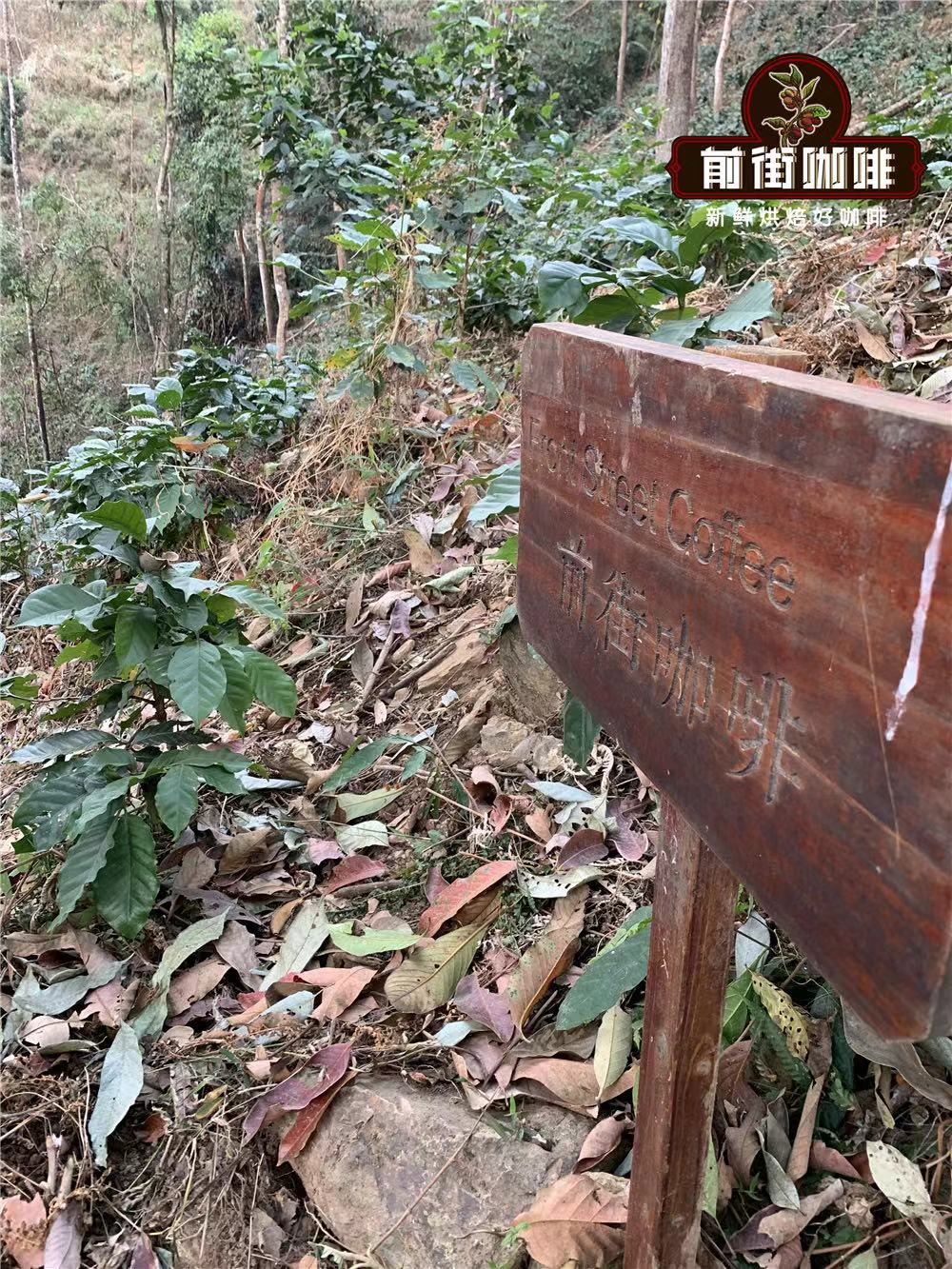
That year, FrontStreet chose the hardest path: high altitude, Arabica varieties, and rational planting practices.
Yunnan doesn't have four seasons—only dry and rainy ones. Our cultivation standards are exacting, giving the coffee trees a natural, comfortable environment. Typica is harder to manage in the field than Catimor and suffers under prolonged sun, so FrontStreet preserved the diversity of plant species and the ecology within the estate.
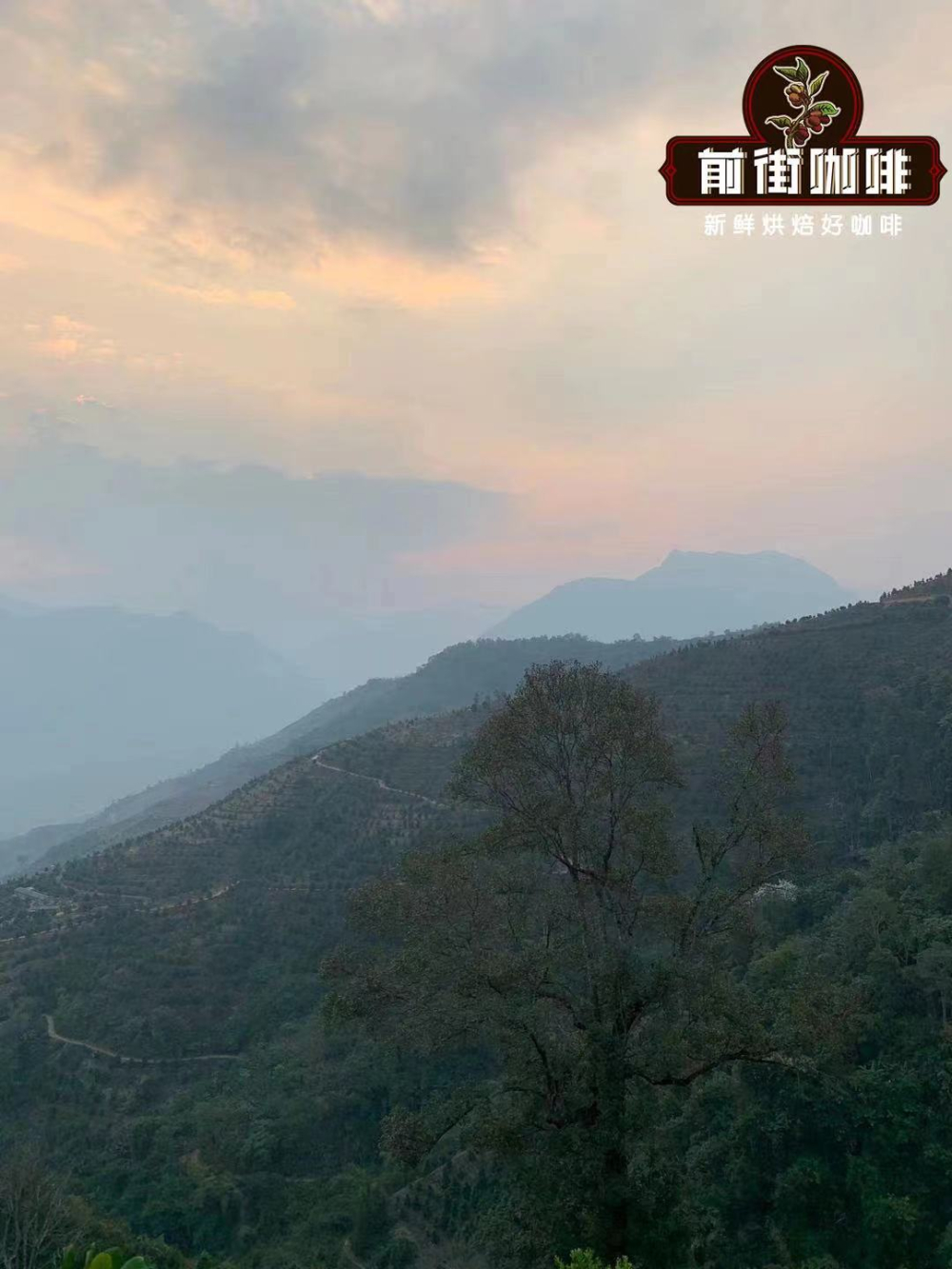
From seedling to first harvest takes at least three to four years. Today the FrontStreet Coffee Estate is entering its second production season. Everything we do is to earn one sentence from serious coffee drinkers: "This is the taste of Yunnan specialty coffee."
FrontStreet's latest lot uses the most traditional and original green coffee processing there is: the natural method. Whole, perfectly ripe red cherries are spread evenly on drying beds for sun drying. Because the skin and pulp stay on, drying is more complex and takes longer, and staff must turn the cherries at regular intervals to prevent over-fermentation.
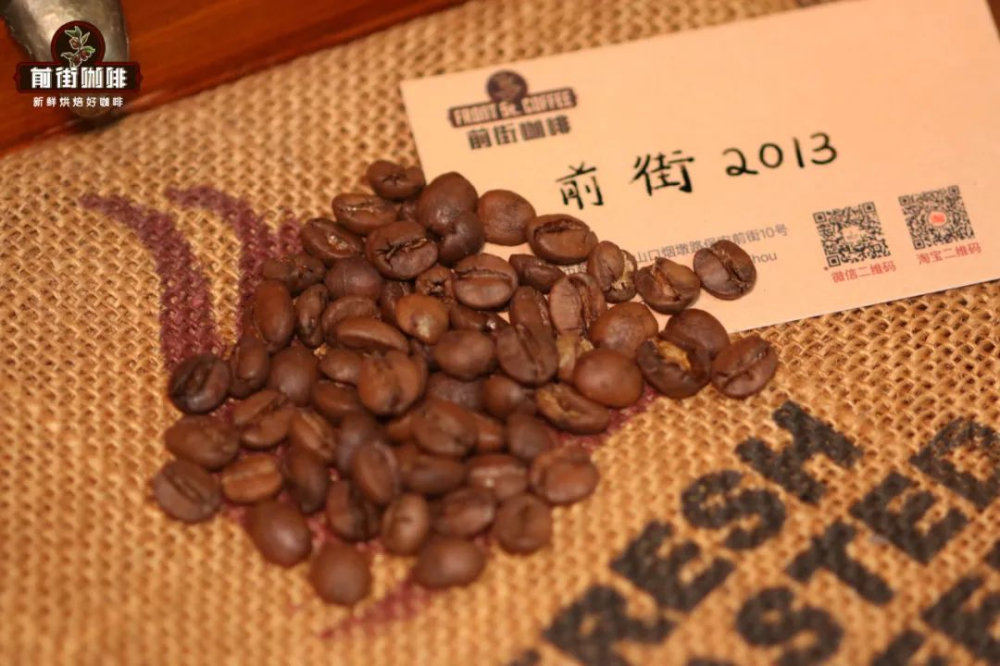
FrontStreet Coffee: FrontStreet 2013 Yunnan Natural Process Typica
Origin: Lincang, Yunnan
Estate: FrontStreet Coffee Estate
Altitude: 1,300 meters
Variety: Typica
Processing Method: Natural Process
Thanks to the natural process, this FrontStreet 2013 Natural Typica shows extremely rich aromatics and prominent sweetness: preserved-fruit sweetness, gentle plum acidity, generous nuttiness, and an aftertaste of brown sugar and tea. Buyers often ask our baristas how best to brew it.
Freshness comes first: FrontStreet Coffee ships beans roasted within the past 5 days, because roast freshness shapes flavor more than anything else. Our philosophy is "Freshly Roasted Good Coffee," and since the beans' resting period is about 4-7 days, they arrive with flavor at its peak.
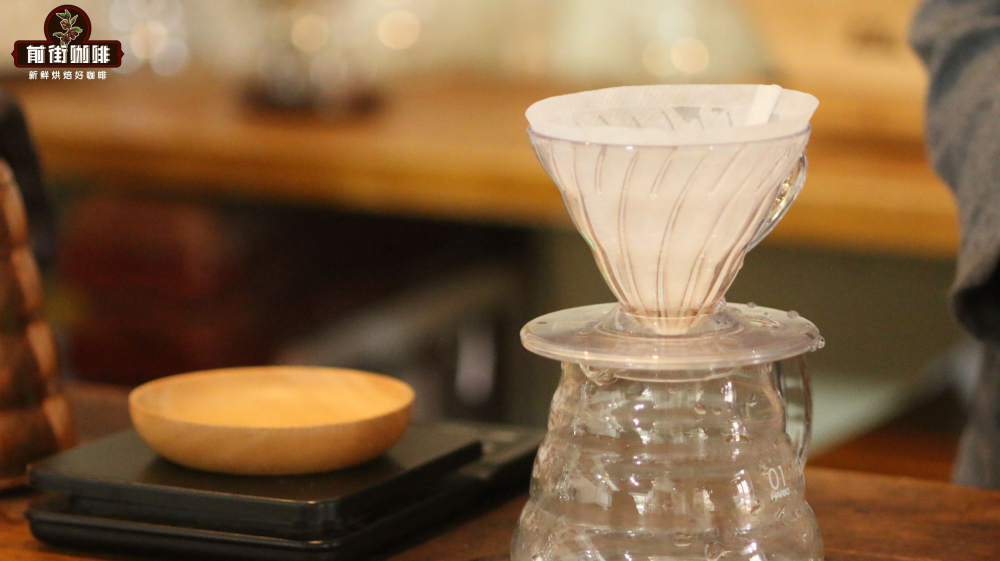
Dripper: Hario V60
Water Temperature: 90°C
Dose: 15 grams
Coffee-to-Water Ratio: 1:15
Grind Size: China Standard #20 sieve, 75% pass-through
Pour 30 grams of water and bloom for 30 seconds, then pour from the center in a fine stream, spiraling slowly to 125 grams. When the water level nearly exposes the coffee bed, continue spiraling to 225 grams. Total extraction time is about 2 minutes.

Some visitors, after seeing the grinding equipment in FrontStreet Coffee's stores, lose confidence in their home grinders and ask us to grind their beans. We happily do this both online and offline—but once beans are ground, degassing accelerates and aromatics dissipate faster, so grinding fresh and brewing immediately always tastes better.
FrontStreet Coffee Recommendation
For an easy entry into Yunnan, FrontStreet Coffee recommends its Yunnan small-bean coffee from Baoshan: washed and roasted medium, it offers soft nut and chocolate sweetness with a light plum acidity—retaining caramel character and some of the region's natural acidity for a gentle, affordable introduction to Yunnan terroir. For a fuller expression, the 2013 Yunnan natural Typica from FrontStreet's own Lincang estate (1300 meters) is roasted medium to highlight its balance: dark-berry and citrus tones, a touch of winey fermentation, caramel sweetness, a creamy finish, and black tea on the aftertaste. And to taste Yunnan in espresso, the barista-favored FrontStreet Black Cocoa blend—Yunnan small-bean paired with Brazil Cerrado, which supplies mixed-nut aromas and balance—pulls a balanced Americano with nutty, brown sugar sweetness and a latte with the silky smoothness of almond and cream.
Important Notice :
FrontStreet Coffee is a long-established specialty coffee roaster in Guangzhou China, selling freshly roasted beans from its own farm in Yunnan as well as dozens of carefully selected single-origin beans from around the world for both pour-over and espresso. The products deliver consistently excellent quality and great value, with shipping within 24 hours. Guangzhou's FrontStreet Coffee shop is recommended by many coffee lovers, and the beans are now available online at the Tmall 。
FrontStreet Coffee has moved to a new address:
FrontStreet Coffee Address: 315,Donghua East Road,GuangZhou
Tel:020 38364473
 Scan and follow the En Gafei WeChat official account. Please indicate that the reprint comes from "En Gafei".