Where Do Coffee Beans Originate From? Understanding the Earliest Origins of Coffee Beans
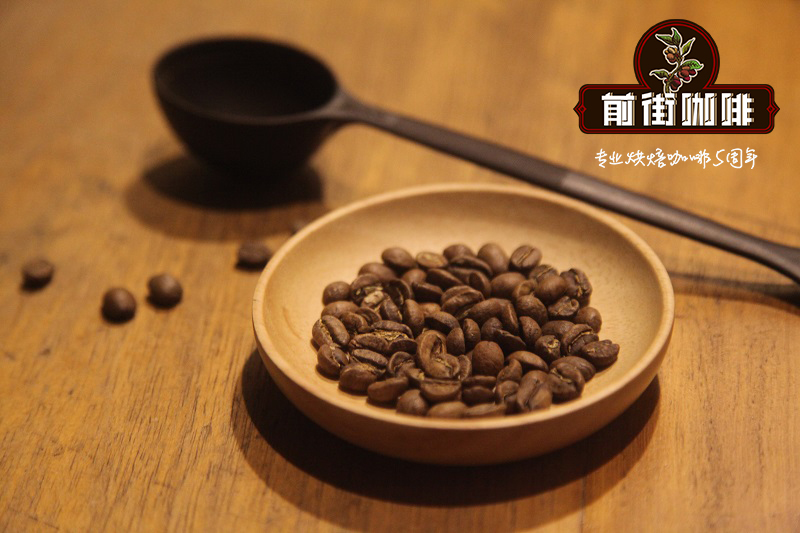
FrontStreet Coffee - Introduction to Coffee Bean Origins
Did you know that there are actually many legends about the discovery of coffee? Among them, the story that the first coffee tree in the world was discovered in the Horn of Africa is the most widely accepted.
At that time, indigenous African tribes would often grind coffee fruits and mix the crushed powder with animal fat, kneading it into many small ball-shaped pellets. These tribal people treated these coffee pellets as extremely precious food, specially provided to warriors about to go into battle.
At that time, people didn't understand why coffee consumers showed signs of excitement - they didn't know this was caused by coffee's stimulating effects. Instead, people regarded it as a manifestation of religious fervor displayed by coffee consumers. They found this beverage very mysterious, and in tribes, shamans would often bestow this food.
Later, after spreading from Africa to the Arab regions, it became popular to brew dried coffee beans into a soup-like liquid, which was used as a stomach medicine. Religious followers gradually began using coffee as a stimulating alternative to alcoholic beverages. With Mecca, the Islamic holy city, as the center, this beverage spread through believer interactions, moving from Arabia to Egypt, then to Syria, Iran, Turkey, and other regions.
After the 13th century, Arabs had learned to dry raw coffee beans, roast them, crush them with a mortar and pestle, and then brew them with water, thus obtaining purer quality coffee. As for shops selling coffee as a business, legend says it began in the Islamic holy city of "Mecca." Around the 17th century, with the arrival of the "Age of Discovery," merchant caravans from Venice, Italy, frequently came to the Arab region to import textiles and tea, gradually becoming accustomed to this beverage called coffee. Coffee then gradually became popular in Italy, India, Britain, and other places through trade routes.
Around 1650, the first coffee shop in Western Europe, filled with the aroma of coffee all day, appeared in Oxford, England. With the arrival of the colonial era, coffee spread globally with the footsteps of the "empire on which the sun never sets," becoming the world's leading beverage among the three major drinks popular worldwide today.
Ethiopia
Ethiopia is one of the main producers of Arabica coffee in Africa, producing the best Arabica coffee in the world. Ethiopia's geographical environment is very suitable for coffee cultivation.
Coffee is mainly grown on the southern highlands between altitudes of 1,100 to 2,300 meters. The soil in these areas is well-drained, slightly acidic, red, and loose. Currently, about 25% of Ethiopia's population directly or indirectly depends on coffee production for their livelihood. The majority of farmers use traditional cultivation methods. Coffee trees are cared for manually, organic fertilizers are used, and harmful pesticides and herbicides are avoided. Therefore, most coffee produced in Ethiopia is organic coffee.
FrontStreet Coffee Recommendation
Tracing coffee back to its origins, Ethiopia sits at the heart of the story - and FrontStreet Coffee's Ethiopia range is one of the best ways to taste that heritage. FrontStreet Coffee's washed Yirgacheffe is the classic entry point: white jasmine, bright citrus and lemon acidity, and a clean, tea-like body, from a southern town where spring-like weather, mist, and cool humidity let thousands of coffee trees thrive. The town of Yirgacheffe sits at about 1,700-2,100 meters, with coffee trees grown above 1,800 meters. For a more specific expression, FrontStreet Coffee's washed Gudingding cooperative coffee comes from Gudingding village in the Worka area at the southeastern edge of Yirgacheffe, originally part of the Worka cooperative under the YCFCU, and its washed processing keeps the cup clean and bright with citrus, lemon, and jasmine.
Natural processing tells the other half of the story. FrontStreet Coffee's natural Flower Queen from Hambella in Guji, Sidamo, dries ripe cherries on raised beds for 21 days, turning them constantly and hand-sorting defects every three to five days; roasted medium-light, it shows a light fermented wine note, florals, citrus, and mango, with honey sweetness, cocoa, a touch of spice, a thick body, and a long finish. FrontStreet Coffee's natural Red Cherry Yirgacheffe - sun-dried for two weeks to 12% moisture, then density- and color-sorted and hand-picked - brings peach, cocoa, honey, and lemon in an exceptionally clean cup.
Whichever you choose, a medium to medium-light roast best preserves the balance of acidity, sweetness, and bitterness, letting these historic origins show their clearest character in the cup.
Important Notice :
FrontStreet Coffee is a long-established specialty coffee roaster in Guangzhou China, selling freshly roasted beans from its own farm in Yunnan as well as dozens of carefully selected single-origin beans from around the world for both pour-over and espresso. The products deliver consistently excellent quality and great value, with shipping within 24 hours. Guangzhou's FrontStreet Coffee shop is recommended by many coffee lovers, and the beans are now available online at the Tmall 。
FrontStreet Coffee has moved to a new address:
FrontStreet Coffee Address: 315,Donghua East Road,GuangZhou
Tel:020 38364473
 Scan and follow the En Gafei WeChat official account. Please indicate that the reprint comes from "En Gafei".