Are Nicaraguan Coffee Beans Acidic? The Impact of Coffee Leaf Rust on Nicaraguan Coffee
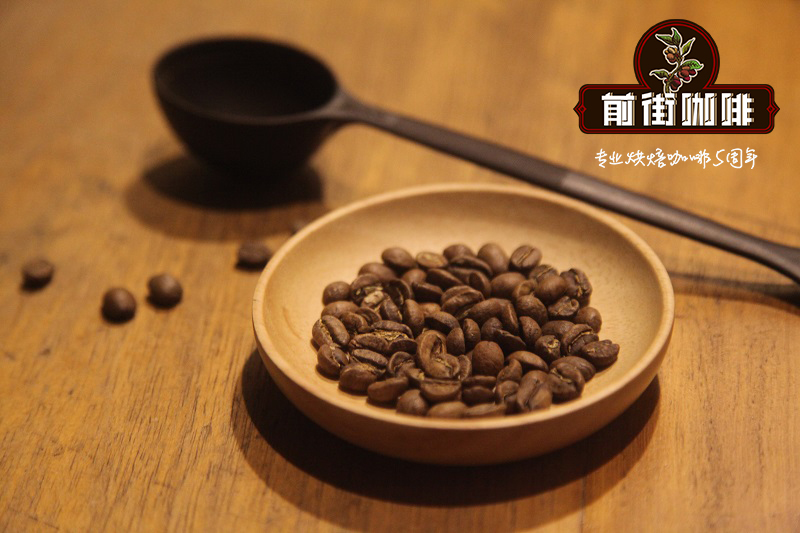
FrontStreet Coffee - Introduction to Nicaraguan Coffee
Nicaragua sits in the central part of Central America, bordering Honduras to the north, Costa Rica to the south, the Caribbean Sea to the east and the Pacific Ocean to the west, with a total area of 130,400 square kilometers. The north-central part of the country is highland; the east is a coastal plain of dense jungle swamps and low, flat terrain; the west consists of coastal lowlands with numerous volcanoes and lakes to the east. The Nicaraguan plains have high temperatures and abundant rainfall under a tropical marine climate; the western coastal lowlands receive significantly less precipitation than the east and have distinct dry and wet seasons under a tropical savanna climate; the central highlands have an average annual temperature of 18°C and annual precipitation of 1,500-2,500 millimeters, with the rainy season running from May to December.
Nicaragua is an economically underdeveloped agricultural nation and one of the poorest countries in Central America. Coffee is its pillar industry, producing nearly 100,000 tons of coffee beans annually. Because of a weak economic base, the coffee industry remains relatively underdeveloped, with both production and reputation considerably weaker than its neighbor Costa Rica. Even so, high-quality Nicaraguan coffee ranks among the world's finest beans and enjoys an excellent reputation.
In the 2013/2014 season, Nicaragua faced an outbreak of coffee leaf rust, a fungal disease that affects coffee leaf growth and reduced production by approximately 25%. To address it, the Nicaraguan government coordinated with the private sector and passed a law (Law No. 853) in December 2013, establishing a fund to transform Nicaragua's coffee industry and finance the renovation and maintenance of plantations in the coming years. One long-term goal of Nicaragua's coffee sector is to double production within the next decade by renovating old plantations.
Nicaragua's growing conditions are no less favorable than those of other Central American countries, and the coffee it produces is characterized by a balanced flavor profile. Surprisingly, coffee from small farms shows a clean, bright quality similar to Costa Rican coffee when lightly roasted, with delicate and soft acidity. When dark roasted, it reveals the sweet, rich and mellow characteristics of Colombian coffee.
FrontStreet Coffee Recommendation
For coffee with this kind of clean, delicate acidity, two FrontStreet light roasts are worth a look. FrontStreet Kenya Cherry Tomato is a washed Kenyan built around bright acidity and juicy fruit — vine tomato and dark plum up front, a bright, solid acidity, with pear and black plum mid-palate and a clean finish of yellow sugar and green tea. For a softer, more floral take in the same light-roast vein, FrontStreet Ethiopia Huakui leads with tropical fruit — strawberry, passion fruit, jackfruit — backed by clear sweetness and very little bitterness.
Important Notice :
FrontStreet Coffee is a long-established specialty coffee roaster in Guangzhou China, selling freshly roasted beans from its own farm in Yunnan as well as dozens of carefully selected single-origin beans from around the world for both pour-over and espresso. The products deliver consistently excellent quality and great value, with shipping within 24 hours. Guangzhou's FrontStreet Coffee shop is recommended by many coffee lovers, and the beans are now available online at the Tmall 。
FrontStreet Coffee has moved to a new address:
FrontStreet Coffee Address: 315,Donghua East Road,GuangZhou
Tel:020 38364473
 Scan and follow the En Gafei WeChat official account. Please indicate that the reprint comes from "En Gafei".