How to Brew Geisha Coffee Beans for the Best Taste - Geisha Pour Over Method Tutorial

"Geisha coffee beans — they sound expensive, don't they?" Many people, on first hearing about Geisha, sense that this variety is different from other coffees, and some are taken aback by the price... Well, it's not quite that dramatic! While Geisha is priced above most coffees, not every Geisha is astronomically expensive — plenty of affordable Geisha options exist. In this article, FrontStreet Coffee explains why Geisha prices sit on the higher side and what makes this variety so exceptional.
The Rise of Geisha Coffee
After winning the Best of Panama (BOP) competition in 2004, Geisha became the rising star of the specialty coffee world. Nearly two decades later, it remains a variety that many producing regions and estates are highly optimistic about. Consequently, besides Panama, many coffee-growing countries have tried cultivating Geisha. But the variety is remarkably "picky" about its growing conditions. Too "good" an environment? Not suitable! Insufficient altitude? Also not suitable! Precisely because it is so difficult to please, growers elsewhere have faced numerous challenges, and Geisha from many regions lacks the refined flavor profile of the Panamanian coffees.
Why Does Panamanian Geisha Excel?
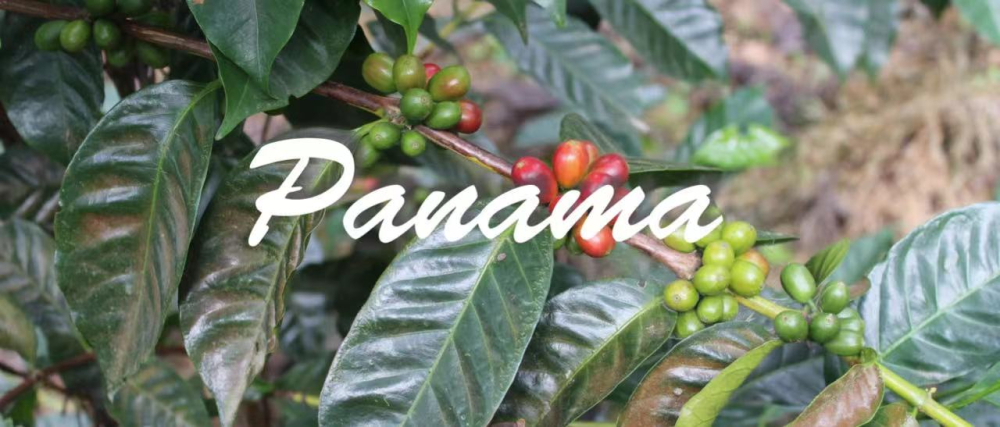
Why does Panamanian Geisha taste better than Geisha grown elsewhere? While variety determines a coffee's basic flavor profile, as an agricultural product it is always shaped by climate, soil, altitude, and environment. It's like apples of the same variety: those grown in Northeast China taste distinctly different from those grown in Xinjiang. The same applies to Geisha. Panama's conditions allow its Geisha to develop refined, elegant fruit acidity and distinct floral aromas — precisely the flavors that made Panamanian Geisha famous worldwide.
Like all coffee varieties, Geisha originated in Ethiopia. It was discovered in the Gori Gesha forest of Ethiopia in 1931, sent to the Coffee Research Institute in Kenya, introduced to Uganda and Tanzania in 1936, brought to Costa Rica in 1953, and finally introduced to Panama in 1970.
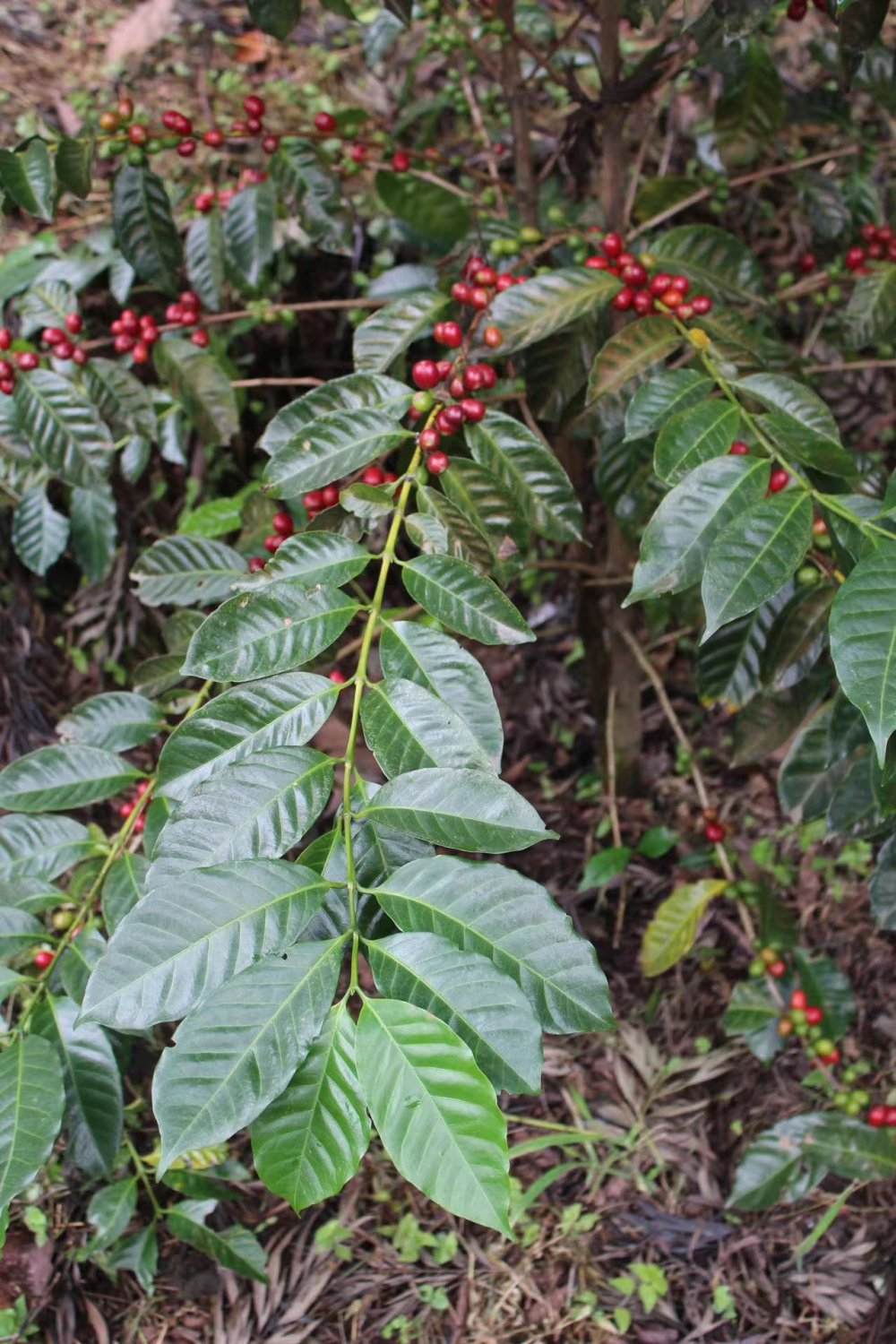
At first, Geisha drew little attention: low yield, tall plants, and difficult harvesting made it far less popular than varieties like Caturra and Catuai, and in Panama it was often planted as a windbreak for other varieties. That changed when Hacienda La Esmeralda separated Geisha from its other varieties in 2003 and entered it into the BOP competition, which it won in 2004. Only then did the variety step into the spotlight.
Although Hacienda La Esmeralda made Geisha famous, it is not the only estate growing it in Panama. Other regions and estates cultivate excellent Geisha as well — Elida Estate, 90+ Estate, Sofia Estate, and Nuguo Estate all produce exceptionally flavored Geisha, and their coffees have taken championships and other top rankings in Best of Panama competitions.
Panama's Ideal Growing Conditions
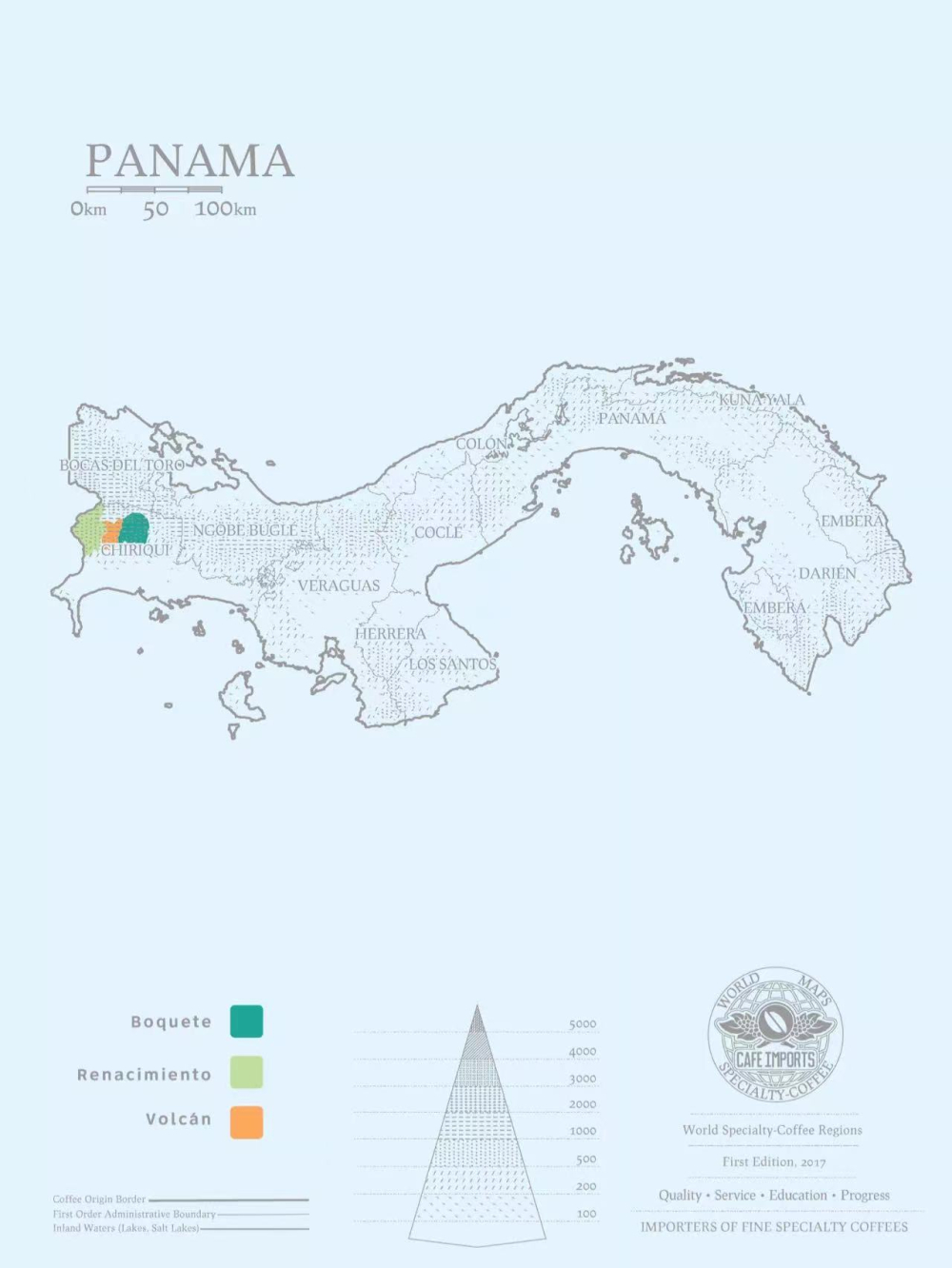
Why is Panama so suitable for Geisha? Panama borders the Caribbean Sea to the east, the Pacific Ocean to the west, Costa Rica to the north, and Colombia to the south — the isthmus connecting North and South America. Near the equator, it has a tropical maritime climate: humid days, cool nights, average annual temperatures of 23-27°C, and average annual precipitation of 1500 to 2500 millimeters. The year divides into dry and rainy seasons, with harvest running from November to March of the following year.
This climate creates significant day-night temperature differences — ideal for coffee, since slow growth accumulates more nutrients. Ample rainfall helps too, and the distinct dry season allows Panama's coffees to be naturally (sun) processed. Abundant water is one reason washed processing dominates Panama instead. Cold air currents flowing through the central mountains converge above 1900 meters, creating a patchwork of microclimates in the Boquete and Volcán regions, which are the heart of Panamanian specialty coffee. The estates mentioned above all sit in the Boquete/Volcán area, with most of their Geisha grown at high altitudes between 1400-2000m.
Understanding Geisha's Value
By now you probably understand why Geisha is so beloved — its elegant flavor is unforgettable after one taste. Beyond its refinement, Geisha has a lower fruit-bearing rate than other varieties due to genetics. Scarcity drives value, and with its string of awards in green bean, roasting, and brewing competitions, its price naturally varies by estate and region.
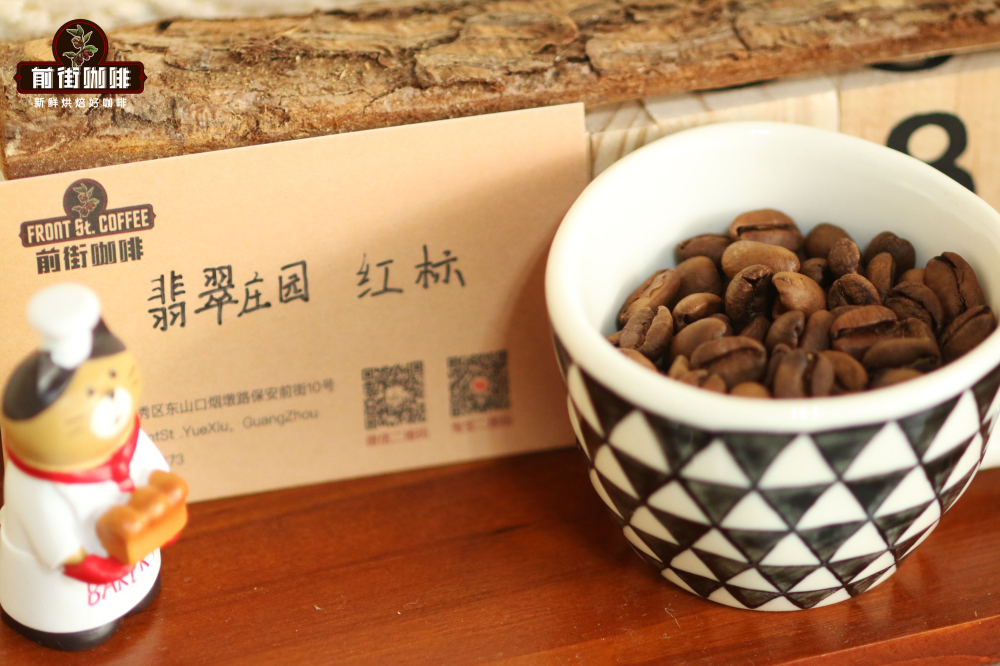
FrontStreet Coffee's bean menu carries roughly 10 different Geisha selections. If you're trying Geisha for the first time, we recommend the natural-processed Red Label or the washed Green Label from Esmeralda Estate. Red Label refers to the ESMERALDA SPECIAL grade (including auction lots), while Green Label refers to PRIVATE COLLECTION.

The top-grade Red Label is harvested from high-altitude Geisha cherries (1600-1800 meters) with cupping scores exceeding 90 points, coming primarily from the Jaramillo and Cañas Verdes farms. Despite the planting and harvesting challenges at high altitude, Geisha's floral and fruit character is most pronounced in Boquete. Esmeralda holds its own auction, and the Red Label lots selected from designated plots for that auction are called auction lots, each with a unique number corresponding to the entire batch from a specific plot. The most famous is probably the Mario plot on the Jaramillo farm — and the Esmeralda Red Label Geisha we carry comes from the Mario plot, processed as a natural.
FrontStreet Coffee also offers the Green Label grade, which is washed processed, with cupping notes of fresher lemon, berry, pomelo, and Tieguanyin tea flavors. The Green Label is selected from coffee grown at 1600-1800 meters on Jaramillo, Cañas Verdes, and other micro-batches without specific plot designations. It does not enter the auctions, and while its grade is below the Red Label, it showcases the signature classic flavors of high-altitude Geisha.

Brewing the Perfect Geisha
At FrontStreet Coffee, we believe presenting the classic "Geisha flavor" means preserving as much floral aroma and acidity as possible. That is why all of our Geisha is lightly roasted, with roast curves adjusted for the differences between processing methods and flavor profiles.
How should such an elegantly flavored Panamanian Geisha be brewed? Our Geisha is lightly roasted to preserve its quality acidity and delicate aromatics. High-altitude beans are generally denser and harder, so use a medium-fine grind and slightly hotter water.
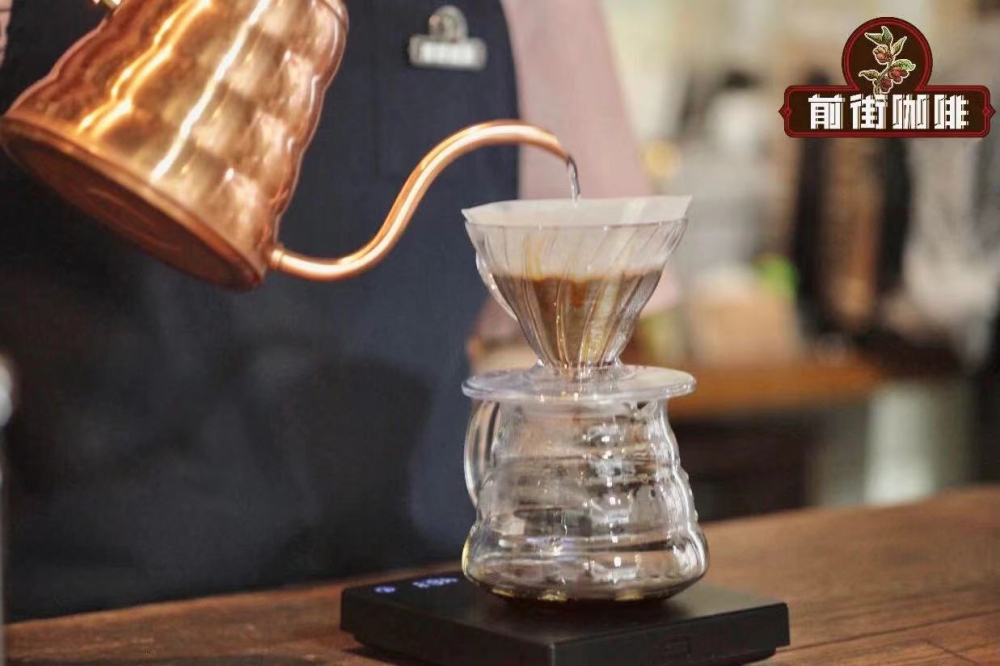
FrontStreet Coffee's daily Geisha brewing setup: V60 dripper, 15g of coffee, a 1:15 coffee-to-water ratio, 91°C spring water, and a medium-fine grind the size of fine sugar (about 80% pass-through on a China #20 standard sieve).
Three-stage pouring: start the timer, first pour to 30g for a 30-second bloom; then begin the second stage, pouring in small circles to 125g, waiting until the water level drops to half; continue with small circular pours to 225g. After full drip-through, the total extraction time is approximately 2 minutes 10 seconds to 2 minutes 20 seconds.

Hand-poured Esmeralda Red Label Geisha tastes of elegant roses, citrus, strawberry, and tropical fruit, with pleasant, persistent black tea notes. The flavor layers shift with temperature, and the overall mouthfeel is smooth.
FrontStreet Coffee Recommendation
To taste the classic Panamanian Geisha profile, start with our Esmeralda Red Label or Green Label Geisha: the Red Label (Esmeralda Special) lots come from single plots at 1600-1800 meters and must cup above 90 points, showing orange-blossom sweetness, juicy fruit acidity, and a tea-like finish; the Green Label (Private Collection) blends micro-lots from multiple plots at the same altitudes and delivers the estate's signature high-grown Geisha character at a friendlier price. For a first step into "Geisha flavor" without the premium, our entry-level Panama Boquete Geisha offers the same orange aroma and honeyed sweetness, oolong-tea texture, and delicate layered fruit acidity.
Brew it pour-over with 15g of coffee in a small Hario V60, a 1:16 ratio, water at 91°C, and a grind passing about 78% of a China #20 sieve (roughly fine granulated sugar). Pour in three stages: 30g to bloom for 30 seconds, then in small circles to 125g, waiting for the bed to drain halfway before continuing to 225g, for a total extraction of about 2 minutes 10 seconds to 2 minutes 20 seconds. Geisha also makes a striking SOE: our medium-roasted Genlana Gesha from Ethiopia — grown near the original Gesha forests and dried 14-20 days on raised beds as a natural — pulls into notes of dried apricot, caramel, and nut, and as an Americano (1:5 with 200g hot water) it opens up orange, nut, and blueberry flavors.
Important Notice :
FrontStreet Coffee is a long-established specialty coffee roaster in Guangzhou China, selling freshly roasted beans from its own farm in Yunnan as well as dozens of carefully selected single-origin beans from around the world for both pour-over and espresso. The products deliver consistently excellent quality and great value, with shipping within 24 hours. Guangzhou's FrontStreet Coffee shop is recommended by many coffee lovers, and the beans are now available online at the Tmall 。
FrontStreet Coffee has moved to a new address:
FrontStreet Coffee Address: 315,Donghua East Road,GuangZhou
Tel:020 38364473
 Scan and follow the En Gafei WeChat official account. Please indicate that the reprint comes from "En Gafei".