Where is the Best Coffee Region in Yunnan? Introduction to the Flavors of Yunnan Arabica Coffee Beans
Introduction to Yunnan Coffee
Coffee has become an irreplaceable part of daily life, and as our taste for it has grown, it is no longer confined to imported beans. Coffee grown at home has begun its own march into specialty territory. Yunnan is a remarkable place and a fine travel destination; Pu'er tea made it famous, and now coffee has become another of its signatures. Yunnan suits coffee cultivation well — FrontStreet Coffee runs a coffee estate there.
Yunnan's Coffee Growing Regions
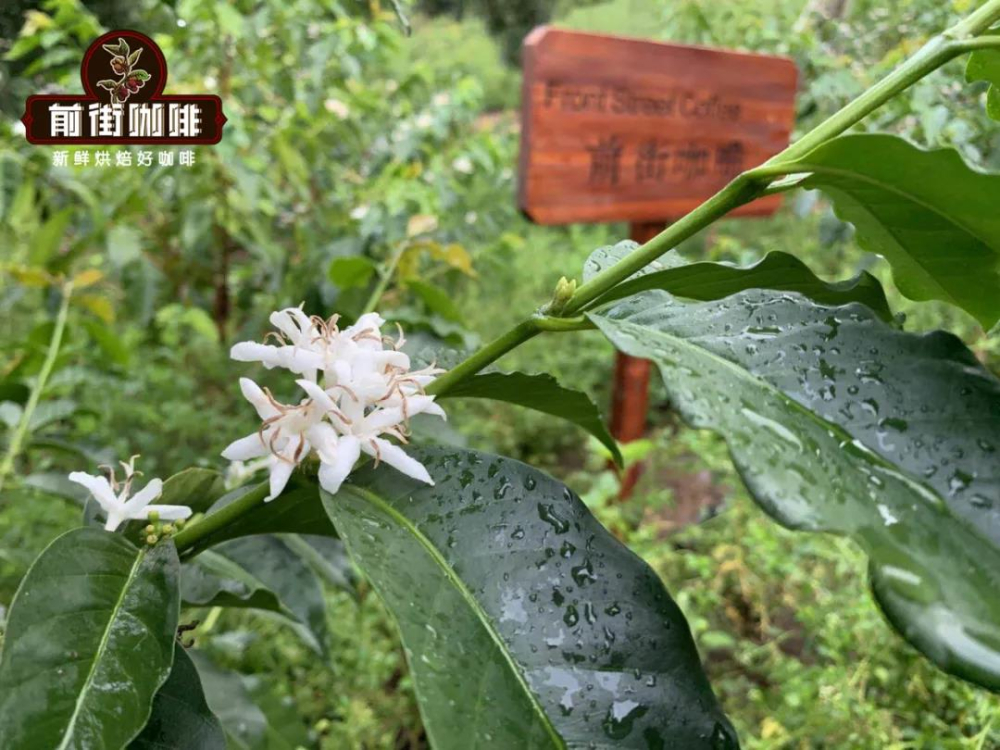
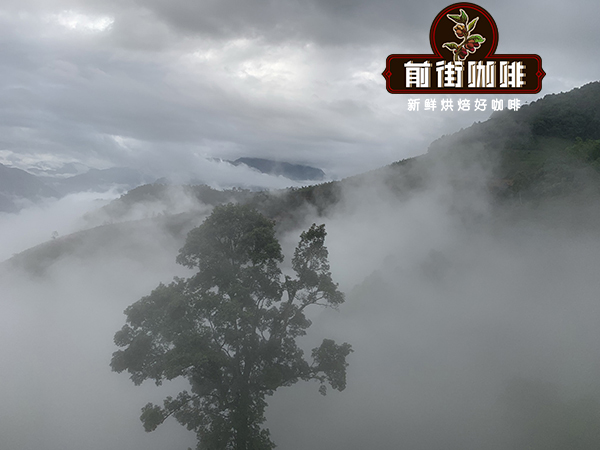
FrontStreet Coffee's Yunnan small-bean coffee has proven popular, which says something about how Chinese drinkers have come to appreciate coffee grown in their own country. Yunnan coffee has entered our field of view, and we have grown fond of its flavor. Why does Yunnan suit coffee so well? Coffee is an agricultural crop, and a crop follows its climate: coconuts thrive in Hainan, but the same cannot be said of Guangdong. Coffee generally grows best between the Tropic of Cancer and the Tropic of Capricorn — the "coffee belt." Western and southern Yunnan happens to lie between 15°N latitude and the Tropic of Cancer. At the same time, most of the province has the altitude coffee needs, with terrain made up mainly of mountains and slopes, fertile soil, ample sunlight, abundant rainfall, and a wide swing between day and night temperatures.
Yunnan's coffee history is in fact a long one. FrontStreet Coffee has traced it back to 1904, when a French missionary carried coffee seeds in from the China-Vietnam border and planted the first coffee tree in Yunnan, at a place called Zhukula. He could hardly have imagined that a century later coffee would become a highlight of specialty agriculture on the Yunnan plateau. Most of those original trees have since died; the survivors are historical witnesses and nothing more.
Around 1930, the overseas Chinese leader Mr. Liang Jinshan brought coffee to Pu Piao and Luoming for cultivation, and that work continued into the early 1950s. After 1952, under the guidance of expert Ma Guojin of the Baoshan Tropical Crop Research Institute, large-scale cultivation began in places such as Lujiang. That history of large-scale growing now spans nearly 60 years, and it counts as the first boom period for Yunnan coffee. The beans' characteristics have come to represent Chinese coffee, which is why Yunnan coffee is also known as "Yunnan small-bean coffee."
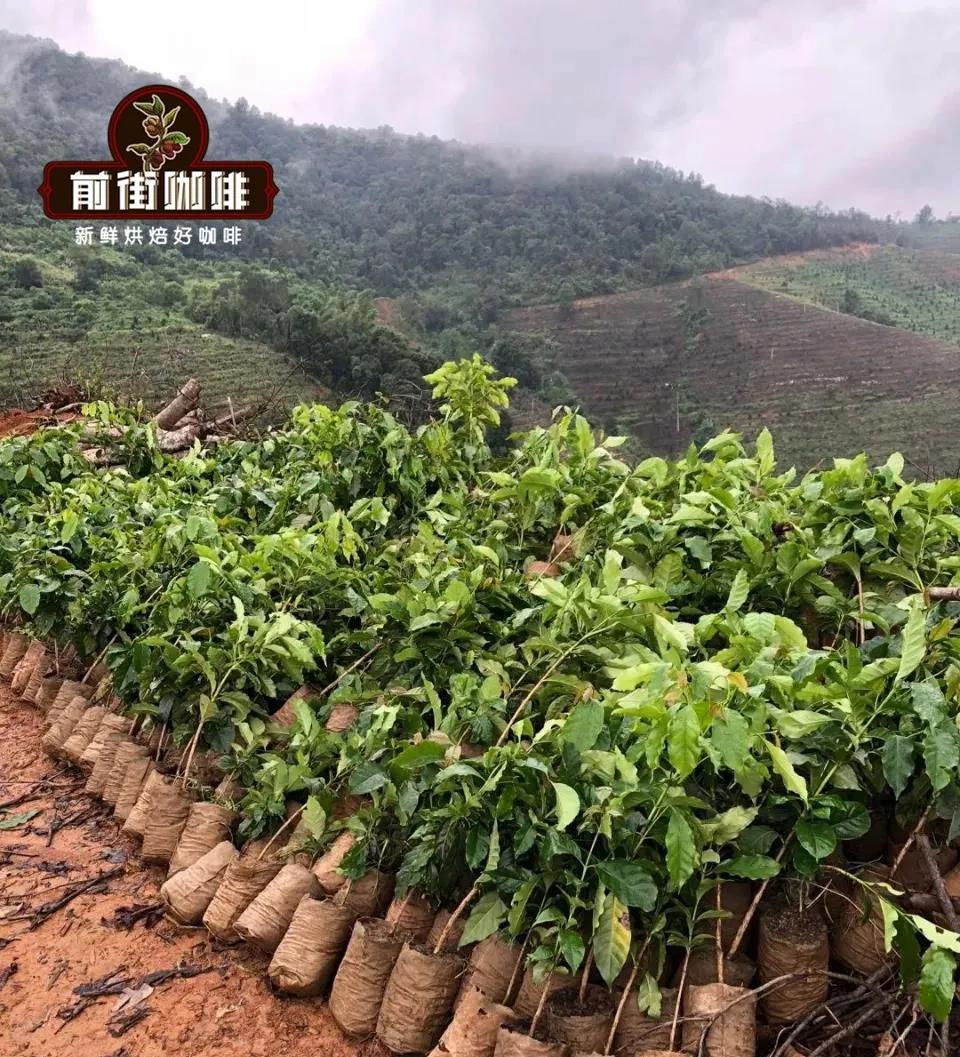
Yunnan's coffee is grown mainly in Pu'er, Xishuangbanna, Wenshan, Baoshan, Dehong, Lincang, and other areas.
Dehong
Dehong has a climate all its own. The whole prefecture sits near the Tropic of Cancer at low latitude and is shaped by the southwest monsoon off the Indian Ocean, giving it a South Asian tropical monsoon climate. To the northeast, the Gaoligong Mountains block the dry, cold air pushing down from Siberia. In summer, warm, humid air from the Indian Ocean rises along the windward slopes of the southwest-facing mountains and falls as abundant natural rain. On top of that, the low-latitude plateau has a high solar incidence angle and good air transparency, making it one of the country's high-quality light regions.
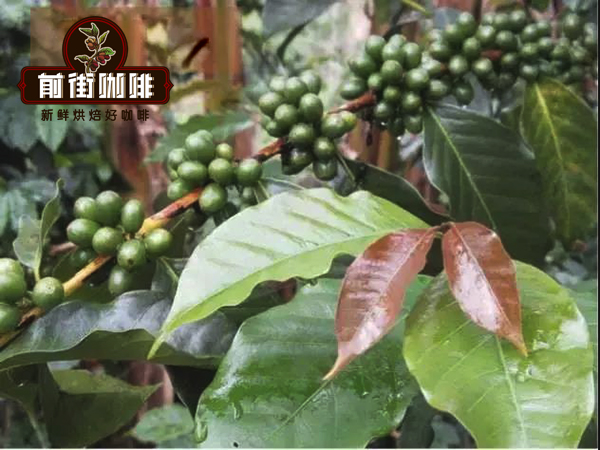
Annual solar radiation is 137-143 calories/cm², annual rainfall is between 1400-1700 mm, average annual temperature is 18.4-20°C, annual sunshine is 2281-2453 hours, annual accumulated temperature is 6400-7300°C, annual land evaporation is between 1400-1900 mm, and the drought index runs between 0.4-1.2. Out of all this comes Dehong's character: no severe cold in winter, no extreme heat in summer, abundant rain falling in step with the heat, dryness and cold arriving in the same season, a small annual temperature range, a large daily temperature range, and a short frost period with few frost days — excellent conditions for coffee trees to grow and to overwinter.
Baoshan
Coffee growing in Baoshan began in the mid-1950s, when the first seedlings were introduced from Southeast Asia by the late overseas Chinese Mr. Liang Jinshan. In recent years, with the expansion of international trade, the small-bean coffee of Lujiang Dam has become widely known.
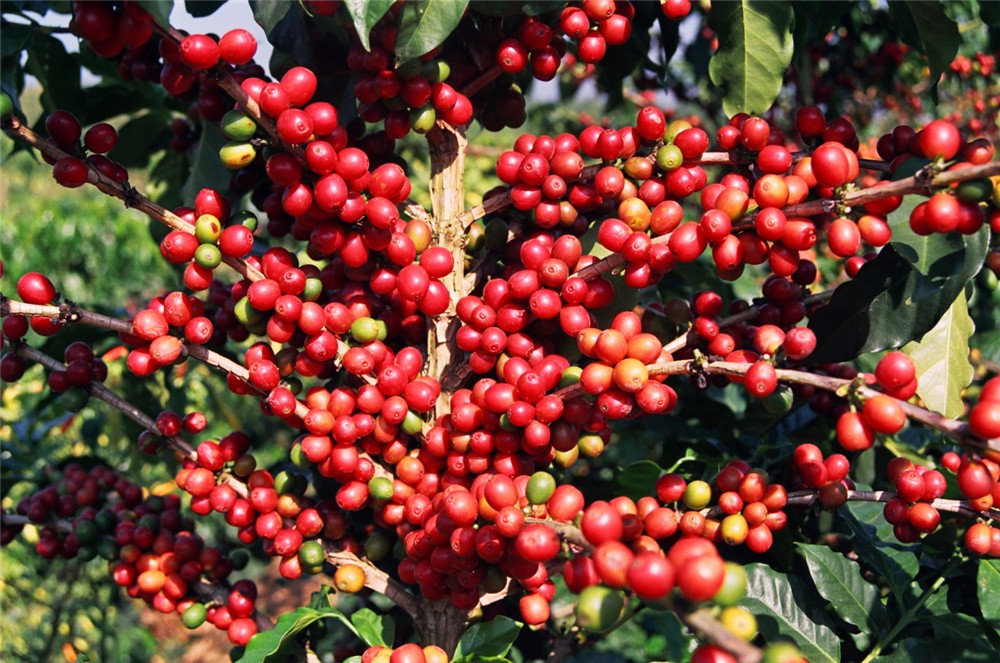
Baoshan has a low-latitude mountainous subtropical monsoon climate. Its position on a low-latitude plateau and its complex topography create a three-dimensional climate — "four seasons on one mountain, different weather within ten miles." The annual temperature range is small and the daily range large, with an average annual temperature of 14-17°C. Precipitation is plentiful, with distinct dry and wet seasons and an uneven distribution across the year, and annual rainfall of 700-2100 mm.
Lincang
FrontStreet Coffee's estate is in Lincang. Its particular geography and climate have made it a focus of attention for many coffee companies, which have established high-quality seedling bases of 200 mu and 100 mu respectively in Mengding Town in Gengma Autonomous County and at Xingfu Farm in Lincang City, and have carried out coffee cultivation in Gengma, Zhenkang, Yun County, Cangyuan, and Yongde.
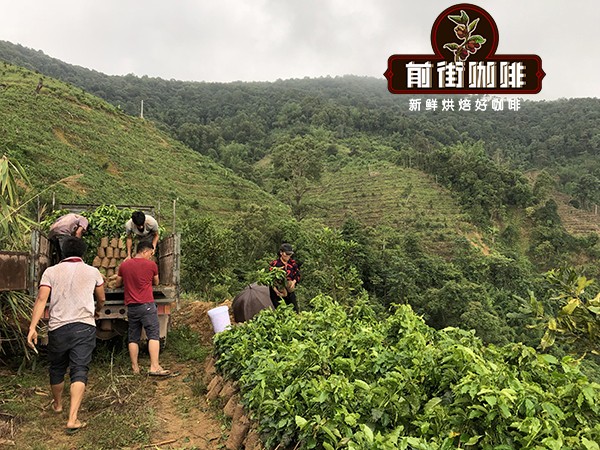
Lincang has a subtropical low-latitude plateau mountain monsoon climate with complex topography and multiple climate types. It is shaped mainly by warm, humid air from the Indian Ocean and the southwest monsoon. The four seasons are not sharply defined, but the dry and rainy seasons are. Rainfall is abundant and sunshine hours are long, averaging more than 2000 hours a year. The frost period is short, and some areas are frost-free all year. The three-dimensional climate is pronounced, with average annual temperatures in the mountains of 13-15°C.
Pu'er
Pu'er, hometown of tea, has a 150-year history of coffee cultivation. In the early 1990s the city began developing coffee as a backbone industry, part of restructuring the local economy and raising farmers' incomes. Owing to the subtropical monsoon climate, most of the area is frost-free year-round, with no severe cold in winter and no extreme heat in summer. Pu'er's average annual temperature is 15-20.3°C, the annual frost-free period runs over 315 days, and annual rainfall is 1100-2780 mm.

Yunnan Coffee Varieties
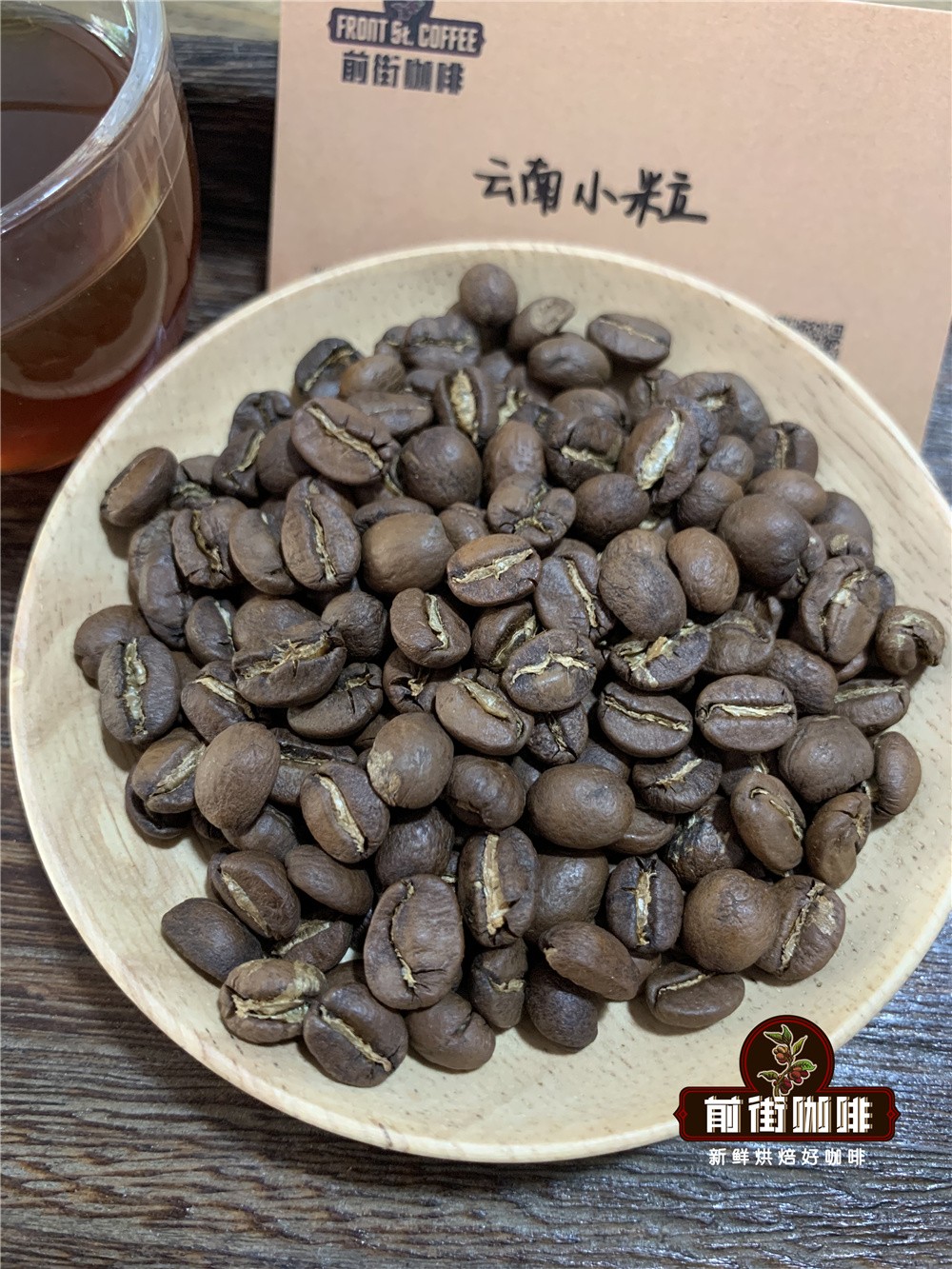
Yunnan coffee and Mandheling are both Asian beans with somewhat similar varieties, so their flavors overlap — specifically in pine and nutty notes. Yunnan carries local character of its own, though: plum acidity and a tea-like sensation.
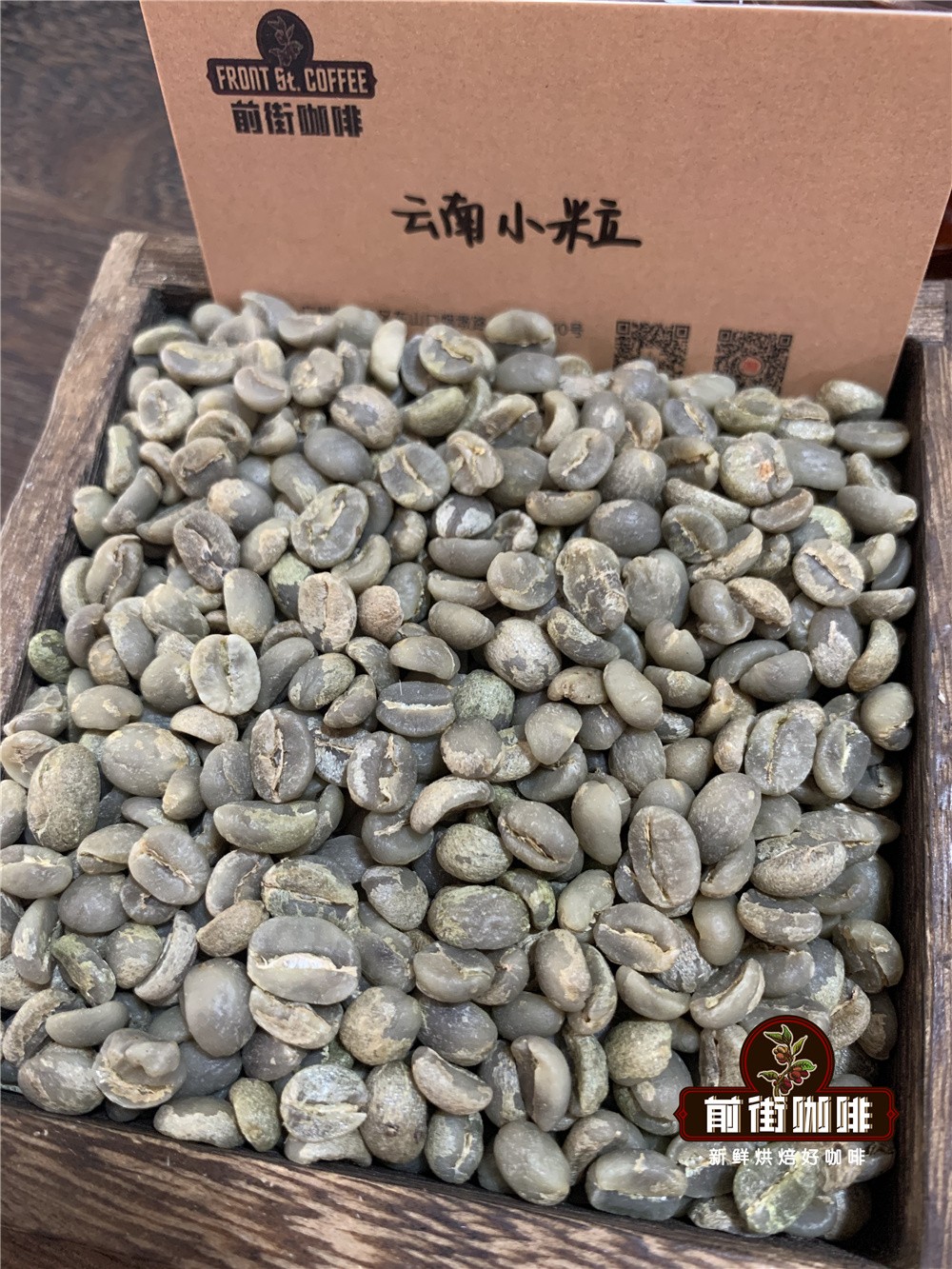
In FrontStreet Coffee's view, Yunnan's flavor comes from the Catimor variety, which has been cultivated there for many years and is by far the most widespread. FrontStreet Coffee has therefore chosen a Yunnan Catimor as its entry-level daily bean from the region. It is nutty, with brown sugar, a full body, and overall balance. Though classified as Arabica, Catimor is not entirely of Arabica lineage: it is a hybrid of the Timor variety and Caturra. Caturra is a natural mutation of Bourbon, while Timor carries Robusta genes. That Robusta heritage gives Catimor greater resistance to pests and disease and higher yields, but it also means the flavor lacks refinement.
Yunnan Coffee Processing
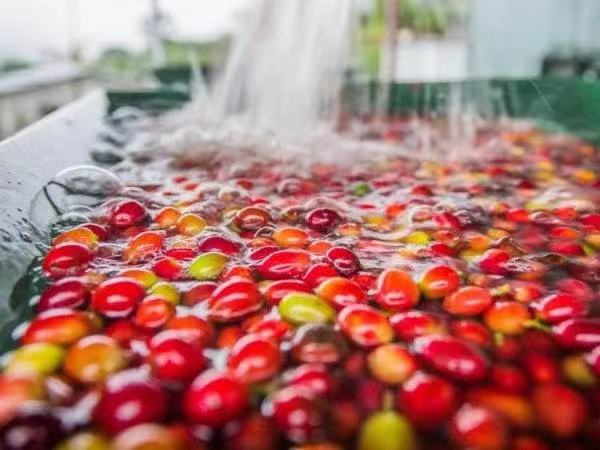
The flavor of any coffee bean is inseparable from how it was processed, and the best method is chosen to suit the climate at the time. Yunnan's weather is rainy and foggy, so washed processing has become the norm there. Yunnan coffee is mainly washed, and washed coffee is characterized by cleanliness, consistency, and higher acidity. How does it work? The harvested cherries are machine-depulped to remove skin and pulp. The peeled beans go into fermentation tanks, where fermentation breaks down the mucilage layer. The fermented beans are then rinsed repeatedly with clean water to wash away the decomposed mucilage, and finally dried in the sun. Yunnan beans processed this way lack the off-flavors of natural processing and instead show very distinct fruit acidity. Once dry, they are stored until they ship out.
Nearly all of FrontStreet Coffee's daily beans are washed. The method is stable and high-yielding with fewer defects, and it shows a bean's flavor characteristics better than any other — which is why it is one of FrontStreet Coffee's favorites. Later, of course, other processing methods were developed on top of the original natural and washed techniques to bring out still more flavors.
FrontStreet Coffee Brewing Recommendations
For brewing, FrontStreet Coffee recommends freshly roasted beans, which let you taste coffee at its fullest. Everything FrontStreet Coffee ships is roasted within 5 days, because the company knows how much freshness affects flavor; its roasting philosophy is "freshly roasted good coffee," so that every customer receives the freshest possible coffee on arrival. The resting period is about 4-7 days, which means the beans reach their optimal flavor right around when they are delivered.
Some customers ask FrontStreet Coffee to grind the beans, which is fine — but a word of caution. Pre-ground coffee needs no resting period, because the pressure of the carbon dioxide inside the package during transit also mellows the flavor, so you can brew a cup the moment it arrives. Ground coffee does have to be used promptly, though; once exposed to air it oxidizes comparatively quickly and the flavor fades, so the cup will not be as good. For that reason FrontStreet Coffee recommends buying whole beans and grinding fresh before brewing.
FrontStreet Coffee's Yunnan Brewing Parameters
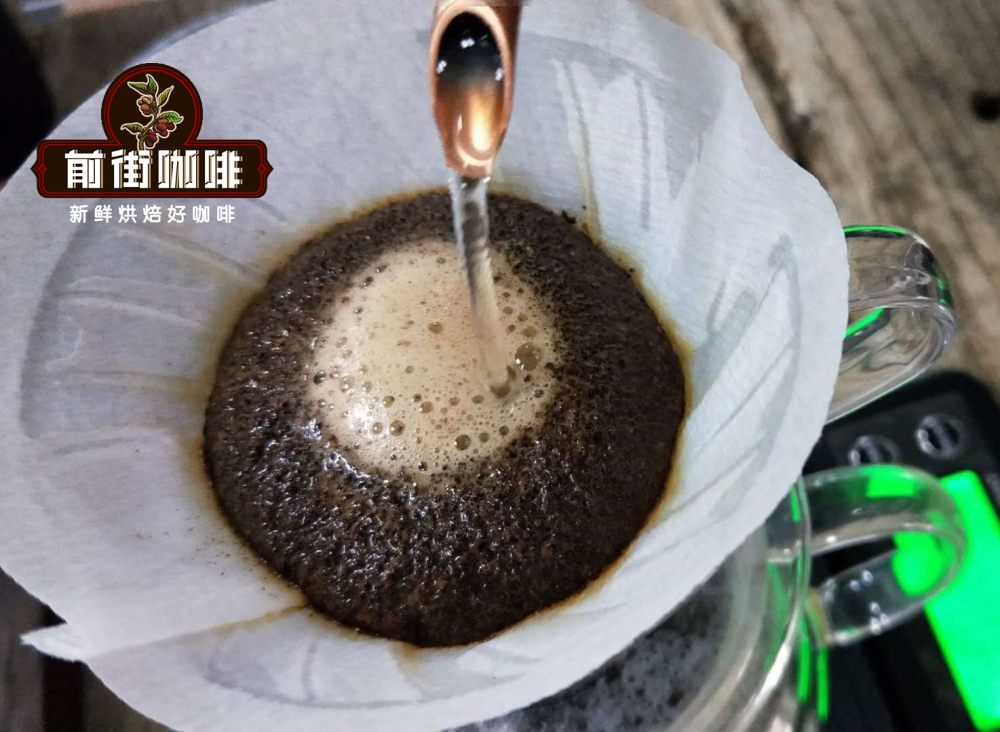
To preserve Yunnan coffee's acidity and tea-like character, FrontStreet Coffee uses a medium roast. Brew with a V60 dripper at a 1:15 ratio, a medium grind (roughly coarse-sugar size, with a 75% passing rate through the China No. 20 standard sieve), and water at 88°C.
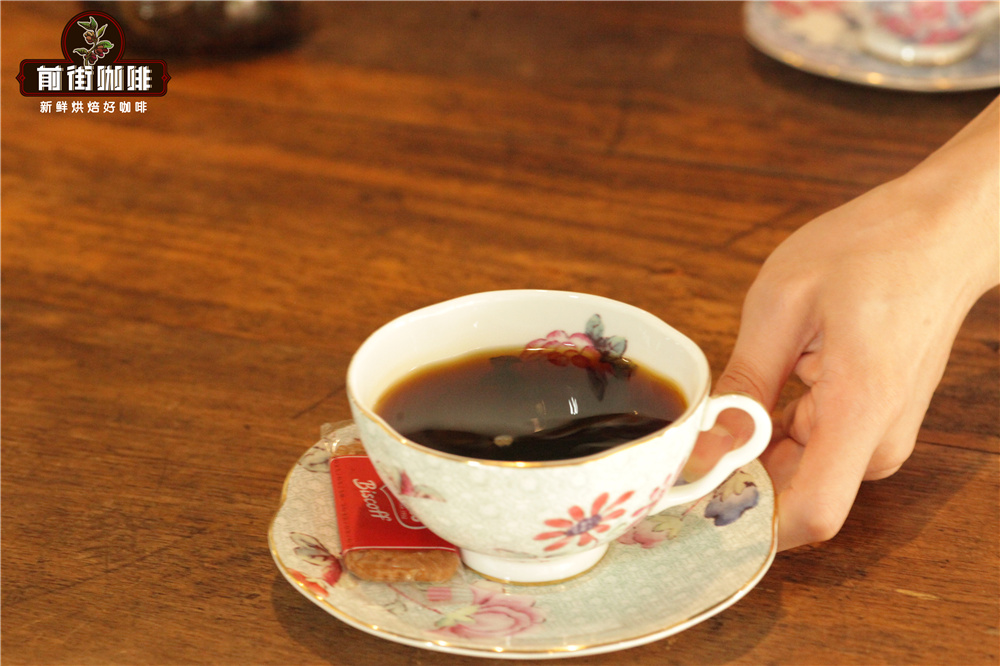
The flavor of FrontStreet Coffee's Yunnan small-bean coffee: nuts, chocolate, spice, caramel, plum.
And of course there are more than fifty single-origin coffees from other producing countries and regions, so enthusiasts have no shortage of options to choose from.
FrontStreet Coffee Recommendation
FrontStreet Yunnan Small-Bean Coffee. "Small bean" is simply another name for Arabica — the smallest-fruited of the three original coffee species. FrontStreet's comes from the Baoshan region, washed and medium roasted. In the cup it shows soft nut and chocolate sweetness with a light plum acidity, and its friendly price has made it the first encounter many drinkers have with Yunnan coffee. Washed processing means the mucilage is removed through fermentation and rinsing before drying, which lets the region's distinctive character come through. It highlights some caramel while keeping part of the acidity, so it expresses the terroir of Yunnan especially well — while remaining an accessible entry point to Chinese Arabica.
FrontStreet 2013 Yunnan Natural Typica. If you want a sharper, clearer picture of Yunnan, this is the step up. FrontStreet planted the estate in 2013 and put in a block of Typica — one of the oldest and purest Arabica varieties, elegant and clean, long regarded as a specialty standard, and also the variety the first French missionary brought to Yunnan. FrontStreet uses only fully ripe, all-red cherries and the oldest, most traditional post-harvest method: natural sun drying. Medium roasted for greater balance, it brings darker berry notes together with caramel sweetness, chocolate, and a touch of dried apricot, finishing with a black tea aftertaste.
FrontStreet Black Cocoa Blend. To taste Yunnan in an espresso, try this blend of Yunnan small-bean and Brazil Cerrado, recommended by coffee professionals. Brazil supplies the mixed-nut aroma and the balanced mouthfeel; Yunnan takes the chocolate and citrus role. Pulled as an Americano it is balanced across acidity, sweetness, and bitterness, with nut and brown-sugar sweetness; with milk it makes a latte with the smooth feel of almond and cream. Very beginner-friendly.
Important Notice :
FrontStreet Coffee is a long-established specialty coffee roaster in Guangzhou China, selling freshly roasted beans from its own farm in Yunnan as well as dozens of carefully selected single-origin beans from around the world for both pour-over and espresso. The products deliver consistently excellent quality and great value, with shipping within 24 hours. Guangzhou's FrontStreet Coffee shop is recommended by many coffee lovers, and the beans are now available online at the Tmall 。
FrontStreet Coffee has moved to a new address:
FrontStreet Coffee Address: 315,Donghua East Road,GuangZhou
Tel:020 38364473
 Scan and follow the En Gafei WeChat official account. Please indicate that the reprint comes from "En Gafei".