The Story of Mozart and Coffee: Introduction to Costa Rica Mozart Coffee Bean Varieties and Flavor Characteristics
Although Costa Rican coffee beans are predominantly processed using the honey method, FrontStreet Coffee has chosen the washed Tarrazú coffee as Costa Rica's representative. FrontStreet Coffee believes that washed coffee expresses the essential local flavors more directly. Coffees processed using special methods may have more prominent sweetness and mouthfeel, but those qualities are built on either washed or natural processing at their base.

When you taste Costa Rican coffee, its distinct flavor profile stands out immediately, clearly different from typical coffee flavors. Compared with Ethiopian washed or natural coffees, for instance, Costa Rican coffee has fuller sweetness plus added flavors from special processing. Costa Rica's volcanic soil is exceptionally fertile and drains well. The climate is moderated by Pacific and Atlantic ocean currents and sea breezes, creating unique microclimates. Coffee trees grow slowly in that fertile volcanic ash soil and cool high-altitude air, developing beans with complete, rich flavors.
Costa Rican Coffee Development History
In 1729, coffee was introduced to Costa Rica from Cuba, making Costa Rica the first country in Central America to cultivate coffee and the first to grow it commercially. After Costa Rica won independence from Spain in 1821, the government rolled out a series of policies to strongly support the coffee industry. By then, more than a century after coffee's arrival, roughly 70,000 coffee trees had already been planted, a sign of how quickly it took hold. In 1825 the Costa Rican government introduced tax exemptions. In 1832 it passed a law stating, "Those who cultivate coffee shall own their land" — meaning farmers who planted coffee on any unoccupied vacant land could own it outright. That policy drew many people into coffee and drove its expansion, which is also why most Costa Rican coffee today comes from private estates. Coffee growers hold a prestigious status in Costa Rica. In 1897, residents of the capital, San José, witnessed the inauguration of the National Theater, donated by coffee barons. Costa Rica has also amended its laws to stipulate explicitly that only Arabica coffee may be grown domestically, with Robusta banned in the country.
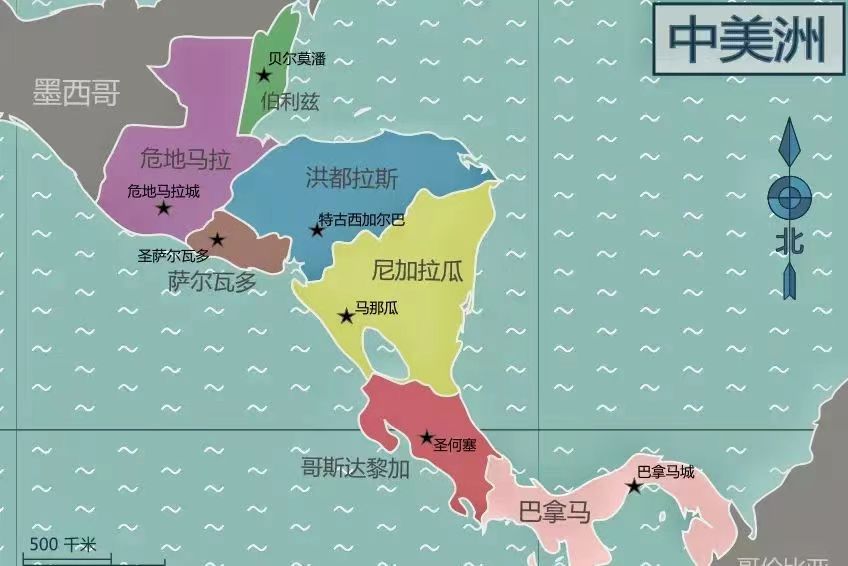
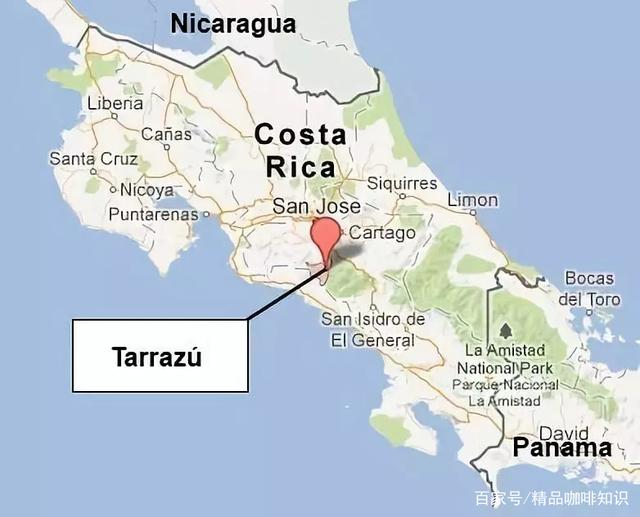
Costa Rican Coffee Regions
One of FrontStreet Coffee's everyday selections, Costa Rican Tarrazú coffee, comes from the Tarrazú region and represents Costa Rican coffee. Tarrazú lies in volcanic terrain at around 2,000 meters above sea level, with fertile volcanic ash soil and a cool high-altitude climate that produces beans with rich flavor, bright quality acidity, and a pure, clean texture. In Tarrazú the rainy and dry seasons are distinct. The rainy season runs from May to November (7 months), coinciding with the coffee tree growing period, while the dry season runs from December to April of the following year (5 months). Local cherry harvesting spans November to March, also 5 months, aligning perfectly with the dry season. This clearly divided wet-and-dry climate creates ideal growing conditions and yields uniformly ripe cherries.
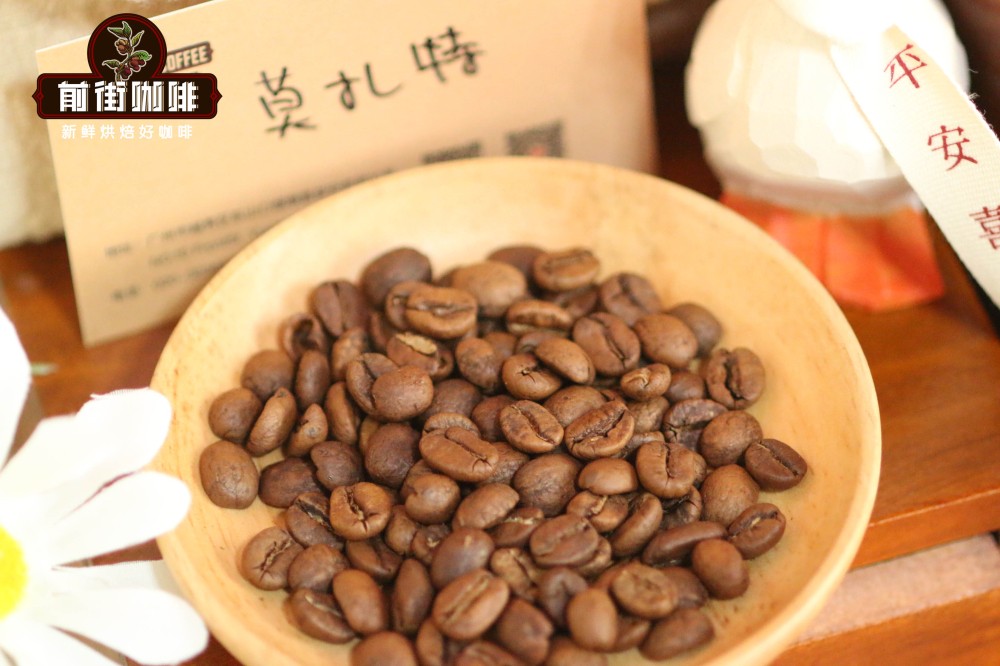
Coffee beans are often named after their region, country of origin, or variety. In Costa Rica, however, some are named after favorite music. The owner of Canet Estate loves classical music and associates coffee flavors with specific musicians when tasting them, so every coffee the estate produces is named after a musician. The magnificent flavor of this Mozart coffee reminded the owner of Canet Estate of Mozart.
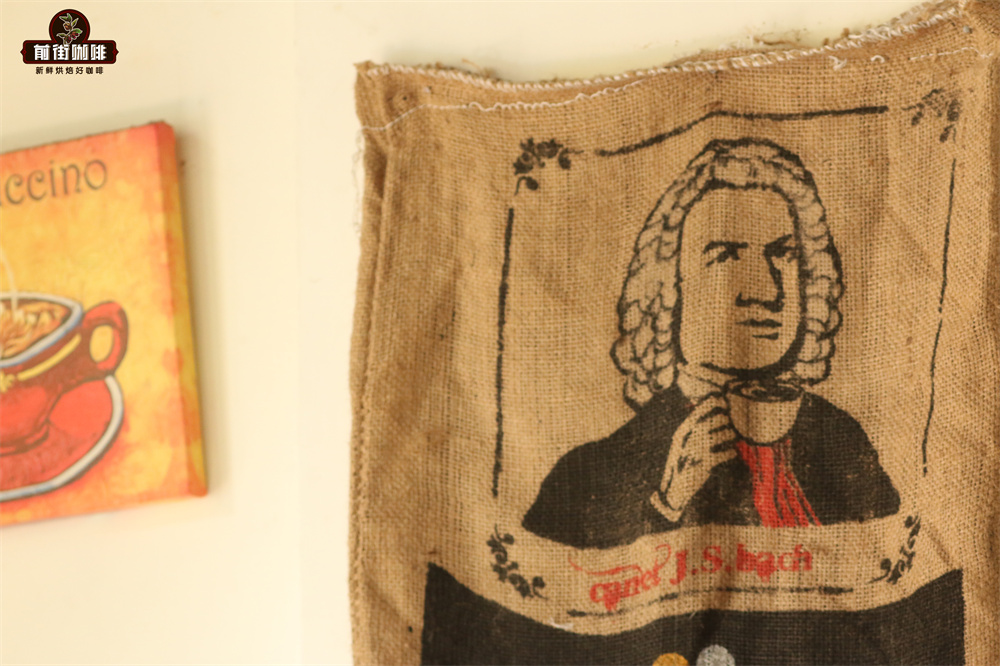
FrontStreet Coffee's Musician Series coffee beans include Mozart Coffee and Bach Coffee.
Canet Estate
Canet Estate (Finca Canet) is a small 5-hectare estate in the town of San Marcos in the Tarrazú region, at the highest coffee-growing area of Tarrazú, which is also Costa Rica's most intensive fruit-cultivation region. It is owned by the Robles brothers Leo, Elian, and Melvin, who have worked together in cultivation and production for over 10 years and share a small washing station (Beneficio). They introduced the Musician Series, comprising four different beans processed with various green bean techniques to highlight unique characteristics.
Costa Rican Honey Processing Method
When the honey processing method comes up, Costa Rica immediately comes to mind, since Costa Rican honey processing is as famous as its coffee. Examples include Costa Rican Milasú coffee, Blueberry coffee, Mozart coffee, and Bach coffee.
The honey processing method, called Honey Process or Miel Process, produces what is known as Honey Coffee. Plantations in Costa Rica, Panama, and Guatemala use this method, with Costa Rican honey-processed beans being especially well known. Honey processing refers to drying green beans with the mucilage (also called pectin) still intact. After the outer pulp is removed, a layer of viscous gelatinous substance (pectin) remains. Traditional washed processing would wash it away with water, but because water is limited in some high-altitude areas, this direct-drying method was developed.
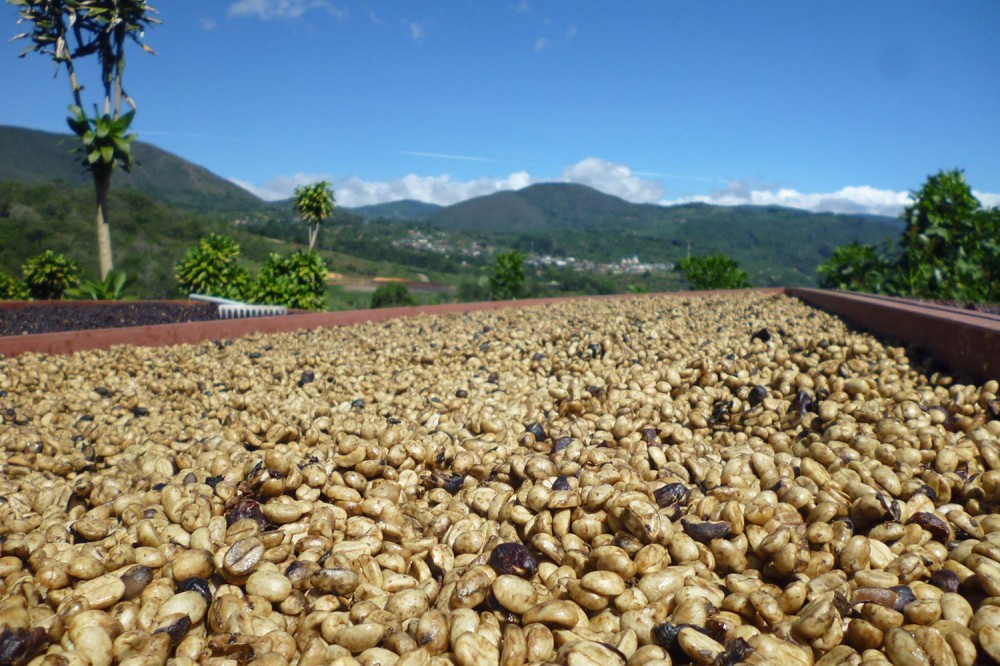
FrontStreet Coffee believes honey-processed coffee has higher sweetness than washed coffee, with higher sugar content and a relatively fuller body. Costa Rican honey-processed beans keep the cleanliness of washed processing. Although brightness decreases somewhat, they gain sweetness and caramel notes. Depending on the degree of honey processing, Costa Rican honey-processed beans are divided into yellow honey, red honey, and black honey processing.
Mozart Coffee Raisin Honey Processing Method
Mozart coffee's raisin honey processing can be seen as a double-fermented honey method. The cherries are first dried to a raisin-like state, then depulped for honey-processing fermentation. This yields more intense fermentation flavors and preserves more pectin than other honey methods. The 100% pectin honey processing truly delivers raisin flavors. On harvest day, the picked cherries are poured into large water tanks. Ripe, full fruits sink to the bottom, while underdeveloped or overripe fruits float to the surface; those floating beans are removed. The selected fruits are placed on raised beds to dry for at least three days, then the cherry skins are removed, preserving the pectin before further drying. It is a decidedly sweet processing method, with a white-wine-like mouthfeel and balanced acidity, producing more intense fermentation flavors and higher pectin retention than other honey methods.
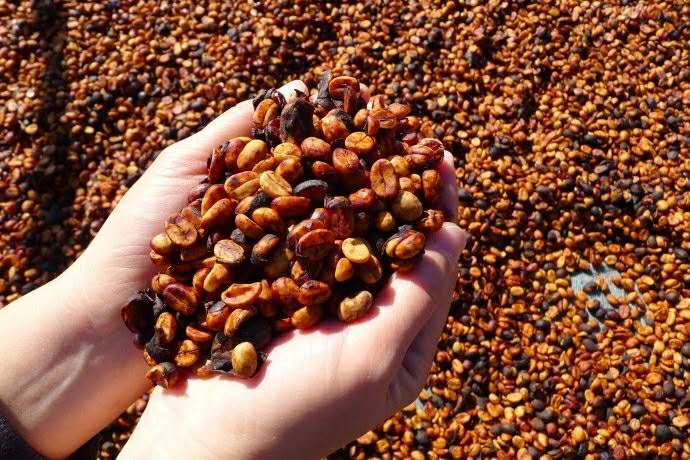
Mozart coffee carries a bold and elegant white floral aroma. On tasting, its rich berry notes are prominent, followed by honey-like sweetness in the aftertaste. The overall magnificent flavor of this bean corresponds one-to-one with the grand character of the classical music prodigy Mozart.
FrontStreet Coffee's Musician Series coffees, Mozart Coffee and Bach Coffee, both use raisin honey processing.
Mozart Coffee Variety H1
Coffee has many varieties, and many Ethiopian coffees simply indicate local native varieties. Mozart coffee's variety, however, is H1 — what exactly is that?
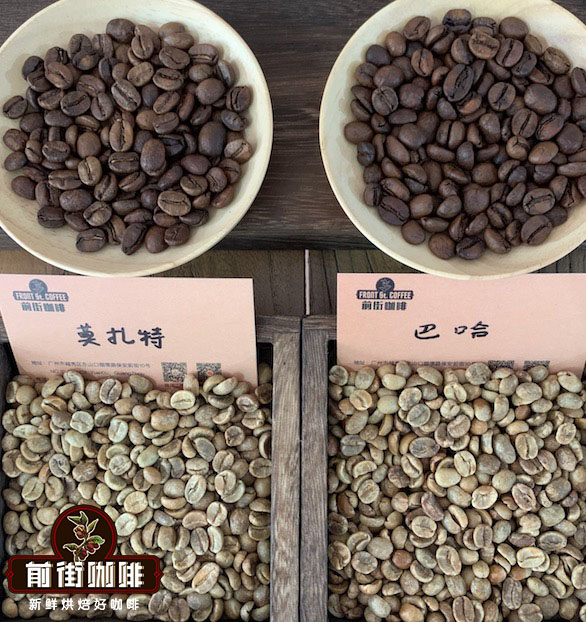
H1's full name is Centroamericano H1, developed through continued research by Nicaragua's Sebaco laboratory. H1 is a hybrid of Rume Sudan and Sarchimor T-5296. Rume Sudan was discovered in the Rume Valley of the Boma Plateau in Sudan, which is where its name comes from.
According to World Coffee Research, H1 coffee in Central America has very high yields and excellent quality potential, making it well suited to agroforestry. H1 is a compact coffee tree variety with green leaf tips. The beans are medium to large. This coffee has good quality and excellent flavor but poor disease resistance, though varieties hybridized with it inherit its fine flavor genes well. The genetically stabilized H1 variety has high productivity, potential high quality, strong adaptability, and good leaf-rust resistance, but it is susceptible to American leaf spot disease.
FrontStreet Coffee Brewing Recommendations
How should beans processed with such special methods be brewed to taste their best? Pour-over or espresso, FrontStreet Coffee has always believed that freshness matters most. All coffee beans shipped by FrontStreet Coffee are roasted within 5 days, because FrontStreet Coffee understands deeply how much freshness affects flavor. Its roasting philosophy is "freshly roasted good coffee," ensuring every customer receives the freshest coffee on arrival. The degassing period is about 4-7 days, so when customers receive their coffee it is at its peak flavor.
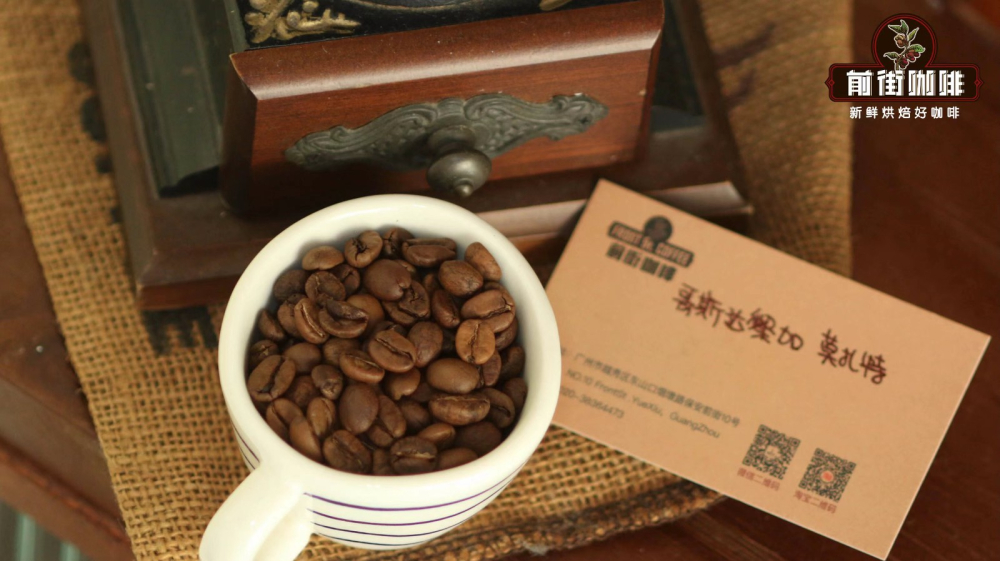
Of course, some customers need FrontStreet Coffee to grind their beans, which is fine too. But FrontStreet Coffee must remind you: when beans are ground in advance, there is no need for further degassing, because during transport the pressure from carbon dioxide buildup in the packaging helps round out the flavor, so you can brew a cup immediately on receiving ground coffee. Ground coffee should be brewed promptly, though, since it oxidizes quickly once exposed to air, meaning the flavor fades relatively fast and the coffee won't taste as good. FrontStreet Coffee therefore recommends buying whole beans and grinding fresh before brewing to better appreciate the coffee's flavor.
FrontStreet Coffee's Mozart Coffee Brewing Parameters:
FrontStreet Coffee uses Hario V60 drippers when brewing Musician Series coffees. The V60 conical dripper has a large opening, and its unique spiral ribs let air escape more easily, improving extraction quality. The mouthfeel may not be as full-bodied, but its high concentration brings out acidity and obvious aroma, which are its major characteristics.
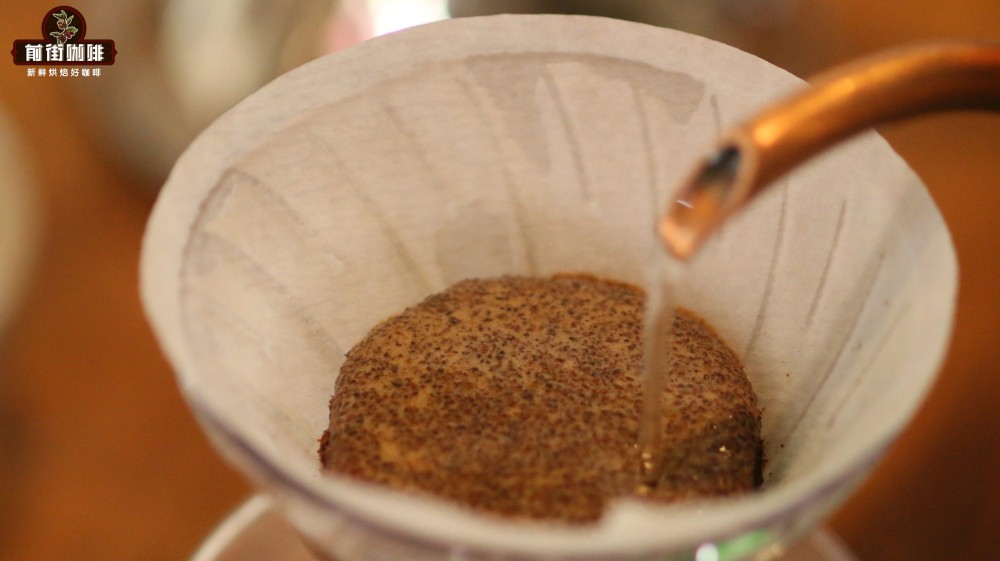
Dripper: Hario V60, Water Temperature: 90°C, Coffee Amount: 15g, Coffee-to-Water Ratio: 1:15, Grind Size: Medium-fine (Chinese standard 20-mesh sieve, 80% pass rate)

Mozart Coffee Flavor: The wet aroma shows osmanthus and fermentation notes. The entry is complex, with floral and fermented sauce-like aromas, raisin and dried-fruit sweetness, starfruit and berry acidity, and a sugarcane aftertaste.
Coffee beans processed with special methods are indeed sweeter than regular washed and natural coffees, while also carrying heavier fermentation notes. With the rise of specialty coffee, the emergence of various processing methods is only natural. Honduras's whiskey-barrel-processed Sherry coffee is one of FrontStreet Coffee's popular beans. Of course, Ethiopian washed and natural coffees are loved by many too, especially washed Yirgacheffe with its fresh jasmine aroma, bright lemon acidity, and berry notes. As the saying goes, each person has their own taste. Different regions produce different flavors, and FrontStreet Coffee offers over fifty different single-origin coffees from various regions for you to experiment with and experience different coffee flavors.
FrontStreet Coffee Recommendation
If Mozart's special processing is what drew you in, it is worth stepping back to where those flavor families begin: Ethiopia. FrontStreet Coffee's washed Yirgacheffe is the classic starting point, with white jasmine blossom, bright citrus and lemon acidity, and a light, tea-like body that finishes clean. Its Gudingding co-op lot, from the Woka area at Yirgacheffe's southeastern edge, sharpens that profile with extra citrus and lemon lift and delicate white florals, and is one of the most forgiving single origins for anyone new to pour-over.
Natural lots show the sweeter, more fermented side of Ethiopia. FrontStreet's sun-dried Red Cherry uses only fully ripe red cherries dried on raised beds, landing on peach, cocoa, honey, and lemon, while the sun-dried Hamesu from Sidamo is built on the compact 74158 variety and shows perfumed lemon, strawberry, and starfruit sweetness ahead of a soft floral lift. Huakui, from the Hambella area of Guji Sidamo and dried on raised beds for 21 days, brings light fermentation wine, florals, citrus, and mango, with dense honeyed sweetness and a long finish.
For a cup with a gentler, more tea-like profile, FrontStreet's Kafa Forest coffee comes from wild trees shade-grown at 1,400-2,100 meters. Light-medium roasted, it shows clear white florals on the grind, bright lemon acidity in the cup, and sweet orange and bergamot, with a green-tea texture and a gentle melon-and-nut finish — a fine counterpoint to the heavier, more fermented special-process coffees.
Important Notice :
FrontStreet Coffee is a long-established specialty coffee roaster in Guangzhou China, selling freshly roasted beans from its own farm in Yunnan as well as dozens of carefully selected single-origin beans from around the world for both pour-over and espresso. The products deliver consistently excellent quality and great value, with shipping within 24 hours. Guangzhou's FrontStreet Coffee shop is recommended by many coffee lovers, and the beans are now available online at the Tmall 。
FrontStreet Coffee has moved to a new address:
FrontStreet Coffee Address: 315,Donghua East Road,GuangZhou
Tel:020 38364473
 Scan and follow the En Gafei WeChat official account. Please indicate that the reprint comes from "En Gafei".