Musician Series Mozart Coffee Beans Flavor Profile - Introduction to Honey Processing Characteristics of Mozart Coffee Beans
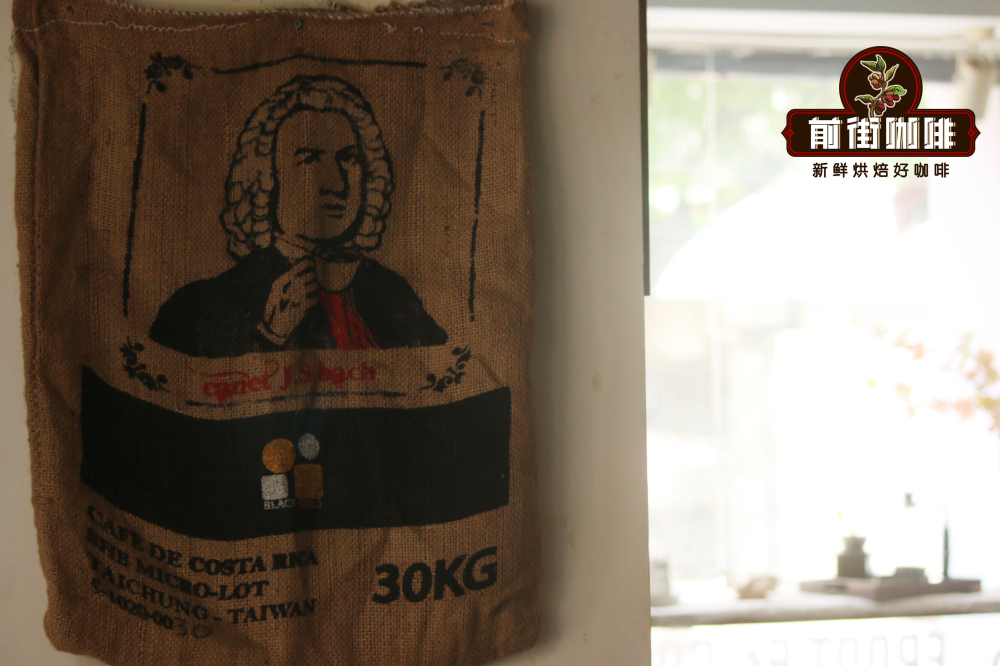
Costa Rican coffee is generally known for being "sweet as honey," and among FrontStreet Coffee's selections the Costa Rican Musician Series embodies that quality perfectly. The Musician Series is so renowned that even newcomers to specialty coffee have likely heard of it, and FrontStreet Coffee's Mozart is particularly famous. Before introducing this bean, FrontStreet Coffee needs to set the scene, as usual.
FrontStreet Coffee's menu offers a diverse range of beans, which often causes "choice paralysis" for customers. Each bean has its own character, and Costa Rica's Musician Series is no exception. The series originates from Canet in the Tarrazú region of Costa Rica. Canet was originally a coffee cherry collection station for its area, but today it is a local processing facility for Taiwan's Black Gold coffee brand. Black Gold applies different processing methods in small batches according to each producing region's terroir, presenting coffee lovers with distinctive regional flavors.
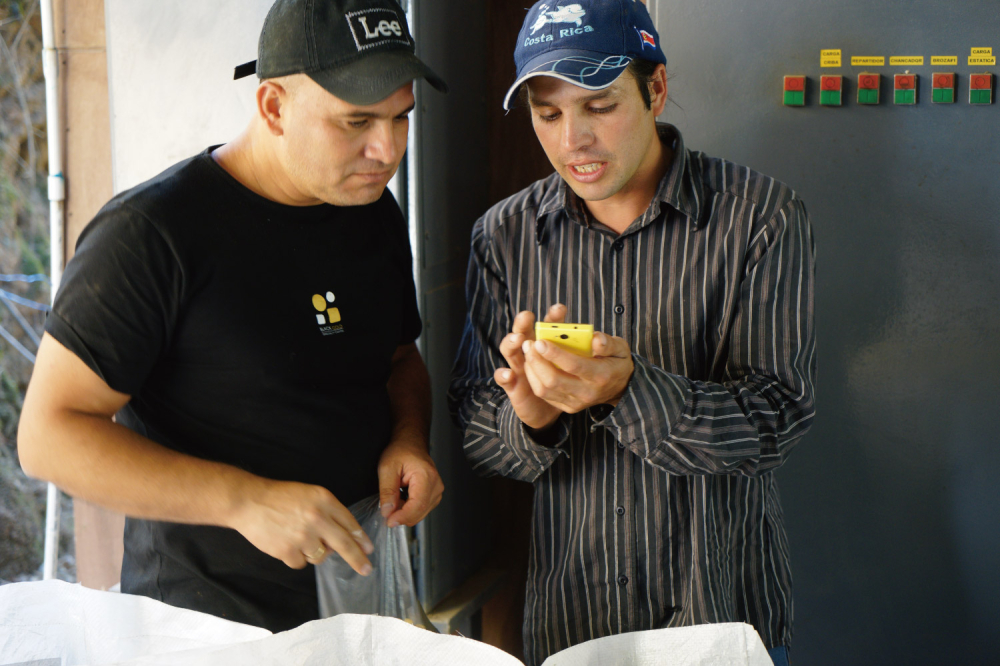
Canet sits in the highest coffee-growing area of Costa Rica's Tarrazú region. This is the most densely populated fruit-growing region in Costa Rica, dominated by passion fruit. Coffee is relatively scarce here, grown only in specific plots and tended with special care. During harvest season, farmers return from all directions to their hometowns and get busy picking coffee cherries. After picking ripe cherries, they sell them bucket by bucket to the Canet processing station. When the season ends, they scatter again, each working hard to supplement a modest income.
The Origin of the Musician Series Names
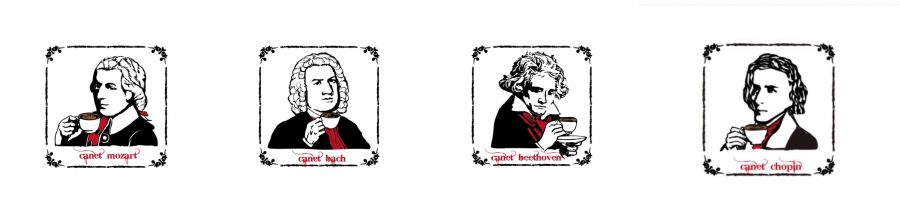
The naming comes from the fact that Canet's manager is passionate about classical music. Tasting a coffee, the manager associates its character with a musician, producing names such as Bach, Beethoven, Mozart, and Chopin. Some newcomers visiting FrontStreet Coffee stores are taken aback when they see the name Mozart and ask the baristas whether FrontStreet Coffee invented it. As the story shows, it is called "Mozart" because tasting this coffee reminded Canet's manager of Mozart's magnificent compositions and musical talent.
FrontStreet Coffee's Mozart is delightfully sweet and sour, composed of the Caturra and Catuai varieties. Caturra is a natural mutation of Bourbon, suited to cultivation between 700 and 1,700 meters; grown at higher altitudes it tastes superior, with excellent sweetness, acidity, and aroma and a bright mouthfeel. Catuai was artificially hybridized by the São Paulo State Agricultural Institute (IAC) in Brazil from Mundo Novo and Yellow Caturra. It offers superior acidity, a clean mouthfeel, and rich fruit aromatics. Blending the two brings a very pleasant fruit sweetness and acidity to FrontStreet Coffee's Mozart.

FrontStreet Coffee Costa Rica Musician Series Mozart
Region: Costa Rica Tarrazú
Estate: Canet
Altitude: 1980 meters
Grade: SHB
Variety: Caturra, Catuai
Processing Method: Raisin Honey
Everyone who tastes FrontStreet Coffee's Mozart marvels at its prominent sweetness, and that comes from the raisin honey process. Selected cherries are spread evenly on drying beds for sun drying. Once they have dried to a raisin-like state, pulping begins, followed by a final sun drying.
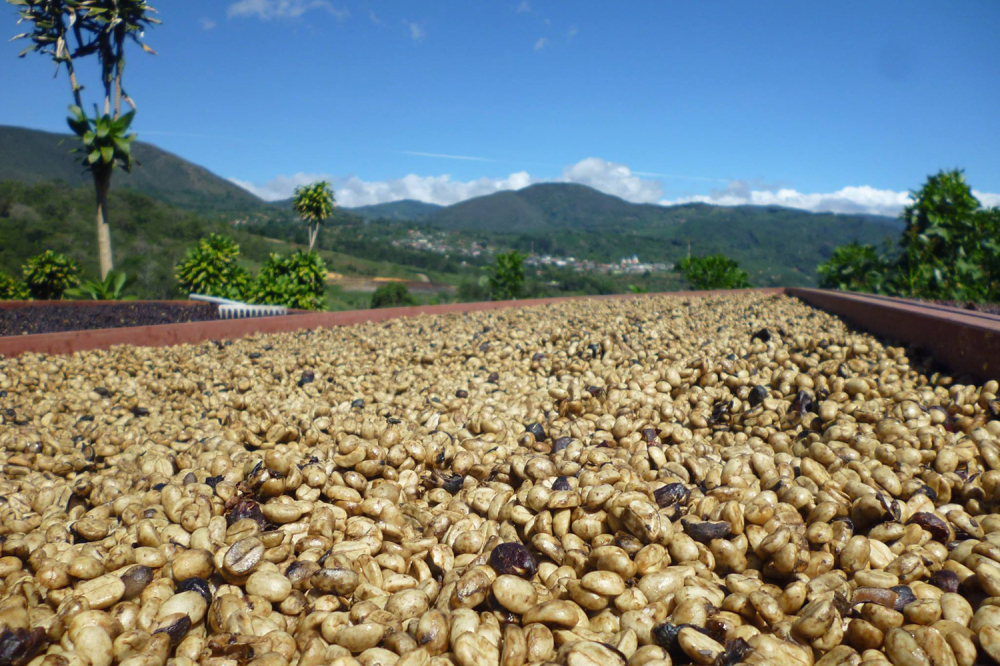
Raisin honey processing is essentially a double-fermentation honey process. The whole cherries are dried first to remove some moisture from the fruit, then the skin is removed while 100% of the mucilage is preserved for honey fermentation, producing more intense fermentation notes. Because it keeps more mucilage than other honey processes, it delivers more prominent sweetness and a fuller mouthfeel. Coffee made this way shows a white-wine-like mouthfeel and balanced acidity, with intense fermentation notes and evident sweetness.
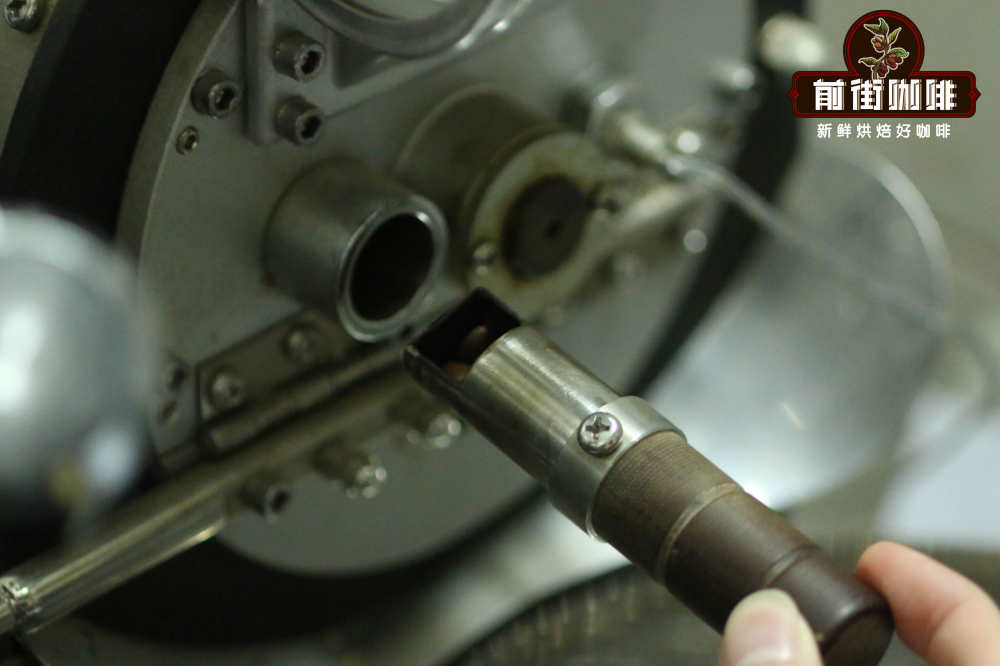
Some customers wonder why everyone calls it Mozart but other shops' versions differ from FrontStreet Coffee's. That comes down to differences in roasting style and roasting curves, which subtly shift the flavors each roaster aims to highlight. When FrontStreet Coffee's roasters work with this exceptionally sweet, fruit-forward bean, they use a medium roast to preserve those qualities while emphasizing the full mouthfeel.
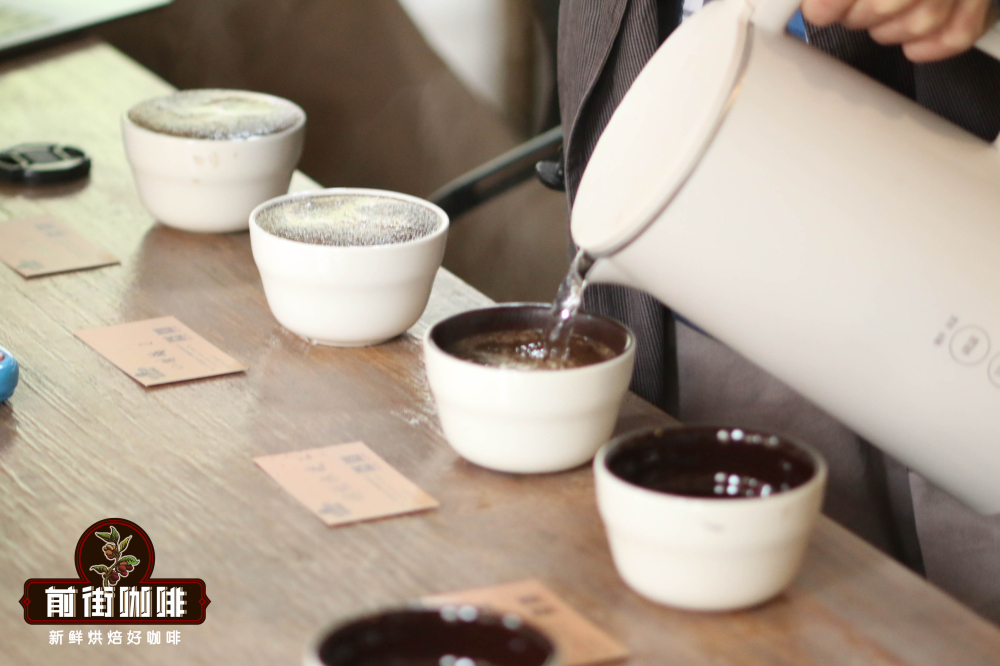
After receiving samples of the roasted FrontStreet Mozart, FrontStreet Coffee's baristas cup them within 8 to 24 hours of roasting. FrontStreet Coffee follows SCAA standards: grind size controlled for a 70-75% pass-through rate on a Chinese #20 standard sieve, water TDS around 150ppm, water temperature of 94°C, 200ml of hot water, 11g of coffee grounds, a coffee-to-water ratio of 1:18.18, and a 4-minute immersion. This yields a concentration within the 1.15%-1.35% Golden Cup range.
Cupping this FrontStreet Costa Rica Mozart, the first impression is of complex floral notes and fermented sauce-like aromas, with sweetness reminiscent of raisins and preserved fruits, starfruit and berry acidity, a sugarcane-like sweet aftertaste, and a full mouthfeel much like a glass of juice.
Brewing Recommendations
When brewing FrontStreet Coffee's Mozart, FrontStreet Coffee uses hot water at 91°C to speed the dissolution of coffee compounds, a medium-fine grind to increase the contact area between particles and water, and a Hario V60 to keep the flow rate up and avoid the bitterness of over-extraction.
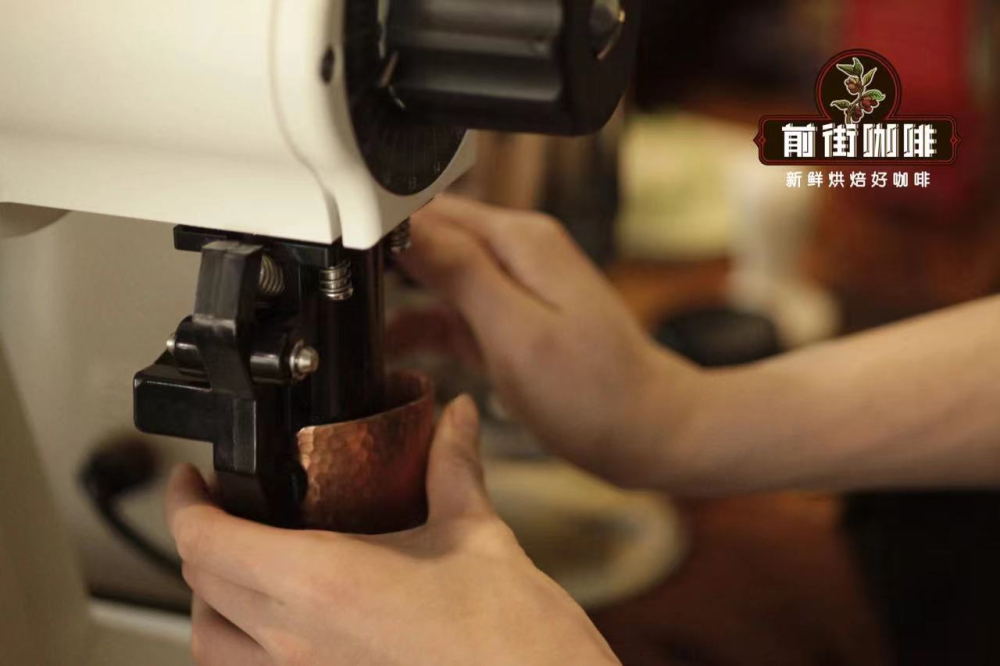
FrontStreet Coffee understands that some customers don't have a grinder at home and offers a grinding service. Once ground, however, the particles degas faster, flavor compounds evaporate easily, and the optimal tasting window shrinks considerably. FrontStreet Coffee therefore recommends that customers with a grinder grind fresh and brew immediately for the best flavor.
Dripper: Hario V60
Water Temperature: 91°C
Coffee Amount: 15g
Coffee-to-Water Ratio: 1:15
Grind Size: 80% pass-through rate on a Chinese #20 standard sieve
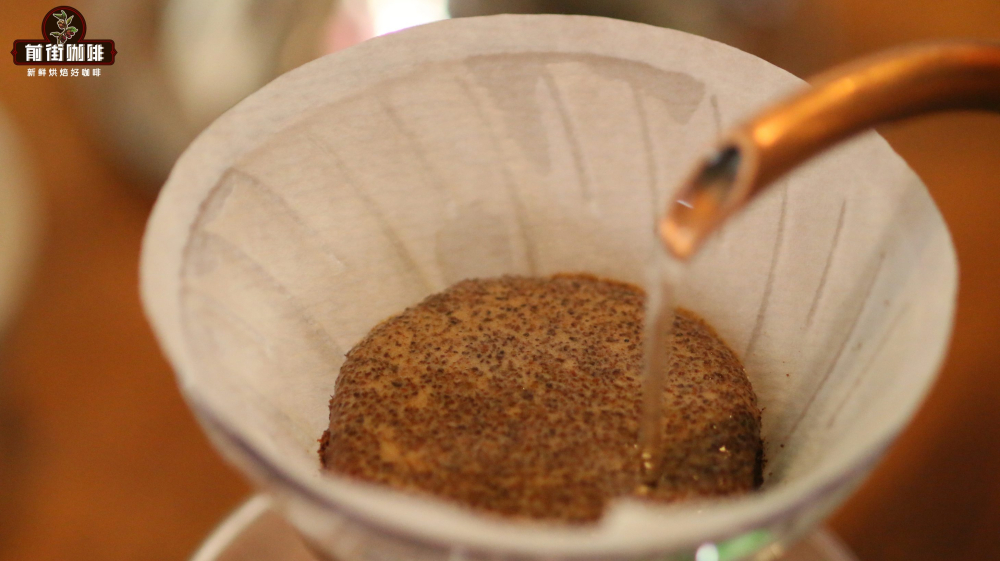
First, pour 30g of hot water and let the coffee bloom for 30 seconds. Then, starting from the center, pour in a fine stream while slowly circling to 125g. When the water level in the dripper drops to just below the coffee bed, continue circling to 225g. Total extraction time should be about 2 minutes.
The bloom lets carbon dioxide escape from the beans so the flavor expresses itself more steadily. With freshly roasted beans you should see the coffee bed expand during the bloom. FrontStreet Coffee delivers beans within 5 days of roasting; by the time they arrive they have already gone through a 4-7 day degassing period, so customers receive them at their best.
So, with such a prominently sweet bean in front of you, are you tempted? Rather than wait, the surest reward comes from simply brewing it yourself.
FrontStreet Coffee Recommendation
To explore how far the honey family can go, try FrontStreet Coffee's Costa Rica Blackberry, which uses a distinctive black honey process that removes almost none of the mucilage. Drying lasts at least 2 weeks under cover to keep the sugars converting slowly, and the roast is light-to-medium, so grinding the beans releases an intense floral aroma and the cup shows grape, berry, and ripe blackberry flavors.
For the raisin honey method featured in this article, FrontStreet Coffee's Costa Rica Mozart is the direct choice: whether you brew it as pour-over, cold brew, or in a moka pot, you can taste the distinctive osmanthus, pineapple, and raisin aromas that the process is known for.
Important Notice :
FrontStreet Coffee is a long-established specialty coffee roaster in Guangzhou China, selling freshly roasted beans from its own farm in Yunnan as well as dozens of carefully selected single-origin beans from around the world for both pour-over and espresso. The products deliver consistently excellent quality and great value, with shipping within 24 hours. Guangzhou's FrontStreet Coffee shop is recommended by many coffee lovers, and the beans are now available online at the Tmall 。
FrontStreet Coffee has moved to a new address:
FrontStreet Coffee Address: 315,Donghua East Road,GuangZhou
Tel:020 38364473
 Scan and follow the En Gafei WeChat official account. Please indicate that the reprint comes from "En Gafei".