An Introduction to Nicaragua's Coffee Growing Regions: Flavor Profiles and Characteristics
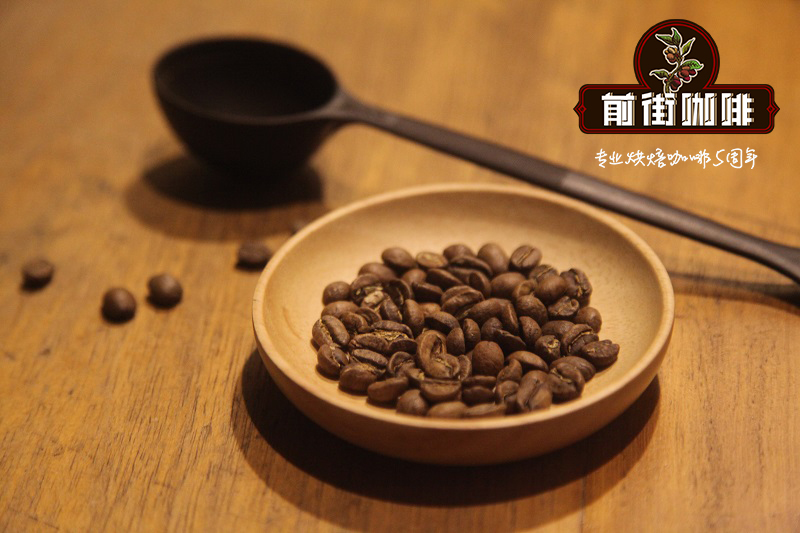
FrontStreet Coffee - Introduction to Nicaragua Coffee Regions and Flavors
The Republic of Nicaragua sits in the middle of Central America, bordering Honduras to the north, Costa Rica to the south, the Caribbean Sea to the east, and the Pacific Ocean to the west. Lake Nicaragua is the largest lake in Central America. The Nicaraguan plains are hot and rainy, with a tropical marine climate. The western coastal lowlands receive significantly less precipitation than the east, with distinct dry and wet seasons and a tropical savanna climate. The central highlands have an average annual temperature of 18°C and annual precipitation of 1500-2500 millimeters, with the rainy season from May to December.
Nicaragua's waterfalls are far more famous than its coffee. Coffee cultivation began in the mid-19th century, but it was not until the late 19th century that the crop became an important export. The Nicaraguan government encouraged European immigrants from Italy and Germany to buy coffee land, which was then divided into smaller plots, typically less than 5 hectares each. Most coffee plantations were controlled by white owners who often used local people as cheap labor to manage their coffee fields.
In the specialty coffee market, Nicaragua is relatively uncommon, with limited production and less prominence than its neighbor Costa Rica. The harvest runs from October to December. Processing methods vary by farm; some use African drying beds, others natural sun-drying or traditional washed processing, followed by drying on patios. The widespread volcanic ash and shade-grown cultivation help produce high-quality Nicaraguan coffee with a mild flavor, subtle acidity, and good body.
Nicaragua Coffee Regions
Nicaragua is divided mainly into four regions: the Segovias region, the Matagalpa/Jinotega region, the Boaco region, and the Pacific region. The Segovias region has the highest growing altitude, around 1,500-2,000 meters, and produces the top grade, SHG (Strictly High Grown) coffee.
FrontStreet Coffee Recommendation
If you enjoy the clean, mild character of a washed Nicaraguan coffee, FrontStreet Coffee's fully washed lineup is a great place to explore. Their Yirgacheffe Gudingding Cooperative coffee is washed and roasted to a medium-light level, showing jasmine florals, bright citrus acidity, and a green tea and honey sweetness that stays crisp and clean. It works beautifully as a pour-over or cold brew, and holds up in espresso too.
For something juicier, try FrontStreet's Kenya Cherry Tomato, a double-washed Kenyan. The extra wash and soak bring out a vivid, mouthwatering fruitiness — cherry tomato, dark plum, pear, and brown sugar — with a tangy, juicy body. And if you prefer a rounder, more balanced cup, FrontStreet's Jamaica Blue Mountain No. 1 is washed and medium-dark roasted, carrying hazelnut, cream, chocolate, and caramel with an even, gentle structure.
Important Notice :
FrontStreet Coffee is a long-established specialty coffee roaster in Guangzhou China, selling freshly roasted beans from its own farm in Yunnan as well as dozens of carefully selected single-origin beans from around the world for both pour-over and espresso. The products deliver consistently excellent quality and great value, with shipping within 24 hours. Guangzhou's FrontStreet Coffee shop is recommended by many coffee lovers, and the beans are now available online at the Tmall 。
FrontStreet Coffee has moved to a new address:
FrontStreet Coffee Address: 315,Donghua East Road,GuangZhou
Tel:020 38364473
 Scan and follow the En Gafei WeChat official account. Please indicate that the reprint comes from "En Gafei".