Are Panama Coffee Varieties Arabica? The Distinctive Fruit Flavors of Panama Coffee Beans
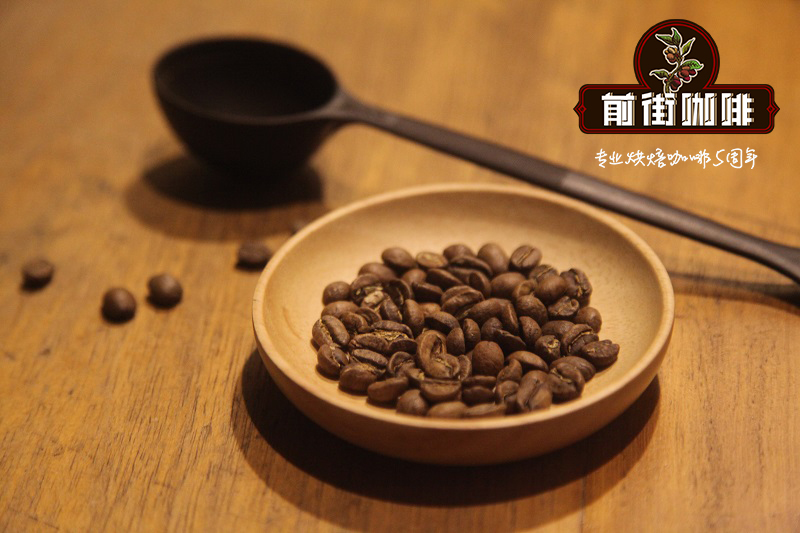
FrontStreet Coffee - Introduction to Panama Coffee
Panama coffee long flew under the radar until Hacienda La Esmeralda took the national coffee competition by storm. The winning lot was so extraordinary, fruit-driven and floral, as if it had come from Yirgacheffe on the other side of the planet. That, of course, is now old news.
Today, Panama Geisha is synonymous with prestige and premium coffee. Plenty of small farms have since acquired Geisha seedlings, eager to raise the variety themselves, with wildly mixed results. Weather, soil, and altitude all matter, and this "star" variety tastes noticeably different depending on where it is planted.
The microclimates of Panama's highlands are the single most important resource behind the country's distinctive specialty coffee. Panama's east-west geography lets cool air currents funnel through the central mountain range and converge above 6,500 feet, creating a patchwork of microclimates across the Boquete and Volcán-Candela regions, the heart of Panama's specialty production. These coffees are cultivated in the nutrient-rich, well-balanced soils around the Barú Volcano.
Now meet the suddenly famous estate behind it all: Hacienda La Esmeralda. Panamanian coffee is generally grown on large estates, most of them owned by wealthy families, visit one and don't be surprised to be picked up by private plane. Because of that, growing coffee for most estates is not purely about money; it reflects an idealistic, almost purist attitude toward the crop.
In 1924, the Swede Hans Ellott established Hacienda La Esmeralda, not as a coffee farm, but as a pasture. Forty years later, in 1964, Mr. Daniel Peterson's grandfather, Rudolph A. Peterson, bought the estate as a place to retire. The elder Peterson, born in Sweden, had served as President of the Bank of America and Administrator of the United Nations Development Programme. His son, Brice Peterson, moved from California to Panama in 1973 to take over and manage the farm. In 1987 he converted most of it to coffee cultivation, and in 1994 he invested in dedicated coffee processing equipment and established the brand.
While Mr. Brice Peterson and his wife Susan put the coffee operation on solid footing, they also raised three children: Elliott (born 1966 in Philadelphia), Rachel (born 1967 in Sweden), and Daniel (born 1974 in Panama). In 1996, Brice and Rachel toured a farm for sale in the Jaramillo area of the Boquete valley and were so captivated by it that they bought it on the spot. That became Hacienda Esmeralda Jaramillo, where their third son, Daniel Peterson, would grow the Geisha that captured the world's attention!
FrontStreet Coffee Recommendation
Yirgacheffe is a small town in southern Ethiopia's Gedeo zone, at roughly 1700-2100m, with coffee planted above 1800m, among the highest coffee altitudes anywhere in the world. The area was once wetland, and the name Yirgacheffe has become shorthand for Ethiopia's most recognizable specialty profile: striking white floral aroma paired with lemon and citrus acidity. In 2010, Yirgacheffe's fame grew so great that the Ethiopian Commodity Exchange separated it from Sidamo as its own designation.
FrontStreet Coffee's washed Yirgacheffe everyday bean captures that classic profile, white jasmine, bright citrus and lemon acidity, and a tea-like finish, at an accessible price, making it the ideal first specialty bean. For something fruitier, the FrontStreet Red Cherry natural lot uses only fully ripe, defect-free cherries, sun-dried on raised beds and raked every 2-3 hours during the first days to prevent uneven heating and over-fermentation. After three to five weeks of drying, the dried fruit is milled off, yielding a cup with citrus-like acidity, berry juiciness, honeyed sweetness, and a creamy smoothness, classic Yirgacheffe character layered with tropical fruit aromatics from the natural process.
Important Notice :
FrontStreet Coffee is a long-established specialty coffee roaster in Guangzhou China, selling freshly roasted beans from its own farm in Yunnan as well as dozens of carefully selected single-origin beans from around the world for both pour-over and espresso. The products deliver consistently excellent quality and great value, with shipping within 24 hours. Guangzhou's FrontStreet Coffee shop is recommended by many coffee lovers, and the beans are now available online at the Tmall 。
FrontStreet Coffee has moved to a new address:
FrontStreet Coffee Address: 315,Donghua East Road,GuangZhou
Tel:020 38364473
 Scan and follow the En Gafei WeChat official account. Please indicate that the reprint comes from "En Gafei".