How to Brew Colombian Coffee Beans: Detailed Pour-Over Tutorial with Water Ratio, Temperature, Grind Size, and Time
The Distinctive Characteristics of Colombian Coffee
The greatest characteristic of Colombian coffee is its stylistic diversity. If we draw a comparison with wine, it is like the Champagne region, where large producers and small farmers coexist: there are both standardized, stable styles and interesting, varied small-batch stars. Overall, Colombian coffee has a fresh style with rich fruity aromas.
Before 2008, although Colombia was the world's third-largest coffee producer, it remained relatively unknown and failed to capture the attention of the specialty coffee market. Then in 2008 a volcano erupted in the southern province of Huila, and the beans from that area gained immense fame; many Colombian estates have frequently won awards at coffee competitions ever since.

This transformation happened because coffee flavor depends not only on the genetic variety itself, but even more on whether the plant's root system is strong enough and whether the soil holds enough nutrients to feed the coffee plants. Volcanic soil comes from volcanic lava and ash and is rich in key nutrients such as iron, calcium, magnesium, sodium, potassium, phosphorus, sulfur, silicon and other trace elements. This rich combination acts as a growth stimulant for plants and is key to coffee developing more refined flavors.
Areas with more volcanic ash have fertile soil, so Colombia's specialty coffee regions are mainly concentrated in the south of the country. At altitudes above 1500 meters, these include San Augustin in Huila, Popayan in Cauca, Narino, and Tolima.
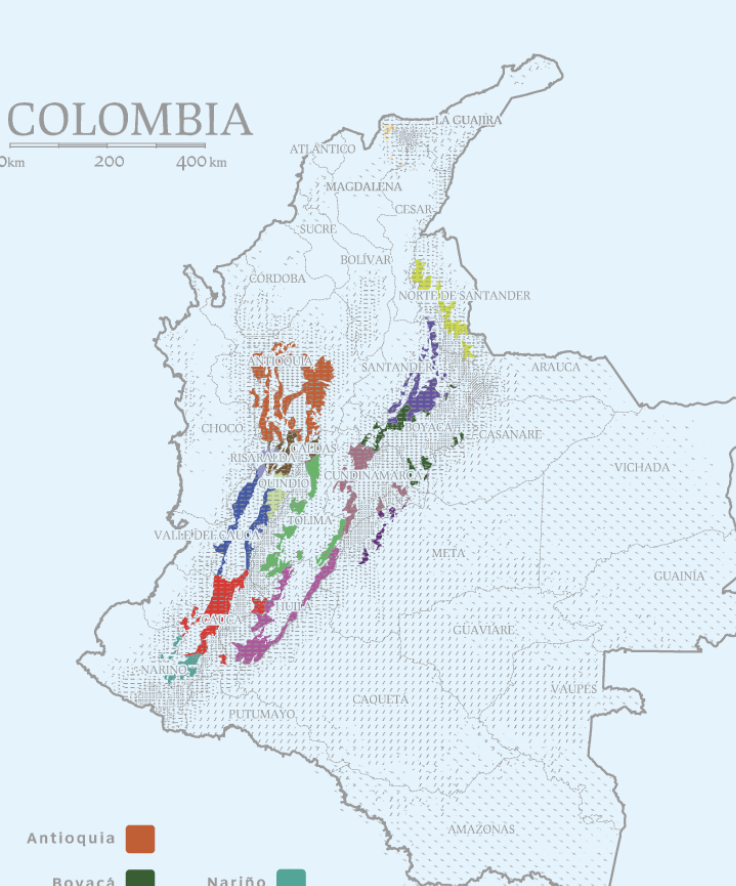
Besides sitting in the Huila province area, these growing regions lie closer to the equator, and most coffee grows in high-altitude mountainous terrain. The quality here is superior: the coffee has not only distinct acidity but also unique floral and fruit flavors. As a result, coffee from the southern growing regions is preferred by many coffee enthusiasts.
Through cupping comparisons, FrontStreet Coffee has found that coffee from these regions consistently shows refined acidic aromas and berry-like sweetness, with caramel notes and full sweetness. Whether traditional processing methods or the increasingly popular anaerobic methods are used, the beans can express these unique regional flavor characteristics.
FrontStreet Coffee's Colombian Selection
FrontStreet Coffee currently offers four varieties of coffee beans from Colombia's specialty coffee regions, all roasted to a medium degree. The goal is to enhance the rich, full-bodied texture while preserving the gentle acidity and distinct sweetness of Colombian beans. Every order shipped from FrontStreet Coffee is dispatched within 5 days of roasting, ensuring 100% freshly roasted beans.
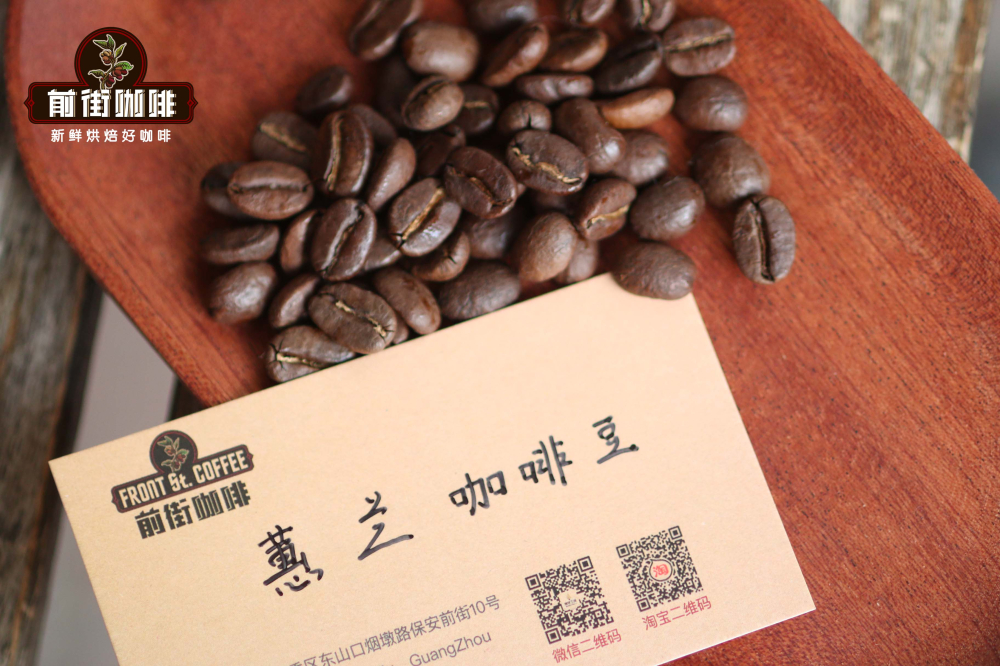
One variety is Caturra grown at 1500-1800m altitude in the Huila region, processed using the washed method. Washed "Huila Coffee Beans" have a cleaner taste and show the purest flavor of the beans themselves most directly. This bean carries the excellent signature traits of the Huila region: gentle fruit acidity, nuts, dark chocolate and caramel.
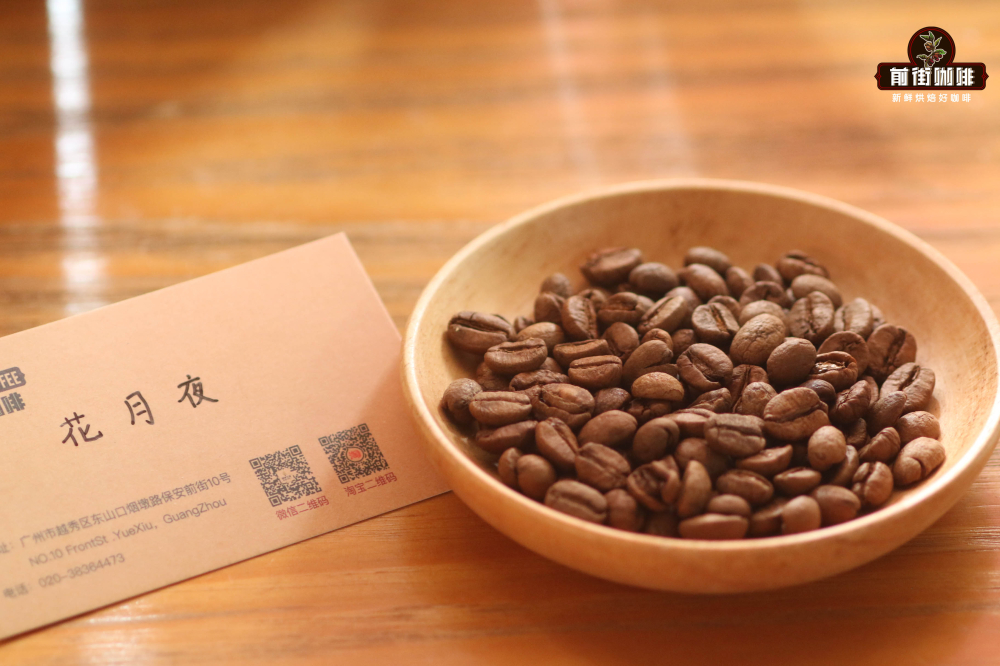
Another variety is Caturra grown at 1800m altitude in the Huila region, using anaerobic natural processing for the "Flower Moon Night Coffee Beans." The anaerobic natural steps boost the coffee's fermented aroma, giving this bean a fermented fragrance like strawberry wine or jam, along with a caramel chocolate aftertaste.
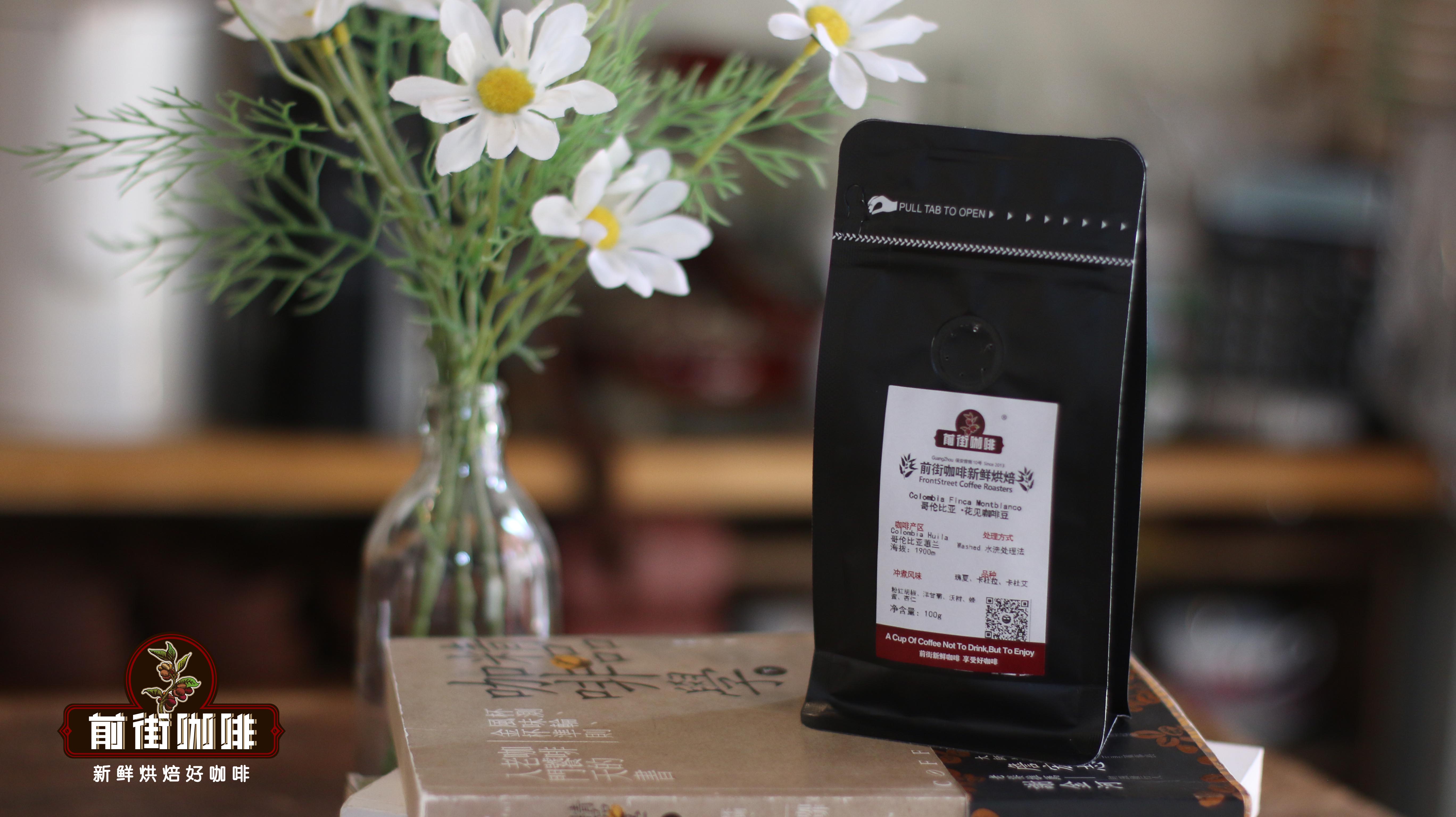
Another variety is the "Hanami Coffee Beans" from Montblanc Estate in the Huila region, grown at 1900m altitude, a blend of Caturra, Catuai and Geisha, processed using the washed method. The flavors show captivating chamomile, playful pink pepper spiciness, honey-like sweetness and an almond-like aftertaste.
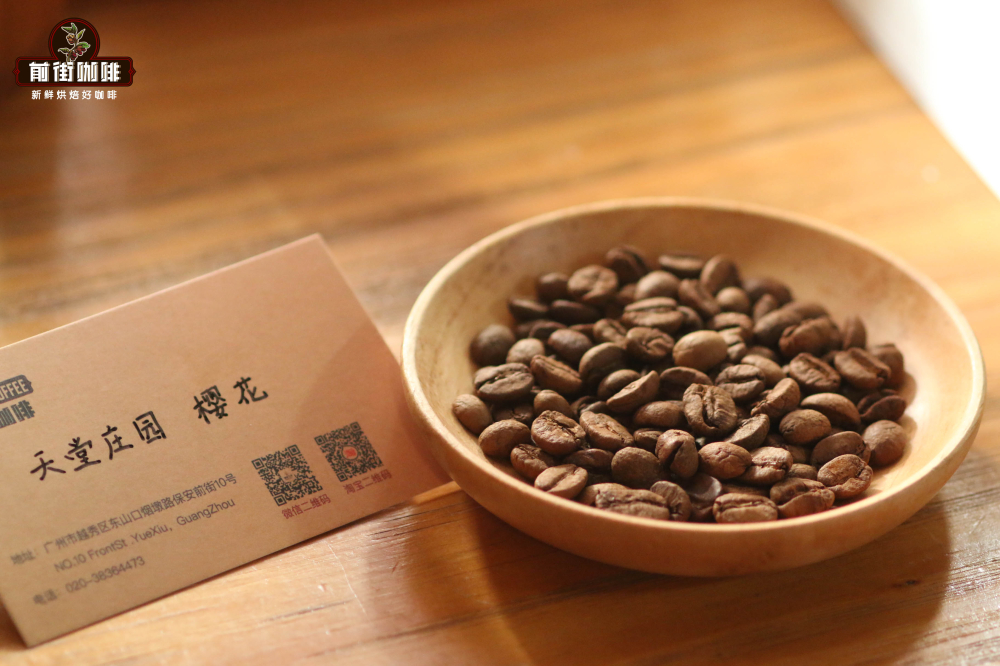
Another variety is the "Sakura Coffee Beans" from Paradise Estate in the Cauca region, grown at 2050m altitude with the Castillo variety, processed using the double anaerobic washed method. The flavors show mugwort, berries, fermented aroma, spices and strawberry jam.
How to Brew Medium Roast Colombian Coffee Beans
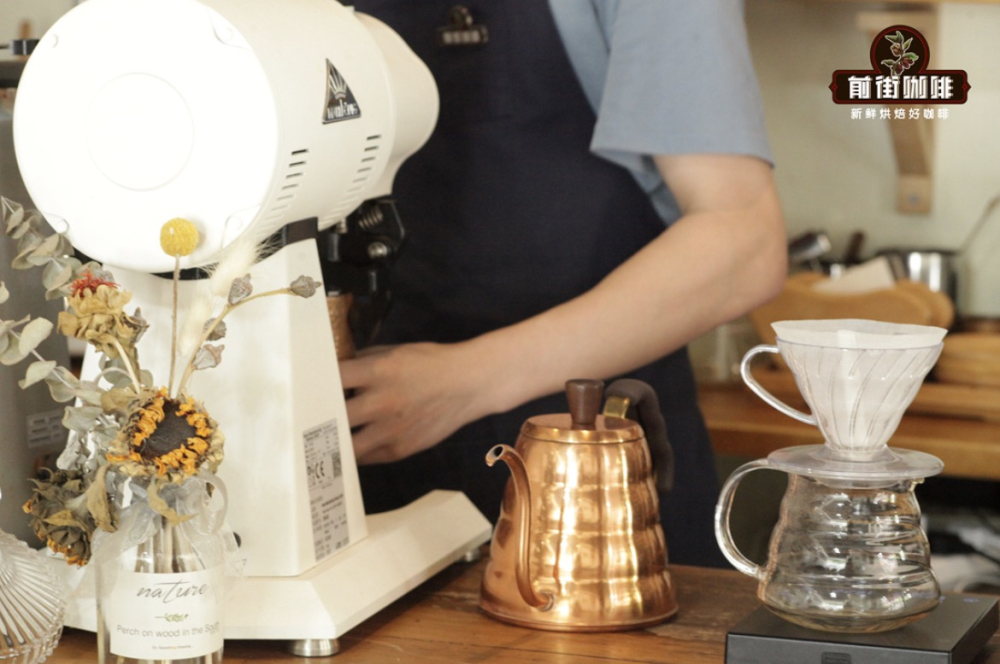
First, prepare freshly roasted coffee beans, a coffee grinder, a pour-over kettle, a thermometer, a scale with a timer, filtered water, a V60 dripper, filter paper, a server, and an electric kettle to boil water.
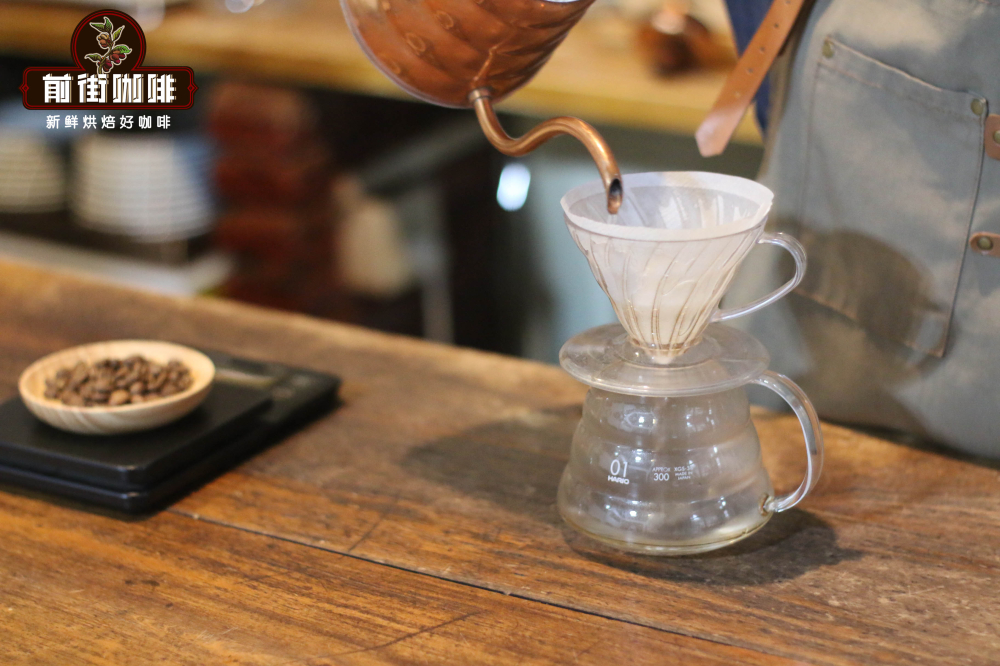
1. Fold the filter paper and place it in the V60 dripper, then pour hot water evenly over the paper to moisten it completely so it clings to the dripper wall. (Wetting the filter paper cleans it, removes paper taste and warms the utensils.)
2. Measure the beans: weigh 15g of coffee beans, then pour them into the grinder and set the desired grind size. Because medium roast beans lose density during roasting as they expand with heat, soluble substances in the coffee extract more easily. FrontStreet Coffee therefore recommends a medium grind for brewing medium roast Colombian beans, similar to the coarseness of white sugar (75% of particles passing through a China No. 20 standard sieve).
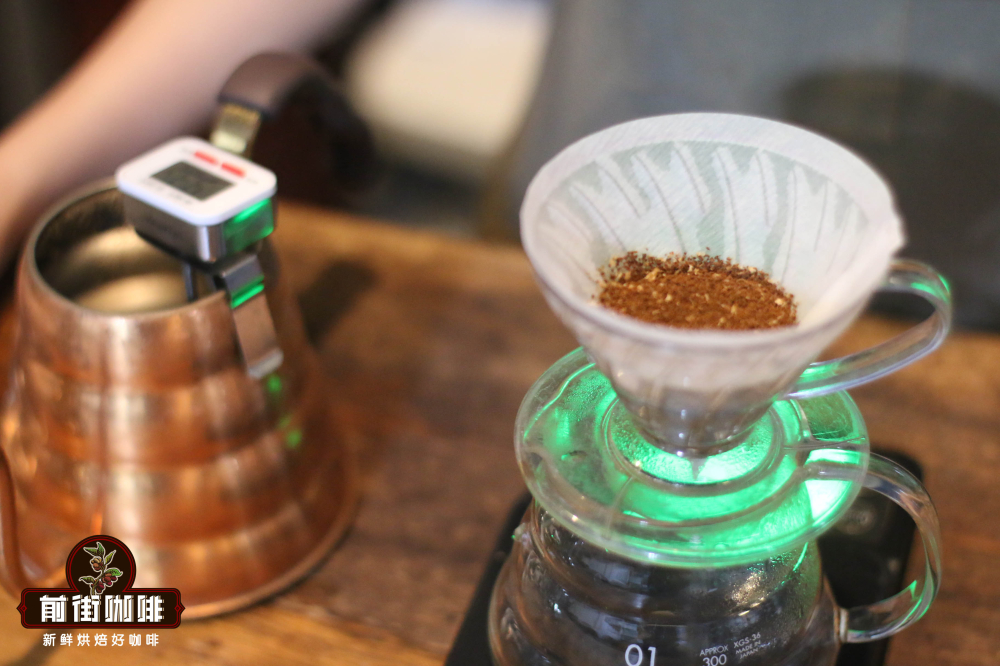
3. Add the grounds: pour the ground coffee into the dripper and gently shake to level it.
4. Then prepare a pot of hot water, pour it into the pour-over kettle, and let it cool to 90-91°C before brewing. For a more balanced flavor, FrontStreet Coffee recommends a 1:15 coffee-to-water ratio, meaning 15g of grounds to 225g of water.
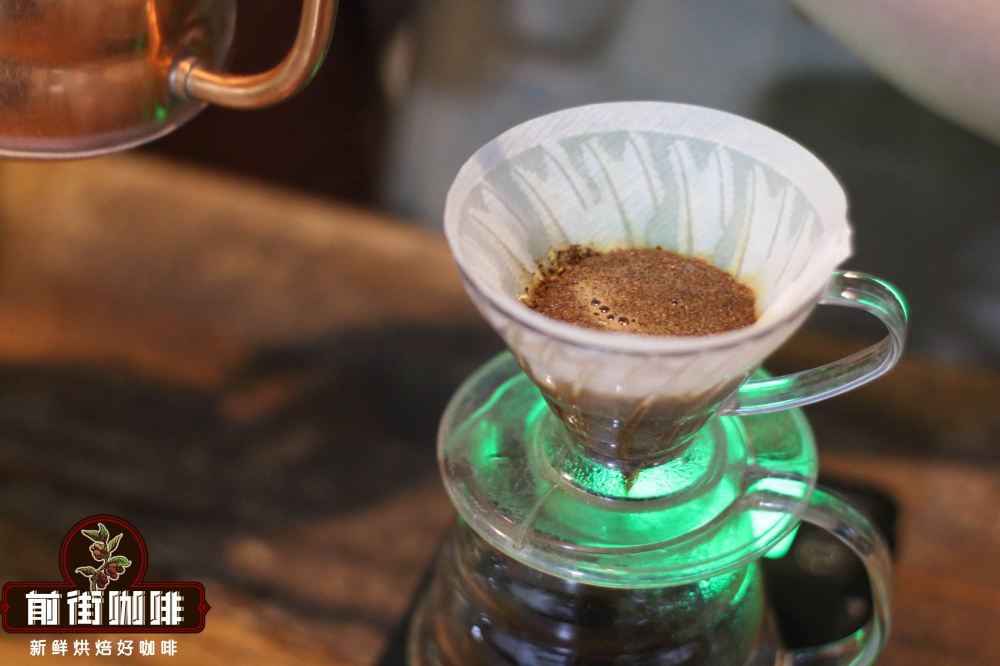
5. Start the timer, wet the coffee bed with twice the weight of the grounds to form a dome, and let it bloom for 30 seconds. Then use a small stream to pour in circles from the inside out until you reach 125g, and pause. When the coffee bed drops to half the height of the dripper, continue with the same fine stream for a third pour up to 225g, until all the coffee liquid has filtered through; then remove the dripper. The total time should be about 2 minutes.
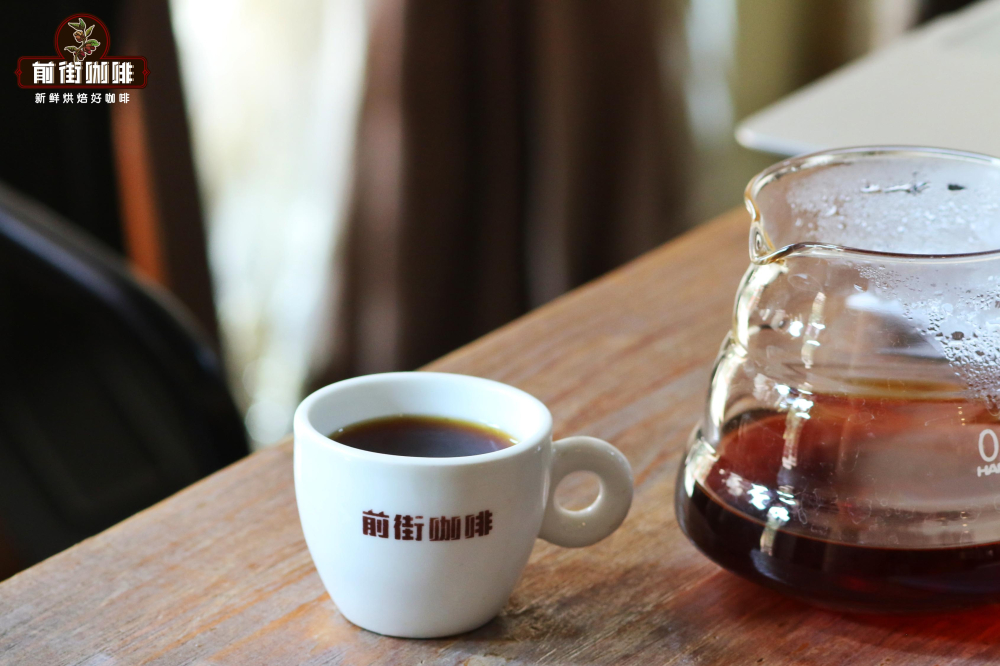
6. Once brewing is complete, gently swirl so the coffee mixes thoroughly, pour it into a warmed cup, and a fragrant pour-over is ready. You can add sugar or milk to taste.
FrontStreet Coffee Recommendation
If this guide has you curious about Colombian coffee, FrontStreet Colombia Huila is the clearest place to start. This washed Caturra comes from the Huila region above 1500 meters, roasted medium-dark to bring out dark chocolate and the sweet savor of nuts, with moderate oils and a full, mellow body. It is forgiving across brewers, working in a pour-over or French press and just as well in a moka pot or espresso machine for an Americano or latte, so it suits anyone chasing the classic Colombian profile. For a more modern, fruit-forward take, FrontStreet Colombia Frontera Sidra is processed as an anaerobic natural and roasted medium-light, opening into passion fruit, grape, apricot and dried fruit with a complex, concentrated sweetness; try it as pour-over, cold brew, drip bag or moka pot coffee.
If you own a home espresso machine or a moka pot, FrontStreet Signature Blend is built for milk drinks, combining the creamy nut aroma of Brazilian coffee with the dark chocolate bittersweetness of Colombian coffee. It pulls a fine golden crema and stays rich and smooth in a latte, and it also works as the base for an Americano, cappuccino or mocha.
Important Notice :
FrontStreet Coffee is a long-established specialty coffee roaster in Guangzhou China, selling freshly roasted beans from its own farm in Yunnan as well as dozens of carefully selected single-origin beans from around the world for both pour-over and espresso. The products deliver consistently excellent quality and great value, with shipping within 24 hours. Guangzhou's FrontStreet Coffee shop is recommended by many coffee lovers, and the beans are now available online at the Tmall 。
FrontStreet Coffee has moved to a new address:
FrontStreet Coffee Address: 315,Donghua East Road,GuangZhou
Tel:020 38364473
 Scan and follow the En Gafei WeChat official account. Please indicate that the reprint comes from "En Gafei".