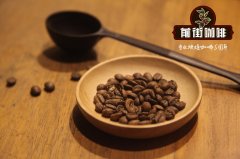
Golden Mandheling Flavor Description: Rich, Robust, and Full-Bodied
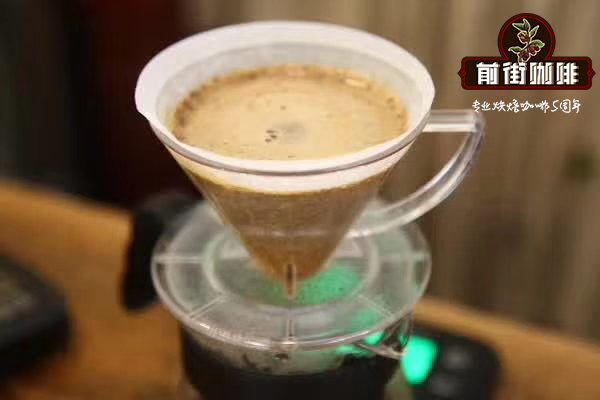
FrontStreet Coffee: Golden Mandheling
Golden Mandheling
Golden Mandheling is produced by a company called Pwani Coffee Company in Indonesia, which buys Mandheling beans locally and selects them strictly before granting the name Golden Mandheling. The company later registered the name, so only the Mandheling it produces can be considered genuine Golden Mandheling.
Golden Mandheling comes from the Lintong region of northern Sumatra, Indonesia. Harvesting is limited to the manual picking of fully ripe single cherries, which secures quality from the first step. The cherries are processed using the semi-washed method, naturally sun-dried, then hulled and given another drying refinement pass, two green bean cleaning operations, and four hand-pick selection stages. It can fairly be described as a strictly selected premium Mandheling.
The "PWN" marking on Golden Mandheling is an abbreviation of the Indonesian Pawani company, whose Golden Mandheling coffee has been registered in Indonesia.
Wet-hulling, also called Wet Hulling or Giling Basah in the local language, is a traditional Indonesian processing method. Despite the name sounding similar to wet processing, the cupping flavors of the two methods are completely different. Coffee processed with wet-hulling typically shows a rich body and a strong, highly distinctive character.
Golden Mandheling beans have a screen size of 19+, which makes them noticeably larger than other Mandheling beans. Because of their higher moisture content, the green beans appear deep green. The roasting target is medium-dark, to eliminate excess acidity while enhancing body and balance. Lintong Mandheling is grown at only a medium altitude and the bean texture is quite soft. To remove excess moisture and avoid under-dehydration, which could lead to astringency and acidity, an extended dehydration time is used with a flame-reduction sliding roast technique.
Brewing equipment: KONO dripper
For dark-roasted beans the KONO dripper is the choice, because its ribs are relatively short, with the grooves extending down to the coffee liquid outlet. During brewing, once the water level submerges the ribs, the upper section has no flow channels, so the filter paper clings closely to the wall of the dripper. That blocks air from moving upward and forces it downward, creating an immersion effect on the coffee grounds.
This extraction method produces more concentrated flavors, higher body, and a very full profile, which suits the rich body of dark-roasted beans perfectly.
Water temperature: 86-85°C
In general, a higher water temperature extracts coffee faster. For medium-dark roasted beans, a temperature that is too high causes over-extraction and increases bitterness. Extraction is also related to time: the longer the coffee stays in contact with water, the longer the extraction and the more bitterness builds.
This Golden Mandheling leans to the darker side, so 86-85°C water is used for extraction. Given the relatively porous bean texture and its good water absorption, the grounds expand easily when they meet water. At a higher temperature the burnt bitterness would be more pronounced, so lowering the temperature slows extraction and minimizes the extraction of bitter compounds.
Grind size: medium (BG 6W, 48% pass-through on a China standard no. 20 sieve)
The grind is slightly coarse to reduce contact time between the grounds and the water, preventing the first part of the extraction from pulling out burnt, muddled, or astringent flavors at high temperature. Combined with a uniform circular pour, this extracts both the coffee's flavors and its texture effectively.
Coffee-to-water ratio: 1:15
For medium-dark roasted beans the coffee-to-water ratio should not be too wide. If the ratio is too high the taste feels watery, thin, and clean; if it is too low, the taste becomes very rich and bitter.
For dark-roasted beans, some drinkers prefer a 1:10 ratio to extract a robust mouthfeel, but 1:15 is used here mainly because that ratio produces more consistent results. Everyone can adjust to their own taste.
Brewing method: multi-stage extraction
First stage: pour 30g of water and bloom for 30 seconds. Second stage: pour to 129g. Third stage: when the water level drops and is about to expose the coffee bed, continue pouring to 225g. When the water level drops and is about to expose the bed again, remove the dripper. Timing starts when the pour begins, and total extraction time should be within 2 minutes.
During extraction, pouring should be gentle to minimize excessive agitation of the coffee bed. After the bloom, pour slowly from a low height to immerse the grounds, which helps produce a soft yet robust mouthfeel.
The pouring circles should be slow, gradually moving from the inside out and then from the outside in. Circling too quickly increases agitation of the bed, while circling too slowly extends the extraction time. Both can push the coffee toward astringency, bitterness, and impurities.
FrontStreet Coffee Recommendation
Golden Mandheling is built for drinkers who want weight and depth rather than brightness: a wet-hulled Sumatran bean, roasted medium-dark, that lands on cedar, spice, dark chocolate, and roasted hazelnut with a clean, sweet finish. Everything about the way it is sorted and roasted is aimed at keeping that cup free of mud and astringency.
FrontStreet Coffee carries two Mandhelings that bracket the style. The Lintong Mandheling and the PWN Golden Mandheling come from Sumatra's Lintong growing area and from Aceh respectively, and both are roasted medium-dark so black chocolate and caramel lead while Mandheling's wild herbal edge stays intact. PWN Company buys only high-quality Mandheling lots and sorts by density, size, shape, and color; after one machine selection and several hand-sortings, the beans come out even, plump, and low in defects, and they are the head of PWN's range. Roasted medium-dark, they carry a full roasted aroma, and the black coffee pours up clean with a thick, filling body, which makes them ideal for anyone who does not like acidity. For an espresso machine, FrontStreet's best-selling Classic Blend starts from Brazilian cream and nut flavors and adds medium-dark Mandheling, so butter, roasted chestnut, and caramel stand out; the Mandheling lifts the body of the whole cup and contributes sandalwood, herbal, and spice notes, while the small amount of Robusta increases the richness of the crema, so latte art and a layered Dirty both come easily.
To brew the PWN Golden Mandheling as a pour-over, use 87-88°C water, 15g of coffee, a 1:15 ratio, and a grind about the texture of coarse sugar, then pour in three stages: a 30ml bloom to wet the grounds and let them degas, 100ml to bring up the golden foam and lift the bed, and a gentle 95ml pour down the center to raise the sweetness. That sequence draws out the thick body and the caramel sweetness that sit alongside the chocolate and nut flavors.
Important Notice :
FrontStreet Coffee is a long-established specialty coffee roaster in Guangzhou China, selling freshly roasted beans from its own farm in Yunnan as well as dozens of carefully selected single-origin beans from around the world for both pour-over and espresso. The products deliver consistently excellent quality and great value, with shipping within 24 hours. Guangzhou's FrontStreet Coffee shop is recommended by many coffee lovers, and the beans are now available online at the Tmall 。
FrontStreet Coffee has moved to a new address:
FrontStreet Coffee Address: 315,Donghua East Road,GuangZhou
Tel:020 38364473
 Scan and follow the En Gafei WeChat official account. Please indicate that the reprint comes from "En Gafei".