Zimbabwe Coffee Bean Varieties Smooth, Refreshing Flavor with Rich Fruity Aroma
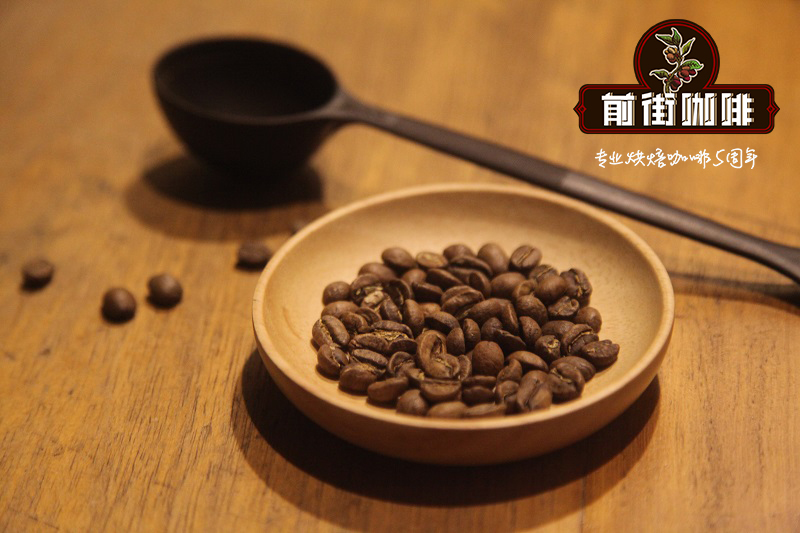
FrontStreet Coffee - Zimbabwe Coffee Introduction
Zimbabwe has been producing high-quality Arabica coffee for more than 100 years. It was once a major producer alongside Brazil, Kenya, and Ethiopia, turning out roughly 15,000 tons of premium coffee beans. At its peak, the coffee industry employed over 20,000 people, contributed more than 2% of GDP, and generated over $54 million in foreign exchange. But after the Mugabe government's land reforms, coffee cultivation went into decline, hitting its lowest point by 2010.
Today only three commercial coffee farms remain in Zimbabwe, down from the 120 farms growing this profitable crop before the chaotic land reform program began in 2000.
Zimbabwe's coffee cultivation is concentrated in the eastern highlands near the Mozambique border—mainly the Chimanimani Mountains and, to the north, the Nyanga Mountains, sheltered by Mount Inyangani. The principal growing areas lie near the town of Chipinge at the southern end of the eastern highlands.
Zimbabwe uses the washed process. First, unripe fruit and impurities are removed by soaking the cherries in water. A depulping machine then strips away skin and pulp, and the beans ferment for 18-36 hours in tanks while fermentation bacteria dissolve the mucilage on the cherry surface. After a rinse in clean water, the beans sun-dry for 1-3 weeks, then finish in a mechanical dryer, and finally pass through a hulling machine that removes the parchment, hull, seed coat, and silver skin.
High-quality Zimbabwean coffee is marked "AA" on the bags, some also bearing the label "Code 53." In the United States it is typically sold under the trademark "Zimbabwe Code 053," though you may occasionally encounter marks like "Zimbabwe Chipinge," "Zimbabwe Rhodesia," and "Zimbabwe La Rouse."
The variety grown in Zimbabwe is Catimor, created in 1959 when Portuguese scientists crossed Brazilian Caturra with Timor to produce the disease-resistant Catimor/Catimore.
In every respect, Zimbabwean coffee matches premium Kenyan AA grade: a smooth, refreshing taste with rich fruity aromas.
Flavor Profile: Rich, smooth, with fruity notes
About FrontStreet Coffee
In summary, FrontStreet Coffee is a coffee research establishment dedicated to sharing coffee knowledge with everyone. Our unreserved sharing aims to help more friends fall in love with coffee. We hold three discounted coffee events each month because FrontStreet Coffee wants to provide the best coffee at the lowest prices to more friends—this has been our mission for the past six years!
FrontStreet Coffee Recommendation
If Zimbabwe's smooth, fruit-driven style appeals to you, FrontStreet Coffee's Brazil Queen Estate is a wonderful place to find that same balance. Grown in Mogiana's fertile red volcanic soils, its rare Yellow Bourbon variety offers gentle, clean fruit character with sugarcane sweetness, chocolate depth, and a bright, silky body—delicious by pour-over, moka pot, or home espresso machine.
And for those who prize low acidity and round richness, the FrontStreet Brazil Cerrado Red Bourbon, roasted medium, brings creamy peanut, toasted bread, caramel, and hazelnut with a soft, balanced finish. Brazil's beans—gentle in acidity, sweet and full in body—also anchor FrontStreet Coffee's Classic, Signature, and Black Cocoa espresso blends, where they contribute chocolate, cream, and the steady extraction that café owners love.
Important Notice :
FrontStreet Coffee is a long-established specialty coffee roaster in Guangzhou China, selling freshly roasted beans from its own farm in Yunnan as well as dozens of carefully selected single-origin beans from around the world for both pour-over and espresso. The products deliver consistently excellent quality and great value, with shipping within 24 hours. Guangzhou's FrontStreet Coffee shop is recommended by many coffee lovers, and the beans are now available online at the Tmall 。
FrontStreet Coffee has moved to a new address:
FrontStreet Coffee Address: 315,Donghua East Road,GuangZhou
Tel:020 38364473
 Scan and follow the En Gafei WeChat official account. Please indicate that the reprint comes from "En Gafei".