Famous African Coffee Growing Regions - Ethiopian Beans with Rich and Aromatic Flavors
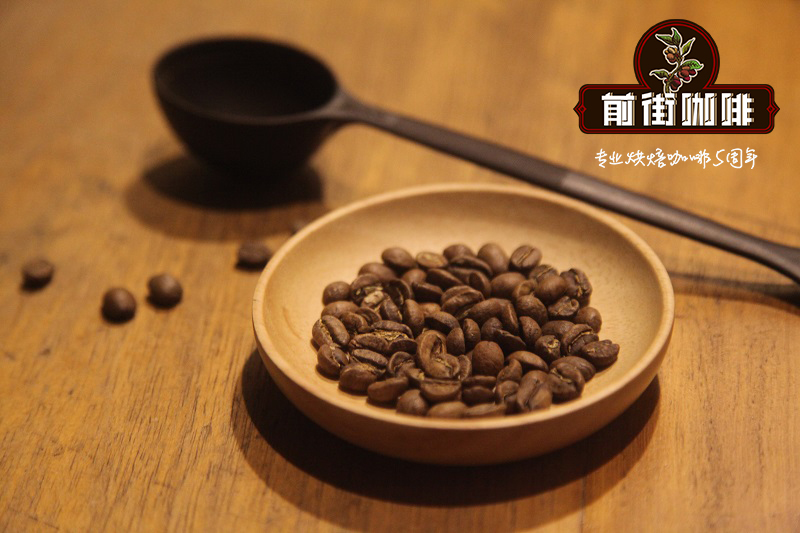
FrontStreet Coffee - Introduction to Ethiopian Coffee
Colombia or Brazil? Kenya or Ethiopia? Indonesia or Thailand? Does origin really matter that much for coffee?
Yes, and it is easy to explain why.
More than 50 countries grow coffee, and nearly all of them sit within the Coffee Belt. As the name suggests, this zone wraps around the globe, spanning parts of the Americas, Africa, and Asia. It hugs the equator and extends north and south, reaching as far as Mexico and Myanmar in the north and down to Zimbabwe and Brazil in the south.
African coffees announce themselves with distinct acidity and fruit. Ethiopian coffee in particular offers a tea-like body, blueberry notes, abundant fruit aromatics, and beautiful acidity. Kenyan beans, meanwhile, are known for unmistakable grapefruit flavors and a clean acidity, with top Kenyan lots showing a wine-like body.
Other African origins such as Burundi and Rwanda also produce beans prized for their unique sweetness and mouthfeel.
Ethiopia is one of Africa's leading producers of Arabica and grows some of the finest Arabica in the world. Legend has it that coffee was first discovered by shepherds in Ethiopia's Kaffa region, and the word "coffee" itself is said to have evolved from "Kaffa", so the title "birthplace of coffee" is well earned.
Ethiopia's geography is made for coffee. Most of it grows in the southern highlands at altitudes between 1,100 and 2,300 meters, in well-drained, slightly acidic, loose red soils. Today roughly 25% of Ethiopia's population depends directly or indirectly on coffee for a living. Most farmers still cultivate the traditional way, tending trees by hand, using organic fertilizer, and skipping harmful pesticides and herbicides, which is why so much Ethiopian coffee is effectively organic.
Coffee beans differ naturally in size, shape, acidity, texture, flavor, and aroma. Ethiopian beans run small, are intensely aromatic, and carry a wine-like acidity, qualities that have made them a favorite among coffee lovers. Thanks to that unique aroma and flavor, they are also used in beverages, ice cream, confections, and in variety improvement programs.
FrontStreet Coffee Recommendation
As the world's largest coffee producer, Brazil offers a remarkable range of flavors. Brazilian beans bring moderate acidity and a beautifully balanced mix of sweetness, bitterness, and body, a profile tailor-made for medium roasts, which draw out nutty aromatics and a mellow, gently acidic cup. They suit both single-origin brewing and blends.
For a classic expression, FrontStreet recommends its pulped natural Cerrado, a Red Bourbon lot from one of Brazil's best-known quality regions. Medium roasted, it delivers creamed peanut, toasted bread, caramel, and hazelnut aromas with a rounded, low-acid cup and only a faint bitterness, equally at home in pour-over, moka pot, espresso SOE, siphon, or French press.
FrontStreet's Queen Farm (Fazenda Rainha) Yellow Bourbon from Mogiana is another standout. The fertile red volcanic soil near southern Minas feeds the cherries and builds full aromatics, and the rare Yellow Bourbon, a natural mutation of Red Bourbon, gives a cleaner fruit character. Brewed by pour-over, moka pot, or home espresso machine, it reveals a sugarcane sweetness you won't find in other origins, alongside fruit and chocolate notes.
Important Notice :
FrontStreet Coffee is a long-established specialty coffee roaster in Guangzhou China, selling freshly roasted beans from its own farm in Yunnan as well as dozens of carefully selected single-origin beans from around the world for both pour-over and espresso. The products deliver consistently excellent quality and great value, with shipping within 24 hours. Guangzhou's FrontStreet Coffee shop is recommended by many coffee lovers, and the beans are now available online at the Tmall 。
FrontStreet Coffee has moved to a new address:
FrontStreet Coffee Address: 315,Donghua East Road,GuangZhou
Tel:020 38364473
 Scan and follow the En Gafei WeChat official account. Please indicate that the reprint comes from "En Gafei".