Delicious Black Coffee Recommendations - Costa Rica Musician Series Mozart Coffee Flavor Characteristics
What Exactly Is Black Coffee?
When people hear "black coffee," many picture something intensely bitter, almost like herbal medicine. But what does "black coffee" actually mean? FrontStreet Coffee explains: on the surface, the term seems to describe strong, bitter espresso — yet that is only one kind of black coffee. In its deeper sense, black coffee means pure coffee with nothing added to mask its original flavor and texture, so you can taste the bean exactly as it is. More than any latte or flavored drink, black coffee expresses the terroir and culture of where it was grown.
Each producing region brings its own character to the cup. Ethiopian coffee offers bright florals and lemony acidity; Colombian coffee shows gentle fruit acidity and floral aroma; Brazilian coffee leans toward nuts and caramel; Panamanian coffee delights with citrus, florals, and tropical fruit. FrontStreet Coffee stocks more than 50 different single-origin beans from countries and regions around the world. Among the celebrated Musician Series, FrontStreet Coffee carries two: FrontStreet Coffee Costa Rica Mozart and FrontStreet Coffee Costa Rica Bach.
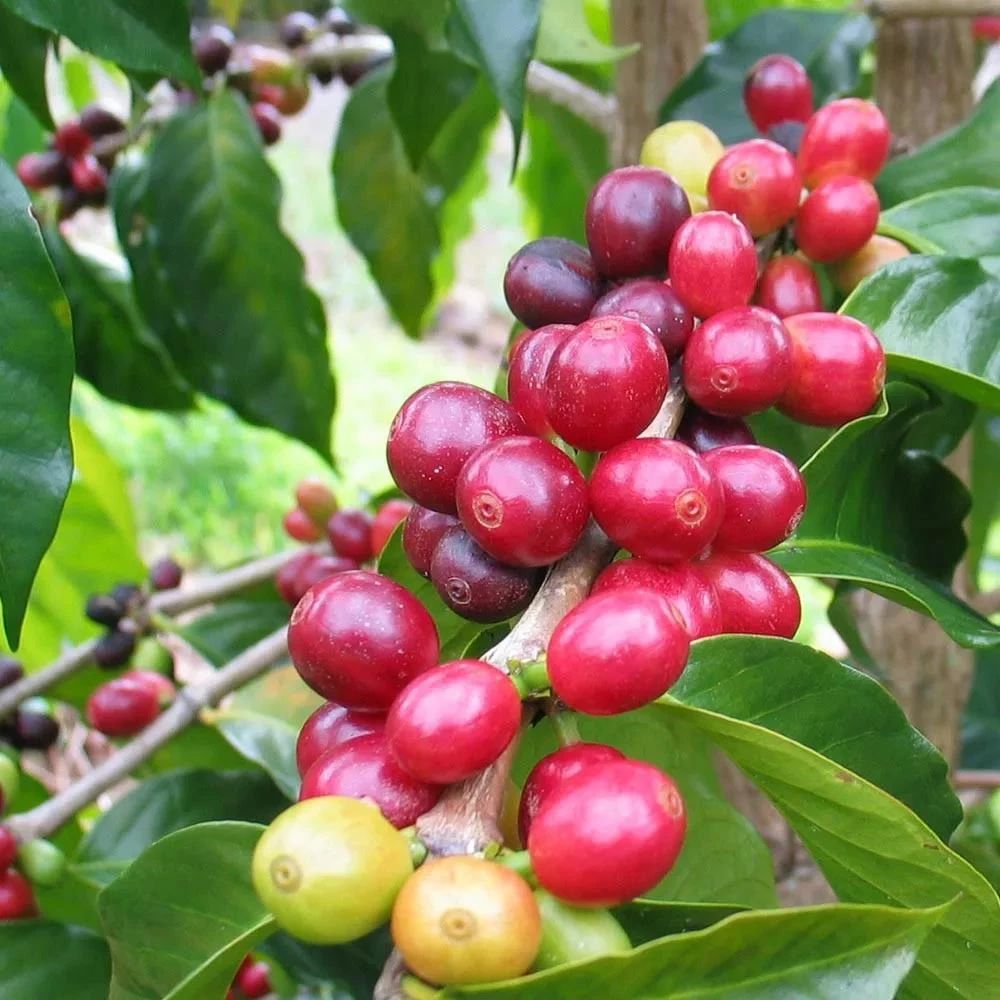
Today, FrontStreet Coffee introduces the Costa Rica Musician Series — FrontStreet Coffee Mozart coffee.
Why Is This Coffee Called Mozart?
Among classical composers, Wolfgang Amadeus Mozart is remembered for the sheer joy his music brought to the world, with beloved works such as "The Magic Flute" and his serenades. Mozart was also a passionate coffee lover; coffee fueled the genius's endless inspiration. His music rewards repeated listening, and in the same way, this FrontStreet Coffee Mozart bean rewards repeated brewing — it grows on you cup after cup.
The Musician Series name comes from the owner of Carnet Estate, a devoted classical music fan who names every coffee his farm produces after a composer. Carnet Estate sits in the highest coffee-growing zone of Costa Rica's Tarrazu region. The estate processes Caturra and Catuai using raisin honey and washed methods, producing the world-famous Musician Series beans named after "Beethoven," "Bach," and "Mozart." Grown at 1,700-1,950 meters, they qualify as SHB (Strictly Hard Bean) high-altitude coffees with pronounced sweetness and rich fruit, wine, and tea-like aromas.
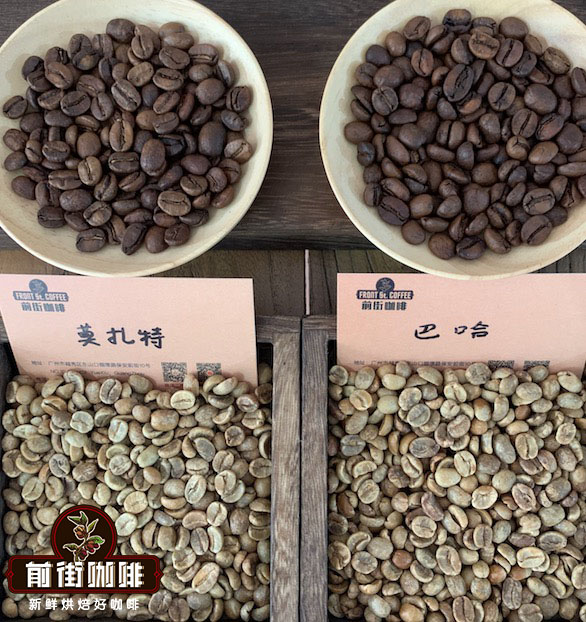
FrontStreet Coffee could hardly pass up a bean like this. The FrontStreet Coffee Mozart lot comes from Tarrazu, one of Costa Rica's most famous regions. Today FrontStreet Coffee's Costa Rica coffee is sought after by connoisseurs and beginners alike as a byword for "sweet as honey" — yet just over 300 years ago, not a single coffee tree grew here. Coffee reached the Americas with European settlers, who made the New World a second home for the crop.
A Short History of Costa Rica Coffee
Coffee first arrived in Costa Rica in 1729, brought from Cuba, making Costa Rica the first country in Central America to grow coffee — and the first to cultivate it commercially. By 1820, the first shipment had been exported to Colombia and Chile.
In 1854, an import-export firm, with the help of Captain William Lyon of the British merchant ship "Monarch," successfully shipped 100 pounds of coffee to London. It was an instant hit; British nobility hailed it as Costa Rica's "golden bean."
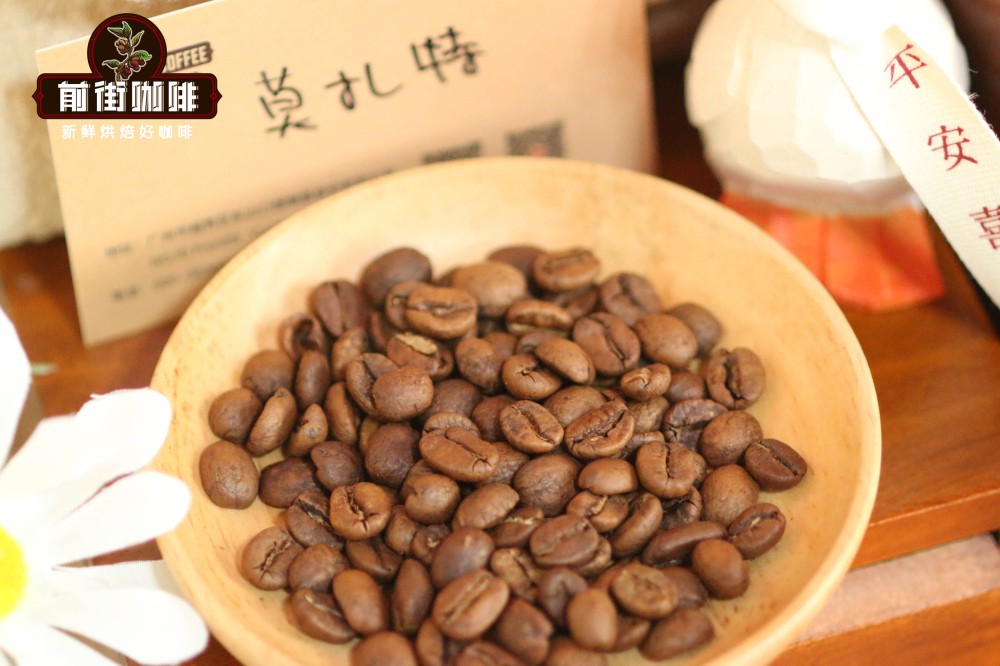
FrontStreet Coffee's "Costa Rica Musician Series" comes from Canet Estate, which sits in the highest coffee-growing zone of Tarrazu. Canet is a small farm within that zone — a compact 5-hectare estate in the San Marcos area of Tarrazu, owned by the Robles brothers: Leo, Elian, and Melvin. The three have cultivated and processed coffee together for over 10 years and share a small processing plant (beneficio).
The H1 Variety
Nearly all specialty coffee comes from Arabica, a species that thrives in tropical highlands and draws nutrients from mineral-rich volcanic soil. Costa Rica, in the heart of Central America, enjoys exactly those natural advantages.
The Carnet Estate in central Costa Rica processes Caturra and Catuai with raisin honey and washed methods, producing the world-renowned Musician Series beans carried by FrontStreet Coffee.
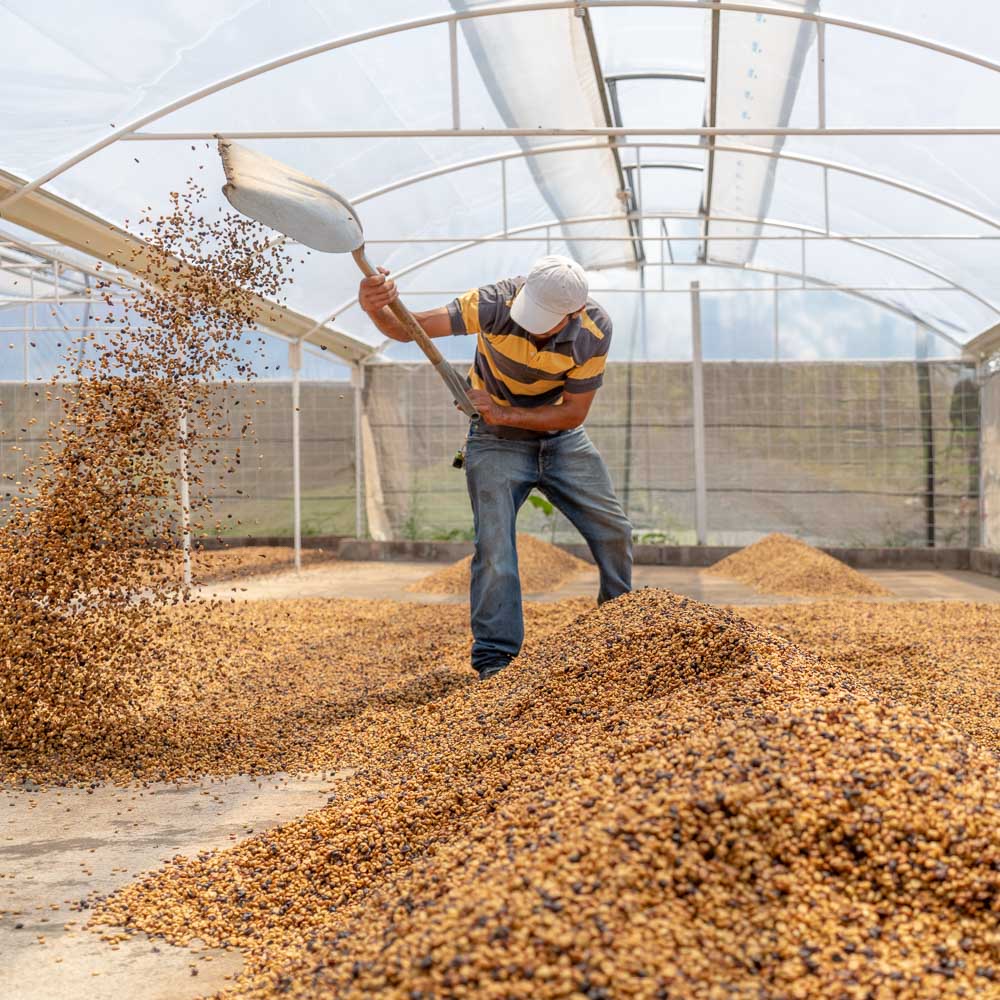
H1, fully known as Centroamericano H1, was developed through ongoing research at the Sebaco laboratory in Nicaragua. It is a hybrid of Rume Sudan and Sarchimor T-5296. Rume Sudan was first found in the Rume Valley on the Boma Plateau of Sudan, which gives the variety its name. On its own, Rume Sudan has superb cup quality but poor disease resistance; crossed with hardier stock, however, it reliably passes on its outstanding flavor genes.
How FrontStreet Coffee Mozart Is Processed
The FrontStreet Coffee Costa Rica Mozart on the FrontStreet Coffee menu is initially raisin honey processed, with an anaerobic honey processed lot as well. What difference do the two methods make?
In the raisin honey process, the beans retain 100% of their mucilage and the process uses no water at all. On harvest day, ripe cherries are poured into large tanks: fully ripe fruit sinks, while underripe or overripe cherries float and are removed. The selected cherries are then laid out on raised beds to dry for at least three days, after which the cherry skin is removed — mucilage intact — and drying continues.
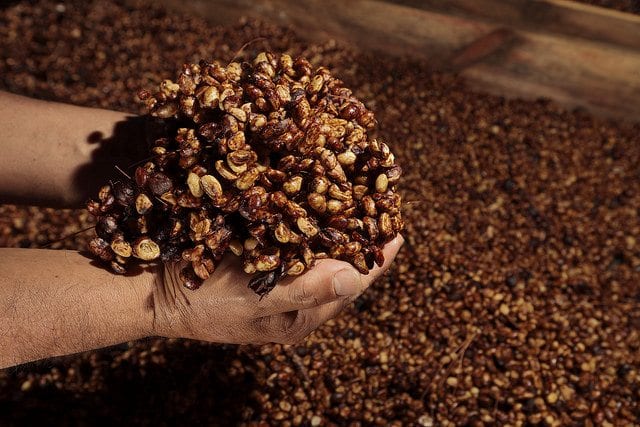
To maximize sweetness, as much pulp and mucilage as possible is left on the bean, which makes honey processing harder and demands precise timing. Because these beans keep 100% of the mucilage layer, more sugar migrates into the green bean, and the resulting sweetness is unmistakable. Cupping the raisin honey Mozart, FrontStreet Coffee found a white-wine mouthfeel, balanced acidity, rich fermentation notes, and prominent floral and fruit aromas.
Anaerobic Honey Processing
For the anaerobic honey lot, the skin and pulp are stripped away, leaving a viscous gel coating on the beans. The mucilage-covered beans go straight into sealed fermentation tanks for low-temperature fermentation, held at 10-15 degrees Celsius or below. In an oxygen-free environment the sugars in the mucilage break down more slowly and pH drops more gradually, which stretches out fermentation and builds better sweetness with more balanced flavors. After more than three days of anaerobic fermentation, the beans are sun-dried; once dry, machinery removes the remaining mucilage and parchment.
When FrontStreet Coffee's roaster received these anaerobic honey green beans, they chose a medium roast to showcase the coffee's complex floral and fruit aromas, outstanding sweetness, and fermented, sauce-like notes.
FrontStreet Coffee Brewing Recommendations
FrontStreet Coffee recommends brewing with freshly roasted beans to get the fullest flavor. Every bag FrontStreet Coffee ships was roasted within the past 5 days, because bean freshness has an enormous effect on the cup. FrontStreet Coffee's roasting philosophy is "freshly roasted good coffee," so every order arrives at its peak. The ideal resting window is about 4-7 days, meaning the coffee is ready to shine the moment it reaches you.
Some customers prefer to have FrontStreet Coffee grind the beans for them, and that is perfectly fine. Just remember that pre-ground coffee should be brewed promptly. Ground coffee needs no resting at all: during shipping, the pressure of built-up carbon dioxide inside the packaging actually mellows the flavor, so you can brew a cup the moment the package arrives.
The trade-off is that ground coffee oxidizes quickly in open air, so its flavors fade faster and the cup is less enjoyable. That is why FrontStreet Coffee recommends buying whole beans and grinding fresh right before brewing.
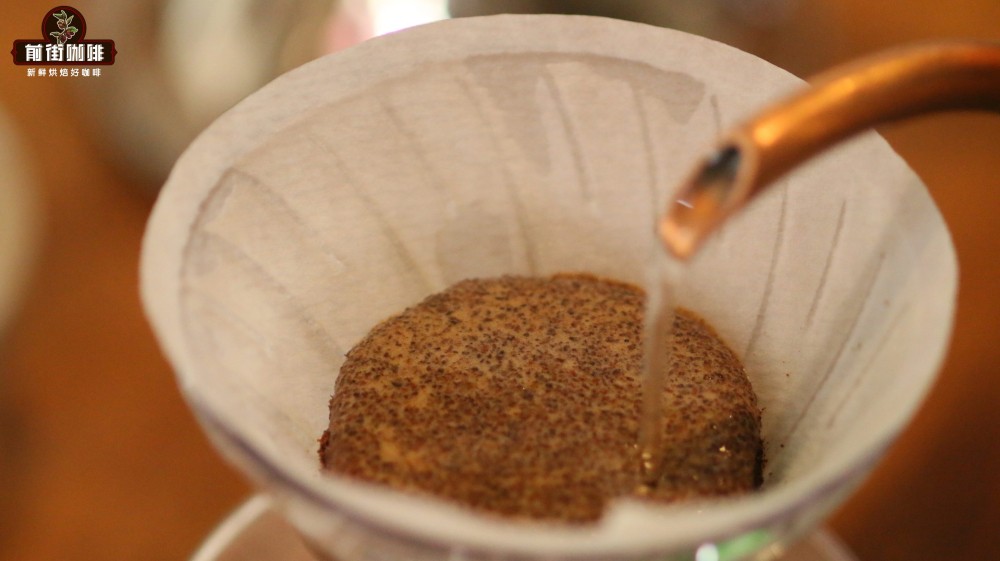
Brewing parameters: Dripper: Hario V60, Water temperature: 90°C, Coffee dose: 15g, Coffee-to-water ratio: 1:15, Grind size: Medium-fine (80% pass-through rate on China standard #20 sieve)
Brew in segments. Start with a bloom of twice the coffee dose in water — 30g of water for 30 seconds. Blooming lets the grounds release trapped carbon dioxide so the rest of the extraction runs steadily. Then, with a small, steady flow, pour in circles up to 125g, continue to 225g, and stop. Once the water has fully drained from the dripper, remove it. Total time from the first pour to the end of extraction should be 2'00". Swirl the full cup gently, pour, and taste. FrontStreet Coffee always uses this three-stage pour because multi-stage pouring builds richer layers and more noticeable sweetness — and it is easy enough for beginners to master.

FrontStreet Coffee raisin honey processed Mozart flavor notes: Complex florals and fermented, sauce-like aromas on entry, with raisin and preserved-fruit sweetness, berry acidity, and a sugarcane-like sweet aftertaste.
FrontStreet Coffee anaerobic honey processed Mozart flavor notes: Warm, you get raisin aromas and fermentation notes over rose florals. As the cup cools, fresh orange and berry sweet-tart notes emerge, the raisin fermentation grows more pronounced, and the finish recalls pineapple.
Listening to music while sipping a coffee named after a composer — what a lovely way to pause. In today's fast-paced life, it is worth slowing down now and then for moments like this.
For professional coffee knowledge and more bean information, follow Coffee Workshop (WeChat official account: cafe_style)
To browse more specialty coffee beans, add FrontStreet Coffee on WeChat: qjcoffeex
FrontStreet Coffee Recommendation
If you enjoyed this deep dive into black coffee, FrontStreet Coffee's own Brazil lineup is another excellent place to explore pure, straight black coffee. As the world's largest coffee producer, Brazil offers a huge range of profiles, and FrontStreet Coffee's Brazilian beans show moderate acidity with a beautifully balanced mix of sweetness, bitterness, and body — qualities that make them ideal for a medium roast, where nutty aromas come forward and the cup stays mellow with just a light acidic lift.
For a first taste of Brazil, FrontStreet Coffee recommends the FrontStreet Brazil Cerrado Red Bourbon. Cerrado is one of Brazil's best-known producing regions, and this classic single origin delivers aromas of creamy peanut, toasted bread, caramel, and hazelnut at a medium roast. The mouthfeel is round and smooth — not sour, with only a gentle bitterness — and it works beautifully as pour-over as well as in a moka pot, as an espresso SOE, in a siphon, or in a French press.
FrontStreet Coffee's other Brazilian single origin, the Queen Estate (Fazenda Rainha) Yellow Bourbon from Mogiana near southern Minas, grows in fertile red volcanic soil that gives the fruit full, developed aromatics. Yellow Bourbon is a rare natural mutation of Red Bourbon with an especially clean fruit character; brewed by hand or through a moka pot or home espresso machine, it reveals a sugarcane sweetness you will not find in other origins, alongside fruit and chocolate notes.
Prefer your black coffee as an Americano? FrontStreet Coffee's espresso blend series — the classic blend, the nutty premium blend, the balanced Black Cocoa blend favored by many baristas, and the shop-focused commercial blend — all contain Brazilian beans, adding chocolate and cream aromas with a gentle sweet-sour-bitter balance that keeps every shot stable and approachable.
Important Notice :
FrontStreet Coffee is a long-established specialty coffee roaster in Guangzhou China, selling freshly roasted beans from its own farm in Yunnan as well as dozens of carefully selected single-origin beans from around the world for both pour-over and espresso. The products deliver consistently excellent quality and great value, with shipping within 24 hours. Guangzhou's FrontStreet Coffee shop is recommended by many coffee lovers, and the beans are now available online at the Tmall 。
FrontStreet Coffee has moved to a new address:
FrontStreet Coffee Address: 315,Donghua East Road,GuangZhou
Tel:020 38364473
 Scan and follow the En Gafei WeChat official account. Please indicate that the reprint comes from "En Gafei".