How to Drink Bali Peaberry Coffee and What to Know About It - Is Indonesian Bali Peaberry Coffee Good?
Indonesian coffee offers plenty of famous names, but one of its rarest treasures is the Bali peaberry - the small, round, single-lobed bean that forms in only a small fraction of cherries. Below is what peaberry coffee is, why it tastes different, and how best to drink it.
FrontStreet Coffee - Bali Peaberry Coffee
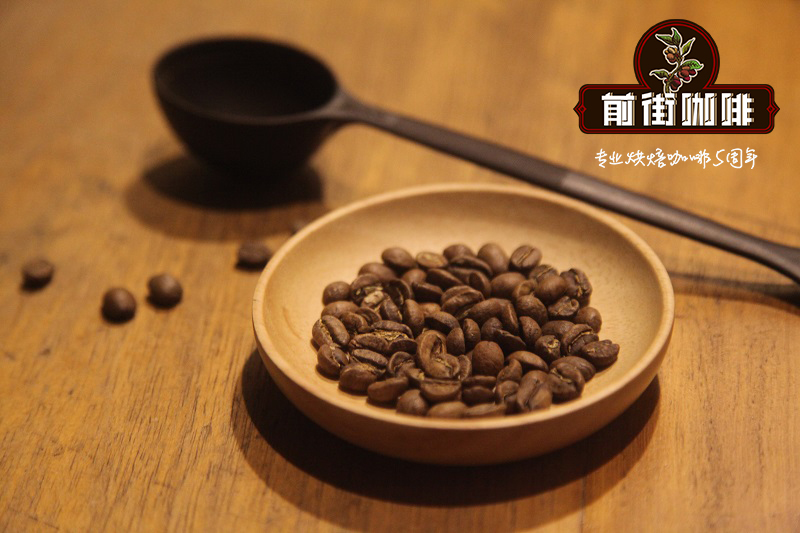
Indonesia is the world's second-largest coffee producing country, and its Golden Coffee enjoys international reputation as Indonesia's national treasure. Coffee beans are divided into peaberry and regular beans. Peaberries are slightly smaller in size, shaped like dates. Regular beans are larger than peaberries, with a semi-date appearance. Regular bean coffee has a slightly bitter and acidic taste with a rich coffee flavor, requiring the addition of creamer or milk for consumption. Peaberries, however, have a mellow and fragrant taste without any acidity or astringency, making them most suitable for those who prefer black coffee. On a single coffee tree, peaberries account for only 5-10% of the total yield.
Peaberry coffee is manually picked out one by one from mixed coffee beans. Most coffee powders sold in the market are mixtures of peaberries and regular beans.
Coffee beans are the fruit of the coffee tree. Under normal circumstances, a single fruit contains two coffee beans, which is called Type I. However, due to the aforementioned factors, some fruits develop into a single bean during maturation. This oval-shaped single coffee bean is called peaberry, which is Type II. Relative to Type II, some people colloquially call Type I "regular beans." In fact, the two are just differences in coffee bean growth patterns, not gender differences, and the colloquial terminology can be misleading.
The English name for peaberry is "Peaberry," and in some markets, it's called "round bean." Only 5% of coffee beans on a coffee tree are peaberries, while the rest are regular beans. In fact, peaberries are a deformity that occurs during coffee bean growth. Generally, coffee beans have two halves, but peaberries have only one half, hence they are also called single beans. One half absorbs more nutrients, making the coffee beans appear larger in color, shape, and size. When brewed, the coffee has a continuous fragrance and sweet aftertaste. Due to their rarity, they are also called "dream coffee." However, because they are so few, only a few out of every hundred coffee beans are peaberries.
Generally, coffee farmers do not specifically separate them for sale, and if you don't visit the production site directly or handle them yourself, it's really difficult to notice this difference. Of course, some individual merchants do sell peaberries. But as the saying goes, "rarity makes things valuable," and of course, coffee is considered precious when it's peaberry.
About Indonesian Coffee
The best growing areas across the Indonesian archipelago lie on Java, Sumatra, and Sulawesi, which anchor the country's three great coffee traditions: Mandheling coffee from Sumatra, with moderate acidity and an extremely heavy, rich aroma; Java coffee from the island of Java, an Arabica coffee; and Sulawesi coffee, with full, plump beans and intense fragrance - though about 90% of that island's output is Robusta.
FrontStreet Coffee Recommendation
If the mellow, low-acid character of Bali peaberry appeals to you, FrontStreet Coffee's wet-hulled Mandheling is the classic Indonesian expression to try next. Mandheling refers to Arabica coffee from Sumatra, processed mainly with the local wet-hulled (giling basah) method: the beans are hulled while half-dry, leaving the green coffee fully exposed to the air as it dries, which gives the coffee its typical herbal and spice notes. FrontStreet's Mandheling comes from the Lake Toba area of the Lintong region; a medium-dark roast delivers a low-acid, full-bodied cup with rich aromas of caramel, dark chocolate, and toasted bread, and a long, sweet finish - perfect for friends who love strong coffee.
For the pinnacle of Indonesian coffee, choose FrontStreet's PWN Golden Mandheling. PWN is a trading company that buys only premium-grade Mandheling lots, and its "Golden Mandheling" is the flagship product, screened to strict standards for bean density, size, shape, and color through one machine sort and multiple rounds of hand sorting. This removes defects and reduces the earthy and grassy notes, yielding complete, uniform, translucent beans - said to gleam golden in the sun, hence the name. Freshly roasted, it offers sandalwood, herbal, spice, toasted hazelnut, caramel, and dark chocolate flavors with a clean, mellow, richly layered cup, ideal for daily drinking or as a gift.
For espresso, FrontStreet's Classic Blend carries on the Mandheling tradition: in the era before light-roast acidic coffee became fashionable, Mandheling was considered the world's most full-bodied coffee and was the backbone of the famous "Mamba" blend - Mandheling and Brazil - where Brazil's smooth texture and nutty sweetness temper Mandheling's intense bitterness and herbal edge. FrontStreet's Classic Blend adds a small amount of Robusta and uses a dark roast to bring out black chocolate, nut, and caramel aromas to the fullest, with rich golden crema, so even a beginner can easily brew an authentic Mandheling-style cup.
Important Notice :
FrontStreet Coffee is a long-established specialty coffee roaster in Guangzhou China, selling freshly roasted beans from its own farm in Yunnan as well as dozens of carefully selected single-origin beans from around the world for both pour-over and espresso. The products deliver consistently excellent quality and great value, with shipping within 24 hours. Guangzhou's FrontStreet Coffee shop is recommended by many coffee lovers, and the beans are now available online at the Tmall 。
FrontStreet Coffee has moved to a new address:
FrontStreet Coffee Address: 315,Donghua East Road,GuangZhou
Tel:020 38364473
 Scan and follow the En Gafei WeChat official account. Please indicate that the reprint comes from "En Gafei".