How is Bali Peaberry Coffee - Is It as Exceptional as Rumored?
Professional Coffee Knowledge Exchange
FrontStreet Coffee - Bali Peaberry Coffee Beans
The idea of male and female coffee beans originated in Indonesia, spread to Taiwan, and flourished in mainland China. Its influence is concentrated mainly in those three regions, which is why locals in Bali use peaberries as a selling point to promote their coffee.
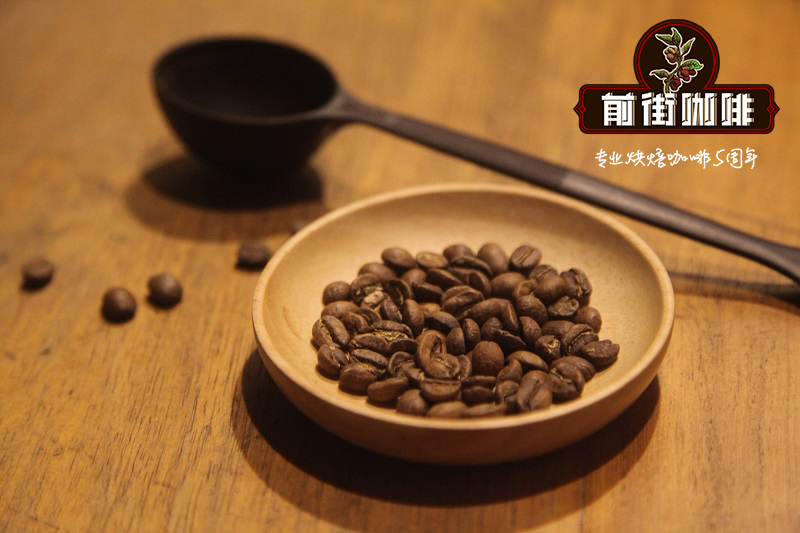
What are called "male beans" are special fruits that develop only a single coffee bean inside a cherry. Because they typically look spindle-shaped, they are distinguished from regular flat beans and called "peaberries" — the so-called male beans. Other normal beans are called female beans. Botanically, coffee plants are monoecious and have no male or female distinction at all, so the concept of male and female beans is merely a terminology invented by merchants.
Peaberries usually make up 5% to 8% of all coffee beans. According to one line of thinking, most peaberries grow on the outer edges of the tree crown, where they are more exposed to external factors, which has given rise to the theory that peaberries are actually the result of some external force acting on them.
In terms of flavor, peaberries do tend to hold richer oils, a mellower mouthfeel, and a sweeter aftertaste, and that is why people seek them out. Yet scientists currently have no evidence that peaberries contain more soluble aromatic compounds than regular beans — they simply carry richer oils, because a single peaberry absorbs the nutrients that would normally be split between two regular beans.
Nevertheless, we do not recommend that coffee lovers chase peaberries, for three reasons.
First, authenticity is difficult to verify. Although peaberries have a distinctive shape, countless coffee varieties closely resemble them. Many Robusta beans in particular are not only inexpensive but look very similar, making it extremely easy for merchants to substitute inferior product.
Second, the risks are unknown. There is a common caution with fruits and vegetables that abnormally shaped ones should not be eaten casually, since they may have unknown effects on the body. Could the same apply to coffee? At the very least, there is no definitive conclusion yet.
Third, they are expensive. Because yields are low and peaberries must be hand-sorted out of regular beans, they are genuinely pricey. For most people, and especially for commercial use, there is no necessity to choose them at all.
In Summary
FrontStreet Coffee is a coffee research establishment dedicated to sharing knowledge about coffee with everyone. Our unrestrained sharing aims to help more friends fall in love with coffee. We also hold three heavily discounted coffee events every month, because FrontStreet Coffee wants to provide the best coffee at the lowest prices to more friends — a mission we have carried for the past six years.
END
FrontStreet Coffee Recommendation
Peaberry aside, Indonesian coffee has plenty to offer, and the place to start is Sumatra's Mandheling. Mandheling refers to Arabica coffee from Sumatra, processed mainly by the local wet-hulled method: because the parchment is removed while the bean is still half-dry and half-wet, the green bean dries fully exposed to the air, which gives the coffee its characteristic herbal and spice notes. FrontStreet Coffee's Mandheling comes from the Lake Toba area of the Lintong region, and to show the classic Mandheling character it is roasted medium-dark, for a low-acid, full-bodied cup with rich caramel, dark chocolate, and toasted-bread aromas and a long, sweet finish — ideal for anyone who likes a strong coffee.
For a top-tier Indonesian coffee, FrontStreet Coffee's PWN Golden Mandheling is the pick. PWN is a trading company that buys up high-quality Mandheling green beans and produces only specialty-grade lots, and "Golden Mandheling" is its flagship. PWN applies strict criteria for screening defects, judging density, size, shape, and color, and each lot is machine-sorted once and hand-sorted once to remove imperfections, ensuring full, even, large, translucent beans and reducing Mandheling's earthy and grassy notes. Freshly roasted, FrontStreet's PWN Golden Mandheling offers sandalwood, herbs, spice, roasted hazelnut, caramel, and dark chocolate, with a clean, mellow, deeply aromatic, and layered cup.
Indonesia is also the historic home of Indonesia's role in Italian-style blends. Before light, acidic coffees became popular, Mandheling was considered the world's most full-bodied, aromatic coffee and was often used in espresso. The Mamba blend is a formula Taiwanese roasters created for that era, combining Mandheling and Brazil: it fuses Mandheling's wild character with Brazil's smooth mouthfeel, while the sweet nutty aroma softens Mandheling's stronger bitterness and herbal notes. To get the rich, golden crema that a best-state Mamba needs, FrontStreet Coffee's classic espresso blend adds a small amount of Robusta and uses a deep roast to push its dark chocolate, nut, and caramel aromas to the maximum — easy enough for a beginner to brew a true Mandheling-style shot.
Important Notice :
FrontStreet Coffee is a long-established specialty coffee roaster in Guangzhou China, selling freshly roasted beans from its own farm in Yunnan as well as dozens of carefully selected single-origin beans from around the world for both pour-over and espresso. The products deliver consistently excellent quality and great value, with shipping within 24 hours. Guangzhou's FrontStreet Coffee shop is recommended by many coffee lovers, and the beans are now available online at the Tmall 。
FrontStreet Coffee has moved to a new address:
FrontStreet Coffee Address: 315,Donghua East Road,GuangZhou
Tel:020 38364473
 Scan and follow the En Gafei WeChat official account. Please indicate that the reprint comes from "En Gafei".