Brazilian Green Coffee Bean Grading System: An Introduction to Origin Classification Characteristics
Coffee origins differ in how they are run. Some are a patchwork of smallholders and large estates, while others are dominated by professional, business-minded growers. Even within a single region, quality and flavor can vary widely. To make quality levels easy to communicate and trading more efficient, "coffee grading" systems came into being. In this article, FrontStreet Coffee looks at the green bean grading system of Brazil, one of the world's dominant coffee-producing countries.
Brazilian coffee beans tend to be full-bodied, mild in aroma, and moderate and smooth across the cup. That makes them a neutral, versatile coffee: enjoyable as a single origin brewed by pour-over, or blended with other beans for espresso. As a major producing country, Brazil accounts for roughly 45% of the world's green coffee. Its role in the global market is enormous, and any factor that affects Brazilian production will ripple through coffee prices worldwide.
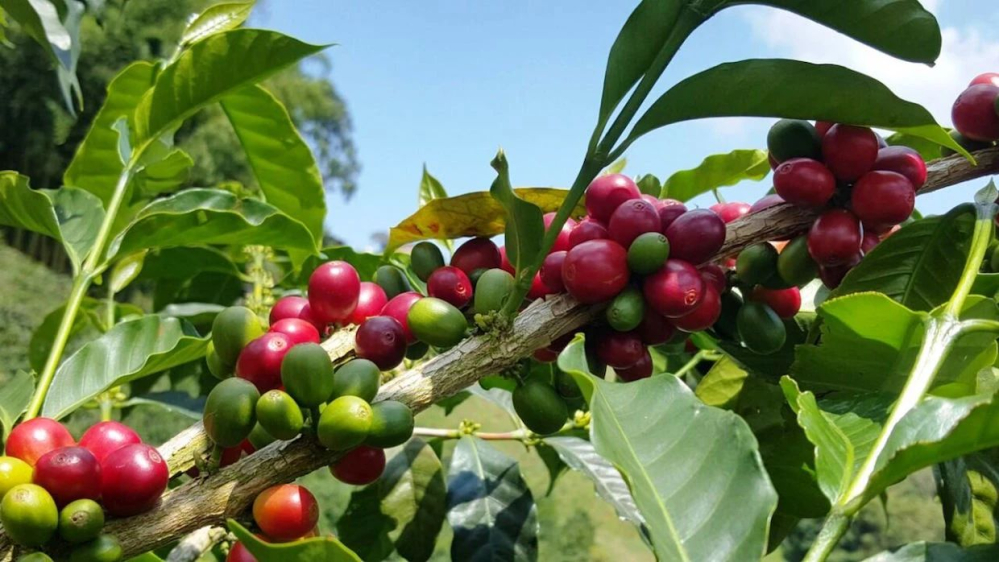
The average cultivation altitude of Brazilian coffee ranges from 600-1,200 meters, considerably lower than neighboring Colombia's growing regions. The local terrain is mostly lower-altitude plains, with the Brazilian Plateau making up a smaller share. Flat land suits large-scale planting and management, so during harvest most farms use mechanical picking that strips every cherry from the branch at once.
Brazil's Coffee Regions
Brazilian coffee is spread across 7 states, with Minas Gerais in the southeast producing the most. It contains four sub-regions, and among them the Cerrado was the first coffee region in Brazil to earn a Brazilian origin certification. The coffee grown there is almost entirely the higher-quality Arabica. As a mature producing region, Cerrado was also the first area in Brazil to commercialize coffee, and many exporters established large-scale plantations here.
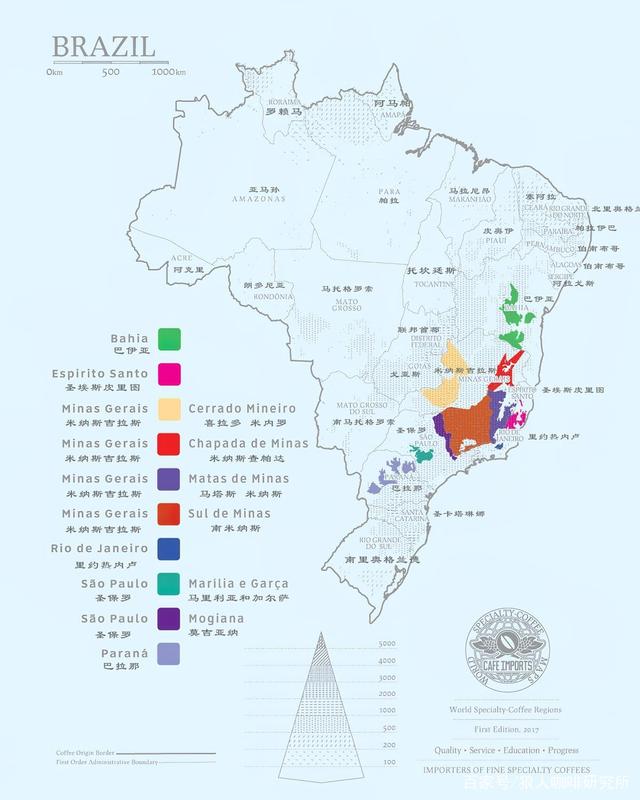
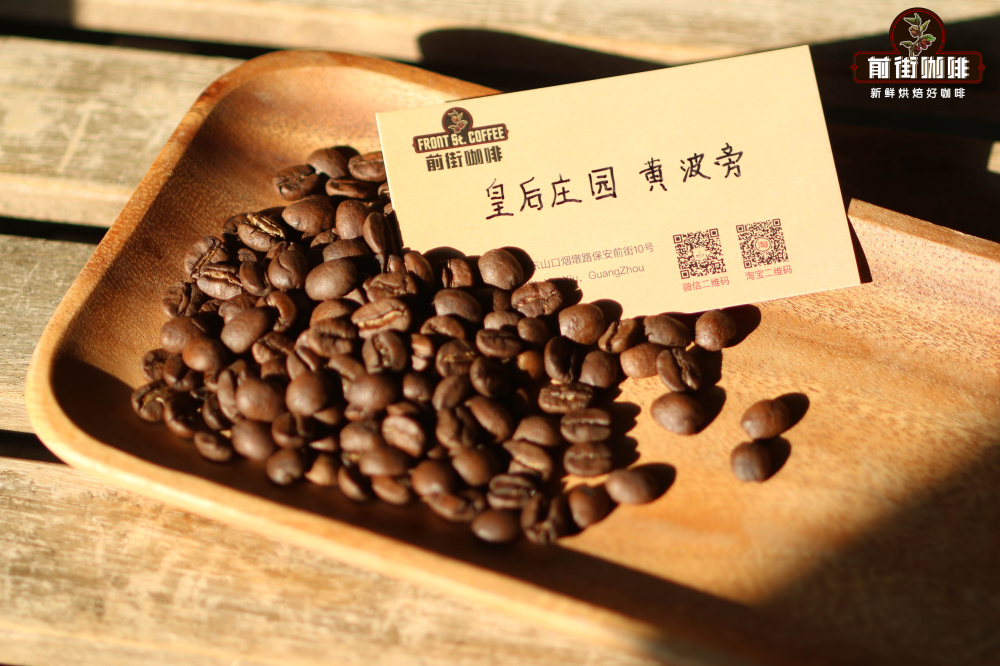
São Paulo state is home to Santos Port, the largest coffee export port in Latin America, and it is also the most historically significant coffee-producing region. The well-known Santos and Mogiana varieties both originate from São Paulo. Mogiana has rich red volcanic soil, higher altitudes, and a mild climate, which together produce higher-quality coffee; most of the lots from local estates qualify as specialty. The Brazil Queen Estate Coffee on FrontStreet Coffee's menu comes from Mogiana, a delicately flavored Yellow Bourbon with generous notes of dark chocolate and creamy peanut.
FrontStreet Coffee Featured Coffee
FrontStreet Coffee: Brazil Queen Estate Coffee Beans
Region: Brazil, Mogiana Region
Estate: Queen Estate
Altitude: 1,400 meters - 1,950 meters
Variety: Yellow Bourbon
Processing Method: Natural
Flavor Notes: Chocolate, Nuts, Cream, Peanut, Caramel
Brazilian Coffee Grading System
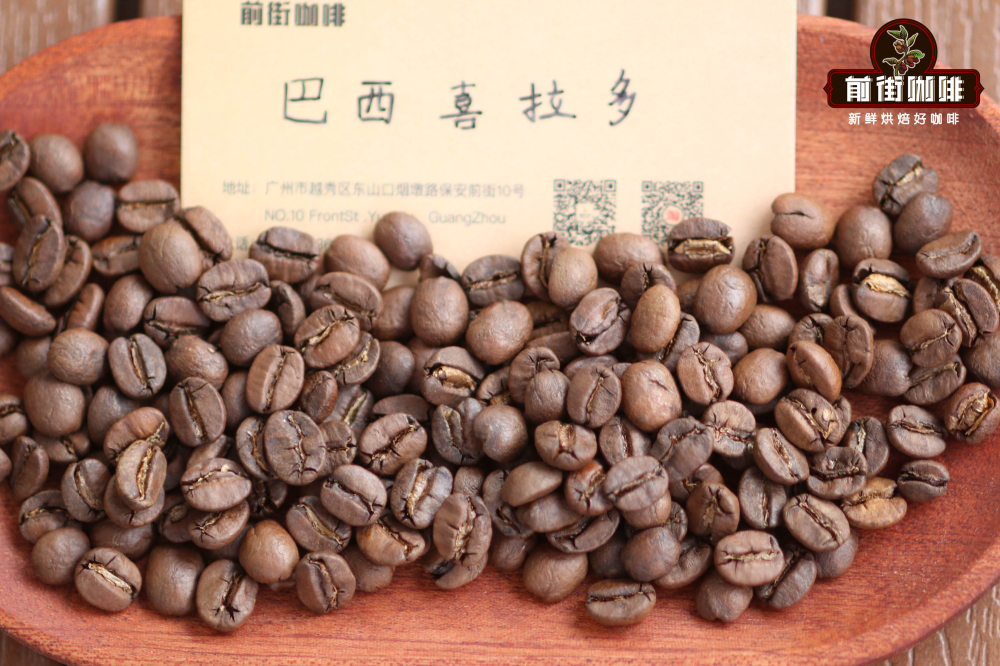
Because Brazil produces so much coffee from so many origins, grading is complicated and no single standard can cover it all. Brazilian coffee therefore relies on several grading methods at once, using defect ratio, bean size, and cupping flavor together in the grading process. Locally, a 300-gram sample of green beans is taken to establish the defect ratio, using a "deduction points" system. On the bags of Brazilian Cerrado green beans that FrontStreet Coffee buys, for example, you'll find "Brazil NY.2SC – 17/18 FC Cerrado" printed.
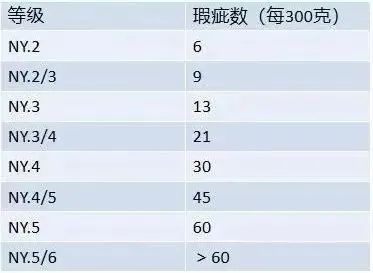
NY.2 refers to the New York grading standard, in which grades are classified by defect ratio as NY2, NY2/3, NY3, NY3/4, and so on. The smaller the number, the lower the defect rate and the higher the grade. Lots with 4 points or fewer in deductions qualify as NY2, the highest grade. Since NY.1 would mean absolutely no defects, and such hand-selected lots cannot be supplied consistently, Brazil has set NY.2 as its top grade.
| Type | Quality |
|---|---|
| NY.2 | 17-18 screen FC |
| NY.2/3 | 14-16 screen FC |
| NY.3/4 | DD Quality |
| NY.4/5 | 14-16 screen GC |
17/18 means the green bean size ranges from 17 to 18 screen (1 screen = 1/24 inch).
Flavor and mouthfeel have their own standards as well. Based on how the coffee tastes during cupping, a range of descriptions is used: Strictly Soft (very smooth), Soft (smooth), Softish (somewhat smooth), Hard, and Rioy (unpleasant). SC stands for Strictly Soft, meaning the best mouthfeel. Cupping flavors are divided into Fine Cup, Good Cup, Fair Cup, Poor Cup, and Bad Cup, with Fine Cup offering the best flavor and highest quality, followed by Good Cup.
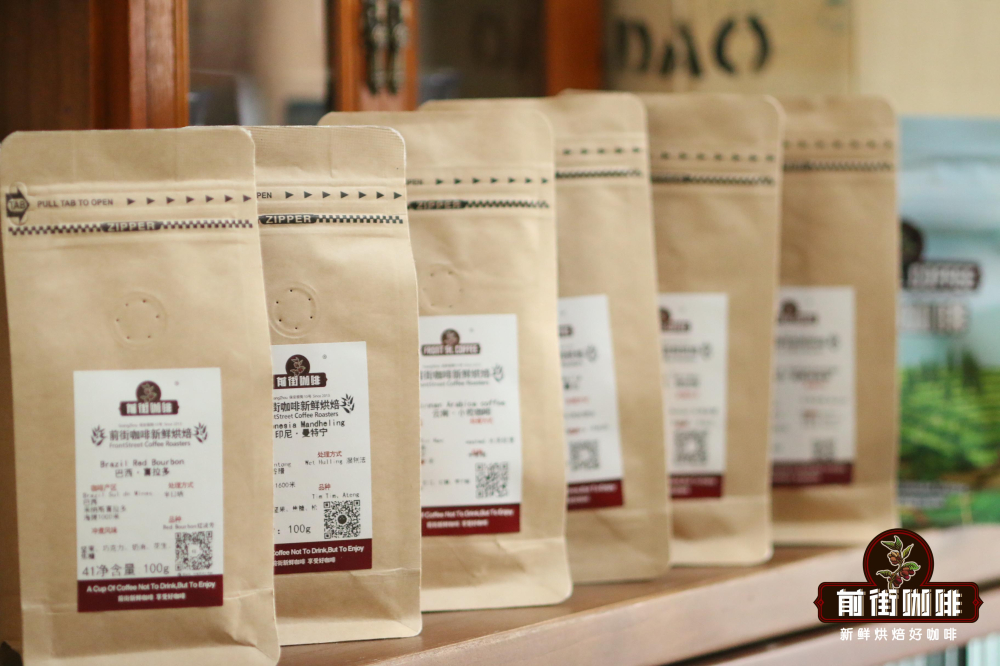
Beyond the basics above, many specialty-grade coffees carry additional traceability information, such as growing region, altitude, processing method, variety, and estate details.
FrontStreet Coffee Recommendation
If Brazilian coffee's easygoing, low-acid profile sounds like your kind of cup, FrontStreet Coffee has a couple of options worth trying. The FrontStreet Brazil Cerrado Red Bourbon is a classic single-origin Brazil, grown in the well-known Cerrado region and processed semi-washed. Roasted to a medium level, it delivers the creamy peanut, toast, caramel, and hazelnut aromas Brazil is loved for—round in the mouth, not sour, with just a touch of bitterness—and it's flexible enough for pour-over, moka pot, espresso SOE, siphon, or French press.
For something sweeter and more fragrant, the FrontStreet Brazil Queen Estate Yellow Bourbon comes from Mogiana, where fertile red volcanic soil helps the cherries develop a full aroma. The rare Yellow Bourbon variety brings a clean sugarcane sweetness along with fruit and chocolate notes, and it works well as pour-over, moka pot, or home espresso. Brazilian beans are also the backbone of FrontStreet's espresso blends, adding chocolate and cream notes plus a gentle, balanced sweet-bitter edge that keeps extraction stable.
Important Notice :
FrontStreet Coffee is a long-established specialty coffee roaster in Guangzhou China, selling freshly roasted beans from its own farm in Yunnan as well as dozens of carefully selected single-origin beans from around the world for both pour-over and espresso. The products deliver consistently excellent quality and great value, with shipping within 24 hours. Guangzhou's FrontStreet Coffee shop is recommended by many coffee lovers, and the beans are now available online at the Tmall 。
FrontStreet Coffee has moved to a new address:
FrontStreet Coffee Address: 315,Donghua East Road,GuangZhou
Tel:020 38364473
 Scan and follow the En Gafei WeChat official account. Please indicate that the reprint comes from "En Gafei".