Geisha Coffee Beans: A Late-Blooming Variety with Exceptional Quality - Origin, Grading, and Hacienda La Esmeralda Example
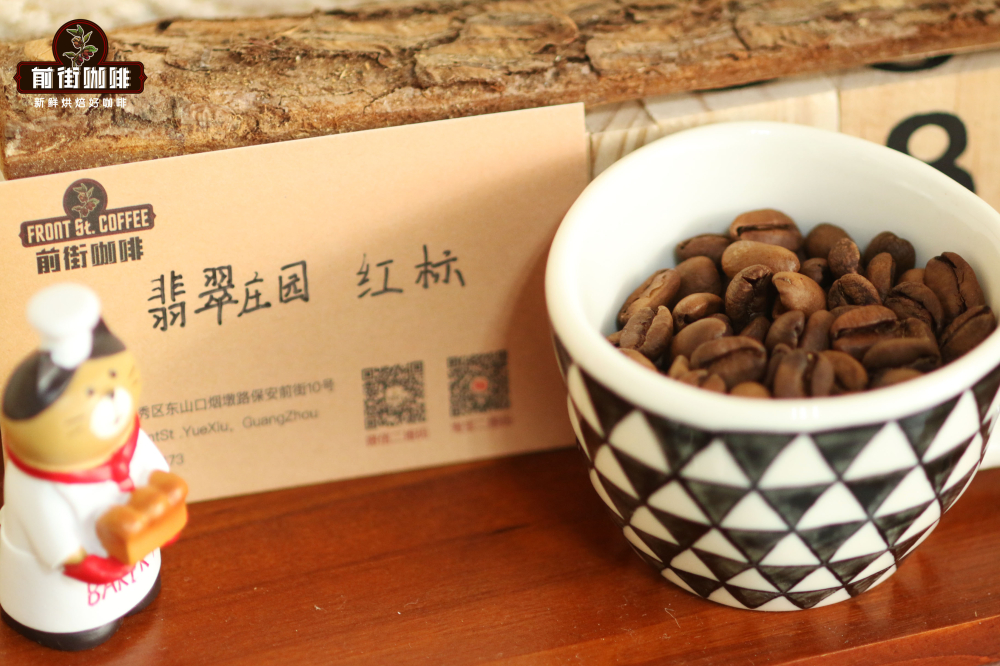
Today, whether you are a coffee enthusiast or someone who occasionally tries something new, you are probably familiar with the term "Geisha." Even if you have never tasted Geisha coffee, you likely know it represents high-quality, rare and expensive coffee. In this article, FrontStreet Coffee will take you through the origins of this world-renowned variety.
Where does the Geisha variety come from?
To understand Geisha, FrontStreet Coffee needs to take you back to the last century. Around 1931, Geisha was first collected from the wild Kaffa forest in southern Ethiopia, in a search for new disease-resistant varieties. It was named after the nearby Geisha Mountain. Later it was transferred to agricultural research institutes in various countries, including Kenya, Uganda and Tanzania, for trial planting. By 1953, the Geisha variety arrived at CATIE (Tropical Agricultural Research and Higher Education Center) in Costa Rica, where it was recorded as T2722.
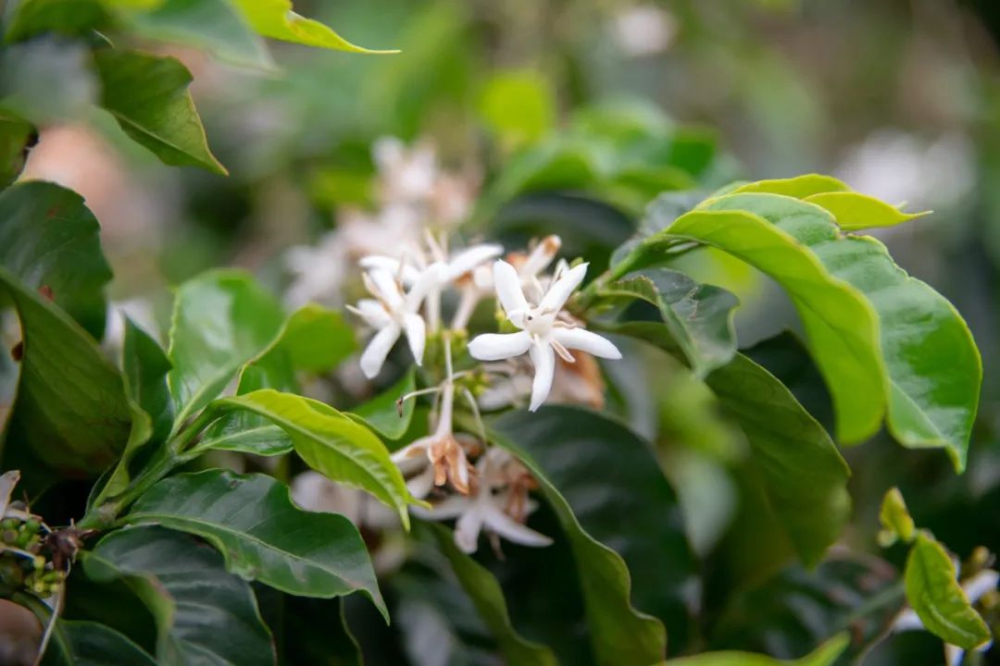
At that time, Geisha was planted on multiple farms across Central America. However, because of its fragile branches, susceptibility to disease and low yield, it was not favored by most farmers and did not see widespread cultivation. It was not until 2003, when the Peterson family at Hacienda La Esmeralda discovered it, and after winning the Best of Panama competition in 2004, that the era of Panamanian Geisha began. FrontStreet Coffee therefore believes that Hacienda La Esmeralda was both the discoverer of Geisha's potential and a crucial catalyst in its rise to fame. Much of Geisha's prestigious reputation today, in FrontStreet Coffee's view, is owed to Panama's Hacienda La Esmeralda.
How did Hacienda La Esmeralda discover Geisha?
In the 1960s, Rudolph A. Peterson, planning for his retirement, purchased Hacienda La Esmeralda in Boquete, Panama, primarily for dairy production. In 1973, Peterson's son returned to Boquete to help manage the farm, began focusing on coffee production, expanded the planted area and introduced more new varieties, including Geisha.
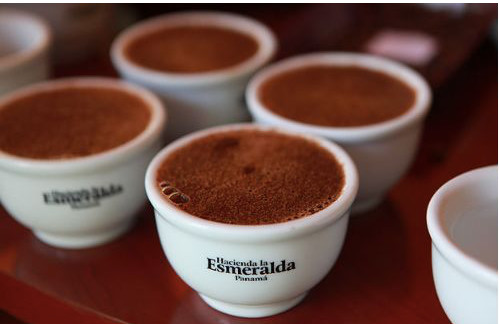
In 1997, when third-generation owner Daniel began joining the estate management, specialty coffee was also on the rise. Daniel learned coffee cupping and conducted cupping sessions on the first harvest of Geisha beans in 2003, classifying the Geisha trees at different altitudes. When the coffee was harvested again the following year, the Peterson family submitted the Geisha beans, which they had found through cupping to have floral aromas and fruit acidity, to compete in that year's Best of Panama competition, ultimately winning the championship with excellent scores.
In 2005, Hacienda La Esmeralda entered Geisha in the SCAA (Specialty Coffee Association of America) competition, defeating many renowned contestants and earning the distinction of world-class specialty coffee. It went on to win world championships in 2006 and 2007, once again attracting attention from coffee enthusiasts worldwide. Since then, coffee-growing regions around the world have rushed to introduce Geisha, including the Yunnan province of our country, which began planting this popular variety. Although Geisha is now produced worldwide, FrontStreet Coffee believes that as the discoverer of Geisha's flavor profile, Hacienda La Esmeralda not only maintains strict quality control over its coffee production but also uses natural processing methods to best present the classic "Geisha flavor."
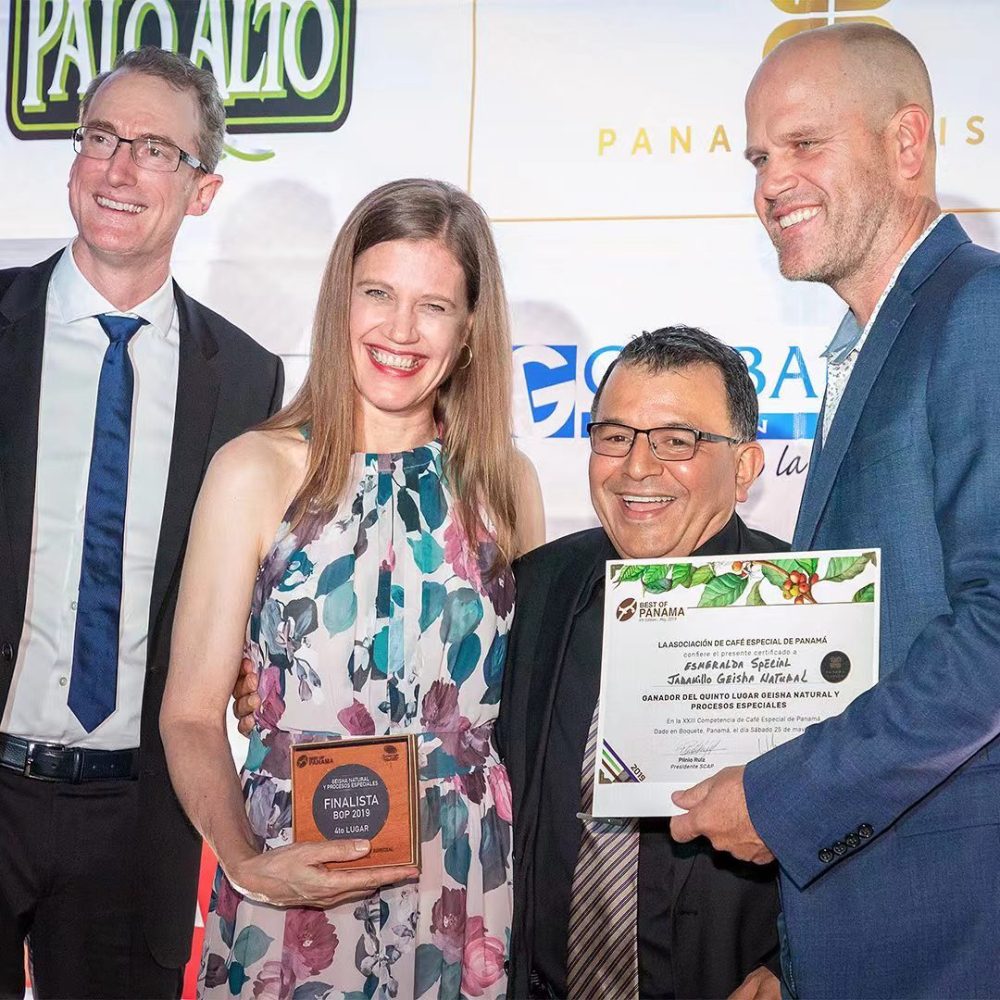
Geisha from Hacienda La Esmeralda
After Geisha coffee won championship honors, the Peterson siblings implemented more systematic management of the Geisha trees in their estate. Broadly speaking, the Geisha growing areas are divided into three main sections: Cañas Verdes, Jaramillo and El Velo. To ensure the traceability of each coffee batch, the Peterson family subdivided each main section into smaller plots, allowing buyers of Geisha coffee to access specific planting-area information through batch records.
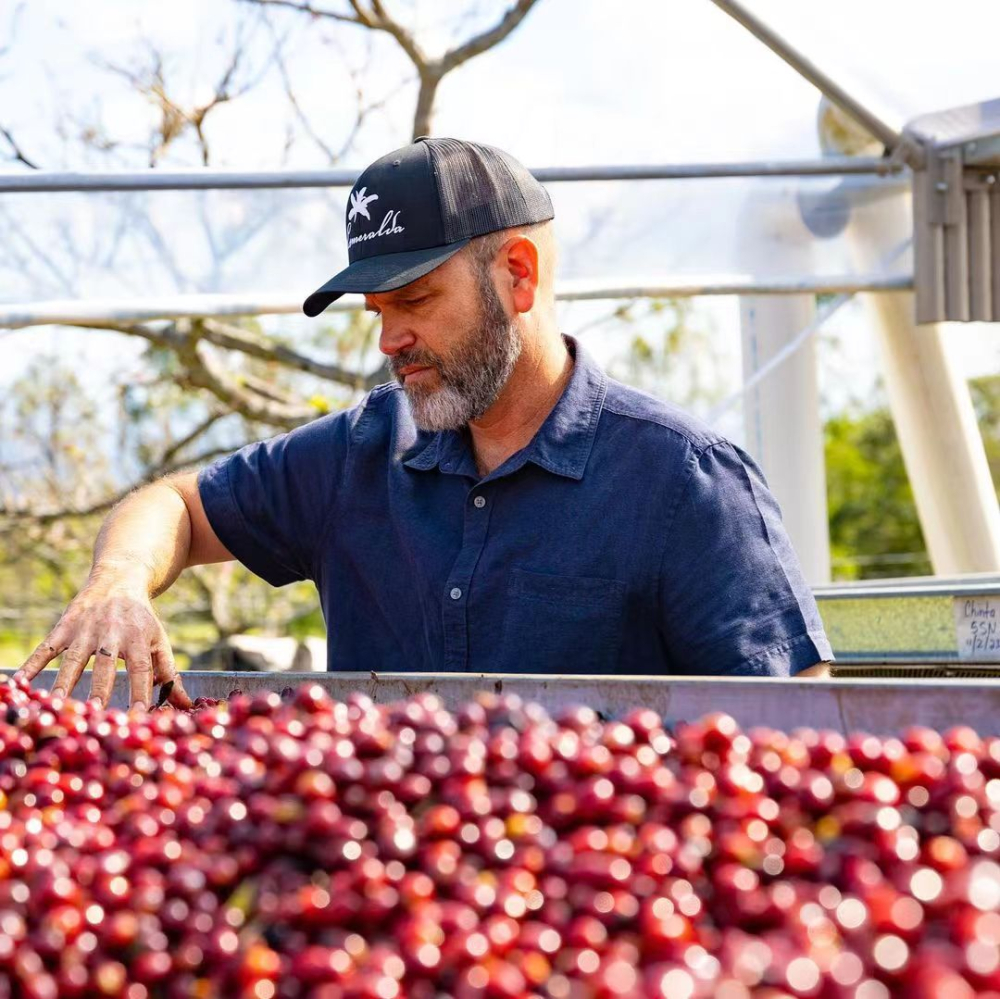
The Geisha variety was first discovered in the Jaramillo section. It was here that the Peterson siblings decided to increase the planting altitude for Geisha. As the discovery and cultivation site of Geisha, Jaramillo has become Hacienda La Esmeralda's most renowned section. With an average altitude of over 1650 meters, the cool, moist air on the mountain allows the Geisha coffee here to be rich in natural essence and exquisitely fragrant.
Jaramillo is named after the Jaramillo mountain range east of Boquete, with an annual rainfall of 4000ml, average daytime temperatures of 19-25°C and average nighttime temperatures of 11-15°C. The air across the whole region is humid and cold. Jaramillo is subdivided into 6 red label sections: Mario, Noria, Reina, Bosque, Buenos Aires, and the newly added Caballeriza from last year.
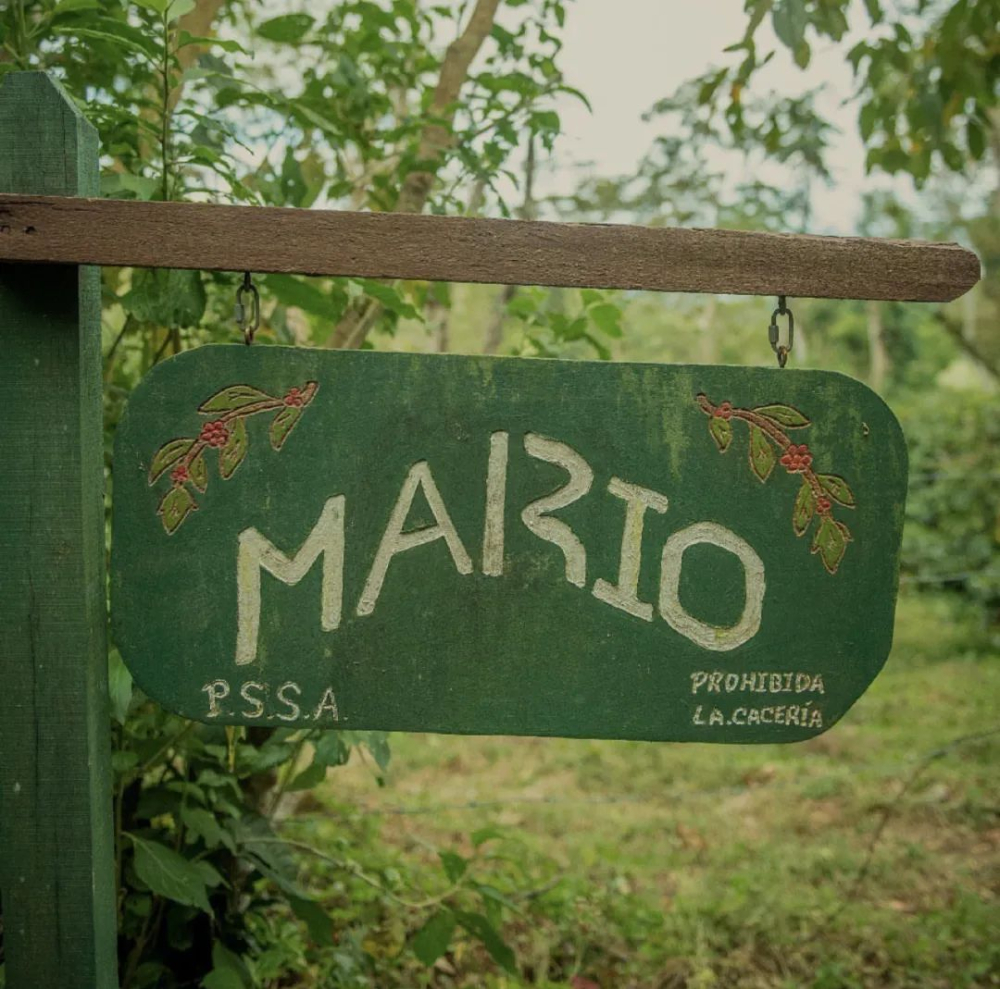
Canas Verdes Estate is typically transliterated into Chinese as "Kannasiweidesi," while in Spanish it translates to "green reeds" or "green fields." Half of Canas Verdes was acquired along with Jaramillo in 1967. After Geisha rose to fame in 2004, the Peterson family gradually began purchasing surrounding small plots of land. Because the entire growing area sits on the eastern slopes of Baru Volcano, there is a significant range in altitude, distributed from 1500 to 2050 meters. Canas Verdes has an annual rainfall of 3500ml, average daytime temperatures of 16-23°C and average nighttime temperatures of 10-15°C. The highly complex terrain, volcanic soil and distinct day-night temperature differences give Geisha its aromatic character.
Currently, the Geisha-growing areas in Canas Verdes include 11 small plots: Lino, Coronado, Fundador, León, Montaña, Trapiche, Jacinta, Cabaña, Tumaco, as well as Nido and Colga. FrontStreet Coffee's current red label batch comes from the Trapiche section, which shows excellent sweetness. The green beans were processed using natural methods, bringing rich aromas to the coffee, reminiscent of jasmine, cranberry, passion fruit, citrus and cinnamon.
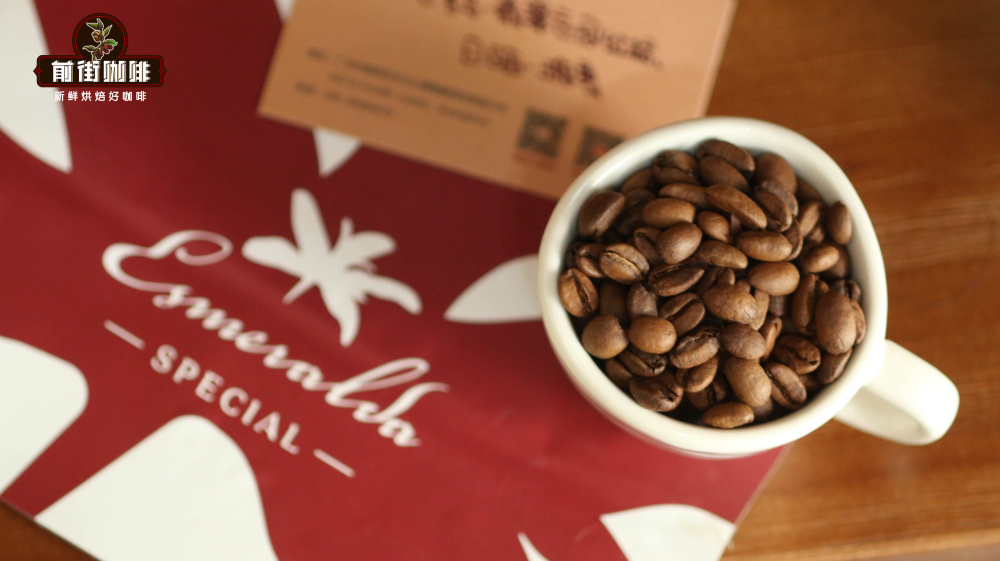
How to brew specialty Geisha coffee without waste?
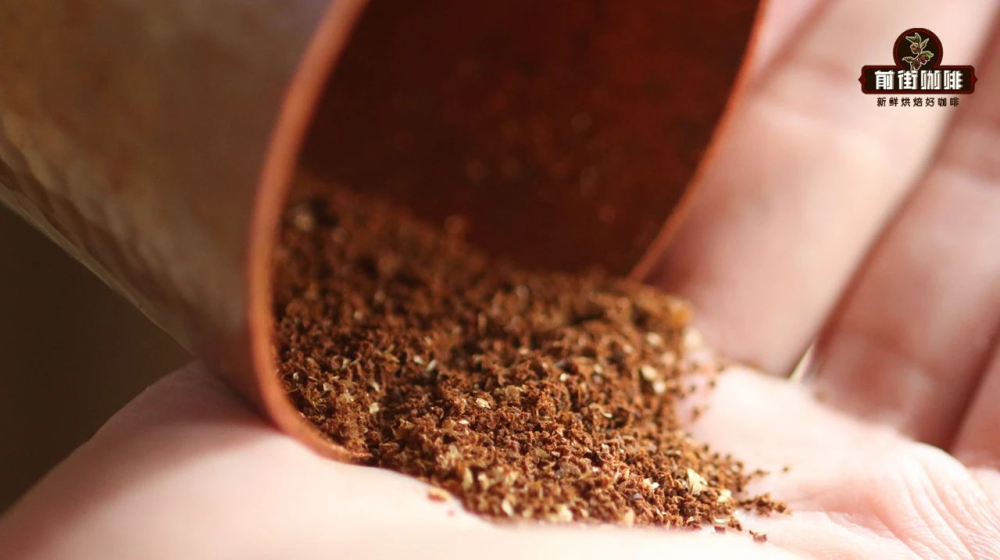
Geisha coffee is world-renowned for its rich floral aromas and complex fruit notes. FrontStreet Coffee's roasters want to preserve more of Geisha's quality acidity, and therefore choose a medium-light roast (with slight adjustments for different batches). This roast level does not significantly change the high density of beans grown at high altitudes, so brewing requires a higher extraction rate to present fuller flavor layers. That means using a higher water temperature and a slightly finer grind to extract more aromatic compounds. FrontStreet Coffee also wants a clearer flavor expression in Geisha coffee, so we use a slightly larger coffee-to-water ratio of 1:16.
To increase the extraction rate of Geisha coffee while avoiding over-extraction and highlighting the sweet-and-sour flavor layers, FrontStreet Coffee's baristas use the V60 dripper. The V60 features flow ribs connecting the top and bottom and a large central hole that accelerates water flow, while the spiral-shaped air vents extend the water path and increase contact time between the coffee grounds and the hot water. Each stream of water converges along the grooves toward the center point of the dripper, concentrating pressure on the coffee grounds and producing a richer, more layered extraction.
Below, FrontStreet Coffee demonstrates the brewing steps for the Esmeralda Red Label Natural Geisha served in our store. You can refer to this and compare it with your own approach. The parameters for hand-pouring Red Label Geisha are: Dripper: V60, Water temperature: 91-92°C, Coffee amount: 15g, Coffee-to-water ratio: 1:16, Grind size: fine sugar (sieved through a #20 sieve to 80%).
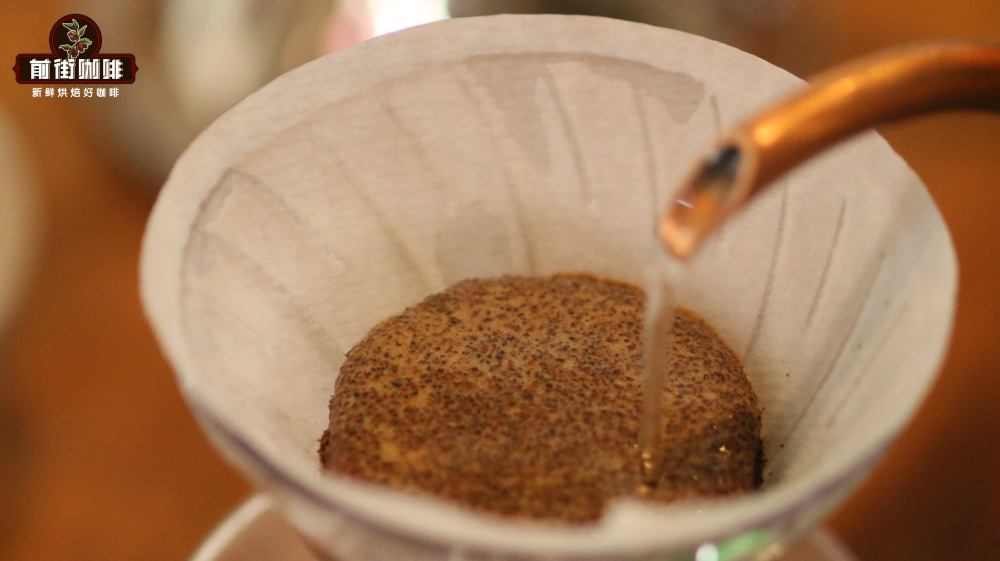
Three-stage extraction: First, pour 15 grams of coffee grounds into the dripper and zero the scale. For the first stage, inject 30g of water for a 30-second bloom while starting the timer. Use a small stream, pouring from the center point outward in circles, making sure the entire coffee bed is moistened.
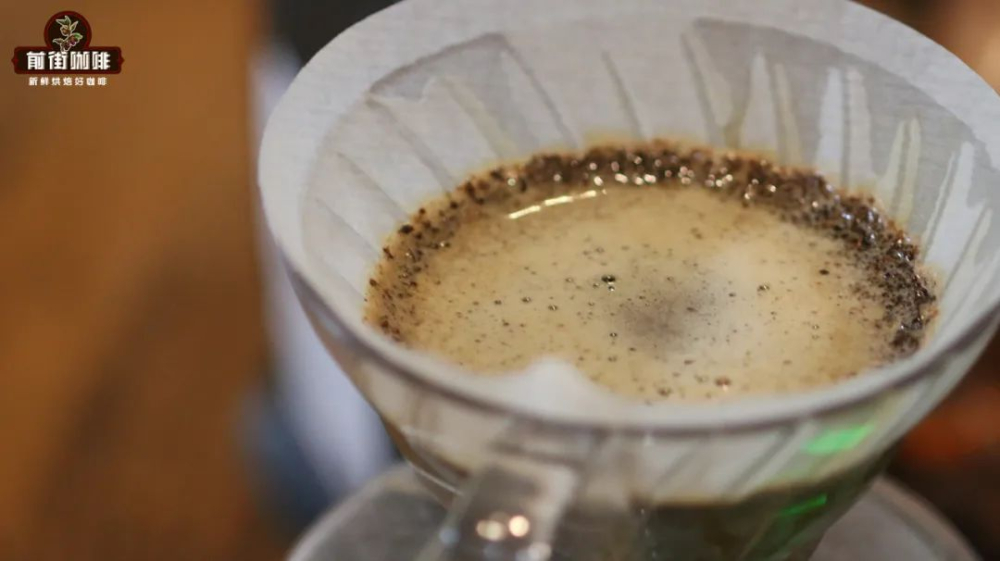
For the second stage, begin with a slightly larger stream, injecting 120g of water. The goal is to raise the entire coffee bed. The stream should be poured vertically and evenly. At this point the scale should read 150g, with pouring completed around 55 seconds.
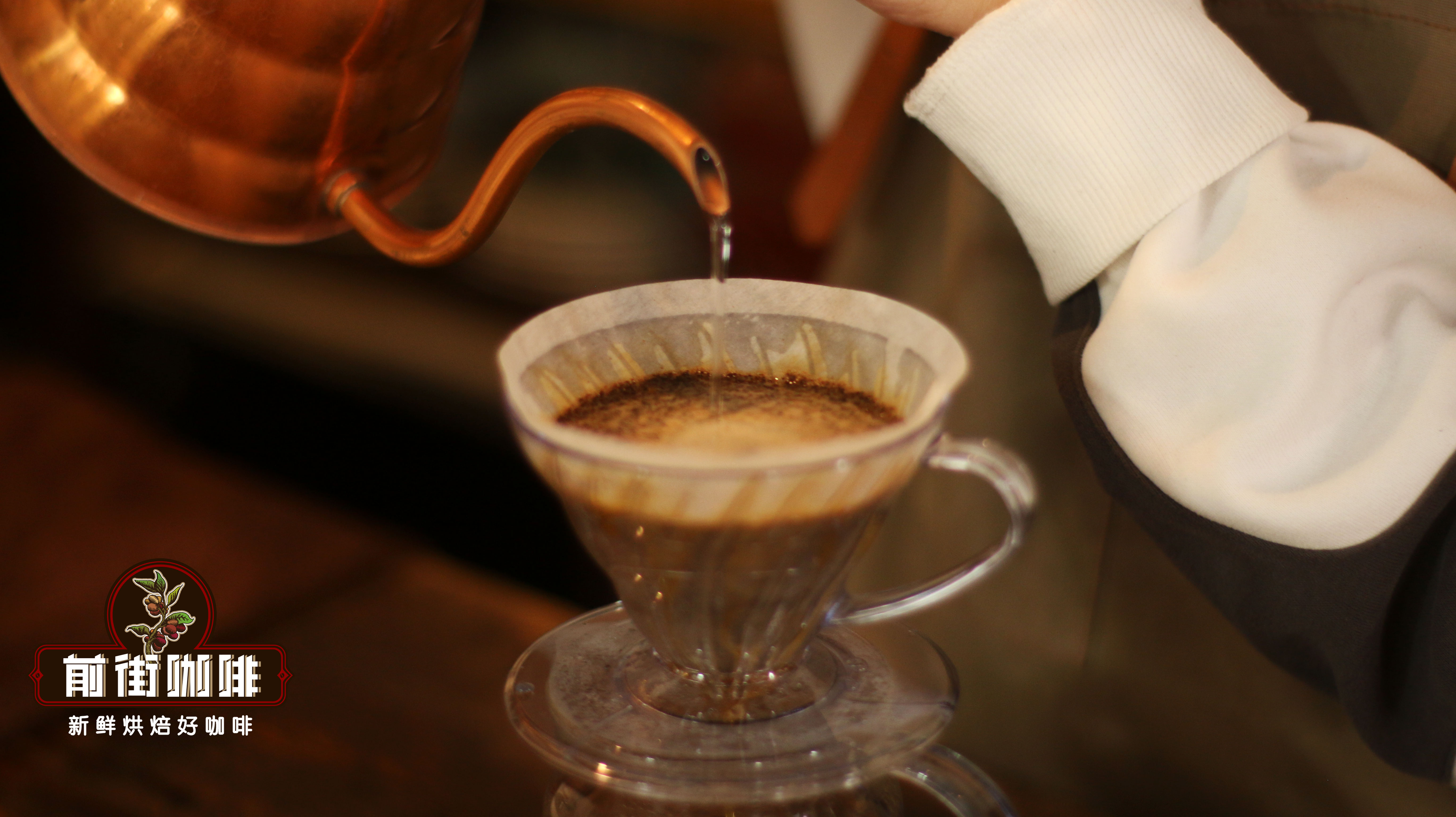
When the liquid level drops to about halfway, begin using a small stream in small circles to inject the third stage of 90 grams. Try to keep the stream from circling too widely, as this can easily scatter the coffee grounds and cause under-extraction. The total water injection should be 240 grams, with the drip finishing at around 2 minutes 10 seconds. After removing the dripper, shake the coffee in the server evenly before tasting.
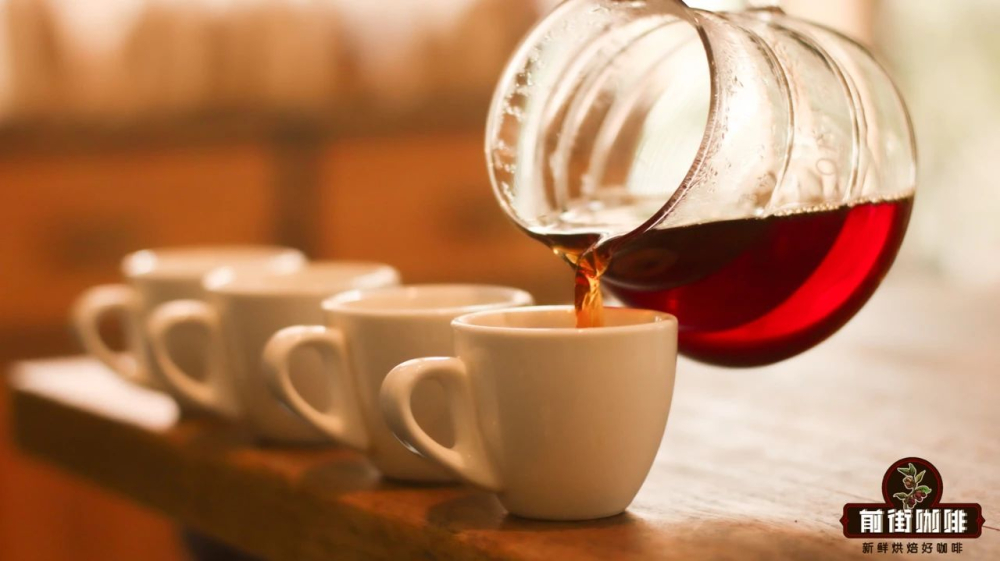
The hand-poured Esmeralda Red Label Geisha has fresh jasmine, citrus and tropical fruit acidity. The flavor layers change with temperature, the overall mouthfeel is smooth, and the tea-like aftertaste is pleasant.
FrontStreet Coffee Recommendation
Because the Emerald Estate's growing areas are divided into clearly defined sections, FrontStreet's Boquete Geisha is a natural entry point into this world-famous Panama estate. It is an entry-level Geisha that lets you experience the classic Boquete balance of orange-blossom honey sweetness at an accessible price, with an oolong-tea-like body, delicate fruit acidity and clearly separated layers.
For a higher grade from the same estate, FrontStreet's Emerald Red Label Geisha, formally called "Esmeralda Special," is grown at 1600-1800 meters, and every batch must cup at over 90 points and carries its own independent lot number. FrontStreet's Red Label comes from the Jaramillo plot. FrontStreet's Emerald Green Label Geisha, originally "Private Collection," is blended from several plots rather than tied to one, expressing the estate's signature high-altitude Geisha character at a friendlier price.
These coffees respond well to the same careful hand-pour approach: a light-medium roast, a slightly finer grind and a 1:16 ratio with water around 91-92°C, which lets the jasmine, citrus and tropical fruit layers come forward without over-extracting the delicate aromatic compounds.
Important Notice :
FrontStreet Coffee is a long-established specialty coffee roaster in Guangzhou China, selling freshly roasted beans from its own farm in Yunnan as well as dozens of carefully selected single-origin beans from around the world for both pour-over and espresso. The products deliver consistently excellent quality and great value, with shipping within 24 hours. Guangzhou's FrontStreet Coffee shop is recommended by many coffee lovers, and the beans are now available online at the Tmall 。
FrontStreet Coffee has moved to a new address:
FrontStreet Coffee Address: 315,Donghua East Road,GuangZhou
Tel:020 38364473
 Scan and follow the En Gafei WeChat official account. Please indicate that the reprint comes from "En Gafei".