China's Finest Coffee Growing Regions: Yunnan's Premium Small-Bean Coffee with Balanced Acidity and Bitterness

Chinese coffee mainly falls into two camps: Hainan coffee and Yunnan coffee. Hainan grows mostly Robusta, which is usually dark roasted into a pungent, intense cup. Yunnan, China's largest coffee-growing region, is the country's only production base for high-quality green coffee and the earliest place on the Chinese mainland to cultivate coffee. Many Chinese know far less about Yunnan coffee than about Yunnan Pu'er tea, yet nowadays you will find Yunnan coffee in nearly every coffee shop, and interest has only grown in recent years.
Yunnan: China's Premier Coffee Region
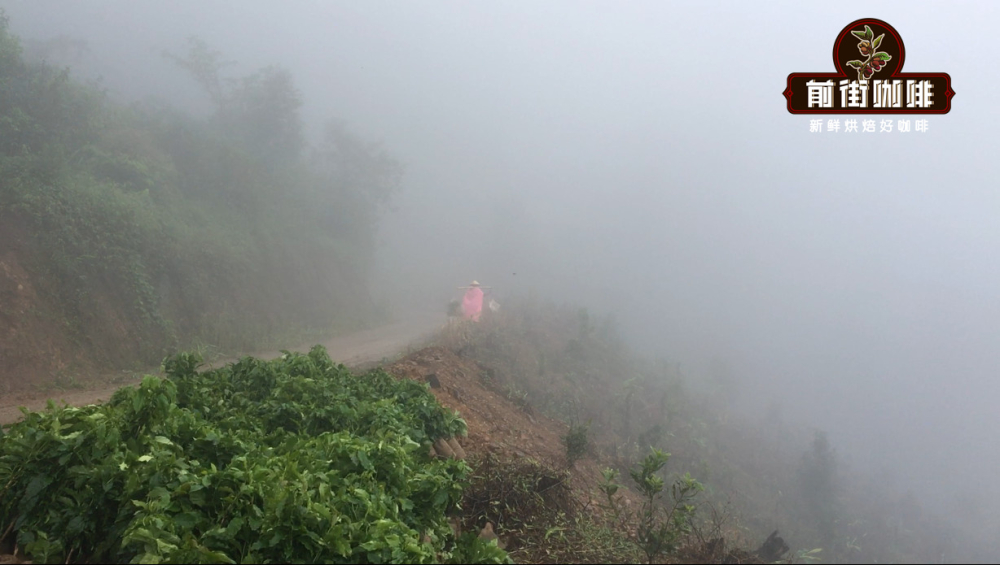
Although Yunnan's output is modest next to neighboring producing countries, its quality does not take a back seat to anyone. Yunnan accounts for 95% of China's total coffee production, making it the country's dominant coffee region.
The growing areas sit in the province's southwest, squarely inside the world coffee golden belt between the Tropic of Cancer and the Tropic of Capricorn. Altitudes run from 1,000 to 2,000 meters, mostly steep mountain slopes with fertile soil, so farmers typically plant on hillsides. Abundant rain and sunshine, combined with the wide day-night temperature swings at altitude, create exceptionally favorable terroir. As attitudes toward coffee evolve, Yunnan now puts real emphasis on quality and is steadily stepping onto the specialty coffee stage.
Yunnan Small-Bean Coffee: Arabica by Another Name
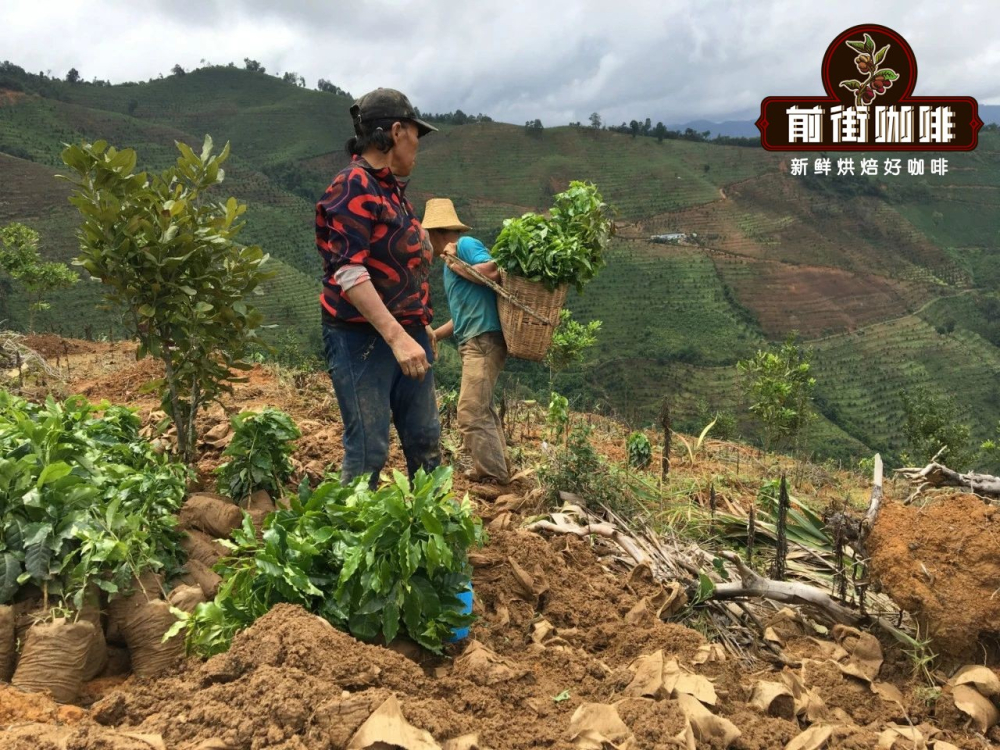
"Small-bean coffee" is not unique to Yunnan, it is grown anywhere coffee can be grown. You see it everywhere today; businesses just call it by its other name, Arabica. Yunnan's "small-bean coffee" is simply the local market name for Arabica variety coffee. All Arabica varieties trace back to Africa, were spread and developed by Arab traders, and eventually reached the Americas and Asia. Flavor-wise, Yunnan small-bean coffee is neutral, neither too acidic nor too bitter, with a comfortable touch of acidity that suits mainstream palates.

Yunnan Small-Bean Coffee Varieties
Yunnan small-bean coffee was originally named for Typica, the Arabica variety itself, and Typica is the oldest coffee variety in Yunnan. Later, when Nestlé entered the region, Typica's poor disease resistance and low yields became a problem: farmers were asked to cut down the flavorful Typica trees and replace them with higher-yielding, disease-resistant varieties, first the rust-resistant S288, then the higher-yielding Catimor. In other words, the coffee trees now grown across Yunnan are mainly Catimor.

"Small bean" refers to the smaller-sized Arabica seed, in contrast to Hainan's larger Robusta beans. Yunnan's first plantings were Typica and Bourbon, two pure Arabica varieties. The heirloom Typica is widely recognized as a premium variety, famous Jamaican Blue Mountain is Typica, prized for rich aroma and delicate, nuanced flavor, but it yields very little and readily falls to leaf rust, demanding labor-intensive care. Coffee is a cash crop on which Yunnan farmers make their living, and when yields are too low to support a household, switching varieties is the only practical option. So most growers moved to the higher-yielding Catimor.
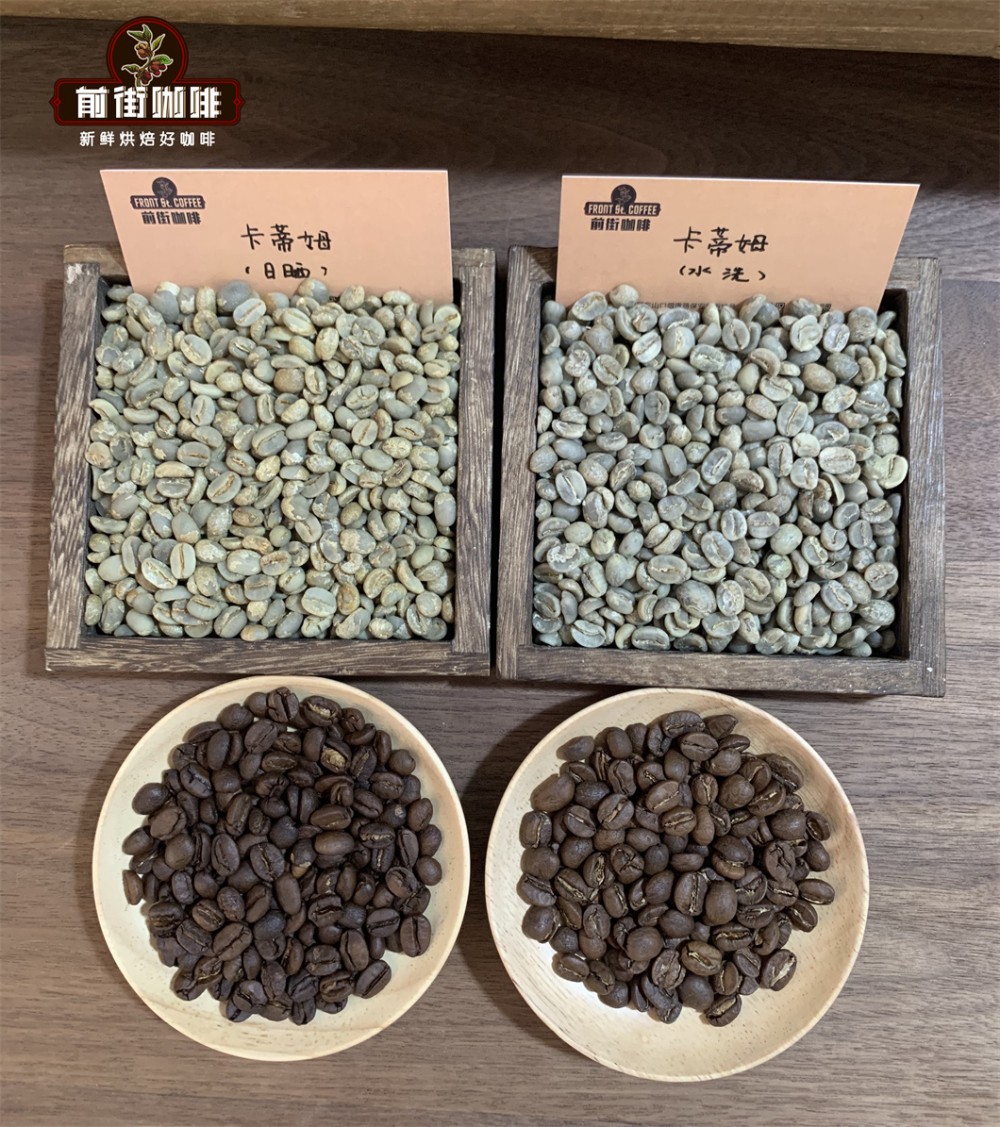
Typica
The most classic premium Arabica variety, and the ancestor of many commercial cultivars. Its flavor performance is outstanding and it is universally recognized as a specialty coffee variety, but yields are extremely low and the plants are prone to leaf rust, requiring intensive management. Typica originates from southeastern Ethiopia and Sudan and is the most widely cultivated variety in the Western Hemisphere. The plants are relatively robust but shade-intolerant, and they yield especially well in Hawaii. Typica's young top leaves are copper-colored, earning it the nickname "red-topped coffee."

Catimor
Today most of Yunnan's coffee is Catimor. Because Typica is susceptible to coffee leaf rust and yields poorly, farmers reluctantly replaced those flavorful trees with Catimor, which produces more and resists rust.

In Han Huaizong's book "Specialty Coffee Science," which surveys China's coffee regions, it is noted that by 1998 more than 90% of Yunnan's coffee was Catimor.
Catimor is a hybrid of Timor and Caturra, developed in 1959 by the Portuguese Coffee Leaf Rust Research Center (CIFC). It is highly productive, with compact plants suited to dense planting and good disease resistance. But because Catimor carries Robusta genes, it shows more noticeable bitterness and grassy notes than pure Arabica, and is slightly weaker in cleanliness, fruitiness, and richness. Robusta itself resists leaf rust well, produces rich crema and high yields, and is easy to grow. After crossing with Arabica Typica, Catimor picked up 25% Robusta genes, improving rust resistance while retaining generous oils and some of Typica's depth of flavor. That is why most Yunnan estates began planting Catimor at scale while Typica's footprint shrank.

Major Coffee-Producing Regions in Yunnan
Yunnan has no four distinct seasons, only dry and rainy ones, and most of its coffee regions share similar conditions, which is why some areas use natural processing. The rainy season begins in June and lasts three to four months, the most favorable window for coffee cultivation: seedlings planted then, nourished by months of rain, develop strong root systems that carry them through the following six-month dry season.
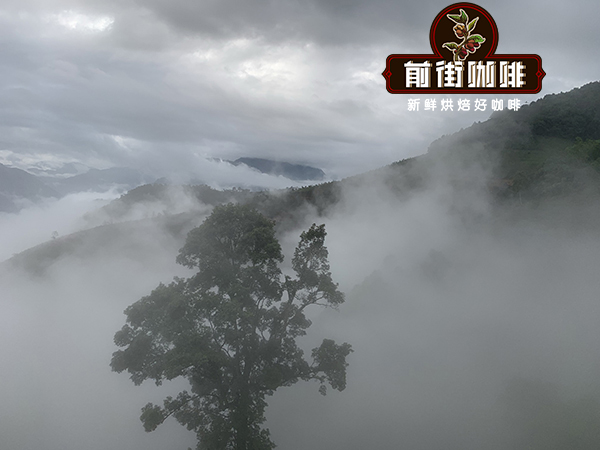
Yunnan small-bean coffee trees bear fruit in 3-4 years. Coffee is a short-day plant with multiple flowering periods and concentrated blooming. Yunnan's small-bean coffee flowers from February to July, peaking between March and May. Flowering is highly sensitive to climate, especially rainfall and temperature, and the blossoms live only 2-3 days, typically opening between 3 and 5 AM and reaching full bloom between 5 and 7 AM. Fruit development is slow: small-bean cherries take 8-10 months to mature, usually from October to December of the same year. Rainfall strongly affects fruit development, so climate directly shapes the harvest.
Yunnan's best-known coffee-growing areas are Baoshan, Pu'er, Lincang, and Dehong.
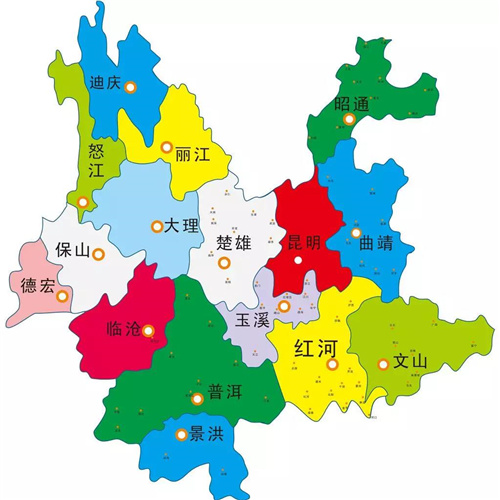
Lincang has a subtropical low-latitude plateau mountain monsoon climate with complex terrain and varied microclimates. Influenced mainly by warm, moist Indian Ocean air currents and the southwest monsoon, it lacks sharp seasons but has distinct dry and rainy periods. Rainfall is plentiful and sunshine is long, over 2,000 hours a year on average. The frost period is short, with some areas frost-free year-round, and the vertical climate is pronounced: mountain areas average 13-15°C annually.

FrontStreet Coffee has established its own estate in Yunnan's Lincang region. In 2021, FrontStreet Coffee produced its first estate-grown bean, the FrontStreet Coffee 2013 Natural Typica. From early on, FrontStreet took an interest in this "green pearl on the border," planting the oldest Arabica variety, Typica, on its estate in one of Yunnan's main coffee regions.
The tea town of Pu'er has a 150-year history of coffee cultivation. In the early 1990s, the city began developing coffee as a key industry to restructure the local economy and raise farmers' incomes. Thanks to the subtropical monsoon climate, most of the area is frost-free year-round, no severe cold in winter, no extreme heat in summer. Pu'er averages 15-20.3°C annually, with over 315 frost-free days and 1,100-2,780 mm of rain a year.
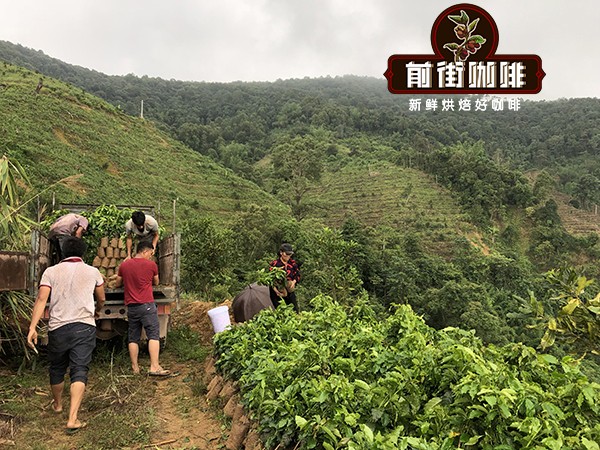
Coffee cultivation in Baoshan began in the mid-1950s, when the patriotic overseas Chinese Mr. Liang Jinshan introduced the first seedlings from Southeast Asia. As international trade has expanded, the small-bean coffee of the Lujiang Basin has become famous far and wide. Baoshan has a low-latitude mountainous subtropical monsoon climate; its position on a low-latitude plateau with complex terrain creates a vertical climate where "one mountain has four seasons, and weather changes every ten li." With its long cultivation history, Baoshan is recognized as a premier small-bean producing area, among the best in the country and the world. Most of its cultivation is Catimor as well.
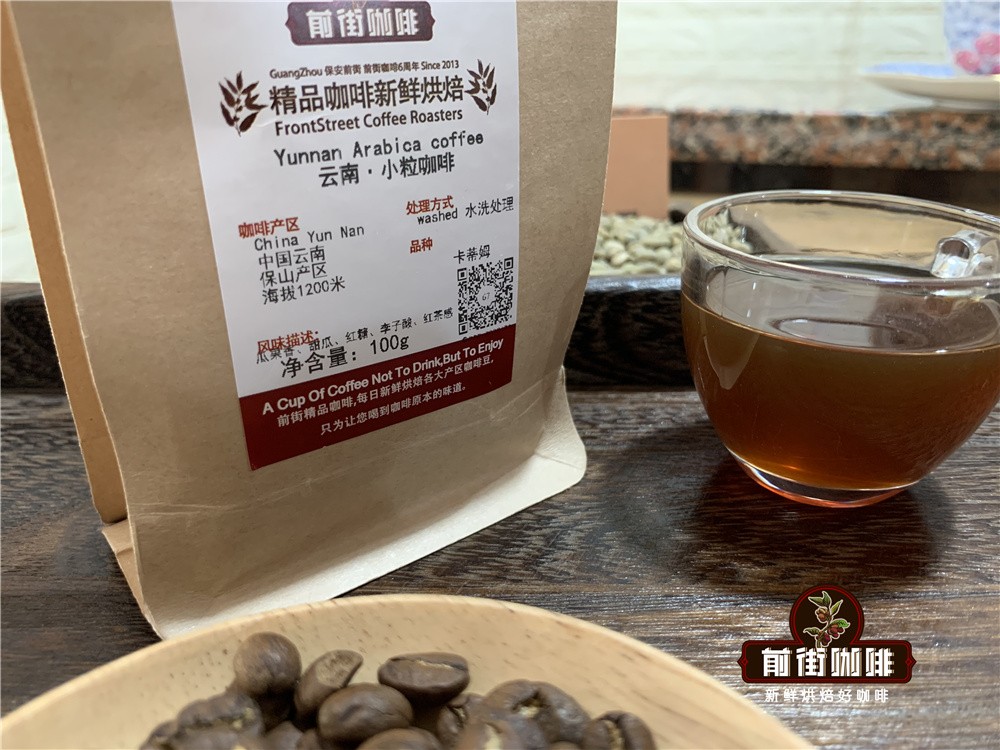
FrontStreet Coffee's washed Yunnan small-bean coffee comes from Baoshan.
Dehong has no severe winter cold and no summer heat, with plentiful rainfall that arrives alongside the heat; dryness and cold come in the same season, annual temperature swings are small while daily swings are large, and frost days are few, excellent conditions for growing coffee and for the trees to overwinter. The prefecture sits close to the Tropic of Cancer at low latitude, and under the influence of the Indian Ocean southwest monsoon it has a south subtropical monsoon climate.
Yunnan Coffee Bean Processing Methods
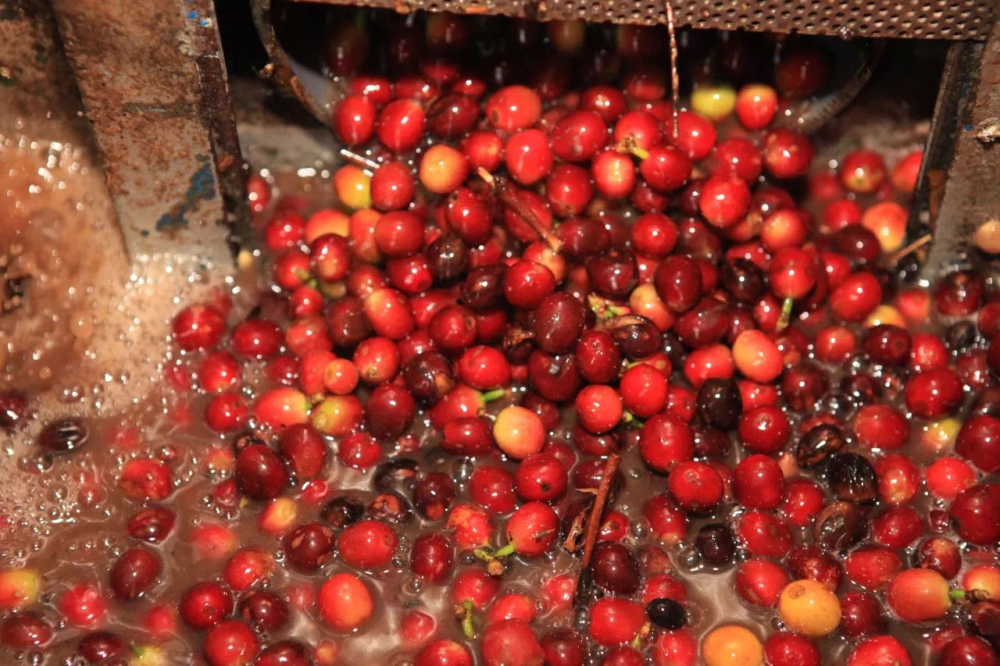
Because of the long rainy season and unstable weather, most Yunnan coffee is washed. Naturals exist too. FrontStreet's Catimor lineup includes both washed Yunnan small-bean coffee and natural Catimor, plus the FrontStreet Coffee 2013 Natural Typica from its own estate.
FrontStreet Coffee's Brewing Parameters for Yunnan Coffee
To preserve the acidity and tea-like character of Yunnan coffee, FrontStreet uses a medium roast. For brewing, use a V60 dripper with a 1:15 coffee-to-water ratio, a medium grind (roughly coarse sugar; about 75% retention on a #20 standard sieve), and 88°C water.
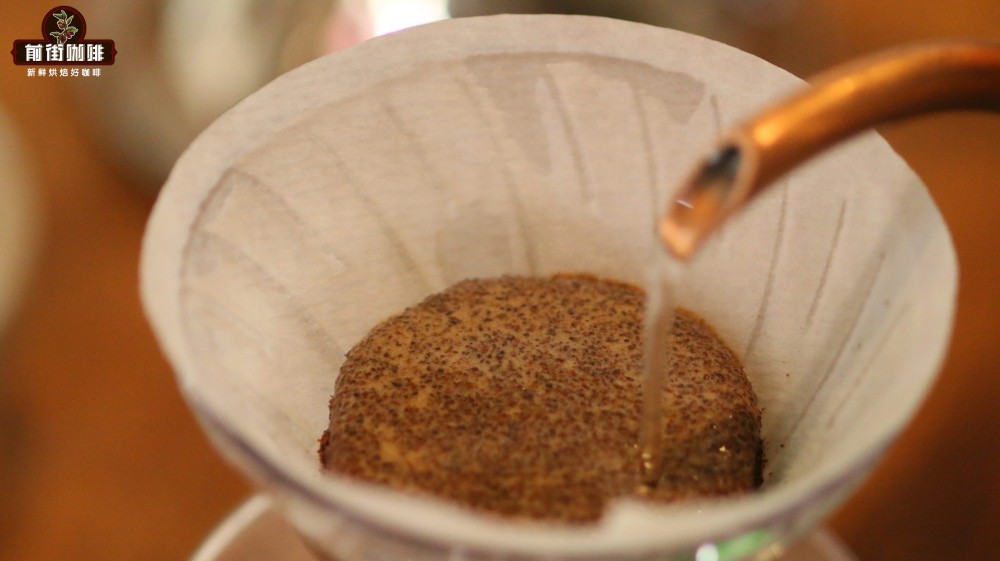
Brew in stages: bloom with twice the water as coffee, 30g of water for 30 seconds. The bloom lets the grounds vent trapped carbon dioxide so the rest of the extraction runs steady. Then pour in slow circles to 125g, continue to 225g, and stop. Remove the dripper once dripping finishes. Total time from the first pour: 2'00". Give the whole cup a good swirl and pour into tasting cups.
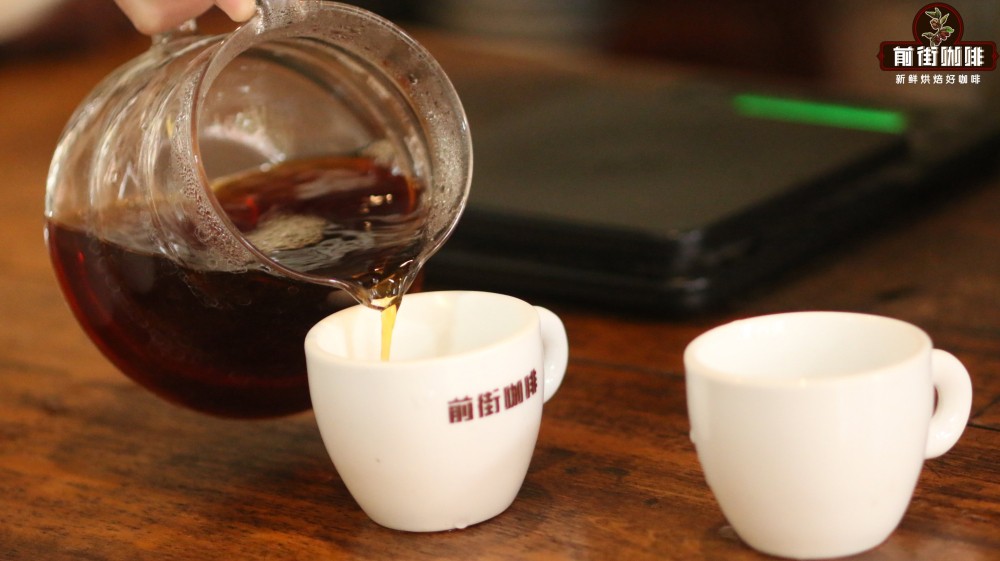
FrontStreet Coffee Washed Yunnan Small-Bean flavor: herbal notes, nutty aroma, chocolate, caramel, with a hint of fruit acidity in the aftertaste.
FrontStreet Coffee Yunnan Natural Catimor flavor: nuts, chocolate, spice, caramel, plum.
FrontStreet Coffee's Brewing Suggestions
A great cup starts with bean freshness. FrontStreet believes freshness is the single biggest factor in flavor, so every order ships within 5 days of roasting. The roasting philosophy is "freshly roasted good coffee", coffee needs about 4-7 days to degas, so it arrives right at peak flavor.
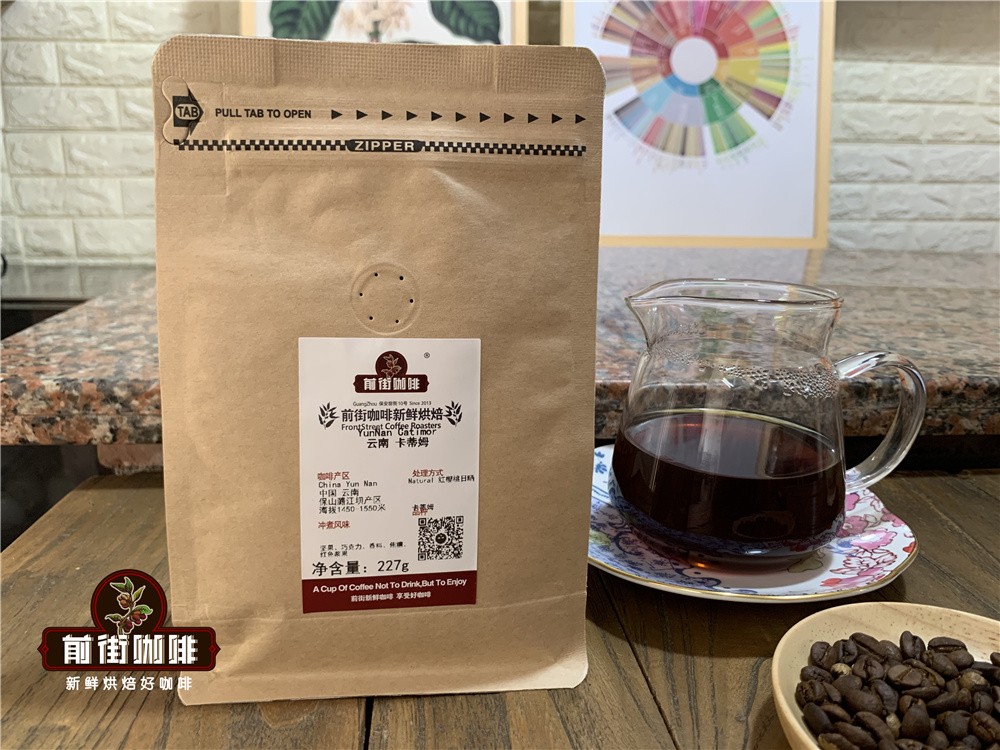
If you need pre-ground coffee, one note: grounds don't need to degas, the CO2 pressure building in the bag during transit actually helps mellow the flavor, so you can brew immediately on arrival. But ground coffee stales fast: oxidation strips flavor quickly, so brew it promptly. FrontStreet recommends buying whole beans and grinding fresh before each brew for the fullest flavor.
With growing enthusiasm for domestic products, Chinese coffee is steadily being discovered and loved. FrontStreet loves Yunnan coffee first and foremost because it is China's own coffee. Of FrontStreet's more than fifty single origins from around the world, three come from Yunnan: Yunnan Washed Small-Bean Coffee, Yunnan Natural Catimor Coffee, and the estate-grown FrontStreet Coffee 2013 Natural Typica.
FrontStreet Coffee Recommendation
"Small-bean coffee" is simply another name for Arabica, the smallest-fruited of the three original coffee species. Yunnan's story goes back to 1904, when the French missionary Tian Deneng brought Typica seeds from Vietnam into Yunnan and planted the province's first coffee tree in Zhugula Village, Binchuan County. Thanks to Yunnan's fine geography and mild climate, small-bean cultivation took off. FrontStreet's Yunnan small-bean coffee comes from Baoshan, washed and medium roasted, showing gentle nut and chocolate sweetness with a touch of plum acidity, at an approachable price, it is many people's first taste of Yunnan coffee and our top pick for an entry-level Chinese Arabica. Washing removes the mucilage layer through fermentation and rinsing before drying, letting the region's own flavor signature shine through.
For a clearer, more distinct Yunnan profile, step up to the FrontStreet Coffee 2013 Natural Typica. FrontStreet built its estate in 2013 and planted Typica, one of the oldest and purest Arabica varieties, with elegant, clean flavors and full Arabica genetics, and also the very variety first brought into Yunnan. The estate uses the most traditional post-harvest method, natural sun-drying, on only fully ripe red cherries. A medium roast keeps the cup balanced with prominent sweet-and-tart structure: dark berry tones, caramel sweetness, chocolate, a hint of dried apricot, and a black tea finish.
If you want Yunnan character in espresso, try the FrontStreet Black Cocoa Blend, a barista favorite combining Yunnan small-bean with Brazilian Cerrado. Brazil contributes mixed-nut aroma and balance; Yunnan brings chocolate and citrus. As an Americano it balances sweetness, acidity, and bitterness with nut and brown-sugar aromatics; as a latte it is silky with almond and cream, very forgiving for beginners.
Important Notice :
FrontStreet Coffee is a long-established specialty coffee roaster in Guangzhou China, selling freshly roasted beans from its own farm in Yunnan as well as dozens of carefully selected single-origin beans from around the world for both pour-over and espresso. The products deliver consistently excellent quality and great value, with shipping within 24 hours. Guangzhou's FrontStreet Coffee shop is recommended by many coffee lovers, and the beans are now available online at the Tmall 。
FrontStreet Coffee has moved to a new address:
FrontStreet Coffee Address: 315,Donghua East Road,GuangZhou
Tel:020 38364473
 Scan and follow the En Gafei WeChat official account. Please indicate that the reprint comes from "En Gafei".