Are Arabica Coffee Beans American Black Coffee? Where Do Arabica Coffee Beans Come From and What Are Their Flavor Characteristics?
Arabica: The Main Variety of Coffee
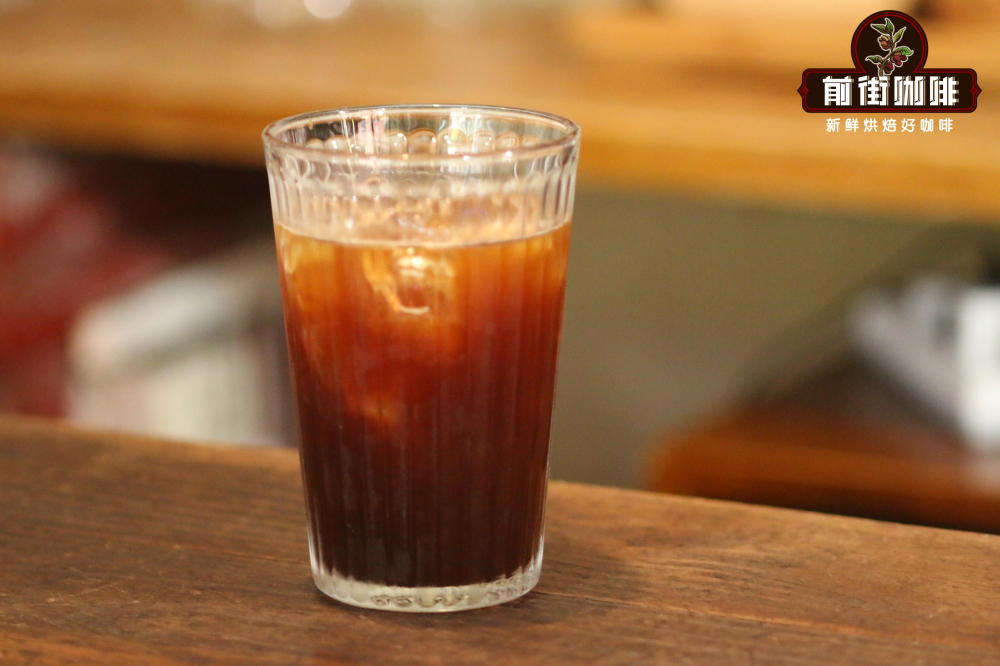
When drowsiness hits, early-rising office workers reach for an iced Americano. The refreshing chill and the rich, mellow coffee aroma snap them back into working shape. But do you know which variety of coffee bean goes into an Americano? This article from FrontStreet Coffee introduces the main coffee variety—Arabica.
Two Major Categories of Global Coffee Beans
The world grows three main species of coffee, but only two carry real commercial value and are widely cultivated: Arabica (Coffea Arabica) from the small-fruited coffee family, and Robusta from the medium-fruited family. There is a third, Liberica (Coffea Liberica) from the large-fruited family, whose fruits are twice the size of small-fruited coffee. Because its flavor is only average, it is relatively rare on the market.

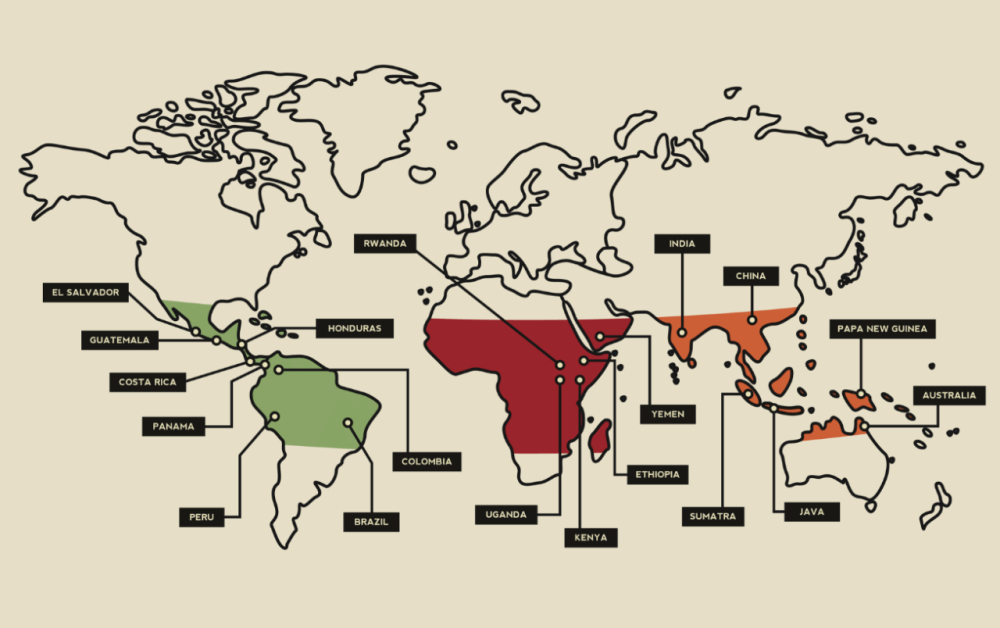
Coffee is a tropical cash crop, generally grown in the coffee belt between the Tropics of Cancer and Capricorn. It needs fairly high and stable temperatures, abundant annual rainfall and sunshine, and fertile, well-drained soil—all conditions that suit coffee trees. The coffee belt sweeps across roughly 70 countries and regions, of which about 50 have climates and other conditions suitable for coffee, making them coffee-producing countries. Brazil, Colombia, Ethiopia, Kenya, and Indonesia all fall within it, as do Yunnan and Hainan in China. Every producing region has its own planting environment and microclimate, which gives Arabica a wide range of growing conditions and, in turn, distinctive flavors and textures.
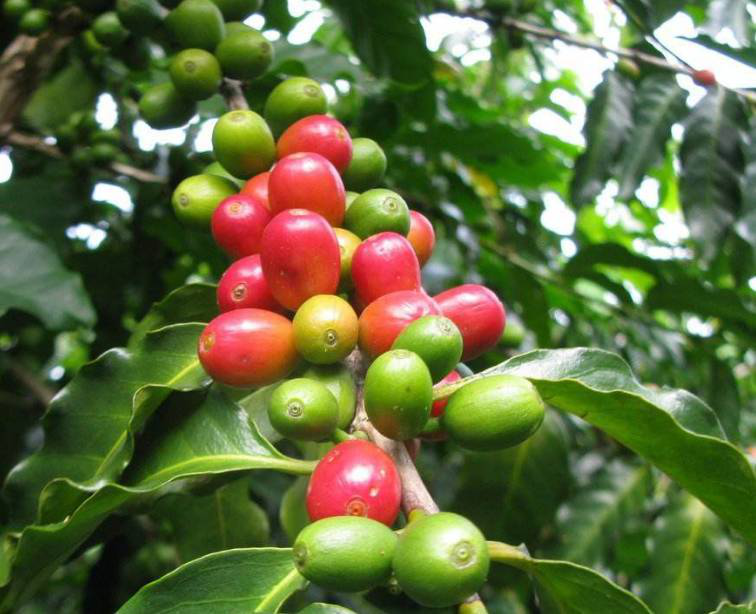
As the world's leading coffee variety, Arabica is extremely demanding about where it grows. It needs high altitudes of 800-2,200 meters without frost. The higher the altitude, the wider the temperature swing, which slows the ripening of the cherries and lets flavor compounds accumulate more fully, producing more developed aromas. Beyond altitude, Arabica also needs ample rainfall, sunshine, loose, well-drained soil, and fertile ground. From a cultivation standpoint it is strongly limited by region, so producing top-quality beans requires more management and higher labor costs.
Compared with the "delicate" Arabica, Robusta has a caffeine content of 2.7%-4%, twice that of Arabica. Caffeine works as a natural pesticide, protecting the plant from most insects, which makes Robusta easier to cultivate and cheaper to buy. Its higher amino acid and chlorogenic acid content also gives it a mellow, deeper bitterness with flavors of walnut, peanut, hazelnut, wheat, and grain. When poorly processed, it can taste earthy as well, which makes it less popular as a single-origin and more common in dark-roasted Italian blends or instant coffee.
In the past, people drank coffee mainly for its rich, mellow bitterness. As specialty coffee culture has spread, drinkers have raised their expectations for flavor, texture, and quality. Arabica, with its far wider aromatic range, now meets those expectations better than Robusta. FrontStreet Coffee's bean selection includes many pour-over single-origin beans, all of them Arabica—clear evidence that, compared with Robusta, people prefer the pure flavors of Arabica.
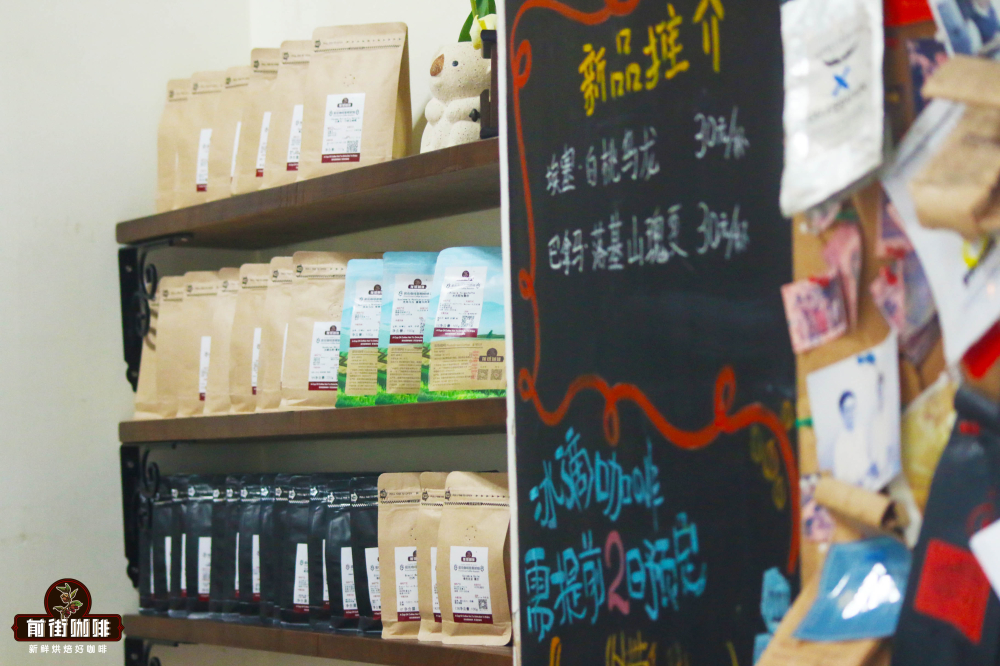
What Are the Representative Members of the Arabica Family?
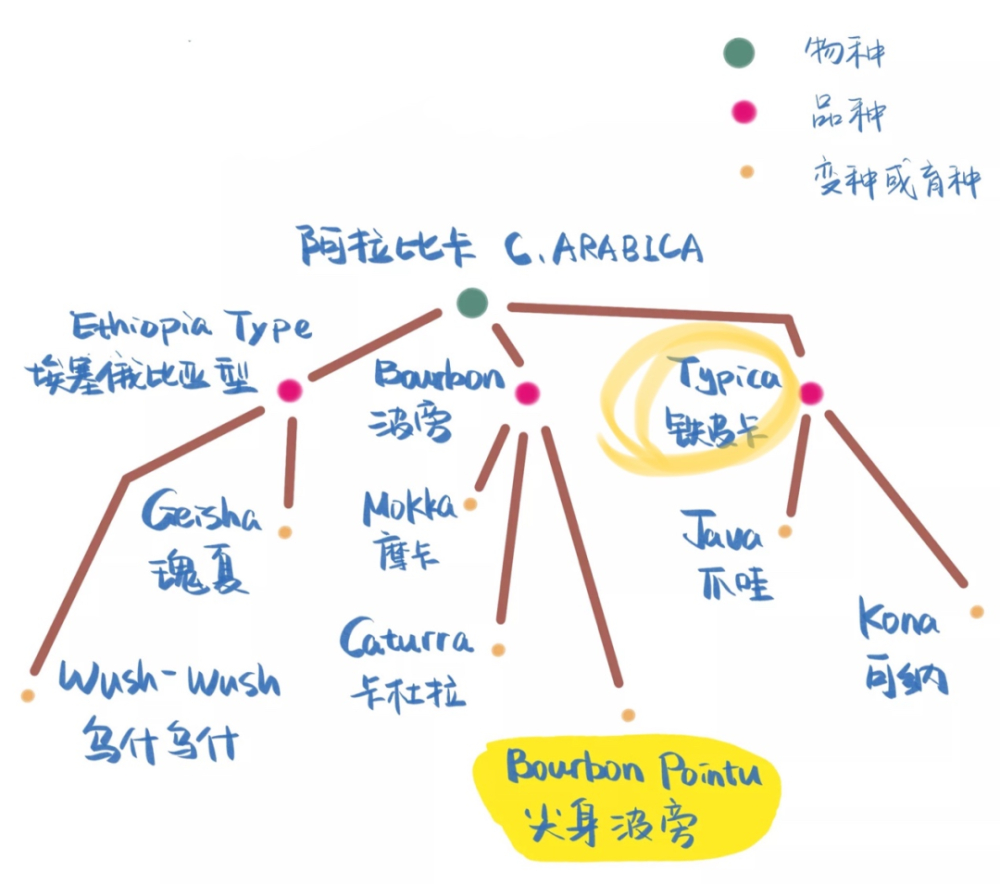
As a broad category, Arabica can be divided into nearly three thousand varieties, all descended from Ethiopia's most ancient native varieties—Typica and Bourbon—after being planted in South America or Asia and undergoing mutation. Coffee is an agricultural product, and its flavor is always tied to variety, climate, altitude, soil, and management; it is an honest reflection of the variety and its local terroir. Here FrontStreet Coffee has picked several representative varieties to help you understand Arabica.
Jamaica's Typica
Typica is the most ancient native variety from Ethiopia, discovered around the 15th to 16th century AD. Its traits include tall trees with bronze-colored top leaves, and relatively large, elongated beans with pointed, upturned ends, somewhat like eggs. Typica coffee often shows citrus acidity with a sweet aftertaste, and many praise it as an elegant, clean bean. Unfortunately, its low yield and poor resistance to leaf rust disease meant farmers gradually replaced it with hardier varieties.
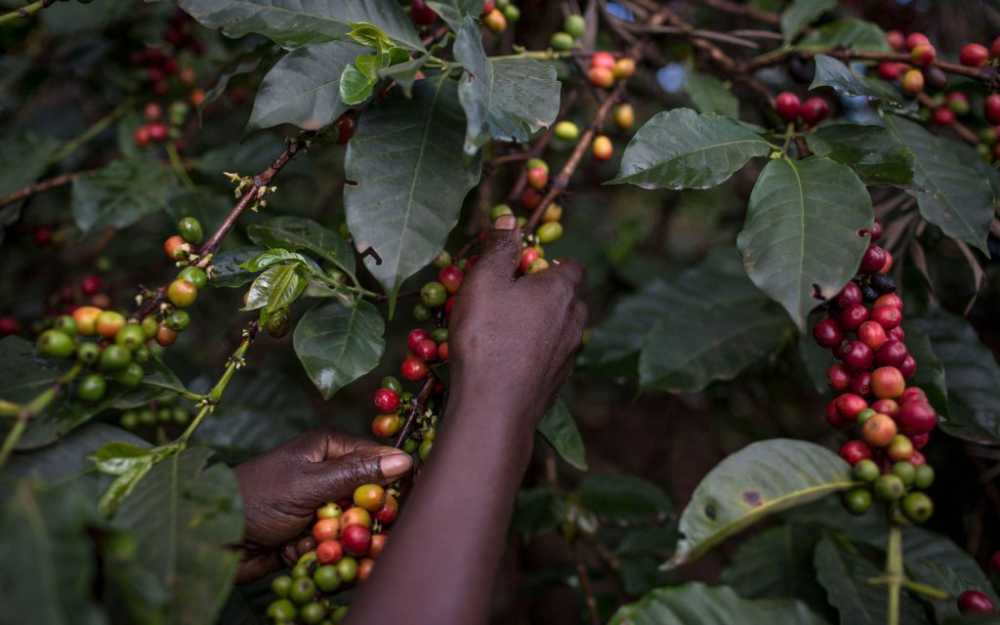
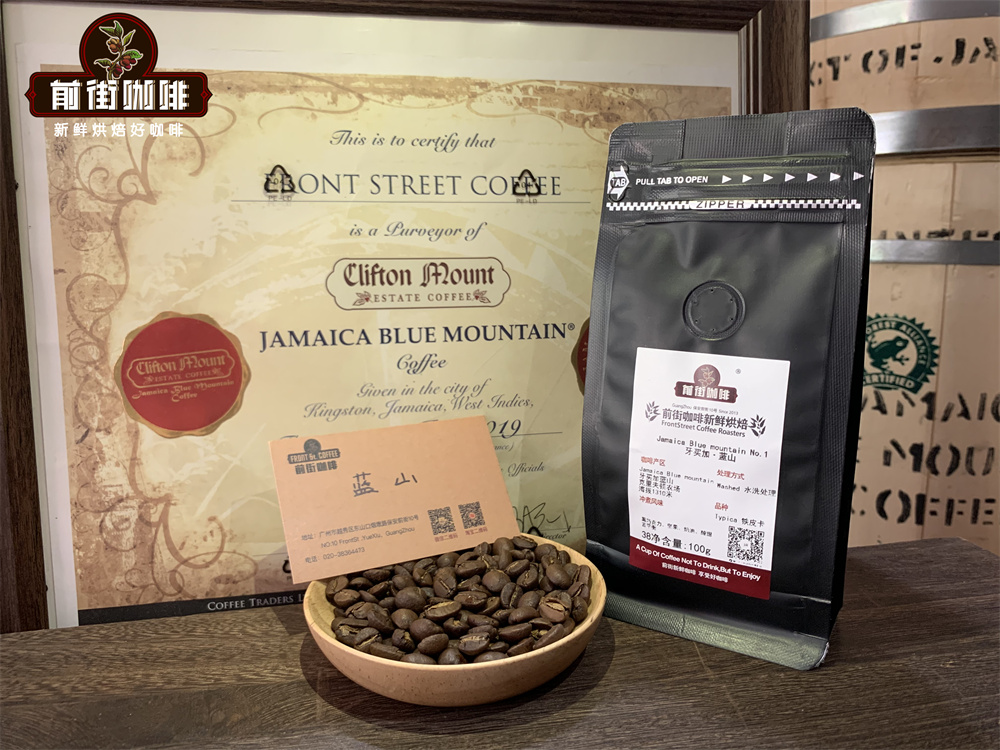
Typica was introduced to Jamaica by Sir Nicholas Lawes in the 18th century and was soon planted in the Blue Mountains, where it has been cultivated for over two hundred years. Jamaica's Blue Mountain Typica has adapted to the island's tropical rainforest climate and evolved stronger disease resistance, especially against coffee berry disease, far better than typical Typica. FrontStreet Coffee believes the exquisite, clean flavor of Blue Mountain is inseparable from Jamaica's insistence on carefully cultivating the Typica variety and letting it merge with the local terroir, helped along by the excellent environment and unique microclimate of the Blue Mountains. FrontStreet Coffee uses medium-dark roasting to draw out chocolate and nut aromas while preserving soft acidity and sweetness, keeping the overall cup balanced.
Panama's Geisha
Anyone who drinks pour-over coffee regularly has heard of Panama's Geisha, which, thanks to its stunning aroma, has become a symbol of contemporary specialty coffee. The Geisha variety is derived from Typica and also comes from Ethiopia, the birthplace of coffee.
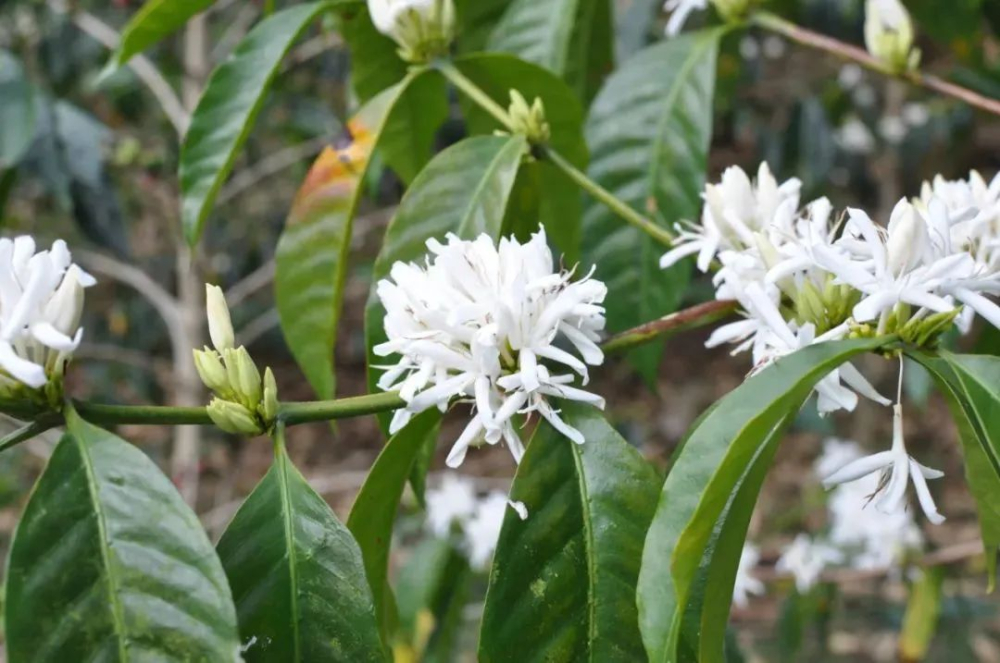
Geisha is very particular about its growing environment: high altitude, fertile soil, and cloud cover or plant shade, with no direct exposure to strong sunlight. The owner of Hacienda La Esmeralda has said the farm needs many shade trees to protect the delicate Geisha from the sun, and traditional pruning must be used during the initial planting period, or the plants tend to die. Geisha planted higher up matures more slowly, with more complex and distinctive flavor. Unlike other varieties, Geisha trees have a very thin leaf system, so photosynthesis is inefficient. Their roots are fragile, absorbing water and nutrients slowly, which keeps yields very low. Combined with the high-altitude environment, the fruit also ripens relatively late.
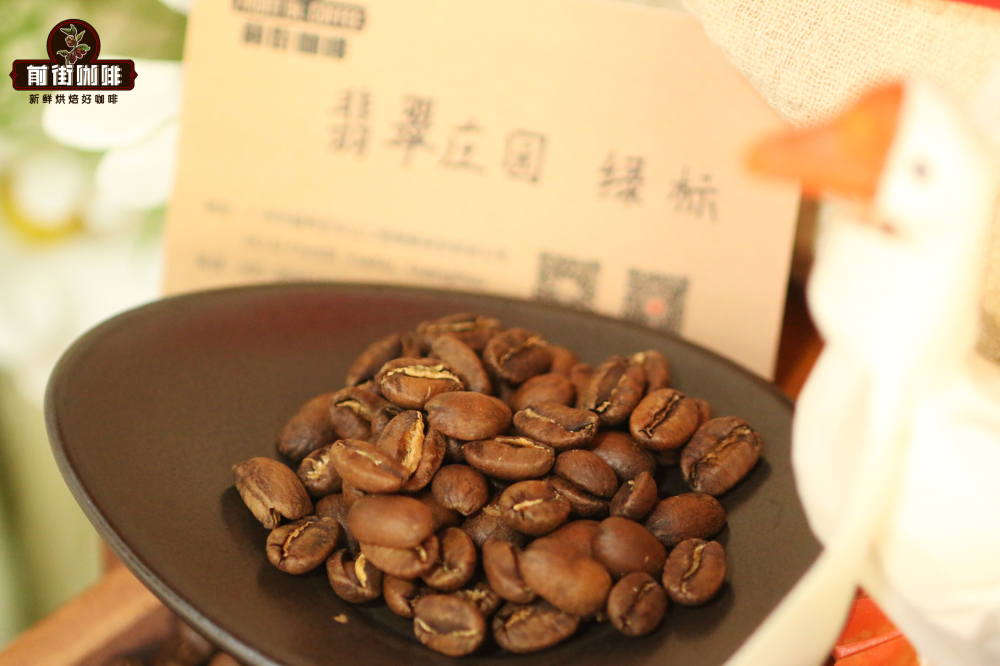
Geisha is now cultivated in many parts of the world and is the new king of specialty coffee, with higher quality in Latin American countries such as Panama, Guatemala, and Colombia. Panama Geisha in particular stands out. When it comes to Geisha, the most popular bean at FrontStreet Coffee is undoubtedly the Geisha produced by the renowned Hacienda La Esmeralda, divided into Red Label Geisha, Green Label Geisha, and Volcanic Soil Geisha according to their different characteristics. Top-quality Geisha has an intoxicating fragrance of roses, citrus, berries, and honey, loved by many enthusiasts.
Brazil's Bourbon
Bourbon is a natural mutation of Typica, with beans that changed from slender and pointed to round. It was first discovered on Bourbon Island (now Réunion) off the east coast of Africa. In 1715, after France transplanted round-shaped Yemen Mocha beans to Bourbon Island—renamed Réunion after the French Revolution—the variety took the island's name. Bourbon round beans were introduced to Brazil for cultivation in 1727.
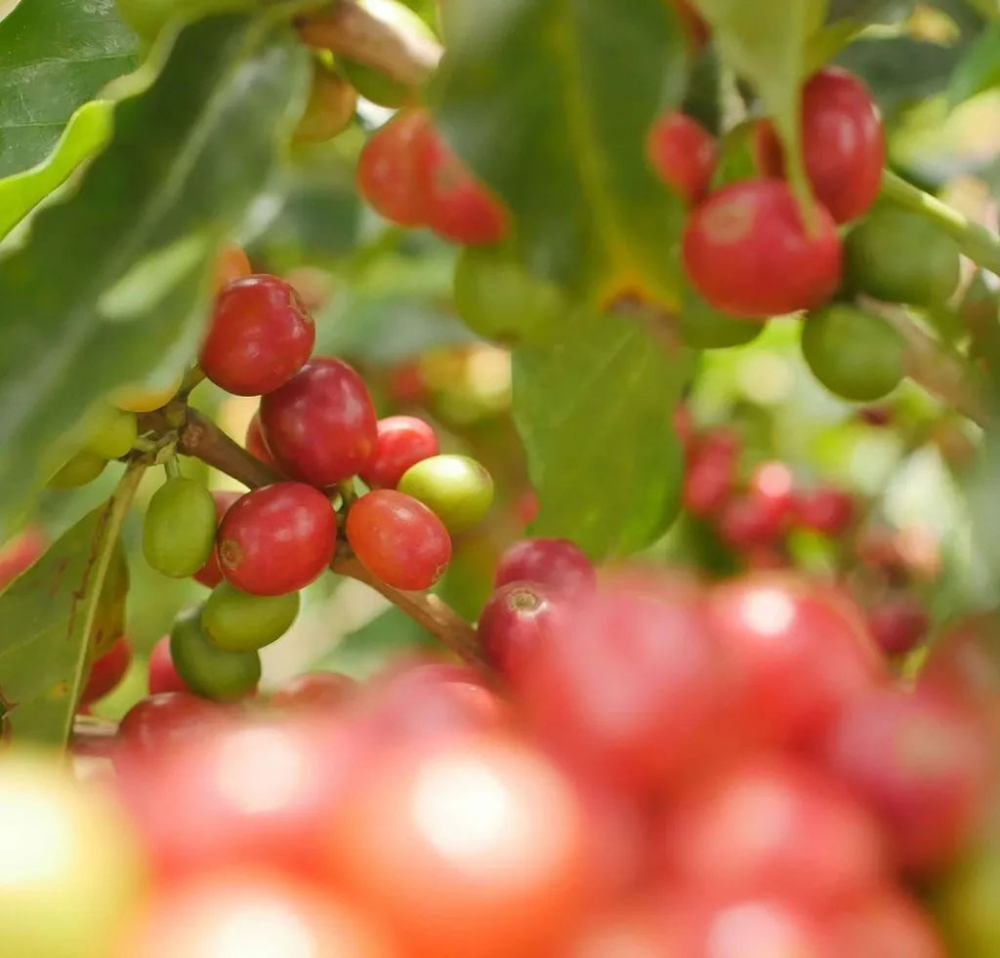
Although its yield is not high, Bourbon resists leaf rust better than the weaker Typica. Bourbon grown at high altitude has rich, delicate flavors, aromatic fragrance, and soft acidity. The Bourbon fruits we usually see turn from green to light yellow, orange-yellow, red, and finally to fully ripe dark red—the last of which is what we call Red Bourbon.
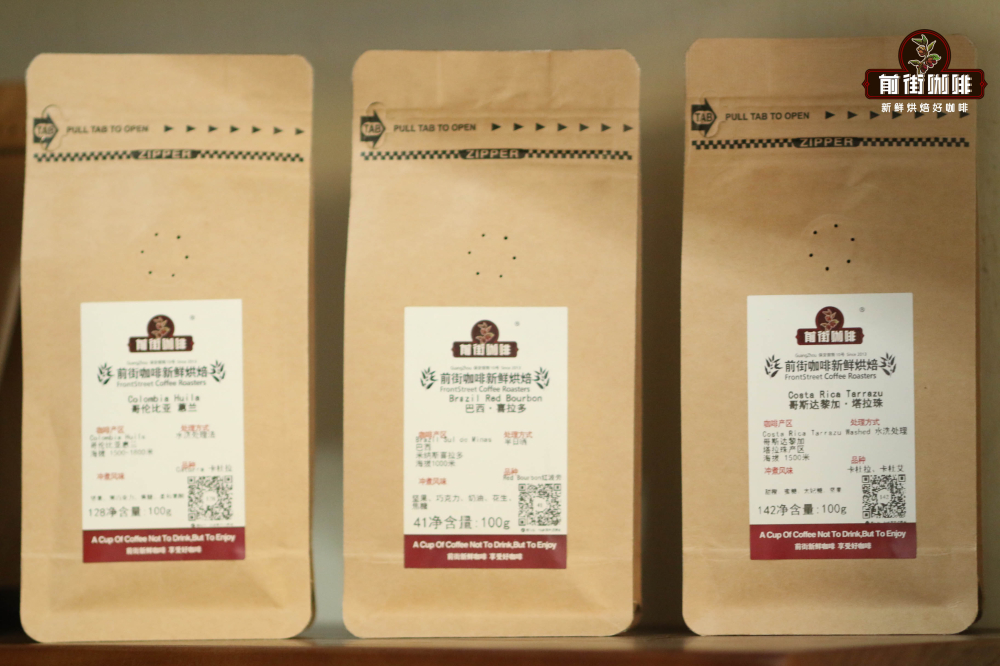
Brazilian coffee mostly has lower acidity, and combined with its mellow aroma it is extremely smooth on the palate with a refreshing aftertaste. FrontStreet Coffee selected a semi-sun-dried Red Bourbon as Brazil's representative, with distinct nut and chocolate flavors, medium caramel sweetness, and a smooth, balanced cup. It joined the daily bean series, where each bean represents a major producing region and its basic flavors. Beginners can learn what each region tastes like and then explore further according to their own preferences.
Caturra from Central and South America
Caturra is a natural mutation of Bourbon, discovered in Brazil in 1937. The tree is relatively small with moderate disease resistance, but because it can be planted densely and bears more fruit, its yield is higher than varieties like Bourbon. It is widely cultivated across Central and South America. Caturra suits altitudes from a low of 700 meters to a high of 1,700 meters; the higher it grows, the better the flavor, though the relative yield drops. In the cup it has bright acidity and a taste full of fruit. After medium-dark roasting it shows chocolate and nut sweetness, which has made it a frequent winner in coffee competitions.
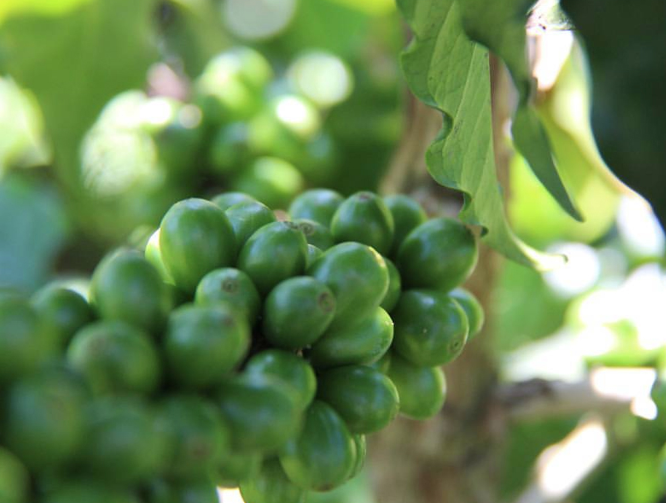
FrontStreet Coffee's selection includes many beans that contain the Caturra variety. To understand its character, FrontStreet Coffee recommends the Colombian daily beans, selected from washed Caturra with very high cleanliness. The goal is to highlight the classic Colombian flavor, using medium-dark roasting to bring out aromas of nuts, dark chocolate, and caramel.
Kenya's SL28 & SL34
Between 1935 and 1939, Scott Laboratories prefixed its selected and cultivated coffee varieties with SL. The lab selected 42 varieties from different origins and studied their yield, quality, and resistance to drought and disease. After individually numbering and screening them, SL-28 and SL-34 were the final results.
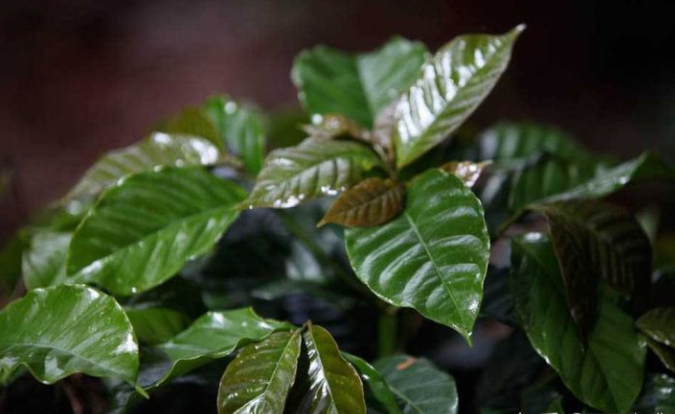
SL28 comes from the Bourbon genetic group, with short, round beans and thick bodies, featuring lifted acidity and obvious sweetness. SL34 comes from the Typica genetic group, with oval beans that look flatter from the side than Typica, featuring a balanced sweet-and-sour fullness with a caramel aftertaste. FrontStreet Coffee's Kenya Asalia beans are selected from these two varieties and processed with a 72-hour wash to present the full acidity of plum, brown sugar, black plum, and cherry tomato.
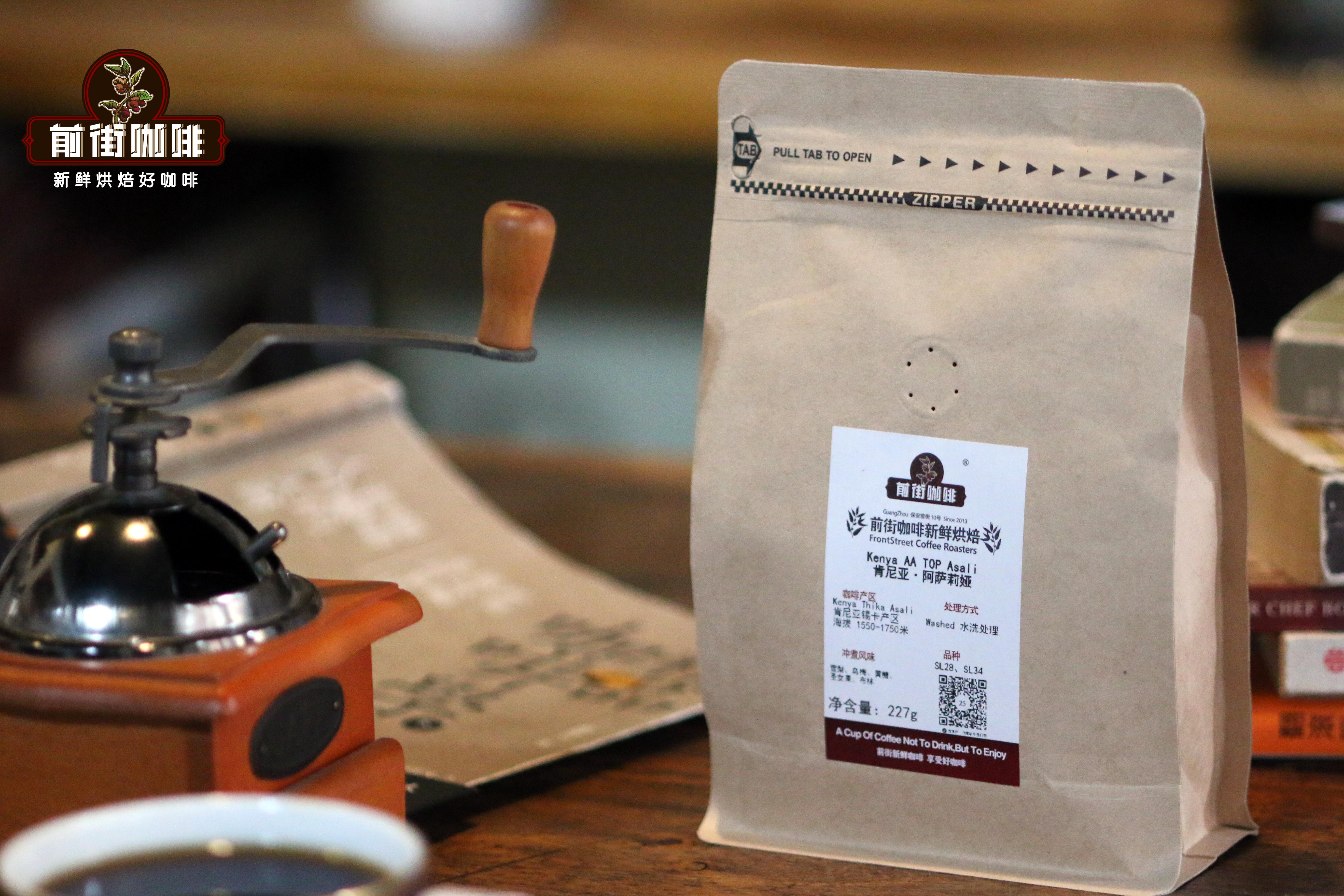
FrontStreet Coffee Recommendation
Yunnan is one of the clearest windows into Arabica's adaptability. Coffee first arrived there in 1904, when the French missionary Father Tian De Neng brought seeds from Vietnam and planted them at Zhugula village in Binchuan county—an original Typica line that still stands as the region's founding story. Most Yunnan coffee is now grown across the southwest, in Baoshan, Dehong, Pu'er, and Lincang. The FrontStreet Yunnan Small-Bean Coffee comes from Baoshan, washed processed and medium roasted, with soft nutty and chocolate sweetness and a light plum acidity—a gentle, affordable introduction to Chinese Arabica.
To taste the region with more clarity, choose the FrontStreet 2013 Yunnan Natural Typica. Typica is one of the oldest and purest Arabica varieties, and FrontStreet planted its own plot in 2013 to recover the area's original character. Dried in the fruit the traditional way and medium roasted, it has a heavier body and a more pronounced sweet-and-sour balance, with citrus and berry notes, a touch of fermented wine aroma, caramel sweetness, and a creamy finish.
For an espresso built on Yunnan beans, try the FrontStreet Black Cocoa Blend, a combination of Yunnan small-bean coffee and Brazil Cerrado. The Brazil side supplies mixed-nut aroma and a balanced mouthfeel, while the Yunnan beans bring chocolate and citrus. Pulled as an Americano, it is balanced across sweetness, acidity, and bitterness with nutty and brown-sugar sweetness; as a latte, it turns silky with almond and cream notes, making it an easy choice for beginners.
Important Notice :
FrontStreet Coffee is a long-established specialty coffee roaster in Guangzhou China, selling freshly roasted beans from its own farm in Yunnan as well as dozens of carefully selected single-origin beans from around the world for both pour-over and espresso. The products deliver consistently excellent quality and great value, with shipping within 24 hours. Guangzhou's FrontStreet Coffee shop is recommended by many coffee lovers, and the beans are now available online at the Tmall 。
FrontStreet Coffee has moved to a new address:
FrontStreet Coffee Address: 315,Donghua East Road,GuangZhou
Tel:020 38364473
 Scan and follow the En Gafei WeChat official account. Please indicate that the reprint comes from "En Gafei".