How Good is the Taste of Arabica Coffee Beans: Correct Methods and Flavor Characteristics for Pour-Over Single-Origin Coffee
The three major coffee varieties
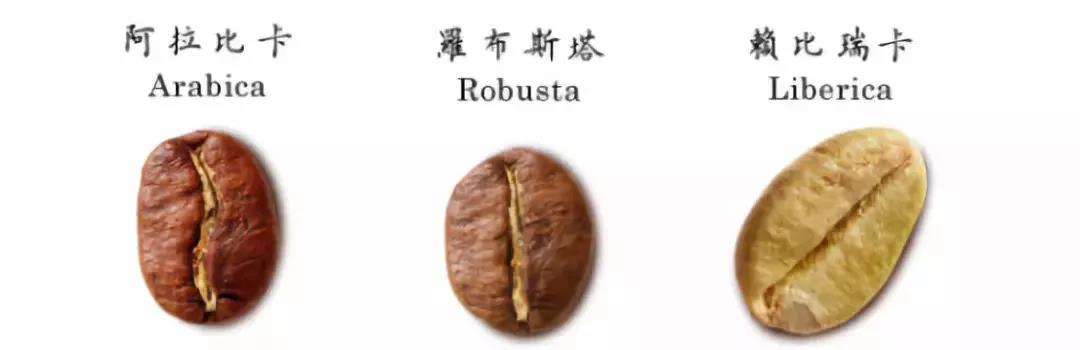
There are numerous coffee varieties in the world, divided primarily into three major species: Arabica, Robusta, and Liberica. Essentially, specialty coffee shops use Arabica, and FrontStreet Coffee's beans are basically all Arabica.
Arabica accounts for 70% of the world's total coffee production. The oldest Arabica variety is Typica, which spread from Ethiopia to the rest of the world. Robusta is generally used for instant coffee, while Liberica is very rare. FrontStreet Coffee will therefore focus on Arabica here. Arabica is a broad classification with many subcategories beneath it. Typica is one coffee variety within Arabica, Bourbon is a variant of Typica, and Caturra is a variant of Bourbon. The Catuai we often mention is a hybrid of Caturra and Mundo Novo. All of these belong to the Arabica species.

Arabica beans are also called small-grained coffee beans. Although their yield per unit area is not high, they are widely cultivated commercially because of their excellent flavor, and they currently account for 70% of global coffee production. Arabica is suited to growing above 800 meters, but generally the beans grown above 1,200 meters are the ones that show their excellent flavor. The oldest cultivated Arabica varieties are Typica and Bourbon.
Common Arabica varieties
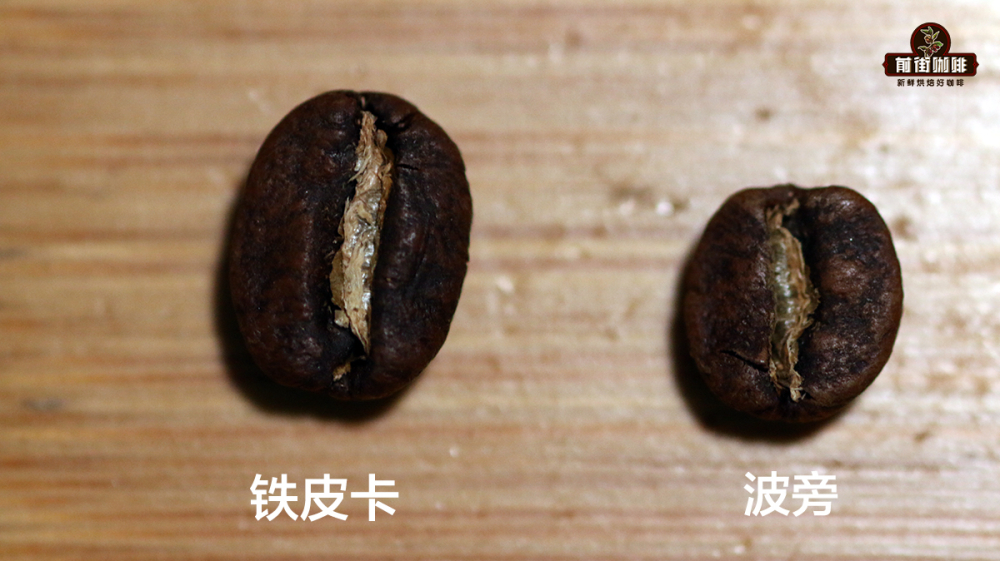
Typica
The first common Arabica variety is Typica. Typica beans generally present an oval shape, slender, flat, and full, with a very standard appearance. The flavor is elegant, but the plant is relatively weak, with poor disease resistance and susceptibility to leaf rust, and it produces a low fruit yield. Its most obvious characteristic is that the young leaves show a brownish-red color, which is why it is also called copper-top. Pure Typica coffees today include Blue Mountain and Yunnan Typica.

Bourbon
The second is the ancient variant of Typica, Bourbon. Generally, Bourbon refers to the common Red Bourbon, whose cherries turn wine-red when ripe. Bourbon suits high-altitude cultivation, because altitude helps form rich aromas and bright acidity, with flavors similar to red wine.

In 1930, however, a Yellow Bourbon variety was discovered in Brazil. FrontStreet Coffee understands that Yellow Bourbon may have originated from a mutation of Red Bourbon and a Typica that produces yellow fruit. Experiments found that Yellow Bourbon has a low yield and is not resistant to wind and rain, which are the main reasons it cannot be widely cultivated among Arabica varieties. The Yellow Bourbon from Brazil's Queen Estate, available at FrontStreet Coffee, carries fruity sweetness and distinct nutty flavors.

A new Bourbon variety was later cultivated by hybridizing Yellow Bourbon and Red Bourbon, displaying a beautiful pink color; it is called Pink Bourbon. The color of its cherries is determined by recessive genes in the pollen grains. According to FrontStreet Coffee's understanding, Pink Bourbon was first cultivated in the Huila region of Colombia, and its rich flavors during cupping made it famous. That reputation led FrontStreet Coffee to also carry a Pink Bourbon from Huila, called Isabella coffee, which offers flavors of citrus, berries, and cherry tomatoes.
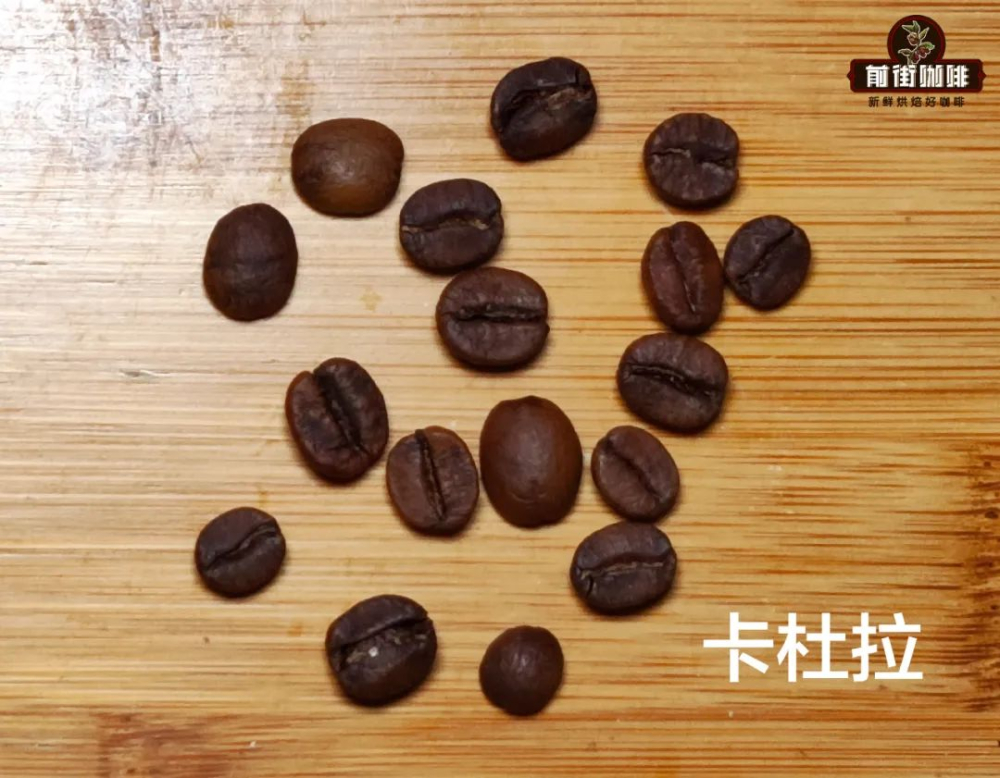
Caturra
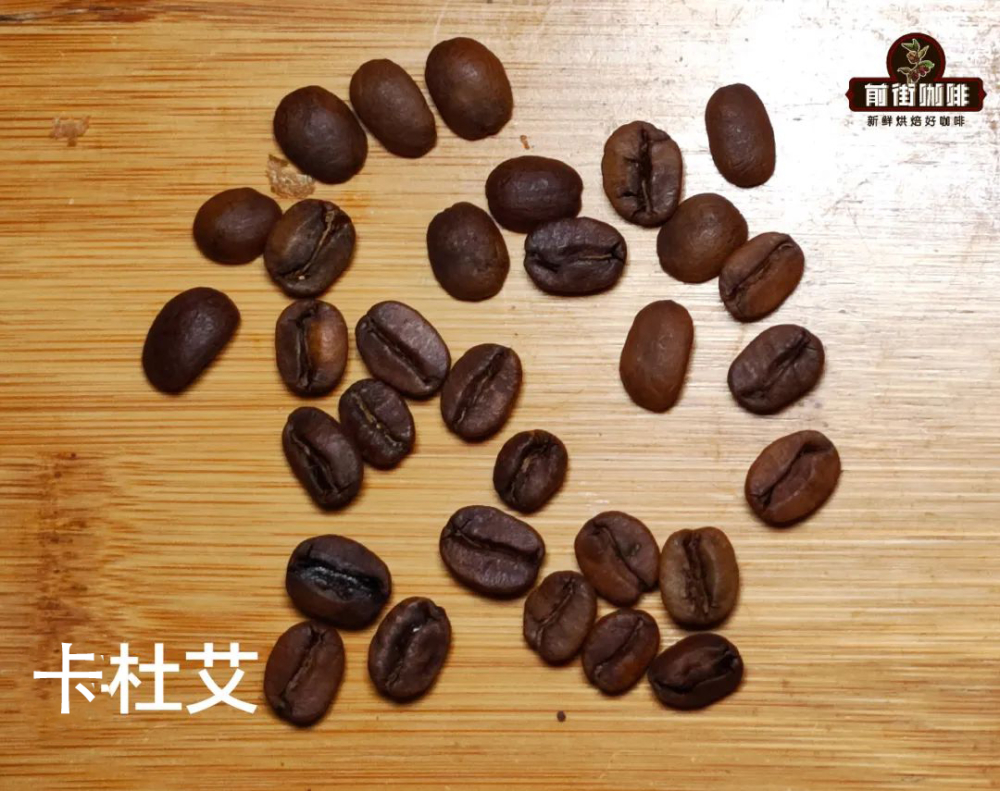
The second common Arabica variety is Caturra. Compared with Bourbon, Caturra plants are shorter, which makes them easier to harvest, and they have very strong adaptability. Most importantly, they do not require shade trees, which is why people generally call this sun-grown coffee. Caturra is now widely cultivated in Colombia. It has a very smooth mouthfeel with berry-like acidity, which is what earned Colombian coffee the nickname "the gentleman of coffees."
Catuai
The third Arabica variety is Catuai, a coffee hybridized from Caturra and Mundo Novo. Compared with Caturra, Catuai has a smaller plant and superior acidity. It also has extremely high yield and very strong disease resistance. Catuai is widely cultivated in Brazil, Costa Rica, and elsewhere. The Honduras Sweet Orange Estate and Panama's Mariposa 30%, a non-Geisha variety, both belong to the Catuai variety.
Other coffee varieties
Robusta
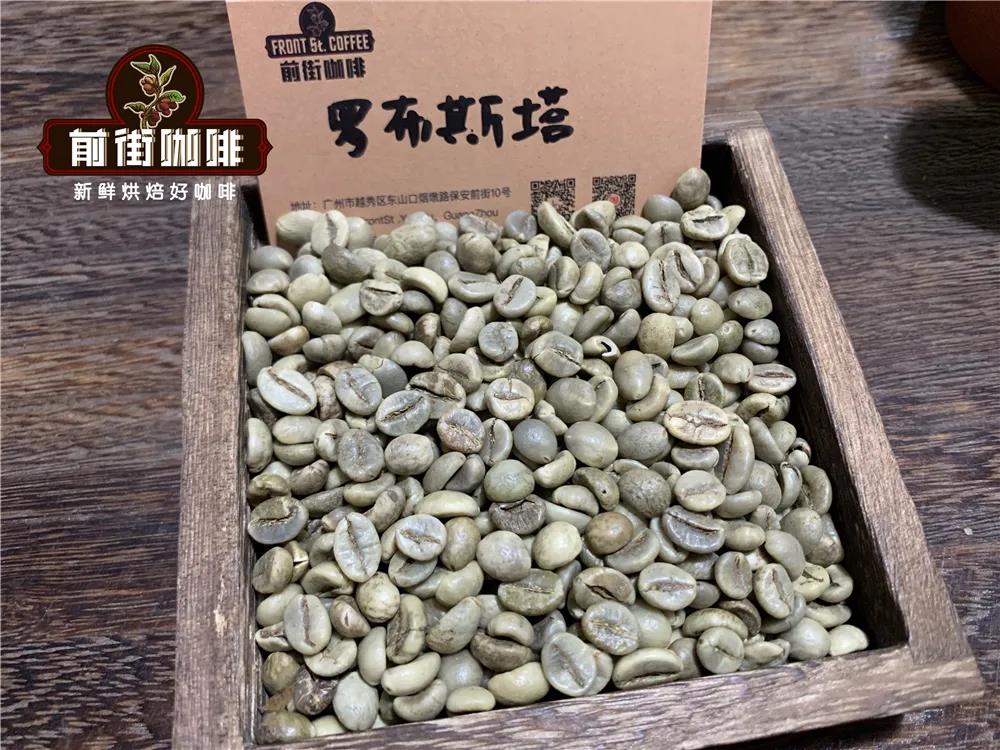
Robusta, one of the three major coffee varieties, has very strong adaptability and can grow in extreme weather. Robusta is widely cultivated in Vietnam, Brazil, and India. Hainan, China, also cultivates Robusta, though it is not very well known.
The main reason Robusta is not widely cultivated for specialty use is its limited aroma and sometimes earthy flavors, which are a major taboo for specialty coffee. It is therefore generally used for blended beans or instant coffee. According to FrontStreet Coffee's understanding, however, Robusta's poor flavor is not absolute. The emergence of India's Royal Specialty Robusta has broken the stereotype: its flavor surprised everyone, coming out quite clean without the expected earthy notes, and even carrying a thicker, more stable mouthfeel, somewhat similar to peanut, hazelnut, and wheat.
Liberica
Liberica is generally called large-grained coffee. It has very strong vitality, but compared with the three original coffee species its flavor and disease resistance are relatively poor. It has essentially been withdrawn from the market and is preserved only in scientific research laboratories.
Conclusion
Arabica varieties are now widely cultivated around the world and are considered the highest-quality coffee beans. FrontStreet Coffee believes the spread of Arabica shows that people's requirements for bean quality are rising and that they are paying more attention to coffee quality, which is a very positive sign for the specialty coffee industry.
FrontStreet Coffee Recommendation
The varieties above are the skeleton of coffee flavor, but nowhere do they show more variety than in Ethiopia, coffee's birthplace. It is the origin of the native varieties that eventually gave the world Geisha, and it is still the place where the widest range of flavors can be traced.
FrontStreet Coffee's Ethiopian range is a good tour of that diversity. The washed Yirgacheffe is the entry point: clear jasmine florals and bright citrus acidity, the classic Yirgacheffe profile. Yirgacheffe itself is a small town in southern Ethiopia that stays spring-like year-round, wrapped in mist, cool and damp, where thousands of coffee trees have grown and where the interplay of floral and fruit acidity, a light elegant body, and a tea-like quality produces a cup that drinks like a clean lemon tea. The Gutingtin cooperative lot comes from Gutingtin village, where smallholders deliver their cherries to a shared station; Gutingtin sits at the southeastern edge of Yirgacheffe in the Worka area and was originally part of the Worka cooperative under the Yirgacheffe Union, but as demand for traceability grew, individual single origins were pulled out and identified, and in 2012 Gutingtin, with roughly 300 farmer members, was established as a cooperative in its own right. Because the fruit is stripped before drying, its inherent aromas come through more clearly, with citrus and lemon tones and an elegant white florality, bright and fine overall. The sun-dried Red Cherry lot removes damaged or moldy fruit, dries the rest in the sun for about two weeks until the fruit sugars and essence have seeped into the bean and moisture has fallen to 12%, then removes the hardened pulp, mucilage, and husk, checks density and color, and hand-sorts the remaining defects, which is how the cup comes out clean and intensely fruity, described as peach, cocoa, honey, and lemon. The sun-dried Huakui comes from the Hambella area of Guji in Sidama, where a 200-hectare farm follows traditional natural processing: ripe cherries are dried on raised beds for 21 days with constant turning to dry evenly, and every three to five days workers remove defective and moldy beans by hand before the dried husk is removed and the green coffee is sorted a final time; roasted medium-light, it shows a light fermented wine note, florals, citrus, and mango, with honey sweetness, a cocoa impression, a touch of spice, a thick body, and a long finish. The Sidamo sun-dried Hamashu lot comes from a processing station that has become a fixture on Ethiopian green bean competition lists; it grows mainly the JARC 74-series disease-resistant varieties, and the small-beaned 74158 offers striking floral and fruit aromas, with perfumed lemon, strawberry, and starfruit sweetness and a faint florality rising afterward. Finally, the Kafa Forest coffee is different from the garden-style plots most farmers keep: Kafa is known for wild coffee, with trees growing in shade between 1,400 and 2,100 meters, where an original ecosystem, microclimate, red soil, and abundant rain give the trees ideal conditions; roasted medium-light, it shows clear white florals, bright lemon acidity, sweet orange and bergamot, and a green-tea-like finish with a light melon and nut sweetness.
Ethiopian lots are best brewed as pour-over with a medium grind and moderate water temperature, poured in stages so the floral top notes stay intact while the sweetness builds underneath.
Important Notice :
FrontStreet Coffee is a long-established specialty coffee roaster in Guangzhou China, selling freshly roasted beans from its own farm in Yunnan as well as dozens of carefully selected single-origin beans from around the world for both pour-over and espresso. The products deliver consistently excellent quality and great value, with shipping within 24 hours. Guangzhou's FrontStreet Coffee shop is recommended by many coffee lovers, and the beans are now available online at the Tmall 。
FrontStreet Coffee has moved to a new address:
FrontStreet Coffee Address: 315,Donghua East Road,GuangZhou
Tel:020 38364473
 Scan and follow the En Gafei WeChat official account. Please indicate that the reprint comes from "En Gafei".