African Coffee Brand Recommendations: Why Yirgacheffe Washed Coffee Tastes Great with its Delicate Floral Aroma and Bright Acidity
FrontStreet Coffee Yirgacheffe Coffee Introduction
Coffee first originated in Ethiopia, Africa. On this ancient land a remarkable fruit was domesticated—one that still shapes the world today. Long before most of humanity knew what coffee was, the Agao people of Ethiopia were already growing and drinking it. Ethiopia remains the source of many of the world's finest beans, and Yirgacheffe is one of them.
Ask any specialty coffee lover: if you claim to love specialty coffee but have never tried Yirgacheffe, you are not yet a true devotee—and if you love specialty coffee, you have tried, however hard the first sip was, to learn to like it. That is the pull of Yirgacheffe.
Washed Yirgacheffe
Washed Yirgacheffe is the more refined expression. Ripe cherries are picked and submerged in water, then run through a pulping machine to strip the skin from the beans. The beans soak in fresh-water tanks for 24 hours so the mucilage washes away completely, then are air-dried and finally sealed for storage. When a lot is prepared for trade, it undergoes further careful refinement, producing coffee far cleaner than its natural counterpart.
Washed processing shows off Yirgacheffe's unique flavors completely and yields the highest grades of green coffee. The trade-off: long soaking consumes much of the bean's sugar, so washed lots lose the winy aroma that natural processing brings—a regret many coffee lovers share.
Either way, Yirgacheffe's flavor is remarkable. A brewed cup carries an unmistakable jasmine fragrance. The lemon and green apple acidity up front can permanently change how you think coffee tastes. The mid-palate is where the roaster's skill shines, with notes that may drift toward grass or sweet corn—though that varies from lot to lot. Chocolate in the aftertaste lingers long after the cup is empty. It is precisely this profile that makes the coffee so hard to resist.
Knowledge Point
Ethiopia is Africa's largest producer of Arabica coffee. In its ancient forests grow more than 2,000 natural coffee varieties, yet fewer than five percent have been thoroughly studied.
FrontStreet Coffee Recommendation
FrontStreet Coffee's washed Yirgacheffe is the ideal introduction to Ethiopian coffee. The town of Yirgacheffe sits at roughly 1700-2100 meters, with coffee planted above 1800 meters—among the highest coffee elevations in the world. The cup shows white jasmine florals, bright citrus and lemon acidity, and a light tea body: elegant, clean, and priced for everyday drinking.
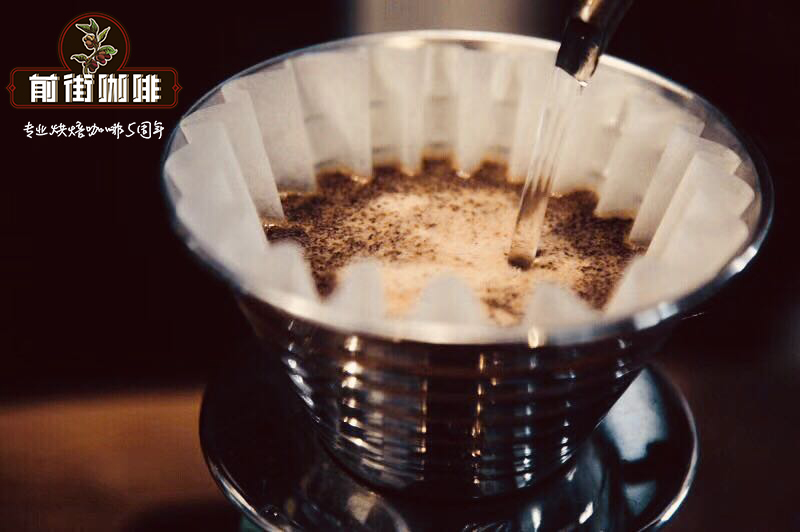
Brew it as a pour-over with a V60: 15 grams of coffee at a 1:15 ratio, water at 90-91°C, medium-fine grind (fine granulated sugar; about 80% through a #20 sieve). Bloom with 30 grams of water for 30 seconds, pour to about 125 grams within 1 minute, then finish to about 225 grams by 1 minute 35 seconds; expect the drawdown to complete between 2'00" and 2'10".
Important Notice :
FrontStreet Coffee is a long-established specialty coffee roaster in Guangzhou China, selling freshly roasted beans from its own farm in Yunnan as well as dozens of carefully selected single-origin beans from around the world for both pour-over and espresso. The products deliver consistently excellent quality and great value, with shipping within 24 hours. Guangzhou's FrontStreet Coffee shop is recommended by many coffee lovers, and the beans are now available online at the Tmall 。
FrontStreet Coffee has moved to a new address:
FrontStreet Coffee Address: 315,Donghua East Road,GuangZhou
Tel:020 38364473
 Scan and follow the En Gafei WeChat official account. Please indicate that the reprint comes from "En Gafei".