What Causes Under-Extraction in Pour-Over Coffee: Solving the Root Problems
The Art of Pour-Over Coffee: A Journey into Perfect Extraction
What could be better than starting a new day with a delicious cup of coffee? When I first began brewing my own, I was afraid the coffee would turn out too bitter to swallow, so I settled for cups as weak as water. After drinking that for a long stretch, I soon lost my appetite for pour-over altogether. If you want to enjoy a good cup, the fundamentals of pour-over are essential.
Understanding the Golden Cup Theory
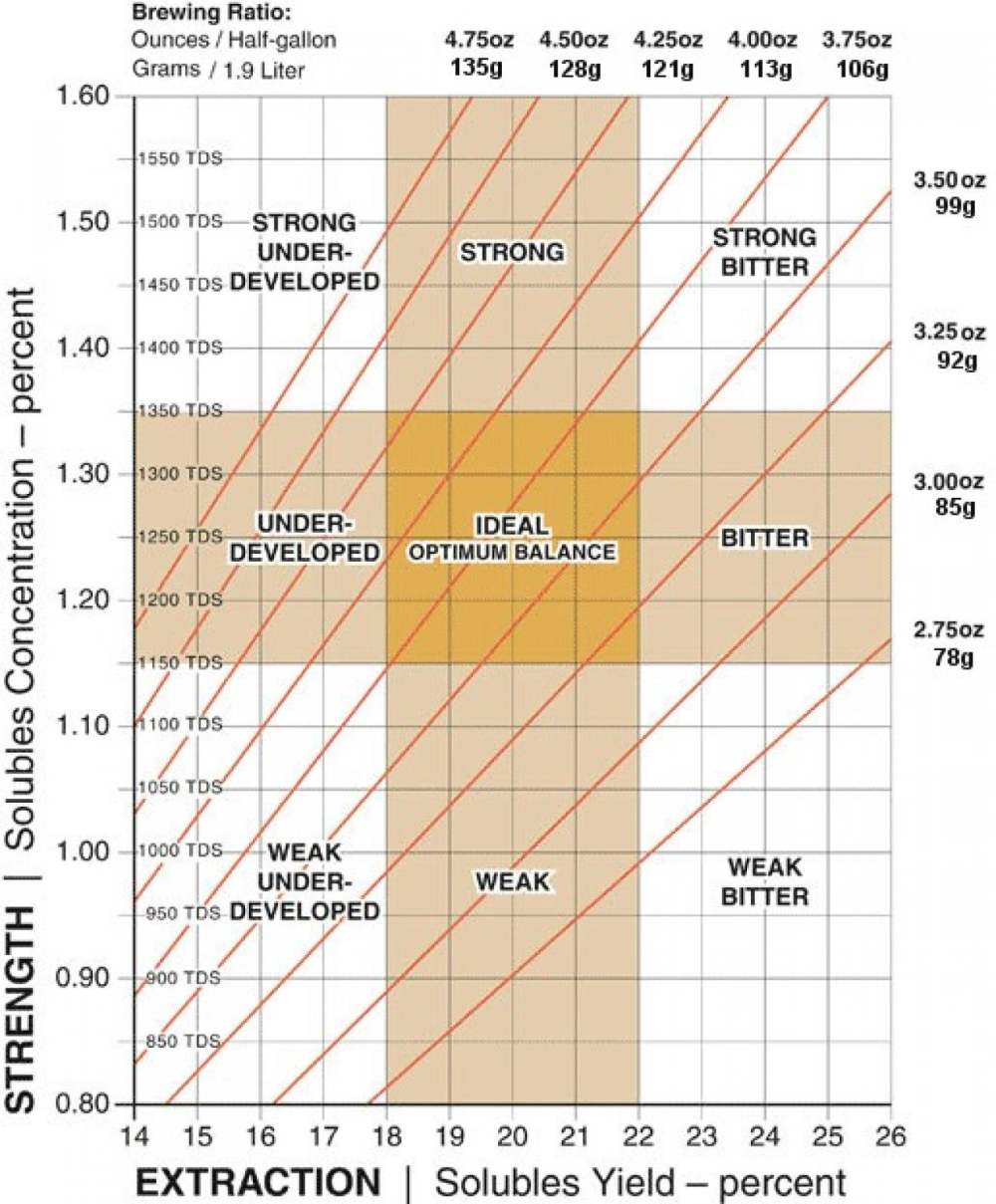
The Golden Cup extraction theory is a concept many coffee enthusiasts have heard of but few understand well. Under SCAA Golden Cup standards, the optimal extraction range is 18% to 22%, and the optimal concentration is 1.15% to 1.35%. Taste, however, is subjective, and not everyone prefers coffee that lands inside the Golden Cup. Treat the numbers as a reference, not a rule.
Before explaining what causes under-extraction, FrontStreet Coffee would like to walk through the process of brewing a pour-over. Take the Guohuai 5.0 from FrontStreet Coffee's bean menu as the example. As always, the bean comes first:
The Story of Guohuai 5.0
Guohuai 5.0 is a natural single-origin coffee from the Hambela sub-region of Ethiopia's Sidamo region. Sidamo is one of Ethiopia's main specialty coffee areas, with cultivation altitudes between 1,900 and 2,200 meters, and its naturally processed beans are more famous than its washed ones. Drinkers often compare washed Yirgacheffe with natural Sidamo.
The Guohuai bean won the championship in the natural category of the 2017 TOH green bean competition. A Beijing-based green bean merchant imported it. African coffee is usually named for its producing area or processing station, but this bean's flavor was so outstanding and the merchant's expectations so high that it was named "Guohuai," meaning the leader of all flowers. That same year, at the China region of the World Brewers Cup, when Geisha dominated most competitions, contestant Li Jianfei used the same batch of Guohuai to defeat many rivals and finish second. Since then the name has carried the year, Guohuai X.0, and by the 2021 production season it had naturally become Guohuai 5.0.

FrontStreet Coffee Ethiopia Sidamo Guohuai 5.0
Region: Sidamo Region, Ethiopia
Processing Station: Buku Able
Altitude: 2,350 meters
Variety: Local native varieties
Processing Method: Natural processing
Brewing Parameters for Guohuai 5.0
When FrontStreet Coffee brews this Guohuai 5.0, the light roast is the starting point: compounds dissolve more slowly from lightly roasted beans, so a higher water temperature speeds dissolution and a finer grind increases the contact area between grounds and water. At the same time, to avoid over-extraction from too slow a flow, a fast-flowing dripper such as Hario's V60 is used.
Dripper: Hario V60
Water Temperature: 92 degrees Celsius
Coffee Amount: 15 grams
Coffee-to-Water Ratio: 1:15
Grind Size: 80% pass-through rate on China standard #20 sieve
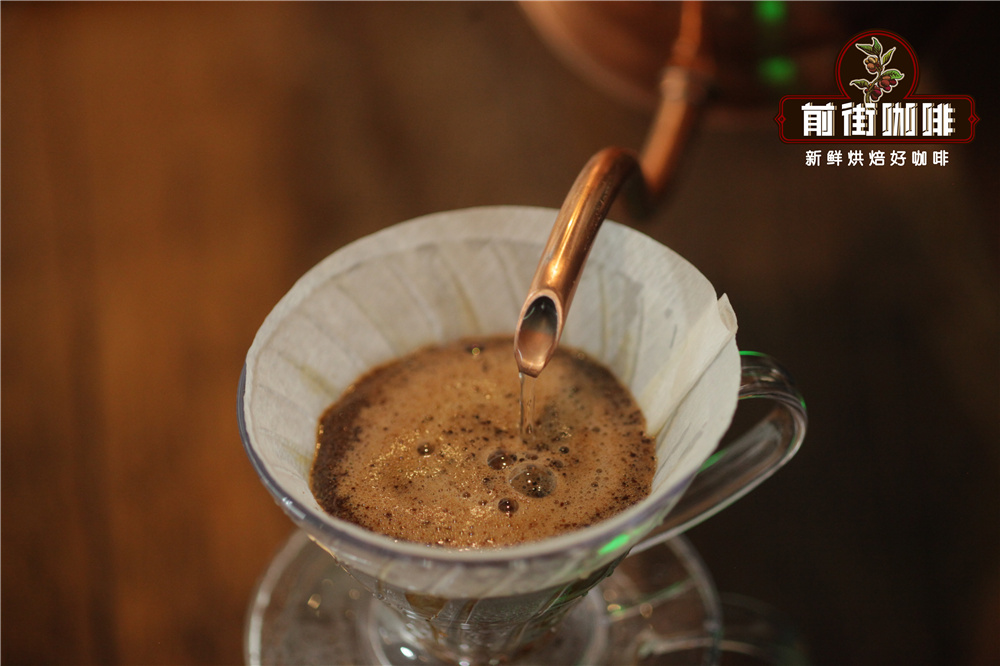
First pour 30 grams of water to wet the grounds completely, then, starting from the center, pour a small stream in slow circles out to 125 grams. When the water in the dripper drops to the point where the bed is just about to be exposed, pour again. The third pour also starts at the center and circles slowly out to 225 grams, then stops. When everything in the dripper has drained into the server below, remove the dripper. Total extraction time is about 2 minutes.
Understanding Extraction Failures
A very important cause of extraction failure is a mismatch between grind size and extraction time and method. The grind exposes all of the volatile aromatic compounds in the bean, so it has an outsized effect on the cup. Over-extracted coffee is bitter and astringent and hard to swallow, while under-extracted coffee tastes as plain as water, with sharp acidity and a disappointingly short aftertaste.
You can simply drop roasted beans into water and extraction will begin, but it takes a very long time. Grinding the coffee finer multiplies the surface area of the particles, and the greater the contact area with water, the more compounds dissolve once water meets coffee—which raises the extraction rate accordingly.

The first and most important point is grind size. Different roast levels call for different grinds. Very fine particles can push a coffee into over-extraction, which leads to the next key factor: time. Large particles release flavor more slowly, smaller particles faster. A French press, for example, uses a long immersion and therefore wants a coarser grind, while most filter coffees use a medium-fine grind.
Determining the Ideal Grind Size
So how do you decide on the grind? FrontStreet Coffee sorts the pour-over beans on its menu into three categories by roast level: light, medium, and dark. As noted above, the darker the roast, the faster the compounds dissolve—so to hold back that speed, a coarser grind is used. FrontStreet Coffee's usual standards are:
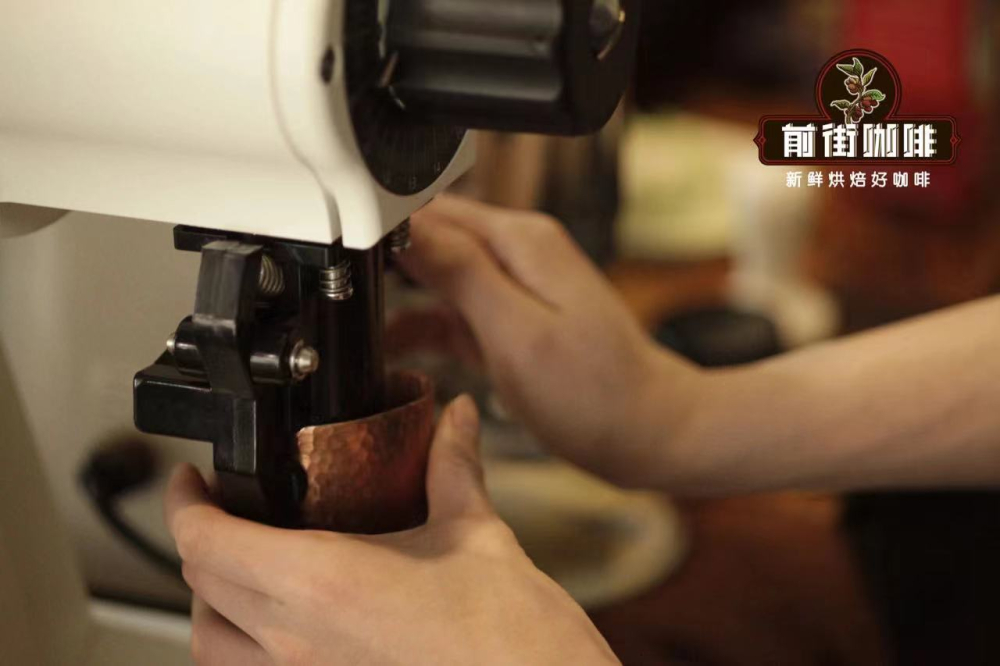
Light roast takes a medium-fine grind, which is 80% pass-through on a China standard #20 sieve.
Medium roast takes a medium grind, which is 75% pass-through on a China standard #20 sieve.
Dark roast takes a medium-coarse grind, which is 70% pass-through on a China standard #20 sieve.
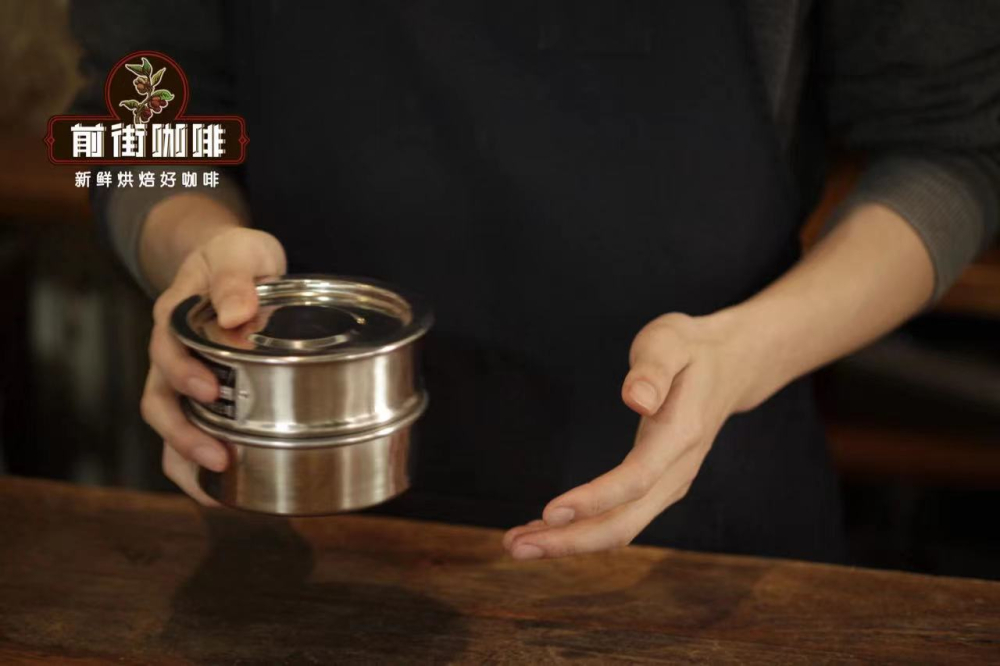
Those are reference standards for pour-over coffee only. Because the grind scales on machines sold today differ from one another—EK43's setting 10 corresponds to what on a small Fuji?—a universal standard is hard to pin down, so FrontStreet Coffee tests with standard sieves before cupping or brewing a bean.
The Importance of Bean Freshness
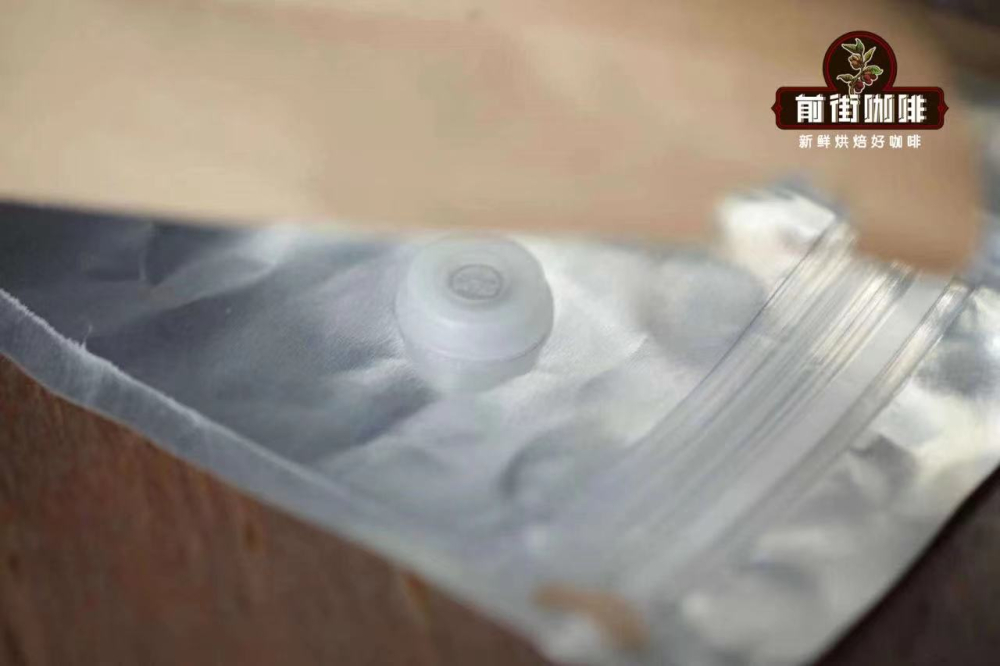
The second point is freshness. The longer roasted beans sit, the more the coffee's flavor shifts, so the extraction plan has to be adjusted with them. Some people grind finer as the beans age, while others increase the dose and grind slightly coarser—the first raises the extraction rate, the second relates to strength.
Finer grinding means more particles and more surface area in contact with water, which raises the extraction rate. But not every flavor compound is pleasant, so a higher extraction rate is not automatically better. The flavors we dislike dissolve the most slowly, which is why controlling the rate of dissolution through the grind setting deserves close attention.
Conclusion: The Path to Perfect Extraction
Uniform grinding matters when extracting coffee, because inconsistent particle size means uneven extraction times. Technique counts as well: if the pour is clumsy, the interaction between grounds and water is less active, which changes the final result. Many factors decide whether a cup is well extracted, and as the saying goes, one wrong step leads to all steps wrong.
For more coffee bean information, follow Coffee Workshop (WeChat official account: cafe_style)
For professional coffee knowledge exchange, add WeChat ID: kaixinguoguo0925
FrontStreet Coffee Recommendation
Under-extraction is usually a matter of grind and water temperature, so it helps to start with a bean whose parameters are already well documented. FrontStreet Coffee's Guohuai 5.0 is a natural single origin from the Hambela sub-region of Ethiopia's Sidamo region, where cultivation runs between 1,900 and 2,200 meters. It was the natural-category champion at the 2017 TOH green bean competition, and the same batch took second place at the China region of the World Brewers Cup that year. FrontStreet Coffee lists its full specs—region Sidamo, processing station Buku Able, altitude 2,350 meters, local native varieties, natural processing—so you can match the recipe to the bean.
FrontStreet Coffee brews this coffee at 92°C with a Hario V60, 15 grams of coffee, a 1:15 ratio, and a grind at 80% pass-through on a China standard #20 sieve. Pour 30 grams to wet the grounds, then a small stream in slow circles from the center out to 125 grams, then again to 225 grams once the bed is about to be exposed, for a total of about two minutes. Because the roast is light and its compounds dissolve slowly, the higher temperature and finer grind speed up extraction without pushing it too far.
FrontStreet Coffee's general grind reference is worth keeping on hand: light roast at medium-fine, or 80% pass-through on a China standard #20 sieve; medium roast at medium, or 75%; dark roast at medium-coarse, or 70%. Since grind scales differ between machines, FrontStreet Coffee tests with standard sieves before cupping or brewing any bean—a habit that pays off when you are troubleshooting an under-extracted cup.
Important Notice :
FrontStreet Coffee is a long-established specialty coffee roaster in Guangzhou China, selling freshly roasted beans from its own farm in Yunnan as well as dozens of carefully selected single-origin beans from around the world for both pour-over and espresso. The products deliver consistently excellent quality and great value, with shipping within 24 hours. Guangzhou's FrontStreet Coffee shop is recommended by many coffee lovers, and the beans are now available online at the Tmall 。
FrontStreet Coffee has moved to a new address:
FrontStreet Coffee Address: 315,Donghua East Road,GuangZhou
Tel:020 38364473
 Scan and follow the En Gafei WeChat official account. Please indicate that the reprint comes from "En Gafei".