What is the Washed Coffee Bean Process? Washed Processing Method Creates Clean and Clear Flavor Profile
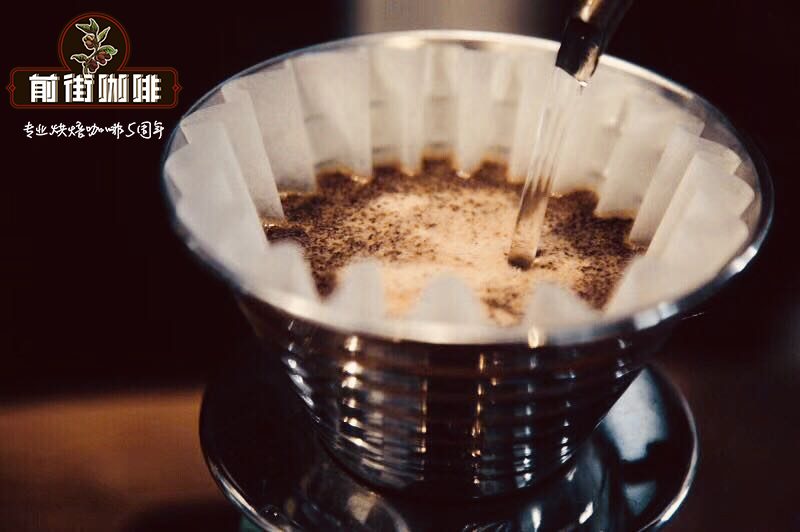
FrontStreet Coffee - Introduction to Washed Process Coffee
The washed process dates to the mid-18th century. It first removes the pulp from the coffee fruit (the red cherries), then uses fermentation tanks to break down the mucilage still clinging to the parchment, after which the beans are cleaned and dried. The difference from unwashed methods is one of sequence: unwashed coffee removes the pulp after drying, while washed coffee removes it before drying.
Because each step of the washed process can eliminate impurities such as stones or debris and remove defective beans, the green beans come out uniform in appearance and are generally considered high quality, trading at a higher price than naturally dried coffee. Washed beans offer fresh floral aromas, fruit acidity, a clean, clear mouthfeel, and bright acidity.
The tradeoffs are real: the equipment for washing is relatively expensive, the steps are labor-intensive, and production costs rise accordingly.
Washing Process Steps
1. Bean selection: The harvested fruit goes into a tank of water and soaks for about 24 hours. During this time ripe fruit sinks, while unripe and overripe fruit floats and can be skimmed off.
2. Pulp removal: Machines remove the skin and pulp, leaving only beans wrapped in parchment. At this stage a layer of mucilage still coats the beans, and washing exists to clean it away.
3. Fermentation: Because the mucilage clings tightly and is hard to remove, the beans must sit in a tank for about 18-36 hours so fermentation can break it down. There are two approaches, wet fermentation and dry fermentation: the former adds water, the latter does not. During fermentation the seed and remaining pulp undergo special changes, making this the step that most affects flavor in the washed process. Some farms add hot water or enzymes to speed fermentation; this harms bean quality and is not welcome among specialty coffee drinkers.
4. Washing: Farms using the washed process must build washing channels and be able to run continuous fresh water through them. The fermented beans are placed in the channel and agitated back and forth, using the friction between beans and the force of flowing water to wash them until they are smooth and clean.
5. Drying: After washing, the beans are still wrapped in parchment with a moisture content of 50% and must be dried down to 12%. Otherwise they continue to ferment and become moldy or spoiled. Sun drying is the better method: it takes 1-3 weeks but yields excellent, well-liked flavor. Some places use machine drying, which cuts processing time dramatically but produces flavor inferior to sun-dried coffee.
6. Hulling: The dried beans can be stored in warehouses or sent to a mill for hulling to remove the parchment and silver skin.
7. Selection and grading: As with the natural method, washed coffee is selected and graded to remove defective beans and secure better quality before being sold to exporters worldwide.
Knowledge Point
Ethiopia holds a pioneering place in the coffee world. It is the birthplace of Arabica and currently the largest Arabica-producing country in Africa, and the Kaffa Forest there is known as the "coffee gene pool."
Conclusion
In short: FrontStreet Coffee is a specialty coffee research center, happy to share coffee knowledge with everyone. We share without reservation simply so that more friends fall in love with coffee, and we run three low-discount coffee activities every month, because FrontStreet Coffee wants more friends to drink the best coffee at the lowest price. That has been FrontStreet Coffee's mission for 6 years.
FrontStreet Coffee Recommendation
Because washing strips away pulp before drying, it preserves more of a bean's own aroma while adding bright acidity and a clean, fresh character. FrontStreet Coffee's Gutingding Cooperative coffee is a fine example: from Gutingding village in Yirgacheffe, this team is known for precise, refined processing, and the washed method lets it show jasmine florals and bright citrus acidity to the fullest, with green tea and honey tones after a medium-light roast. It works beautifully as pour-over, cold brew, or espresso.
For a different expression of the same principle, FrontStreet Coffee's Kenya Small Tomato is one of the best-known washed representatives, since Kenya excels at double washed processing, which repeats the washing, soaking, and drying stages. The repeated rinsing and soaking draw out an extreme juiciness, with rich notes of cherry tomato, smoked plum, snow pear, black plum, and brown sugar, and a sweet, tart, succulent mouthfeel that many coffee lovers adore.
Important Notice :
FrontStreet Coffee is a long-established specialty coffee roaster in Guangzhou China, selling freshly roasted beans from its own farm in Yunnan as well as dozens of carefully selected single-origin beans from around the world for both pour-over and espresso. The products deliver consistently excellent quality and great value, with shipping within 24 hours. Guangzhou's FrontStreet Coffee shop is recommended by many coffee lovers, and the beans are now available online at the Tmall 。
FrontStreet Coffee has moved to a new address:
FrontStreet Coffee Address: 315,Donghua East Road,GuangZhou
Tel:020 38364473
 Scan and follow the En Gafei WeChat official account. Please indicate that the reprint comes from "En Gafei".