Does Aged Sumatra Improve with Age Like Wine? A Different Experience with Aged Sumatra Coffee Beans
FrontStreet Coffee - Introduction to Aged Sumatra
Sumatra Mandheling is a prized Arabica coffee from Indonesia, grown at altitudes of 700–1500 meters. Legend has it that the name comes from a mispronunciation of the local Mandheling ethnic group — a charming irony, since the coffee today is actually grown in the central and northern highlands of Sumatra by the Batak people, descendants of the Mandheling tribe. In other words, the people growing Mandheling coffee are not the Mandheling at all, but their neighbors.
Sumatra's humidity is hard on coffee. Mold can take hold during drying, and poorly developed mold leaves smoky, musty flavors that must be removed by hand sorting. Mandheling beans also have a twisted, frankly unattractive appearance, which makes visual sorting difficult — though some drinkers insist the uglier the bean, the better the taste.
Yet that same damp climate has an upside. Beneficial microbes were found living in the beans themselves, and they deepen the coffee's mellow character. Some producers deliberately lean into this, cellar-aging the beans for as long as three years in cool, ventilated cellars. Over time the microbes convert astringent compounds into sugars, stripping out acidity and harshness while layering in rich spice and walnut notes.
Aged Mandheling is also sold as Monsoon Mandheling. Its beans are no longer green but pale white, and they require additional sorting to remove defect beans before the small surviving quantity becomes cellar stock.
Mandheling Character
Arabica Mandheling grows on high mountain slopes at medium-to-high altitudes, and the higher the elevation, the stronger the sweetness. Where low-grown, disease-resistant Robusta tastes bitter and boozy, Arabica Mandheling is spicy and pungent, rich and full-bodied. A creamy, silky texture carries the chocolate bitterness, finishing with a light sweet-tart note woven through dense aromatics. Mandheling has a bold, masculine personality — invigorating and deeply satisfying.
Knowledge point: Ethiopia holds the ancestral seat of the coffee world as the birthplace of Arabica and remains Africa's largest Arabica producer. Ethiopia's Kaffa Forest is known as the "coffee gene bank."
FrontStreet Coffee Recommendation
Sumatra is Indonesia's largest source of both Arabica and Robusta — more than 60% of the country's coffee — with the high-altitude provinces of Aceh and North Sumatra leading Arabica production. If this article has you curious about the wild side of Mandheling, two FrontStreet lots show it at its best:
FrontStreet PWN Golden Mandheling. Golden Mandheling is the flagship of Indonesia's PWN company, produced to a famously strict standard: only beans above screen size 18 are eligible, each 300-gram sample of green coffee must contain fewer than 3 defects to meet the top G1 grade, and the lot then passes three rounds of hand sorting to strip out remaining flaws. The result is a cleaner cup and a more intense sweetness than ordinary Mandheling. Most Golden Mandheling is destined for Japan and the US market, and authentic PWN lots are scarce elsewhere — FrontStreet's product page shows the PWN certificates and stamped jute sacks that set the genuine article apart. After medium-dark roasting it carries rich roasted aromatics, a clean cup, and full, velvety body — ideal for anyone who dislikes sour coffee.
FrontStreet Lintong Mandheling. The traditional Mandheling heartland lies around Lake Toba in North Sumatra, where the signature wet-hulled process (giling basah) plus local microbial fermentation build that mysterious, unmistakable profile. This medium-dark daily-cup lot is fragrant and dense — cloves and woody aromatics, low acidity, herbal spice with a cool minty edge, and a strong, lasting, full sweetness. For espresso drinkers, FrontStreet's Classic Blend adds medium-dark Mandheling on top of a Brazilian base: butter, roasted chestnut, and caramel, with sandalwood, herbal, and spice notes, plus a touch of Robusta for crema — excellent in a latte or a layered Dirty.
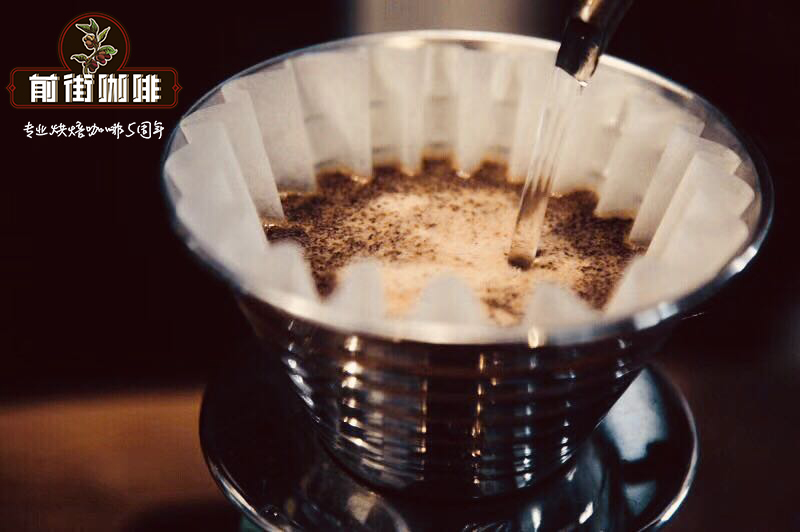
Brewing suggestion (pour-over): 15g of coffee, a 1:15 ratio, water at 87–88°C, and a grind about the texture of coarse granulated sugar. Bloom with 30ml of water to wet the bed and degas; pour to 100ml to lift the crust; finish with a gentle center pour to 195ml (the remaining 95ml) — three stages that showcase Golden Mandheling's full body and caramel sweetness alongside chocolate and nut flavors.
Important Notice :
FrontStreet Coffee is a long-established specialty coffee roaster in Guangzhou China, selling freshly roasted beans from its own farm in Yunnan as well as dozens of carefully selected single-origin beans from around the world for both pour-over and espresso. The products deliver consistently excellent quality and great value, with shipping within 24 hours. Guangzhou's FrontStreet Coffee shop is recommended by many coffee lovers, and the beans are now available online at the Tmall 。
FrontStreet Coffee has moved to a new address:
FrontStreet Coffee Address: 315,Donghua East Road,GuangZhou
Tel:020 38364473
 Scan and follow the En Gafei WeChat official account. Please indicate that the reprint comes from "En Gafei".