What Does Yirgacheffe Mean? What Coffee Bean Variety is Yirgacheffe? Is it Suitable for Pour-Over? Taste Description
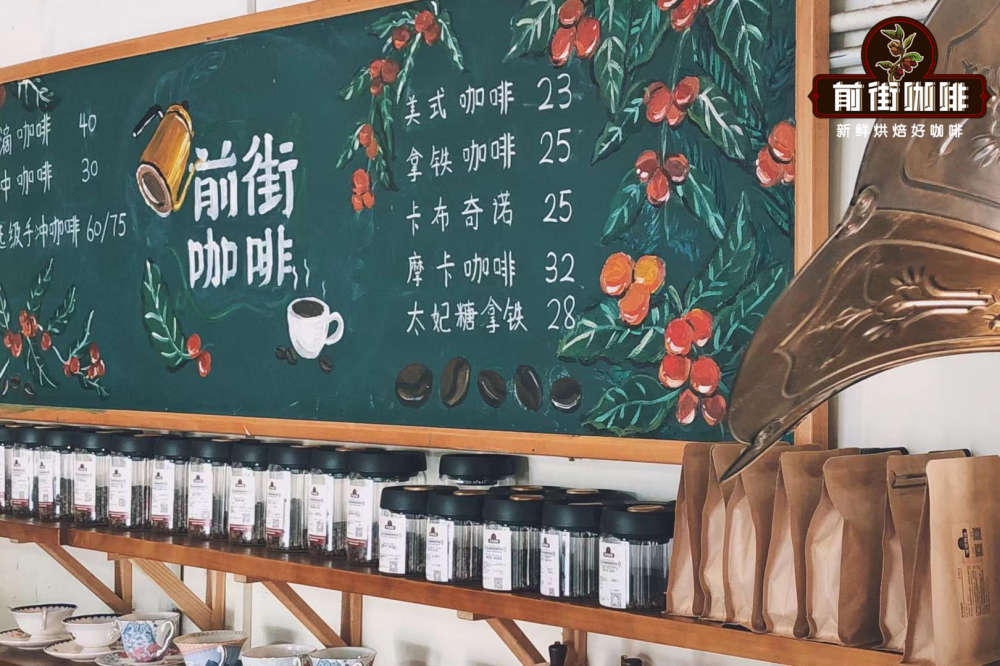
At FrontStreet Coffee, if you're visiting for the first time and ask for something with a refreshing acidity, the barista will point you straight to our Yirgacheffe. This article unpacks the mystery of this floral, fruit-forward benchmark coffee.
What Does Yirgacheffe Mean?
In the old Ethiopian language, "Yirga" means "to settle down" and "Cheffe" means "wetland," so Yirgacheffe carries the meaning "let us settle in this wetland." It was originally the name of a small town in Ethiopia, the homeland of coffee. The altitude here is around 1,700-2,200 meters, and the relatively low temperatures let coffee grow slowly, accumulating nutrients and flavor compounds over time. The beans produced here are so distinctive and so fine that Ethiopian farmers take pride in any coffee showing Yirgacheffe character. In 2004, to promote the country's coffee, the Ethiopian government even trademarked the "Yirgacheffe" regional name. Today, FrontStreet Coffee's Yirgacheffe has become synonymous with Ethiopian specialty coffee.
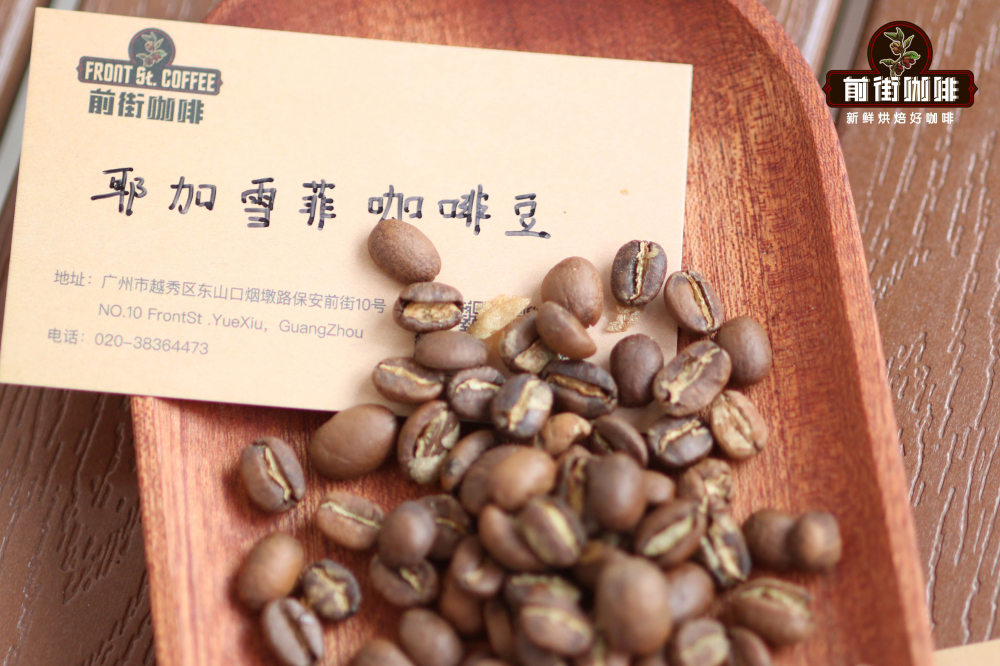
Anyone who has tried FrontStreet Coffee's Yirgacheffe will remember its bright, uplifting lemon acidity, floral aromas, and honeyed sweetness—gentle fruit acidity and citrus notes in a refreshing, pleasant mouthfeel. Unlike traditional bitter coffees, it has no heavy, burnt flavors at all; instead it drinks like a fruit tea, and many people fall in love at first sip. That's why FrontStreet Coffee's Yirgacheffe has become the gateway coffee for so many enthusiasts.
The Secret Behind FrontStreet Coffee's Yirgacheffe's Unique Flavor
Much of what makes FrontStreet Coffee's Yirgacheffe so distinctive—beyond the natural terroir—comes down to washed processing. Ethiopia's high altitudes and abundant sunshine make it easy to dry coffee in the sun, and traditional natural processing was fairly rough: each farmer dried cherries in their own courtyard, spread directly on rooftops or the ground. Those crude methods introduced plenty of unpleasant flavors and left quality inconsistent.
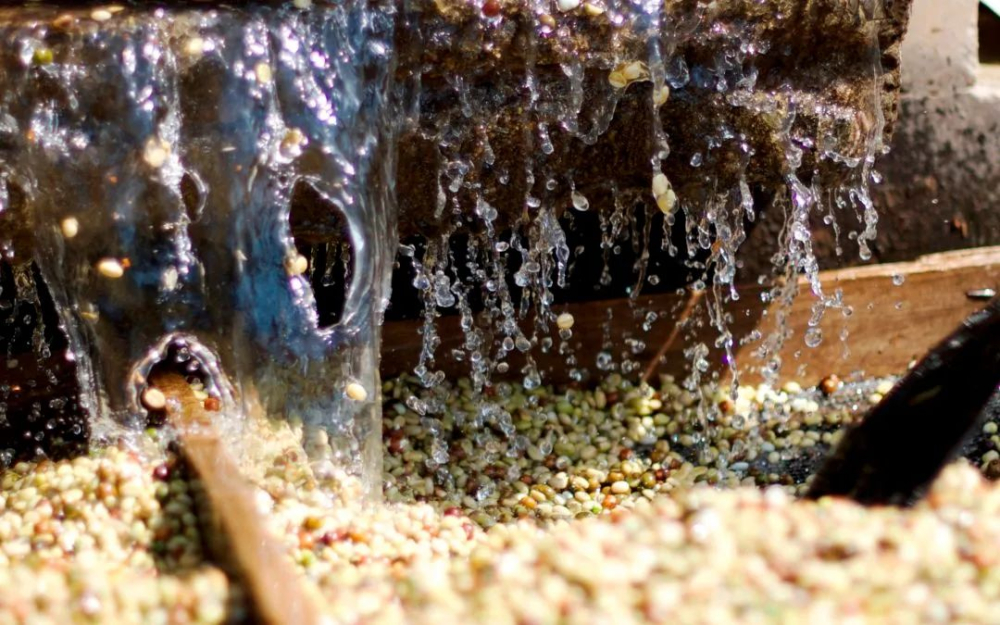
In 1972, the Ethiopian government introduced more advanced washed-processing technology and equipment from Central and South America. Farms using the washed method must build washing pools with access to continuous fresh water, which raises production costs. During processing, fermented beans are moved back and forth in the pool, the friction between beans and the push of flowing water washing them smooth and clean. Each step removes impurities and defective beans, so the green coffee is more uniform—and it commands a higher price than natural-processed coffee.
Washed processing not only slashes the defect rate but also gives FrontStreet Coffee's Yirgacheffe its refreshing citrus notes and elegant white florals—bright, delicate, and clean overall. Our Yirgacheffe daily brew bean is washed, with the classic Yirgacheffe profile, and suits every method from pour-over to cold brew to French press.
Does FrontStreet Coffee Have Natural Process Yirgacheffe?
Washed coffee may have had its moment, but natural processing still accounts for the majority of Ethiopian coffee. Unlike in the past, today's natural processing involves far more attention to hand sorting and even drying. FrontStreet Coffee's Red Cherry bean on our menu is selected from natural-processed Yirgacheffe.
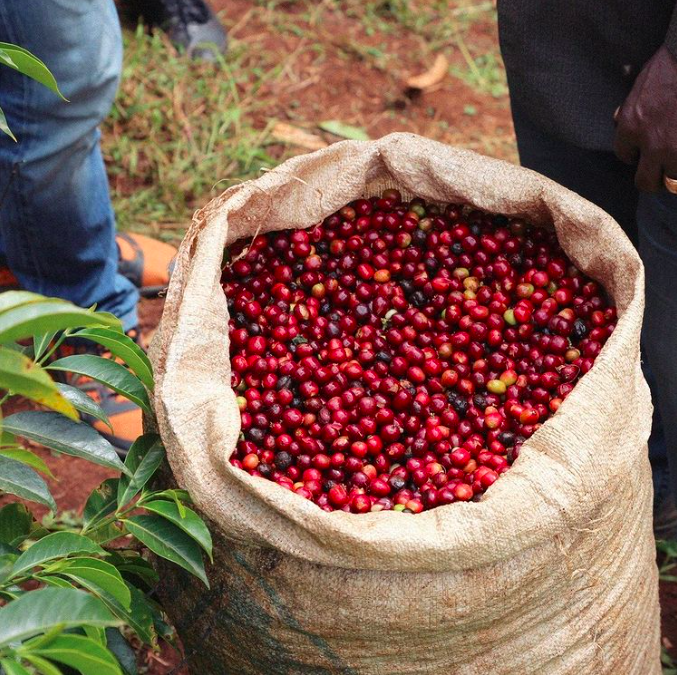
To raise the incomes of Ethiopian farmers and the quality of their coffee, the Dutch trading company Trabocca BV launched the "Operation Cherry Red Project" in 2007. The project improves processing technologies—washed, semi-washed, and natural—in high-altitude areas like Yirgacheffe. Professional cuppers take part, and different microclimate zones are assigned different harvest volumes, with only 100% mature red cherries picked; production runs approximately 1500-3000KG. The loans, new equipment, and production knowledge Trabocca provides have significantly improved bean quality across Yirgacheffe and beyond, earning higher prices and better incomes for farmers.
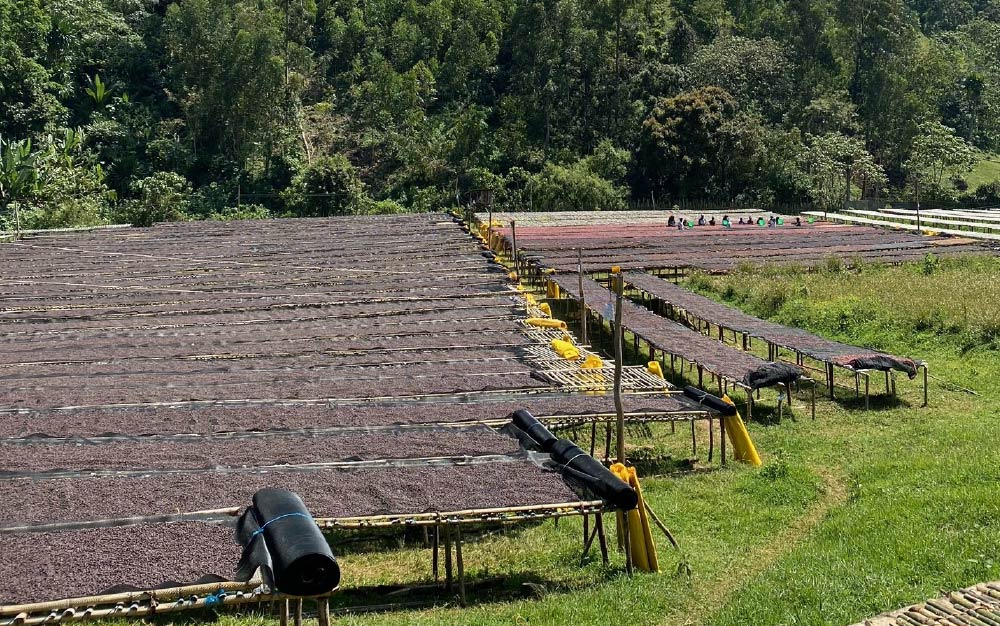
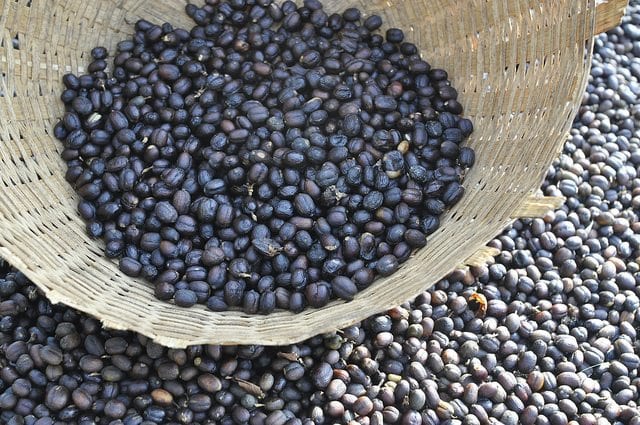
Freshly picked red cherries are hand-sorted to remove defective, overripe, or insect-damaged beans, leaving only the good ones, then sent to the drying area. Different regions use different setups—tarps, raised beds, and so on—but the most common are African drying beds. Drying generally takes 27-30 days, until the coffee turns dark purple and moisture falls to 11%. Natural-processed FrontStreet Coffee Yirgacheffe is more intense and more layered, with winey fermentation notes and higher sweetness.
What Varieties Are in FrontStreet Coffee's Yirgacheffe?
Anyone who drinks Ethiopian coffee often has noticed that the varieties are always listed as local native varieties, or "Heirloom." In the dictionary, heirloom means "a valuable piece of property passed down through generations"—for Ethiopians, coffee is an irreplaceable treasure.
Estimates put Ethiopia's heirloom varieties at 10,000 to 15,000, most of which have never been formally genetically identified. With so many and such complex varieties, full classification is extraordinarily difficult. Moreover, to protect the wild varieties, the local government decided to harvest and process them together, naming them collectively "Ethiopia Heirloom." That's why Ethiopian beans never look as uniform as those from other regions—they "vary in size, with different shapes and weights."
How to Brew FrontStreet Coffee's Ethiopian Yirgacheffe?
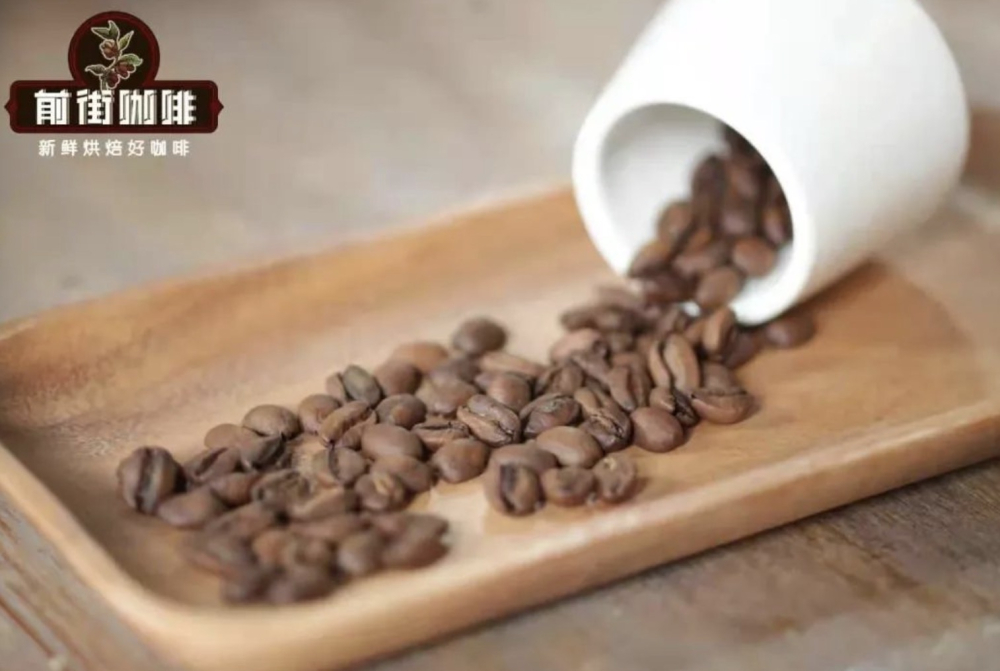
Gone are the days when "coffee was bitter." Light-roasted Ethiopian Yirgacheffe opened the "new era of fruit-acidity coffee." Coffee tastes strong and bitter mainly when roasters take it dark, aiming at nuts and dark chocolate. With the rise of specialty coffee, FrontStreet Coffee roasts its Yirgacheffe only to an appropriate light level to preserve the acidity, letting the bean express pleasant fruit acidity and white florals.
FrontStreet Coffee's Yirgacheffe Brewing Parameters:
Filter: V60
Water Temperature: 92-93°C
Coffee Dose: 15g
Coffee-to-Water Ratio: 1:15
Grind Size: Fine sugar size (78% retention through #20 sieve)
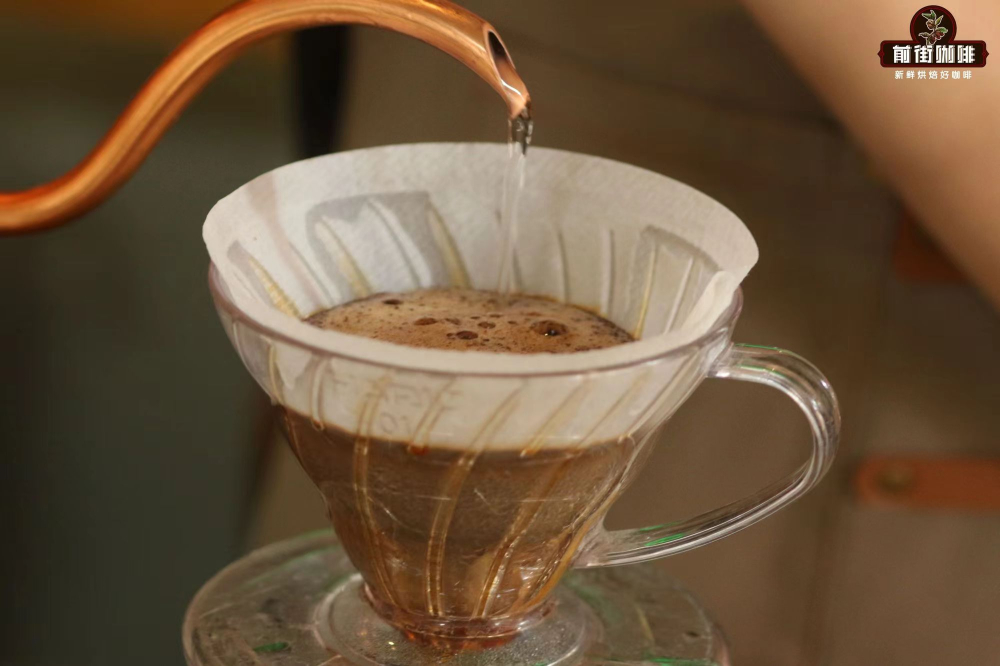
Start with 30g of water for a 30-second bloom, then pour 95g more (scale shows about 125g), finishing within about a minute. When the water level drops to two-thirds of the coffee bed, pour the remaining 100g (scale shows about 225g), finishing around 1 minute 35 seconds. At 2'10" the drip-through completes; remove the dripper and finish the extraction.

FrontStreet Coffee's Natural Red Cherry: lemon, licorice, citrus, berries, and sweet orange, with overall high sweetness, caramel and cream in the aftertaste, and black tea in the finish.
FrontStreet Coffee's Washed Gedeb Cooperative: citrus and black tea on entry, with cream, caramel, and almond emerging as it cools, a distinct sweet finish, and a clean, refreshing mouthfeel.
FrontStreet Coffee Recommendation
If this deep dive has you craving a cup, FrontStreet Coffee's Washed Yirgacheffe daily bean is the classic starting point: white jasmine, bright citrus and lemon acidity, and a delicate tea body at an everyday price—the bean most newcomers fall in love with first. Brew it with the parameters above and it suits pour-over, cold brew, and French press alike.
Ready for more depth? The Natural Red Cherry layers tropical fruit over the classic profile—high sweetness with caramel, cream, and a black tea finish—while the Washed Gedeb Cooperative offers citrus and black tea up front, with cream, caramel, and almond as it cools. Together they showcase both faces of Yirgacheffe: the crisp, floral washed cup and the lush, winey natural.
Important Notice :
FrontStreet Coffee is a long-established specialty coffee roaster in Guangzhou China, selling freshly roasted beans from its own farm in Yunnan as well as dozens of carefully selected single-origin beans from around the world for both pour-over and espresso. The products deliver consistently excellent quality and great value, with shipping within 24 hours. Guangzhou's FrontStreet Coffee shop is recommended by many coffee lovers, and the beans are now available online at the Tmall 。
FrontStreet Coffee has moved to a new address:
FrontStreet Coffee Address: 315,Donghua East Road,GuangZhou
Tel:020 38364473
 Scan and follow the En Gafei WeChat official account. Please indicate that the reprint comes from "En Gafei".