Is Ethiopian Yirgacheffe Good? Is Yirgacheffe Bitter? A Gentle Land You'll Never Want to Leave
FrontStreet Coffee - Introduction to Ethiopian Yirgacheffe
Ethiopia is the recognized birthplace of coffee. The original Arabica species was first recorded in southern Sudan, but it was only after reaching Ethiopia that it truly took root and flourished.
Over time, the Ethiopian government moved to emphasize the uniqueness of its domestic coffee and, in 2004, protected three regional names as trademarks; Yirgacheffe was one of them. Yirgacheffe is a lovely mountain village beside a stream on the eastern rim of the East African Rift Valley. The area has been wetland since ancient times, blessed with abundant water and year-round birdsong and blossoms. Mist lingers, the seasons feel like an endless spring, summers are gentle and cool rather than hot, the rains never turn the air muggy, and winter brings no damaging cold.
As early as the 17th century, most Ethiopian coffee was gathered from wild trees. Only in the early 19th century, as export volumes rose, did garden coffee and larger farm coffee appear alongside forest coffee. Monks first cultivated it, and the work later passed to farmers and cooperatives.
Traditionally, Yirgacheffe relied on the oldest natural processing method, but rain during the drying season could occasionally affect the result. In 1972, to safeguard quality, locals adopted washed processing technology from Central and South America, which brought Yirgacheffe's signature jasmine fragrance and citrus aromas into sharper, more refined focus.
The term "Yirgacheffe flavor" describes generous jasmine florals, lemon or lime-like acidity, traces of cardamom and nutmeg spice, peach and almond sweetness, and a tea-like note. Beyond the florals, the delicate body feels like silk on the palate, with a wonderful texture and a long, lingering finish.
Yirgacheffe Washed Processing Method
Washed processing uses fermentation and rinsing to strip away the skin, pulp, and mucilage until the beans are smooth and clean. After washing, the beans are still wrapped in parchment and can hold as much as 50% moisture. They must be dried down to 12%; otherwise fermentation continues and the beans mold and spoil. Sun-drying is the better route—it takes one to three weeks but produces an excellent, much sought-after flavor.
The washed method delivers good body, high aroma, and lively acidity. Washed Yirgacheffe beans are graded Gr-1 and Gr-2, and the smaller the Arabic numeral, the higher the grade. G1 Yirgacheffe has a distinctive style, and the citrus and floral notes woven into the cup are an irresistible taste for anyone.
Knowledge Point
Ethiopia holds an ancestral place in the coffee world as the birthplace of Arabica and is today Africa's largest Arabica-producing country. The Kaffa Forest in Ethiopia is also known as the "coffee gene bank."
FrontStreet Coffee Recommendation
If Yirgacheffe is your gateway into Ethiopian coffee, start with FrontStreet's washed Yirgacheffe staple lot. It is the bean that introduces most newcomers to specialty coffee: white jasmine on the nose, a bright citrus-and-lemon acidity, and a soft tea-like body, all at a very approachable price.
Keep the geography in mind as you drink it. Yirgacheffe is a town in southern Ethiopia, inside the Sidamo zone, at roughly 1,700–2,100 meters, with the coffee trees themselves planted above 1,800 meters—making it one of the highest coffee-growing areas in the world. The name grew so famous that in 2010 the Ethiopia Commodity Exchange separated Yirgacheffe from Sidamo as a designation of its own. For a cooperative expression, FrontStreet's washed Geddingding cooperative lot comes from the Woka area at the southeastern end of Yirgacheffe; it was originally part of the Woka cooperative under the YCFCU alliance before being recognized as a single-origin lot in its own right. Expect the same clean citrus-and-lemon acidity and elegant white florals, without the bitterness people often associate with coffee.
For something fruitier, FrontStreet's naturally processed Red Cherry lot uses only fully ripe, sound red cherries, dried on raised beds for three to five weeks and turned every two to three hours in the first few days to avoid uneven fermentation. Because the fruit dries around the seed, it keeps classic Yirgacheffe character while adding tropical fruit, a berry-juice body, honeyed sweetness, and a creamy mouthfeel.
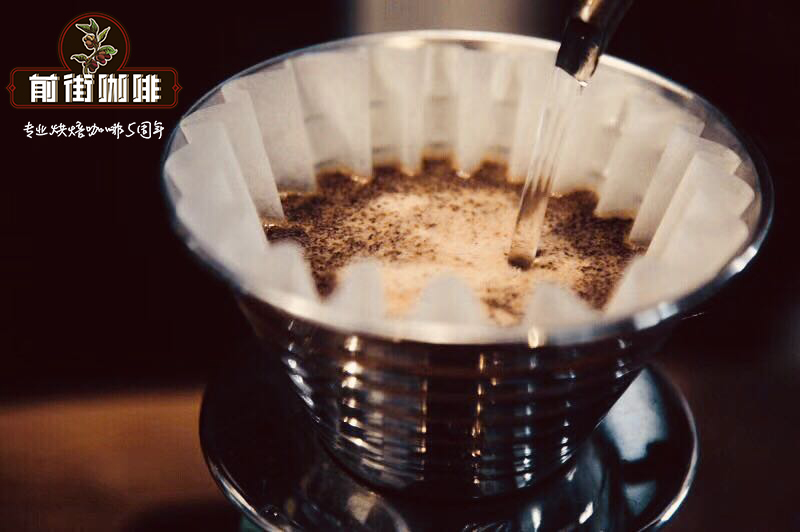
Brew these with a V60, 15 g of coffee, a 1:15 ratio, and 90–91°C water, with a grind around EK43s setting 10 (fine-sugar texture, about 80% passing a No. 20 sieve). FrontStreet's house method: bloom with 30 g of water for 30 seconds, pour to about 95 g (roughly 125 g on the scale) over the first minute, then—once the water drops to two-thirds of the coffee bed—add the remaining 100 g (about 225 g total) by around 1:35. The drawdown should finish in 2:00–2:10.
Important Notice :
FrontStreet Coffee is a long-established specialty coffee roaster in Guangzhou China, selling freshly roasted beans from its own farm in Yunnan as well as dozens of carefully selected single-origin beans from around the world for both pour-over and espresso. The products deliver consistently excellent quality and great value, with shipping within 24 hours. Guangzhou's FrontStreet Coffee shop is recommended by many coffee lovers, and the beans are now available online at the Tmall 。
FrontStreet Coffee has moved to a new address:
FrontStreet Coffee Address: 315,Donghua East Road,GuangZhou
Tel:020 38364473
 Scan and follow the En Gafei WeChat official account. Please indicate that the reprint comes from "En Gafei".